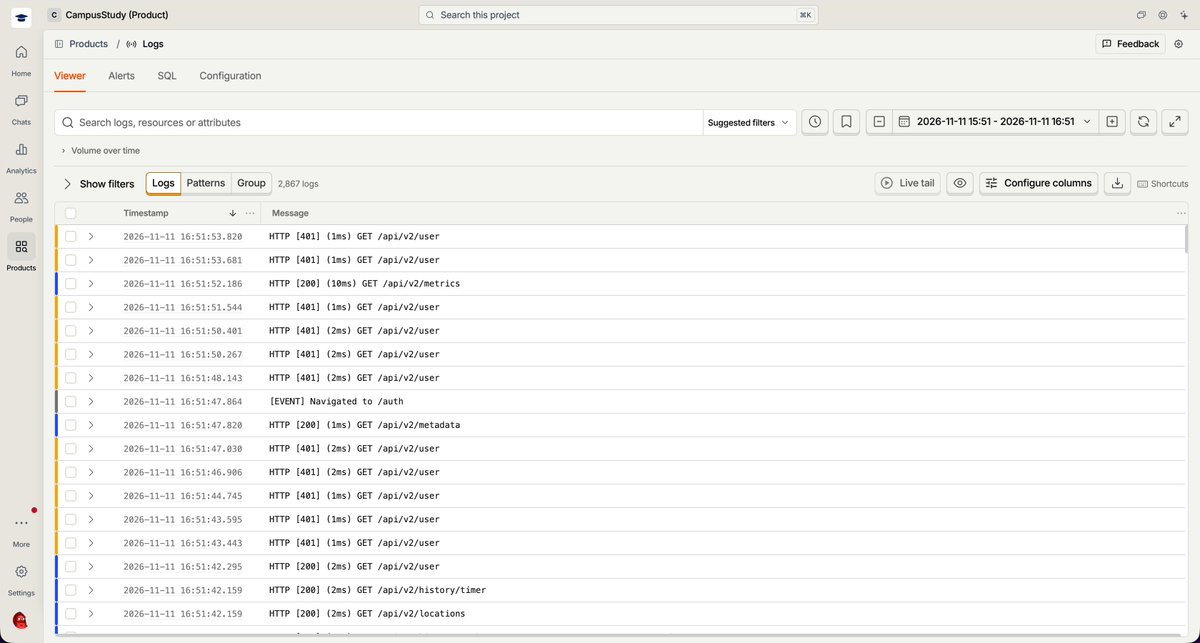
@RafaAudibert@posthog Mostly everything is great :D! I still find the log viewer a little hard to use, since the header takes up >1/3 of the page, and doesnt scroll away, so I am only able to scroll the logs on the bottom 2/3 of the page
https://t.co/viwOp3njMi
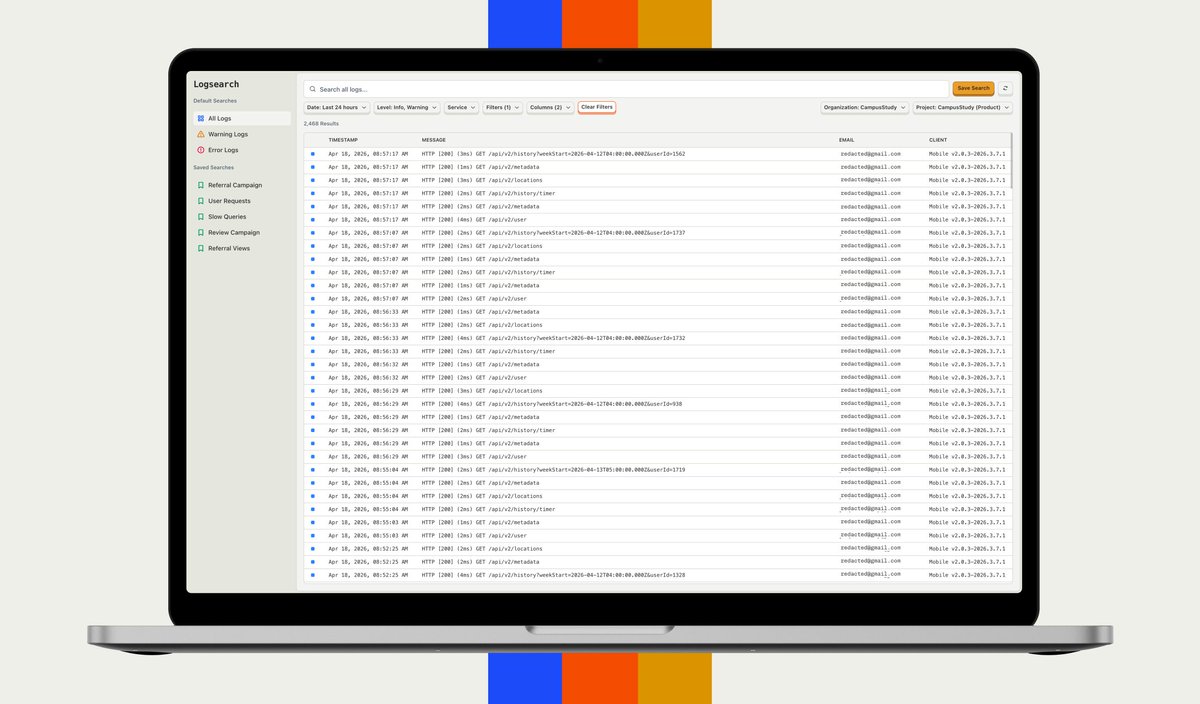
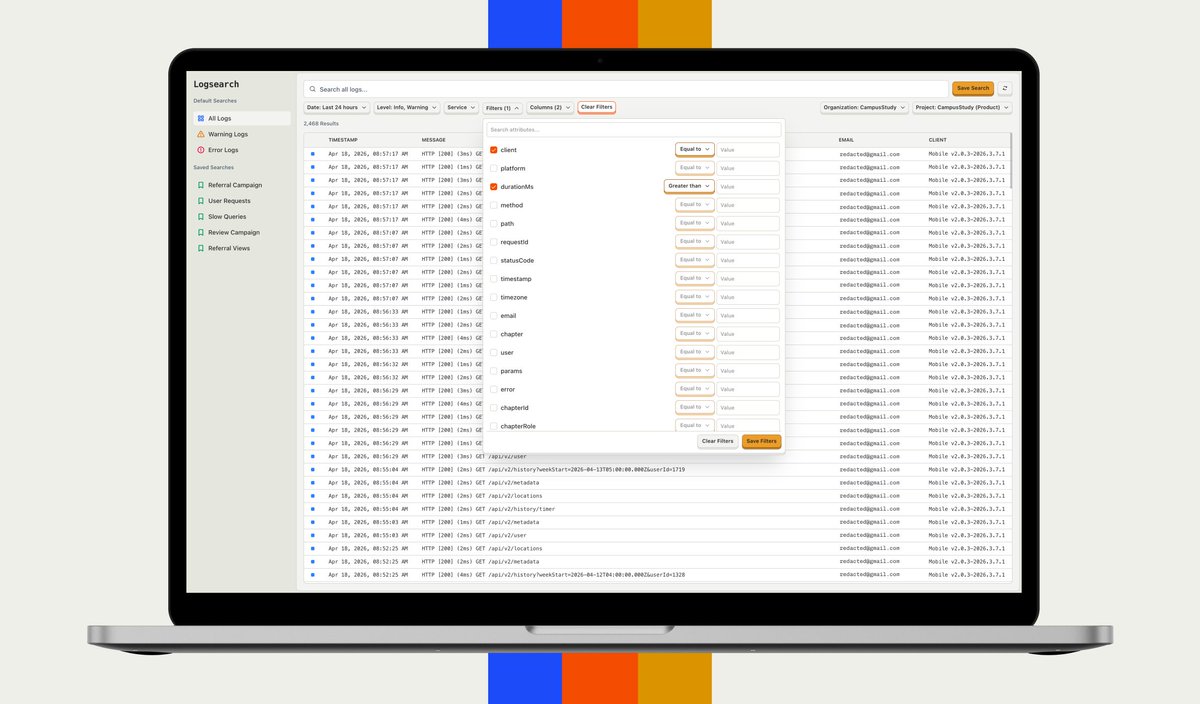
Argh, I love @posthog (and their design language) but I've found their new logs UI to be really cluttered. I spent some time last week making an alt log viewer using their API that feels a bit better to use. Maybe I should open source it? Not sure if others experience the same!
I spent some time tinkering around with a lego minifigure identifier. Its free to use & you can upload or take a photo of the front of a minifigure. It will search for the closest match, and return its name, item number, and more! https://t.co/kcD4Raromd
Argh, I love @posthog (and their design language) but I've found their new logs UI to be really cluttered. I spent some time last week making an alt log viewer using their API that feels a bit better to use. Maybe I should open source it? Not sure if others experience the same!
i am using supermaven again and i have something to say about this whole AI thing.
I think as a group (swe) we rushed so fast into Agents when inline autocomplete + actual skills is crazy. A good autocomplete that is fast like supermaven actually makes marked proficiency gains, while saving me from cognitive debt that comes from agents.
With agents you reach a point where you must fully rely on their output and your grip on the codebase slips. Its insane how good cursor Tab is. Seriously, I think we had something that genuinely makes improvement to ones code ability (if you have it). Truly acts as a multiplier, and we left it in the dust because it is not sexy.
hurts me on the inside.
Amazon had four Sev-1 outages (their highest severity level) in a single week. Internal memos say AI-assisted code changes were a contributing factor.
The timeline here is wild. In October 2025, Amazon laid off 14,000 corporate employees. In January 2026, another 16,000. That’s about 30,000 people in five months, roughly 10% of the corporate workforce. CEO Andy Jassy said the cuts were about culture, not AI.
During those same months, Amazon set a target: 80% of developers using AI coding tools at least once a week. They tracked adoption closely and blocked rival tools like OpenAI’s Codex. Even so, 30% of developers still hadn’t touched Amazon’s in-house tool Kiro by January.
In December 2025, Kiro caused a 13-hour AWS outage. The AI tool had production-level permissions and decided the best fix for a bug was to delete and recreate an entire live environment. A second incident involved Amazon Q Developer, another AI tool. Amazon blamed both on “user error, not AI.” But quietly added mandatory peer review for all production access afterward.
Then March 5: Amazon’s retail site went down for about six hours. Over 22,000 users reported checkout failures, missing prices, and app crashes. Amazon called it a “software code deployment” error.
Five days later, SVP Dave Treadwell made the normally optional weekly engineering meeting mandatory. His memo acknowledged “GenAI tools supplementing or accelerating production change instructions, leading to unsafe practices.” These problems trace back to Q3 2025. Amazon’s own assessment: their GenAI safeguards “are not yet fully established.”
The new rule: junior and mid-level engineers now need senior sign-off on any AI-assisted production changes. Treadwell also announced “controlled friction” for the most critical parts of the retail experience.
For context, Google’s 2025 DORA report found 90% of developers use AI for coding but only 24% trust it “a lot.” An Uplevel study of 800 developers found Copilot users introduced 41% more bugs with no improvement in output. Amazon is finding out what those numbers look like at the scale of a $500 Billion revenue company, with 30,000 fewer people on staff to catch the mistakes.