After 21 years at my dream job, I’m very sad to announce my early retirement from the National Institutes of Health. My life’s work has been to scientifically study how our food environment affects what we eat, and how what we eat affects our physiology. Lately, I’ve focused on unravelling the reasons why diets high in ultra-processed food are linked to epidemic proportions of chronic diseases such as diabetes and obesity. Our research leads the world on this topic.
Given recent bipartisan goals to prevent diet-related chronic diseases, and new agency leadership professing to prioritize scientific investigation of ultra-processed foods, I had hoped to expand our research program with ambitious plans to more rapidly and efficiently determine how our food is likely making Americans chronically sick.
Unfortunately, recent events have made me question whether NIH continues to be a place where I can freely conduct unbiased science. Specifically, I experienced censorship in the reporting of our research because of agency concerns that it did not appear to fully support preconceived narratives of my agency’s leadership about ultra-processed food addiction.
I was hoping this was an aberration. So, weeks ago I wrote to my agency’s leadership expressing my concerns and requested time to discuss these issues, but I never received a response. Without any reassurance there wouldn’t be continued censorship or meddling in our research, I felt compelled to accept early retirement to preserve health insurance for my family. (Resigning later in protest of any future meddling or censorship would result in losing that benefit.) Due to very tight deadlines to make this decision, I don’t yet have plans for my future career.
The NIH has been a wonderful place because it allows scientists to take risks, form unique collaborations, and do studies difficult to conduct elsewhere. I’m proud of what we’ve accomplished and I’m fortunate to have had such wonderful colleagues and scientific collaborators. I hope to someday return to government service and lead a research program that will continue to provide gold-standard science to make Americans healthy.
💡Can people with obesity reach a “normal” weight through diet & lifestyle alone?
A massive UK study of 177,000+ adults says… not easily.
📉 Over 9 years (no surgery involved):
For those with class 1 obesity (BMI 30–34.9):
🔹Men: 1 in 210 reached normal weight
🔹Women: 1 in 124
For severe obesity (BMI 40–44.9):
🔹Men: 1 in 1290
🔹Women: 1 in 677
⚖️ A 5% weight loss was more common (1 in 7–8/year) — but most regained it within 2–5 years.
🧠 Takeaway:
Community-based weight loss efforts often aren’t enough. We need better tools, access to effective treatments (meds & surgery), and bold public health action.
Source: https://t.co/Xe2534MlA1 #ObesityResearch #WeightLossJourney #PublicHealth
Adapted from @NeilFlochMD
Following a 1-week naturalistic experiment I have concluded that your 2 & 4 yo having COVID along with you does not improve the COVID experience and seems to increase fatigue vs having it alone (comparator: husband a few months ago) #parenting#CovidIsNotOver
4yo found a snack bag of Doritos. In a tree. In our backyard. I have never purchased Doritos. Didn't want them to upset bedtime so she's eating them for breakfast #parenting
Excited to share this very meaningful preprint, group-authored with my fellow @equity_scholars members!
Psychology's Contributions to Anti-Blackness in the United States within Psychological Research, Criminal Justice, and Mental Health https://t.co/jnfnGHkHNL via @OSFramework
4: How could there not have been dinosaurs when you were born because that was a long time ago.
Me: something about dinosaurs not being around for a long time before I was born
4: But who will watch us?
....valid question
🗣️New pub:
We used machine learning & natural language processing to analyze the words of >6K people experiencing long-term weight-loss maintenance who answered open-ended questions about weight-loss triggers, current motivations, strategies, & experiences. A thread of findings:
In an op-ed for @thehill, @HarvardChanDean says urgent change is needed to prevent physician burnout and prevent physician suicide. #FirstRespondersFirst @drbreenheroes https://t.co/iFvUTYRt3B
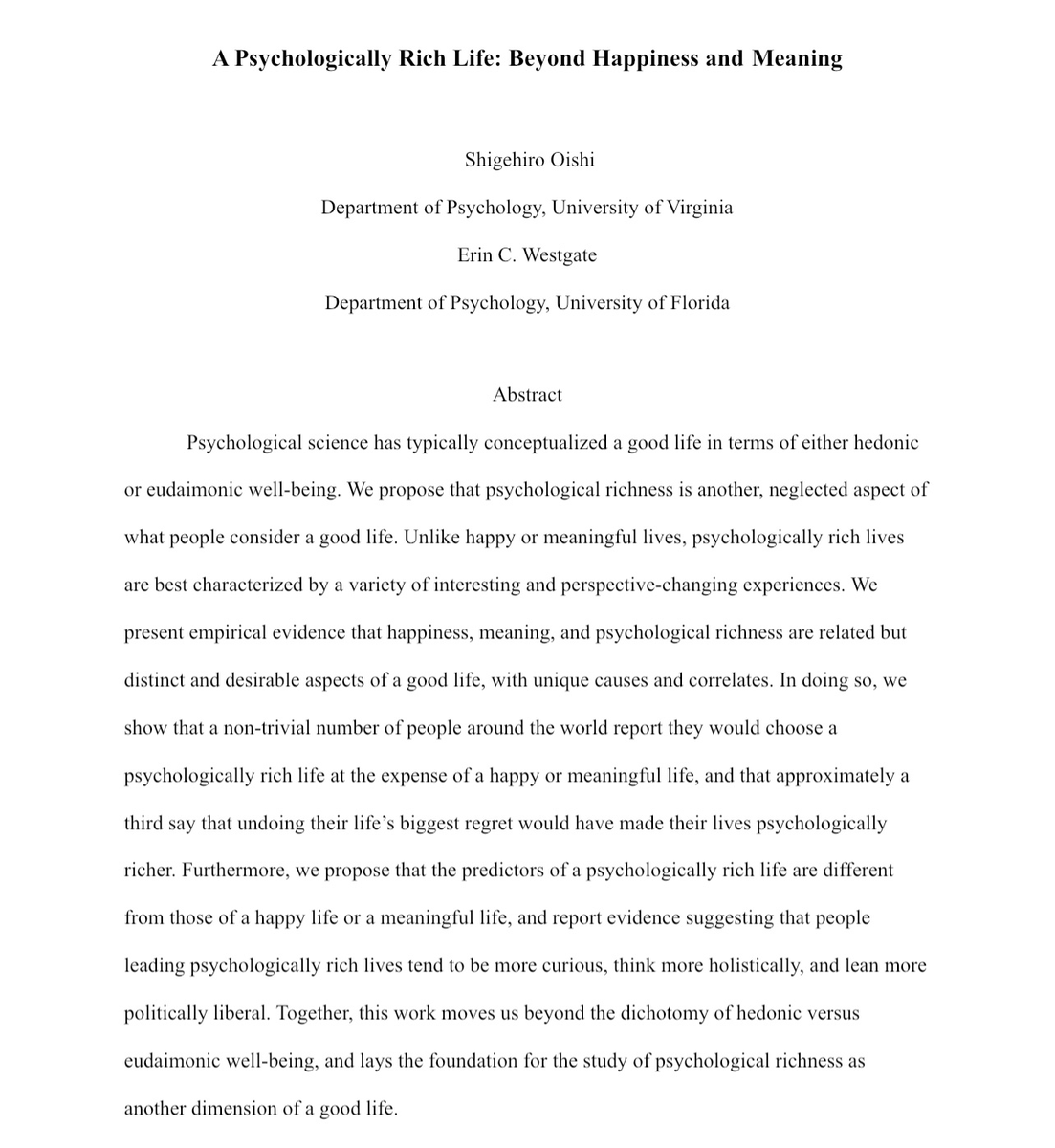
What makes life good? Some of us want a happy life, while others want a meaningful one. But still others want something else - an interesting life. Now in press at PsychRev, Shige Oishi & I make the case for the psychologically rich life as a desirable overlooked alternative 1/n
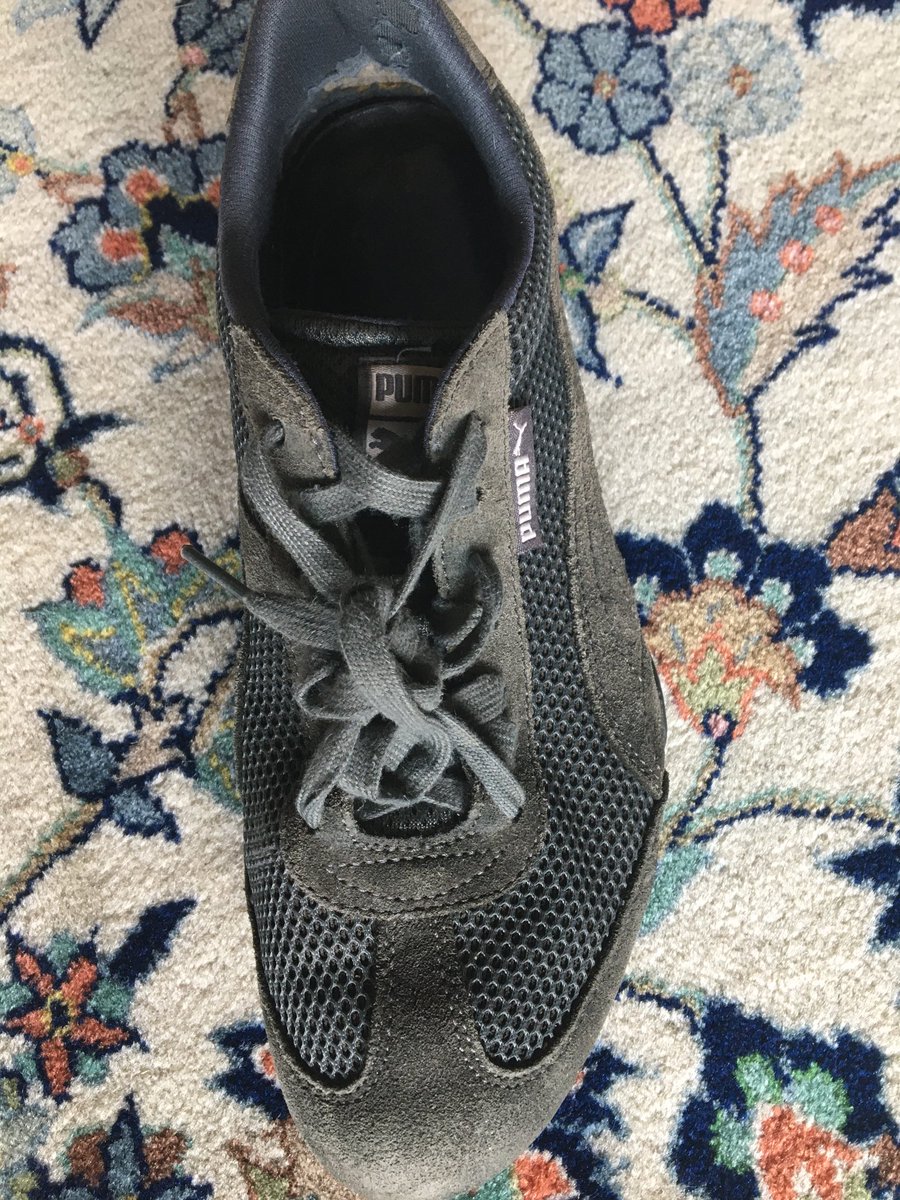
The impossible knot: A reminder that the ways toddlers can be a barrier to self care activities like exercise are by no means limited to the time spent caring for them
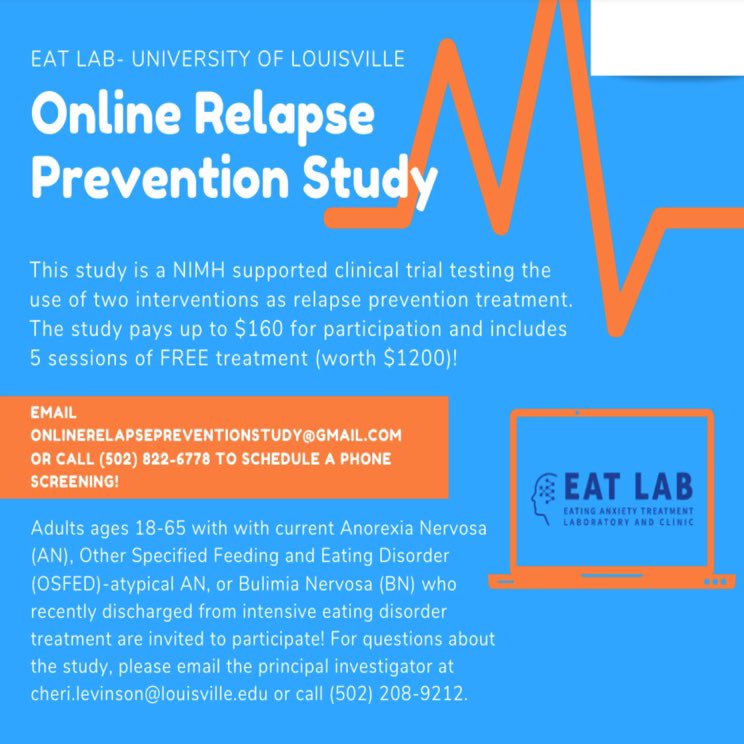
Help us cure eating disorders and receive free treatment!! Participate in a new PAID study with the EAT Laboratory. Join a clinical trial comparing two 5-week online #eatingdisorder relapse prevention treatments! Email [email protected] for more information!
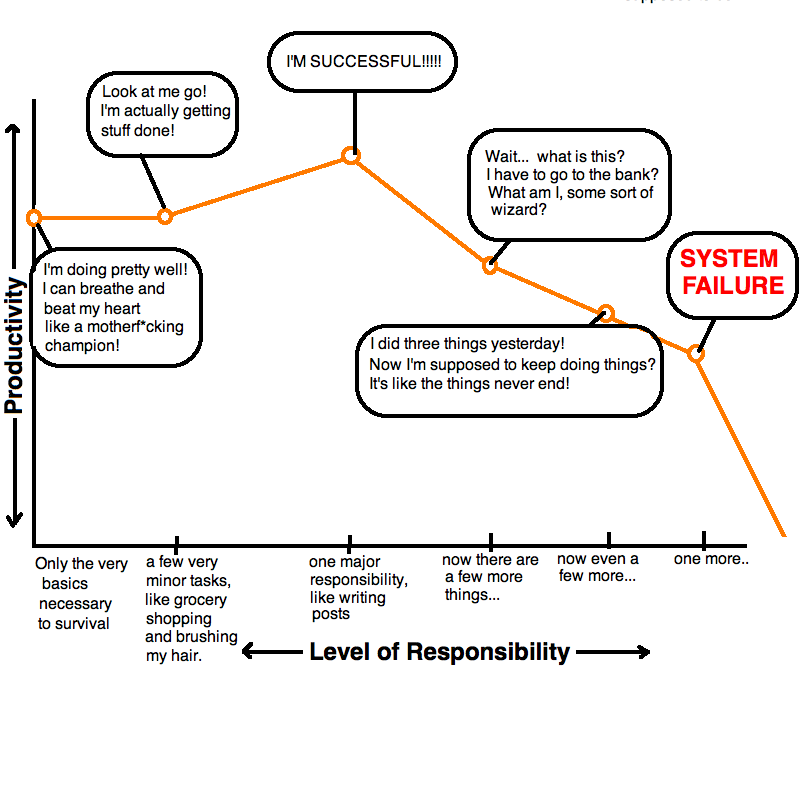
I am very overwhelmed by all I have to do and have only 20 minutes free today so Imma use that time wisely by checking the twitter
https://t.co/x5Akt4OCnr
I'm working on several large, challenging, boundary stretching projects that will take time to come to fruition, so naturally I feel like I'm not doing anything productive because my pub rate has slowed 🤦♀️
#AcademicTwitter#AcademicChatter