#MondayTip#NameTheCore
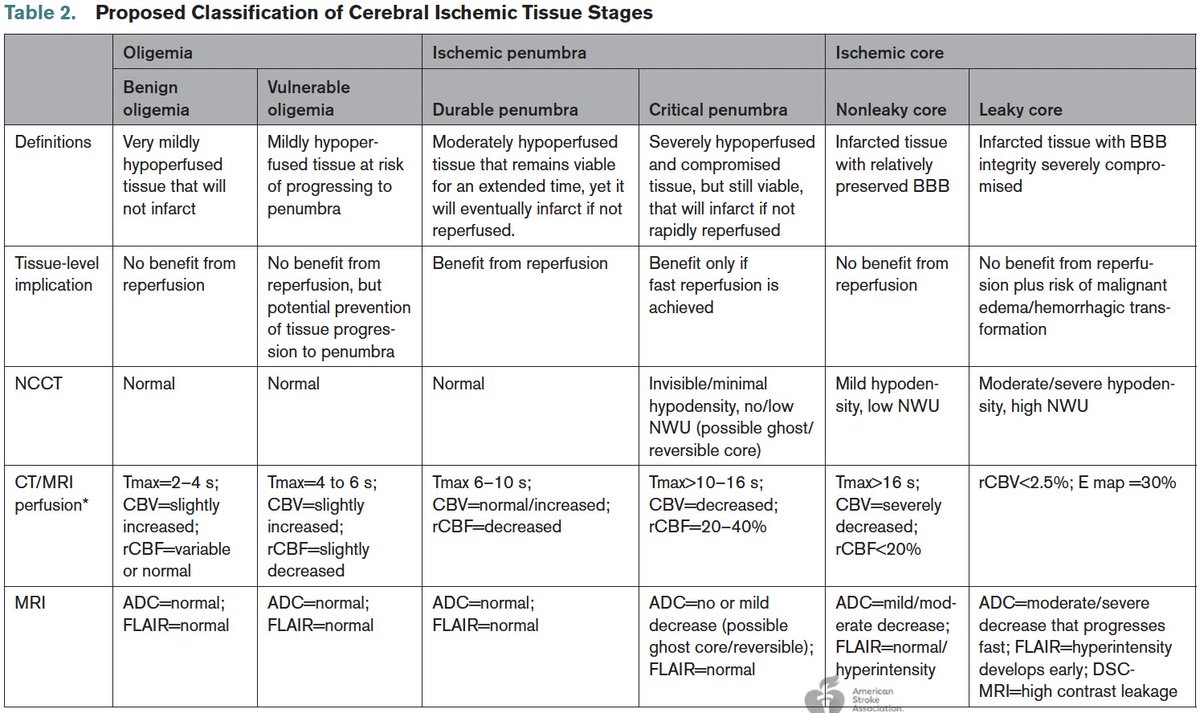
🔴The ischemic core is more than a volume
☝️It is a common reference point for prognosis, risk, and teamwork
🧠Standardizing how we describe it may make acute stroke decisions clearer
Based on Dr J Saver proposed terminology:
https://t.co/M1RunZMnbp
Identifying High-Risk Patients With Cerebral Venous Thrombosis for Early Intervention | Stroke: Vascular and Interventional Neurology https://t.co/vQiebPAYqd
#MondayTip#Thrombophilia & Young #cryptogenic stroke Abnormalities are common early, but high-risk findings are rare
🤫SECRETO: 37.1%👉any abnormality; only 5.2% were high-risk
🧠Screen smarter: prior VTE, inactivity, low HDL-C or anemia may guide testing
https://t.co/vilb8MvS4u
This study evaluated and compared the diagnostic performance of 4 major modalities: transcranial Doppler, transthoracic echocardiography, transesophageal echocardiography, and cardiac CT in patients with #EmbolicStroke of undetermined source: https://t.co/2xIOulNWOI
#Stroke
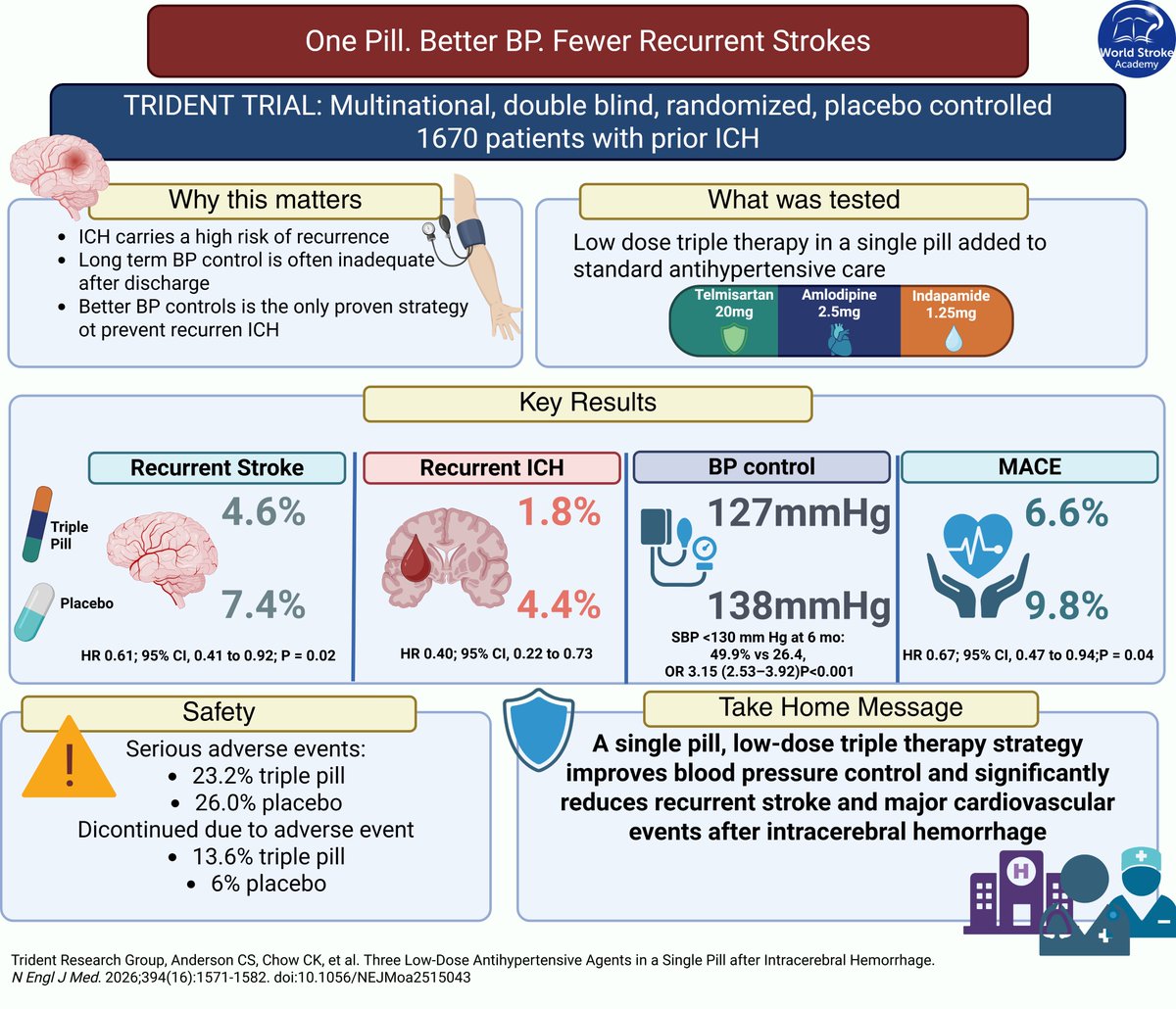
#MondayTip#TRIDENT
💊One pill could change post-ICH care.
🧠Low-dose triple antihypertensive therapy ↓ recurrent stroke by 39% and improved BP control vs standard care
☝️Simpler regimens may beat therapeutic inertia
🔗https://t.co/LUy8wIZ6dD
#MondayTip
Can we prevent stroke without increasing bleeding?
Factor XIa inhibition #asundexian :
🔹⬇️recurrent stroke (HR 0.74)
🔸with no ⬆️major bleeding in OCEANIC-STROKE.
A potential shift in secondary prevention. 🧠⚖️
🔗 https://t.co/OT4X2mmjyW
#MondayTip#Collaterals
Collateral status are relevant in stroke
🧠 Good collaterals + recanalization → strong outcomes
⚠️ Poor collaterals → limited benefit, even if opened
CTA isn’t just diagnostic—it’s decision-making
https://t.co/1kxc466fs2
#MondayTip
Not all “seizures” are epilepsy.
🧠 #LimbShakingTIA = hypoperfusion from carotid disease
📌 Triggered by standing/exertion
📉 EEG often normal
⚠️ Treat flow, not firing
https://t.co/RTnxAnwQG9
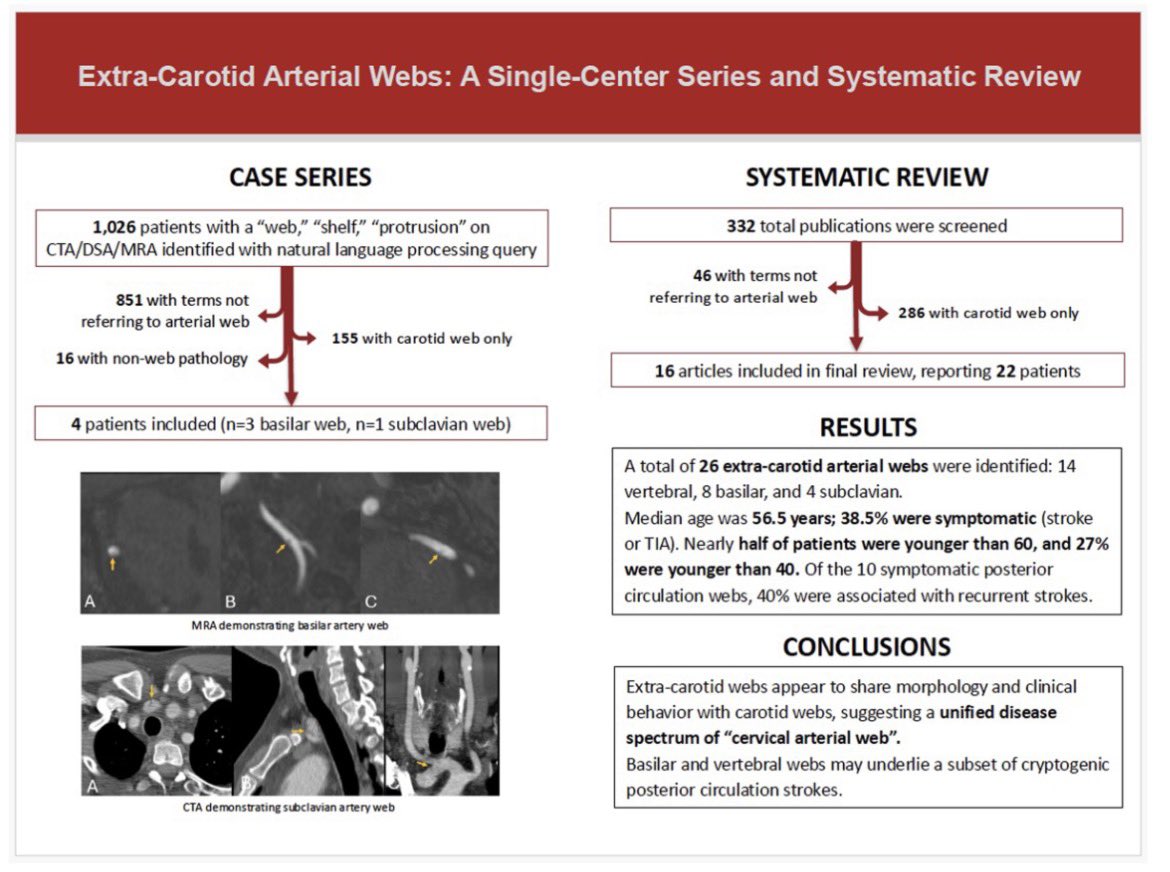
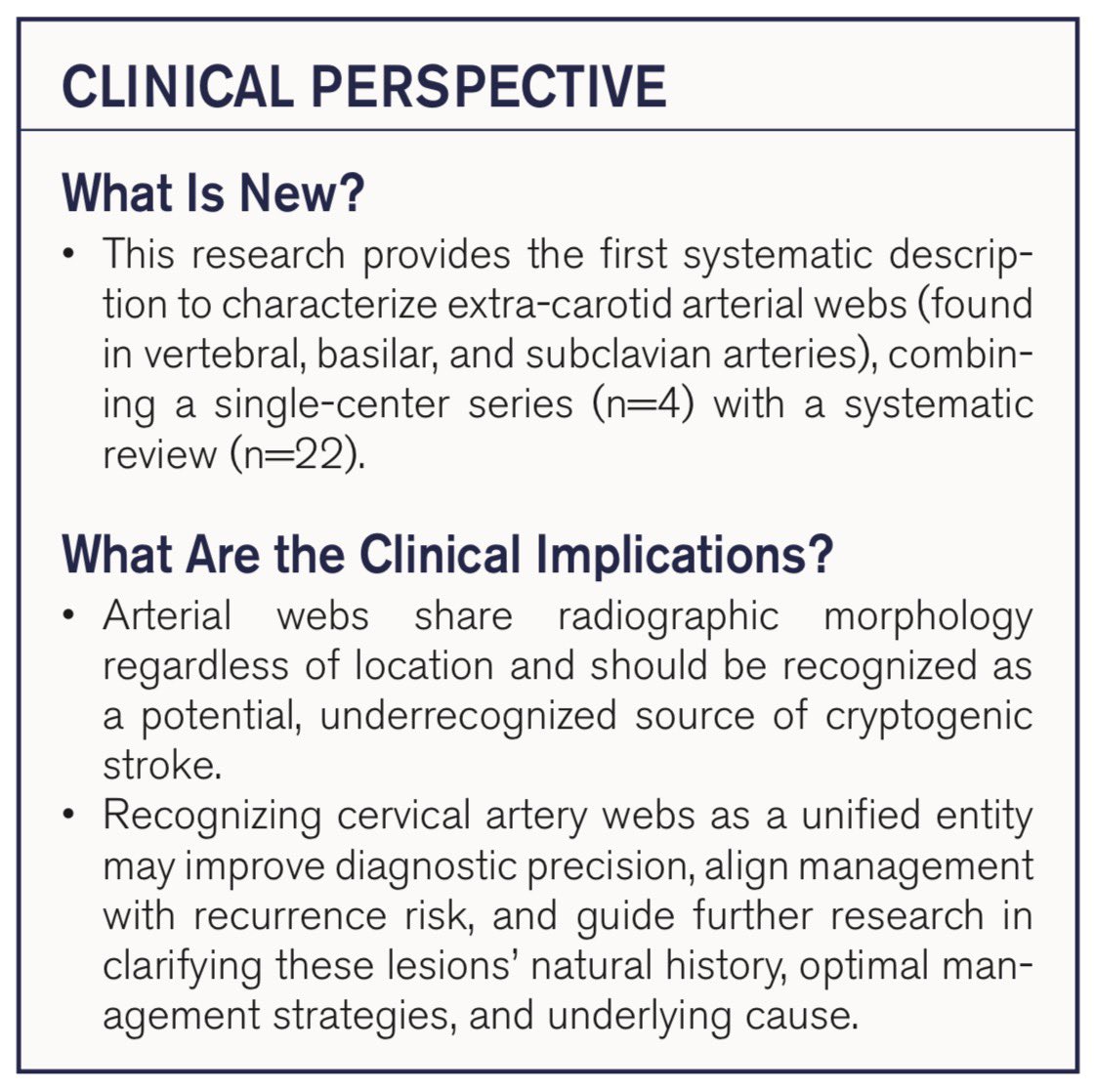
Are arterial webs limited to the carotid?
In our case series + systematic review, we describe extra-carotid webs and propose the term “cervical arterial web”—a unified entity that may represent an underrecognized cause of cryptogenic stroke. @ENossek@BellevueHosp@nyugrossman@nyulangone@svinsociety@SVINJournal@AHAScience
https://t.co/H3P5Czy6op
#MondayTip
Cancer-related stroke ≠ routine ESUS
~50% of strokes in active cancer are cryptogenic, but many are cancer-driven hypercoagulable events
🔁14–29% recur at 1 year
⚖️Anticoag vs aspirin? Still equipoise
🧠Classify. Risk-stratify. Individualize
https://t.co/bvv0vAFBot
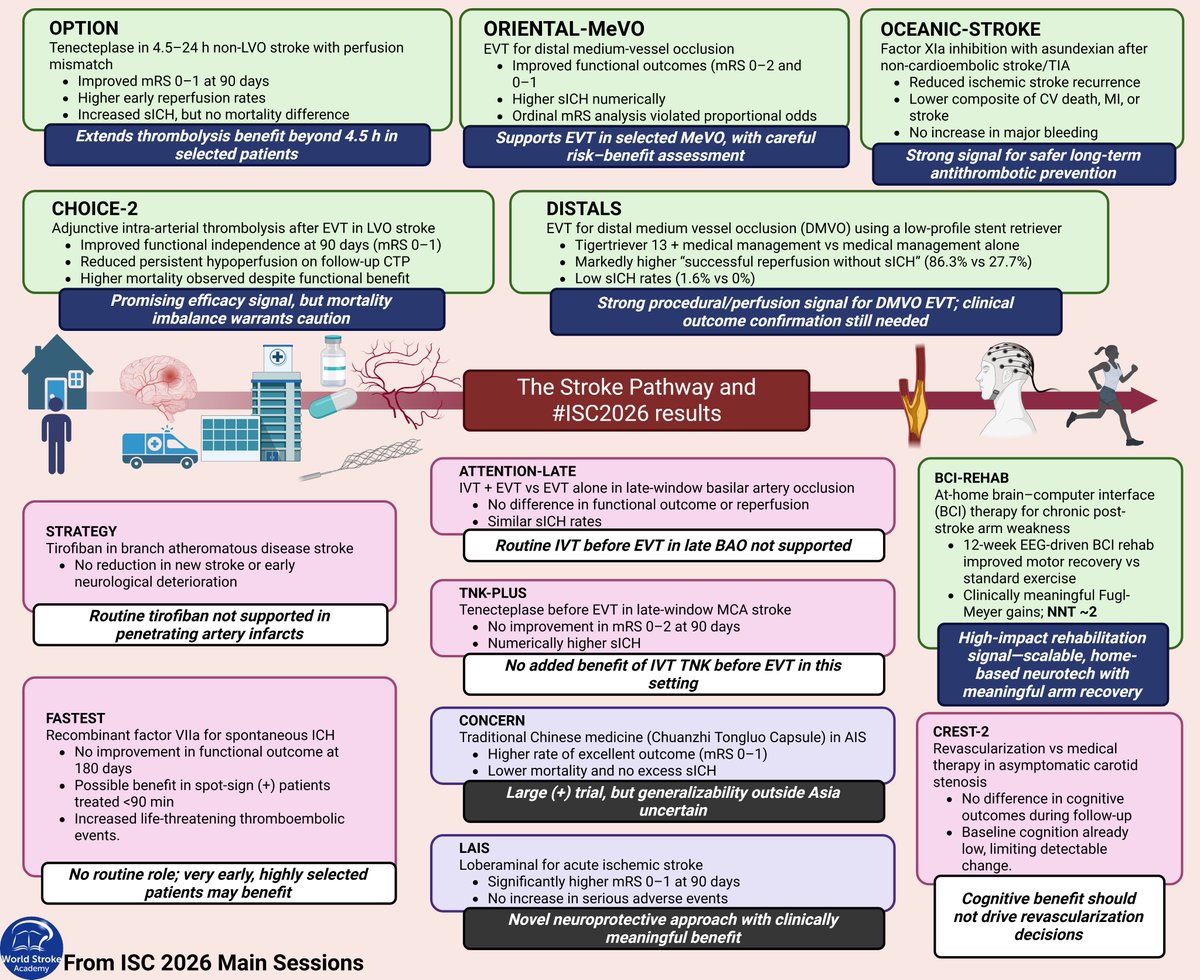
#MondayTip#ISC2026
🌎ISC delivered fewer “home runs” and more hard truths: what works, what doesn’t, and where selection matters most in stroke care
From extended-window thrombolysis to FXIa inhibition, #ISC26 highlights where stroke care is truly moving — and where it isn’t.
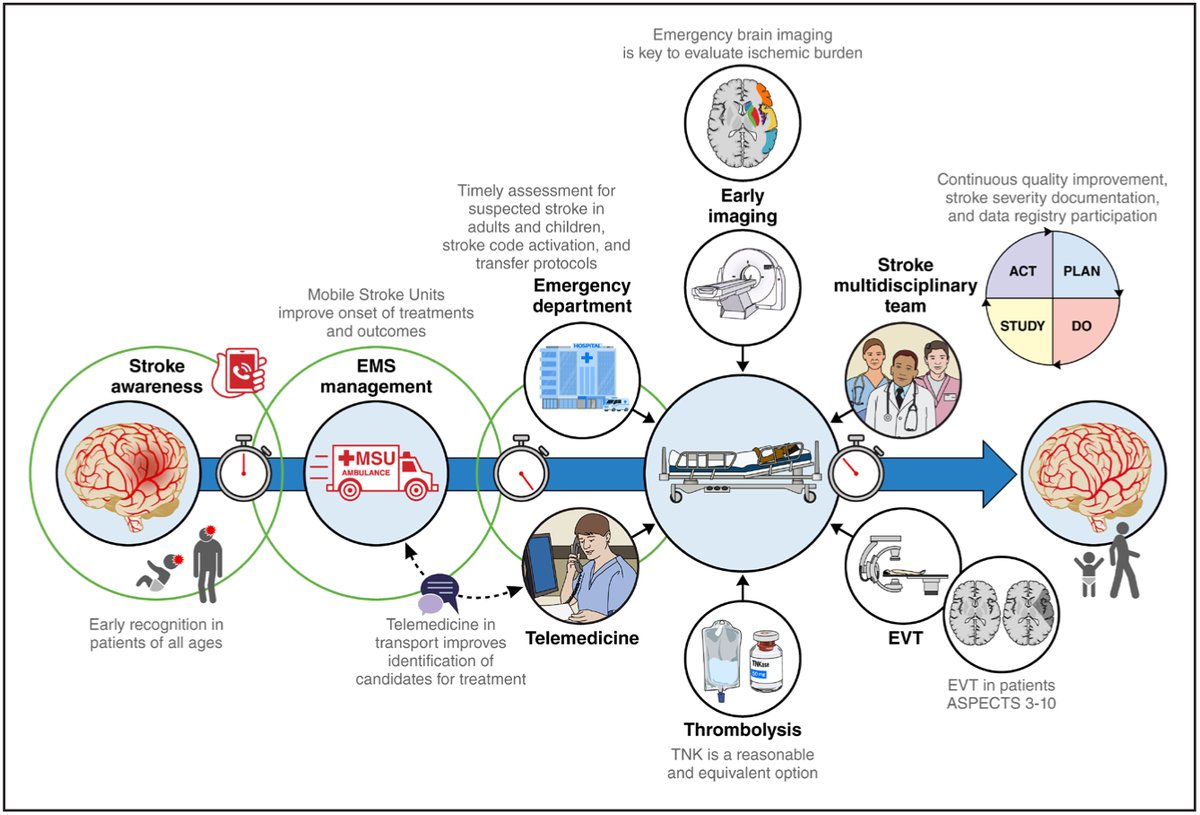
2026 Guideline for the Early Management of Patients With Acute Ischemic Stroke: A Guideline From the American Heart Association/American Stroke Association https://t.co/ztmfxD3mBZ
Excited to share this secondary analysis of STOP-CAD. Recurrent dissection is rare (1-2% per year) and only 3% of those had a #stroke. Factors associated with higher risk were young age, FMD, & migraine. Check out the full manuscript. 🛑CAD @StrokeAHA_ASA https://t.co/jKRI2jJYuP
#MondayTip
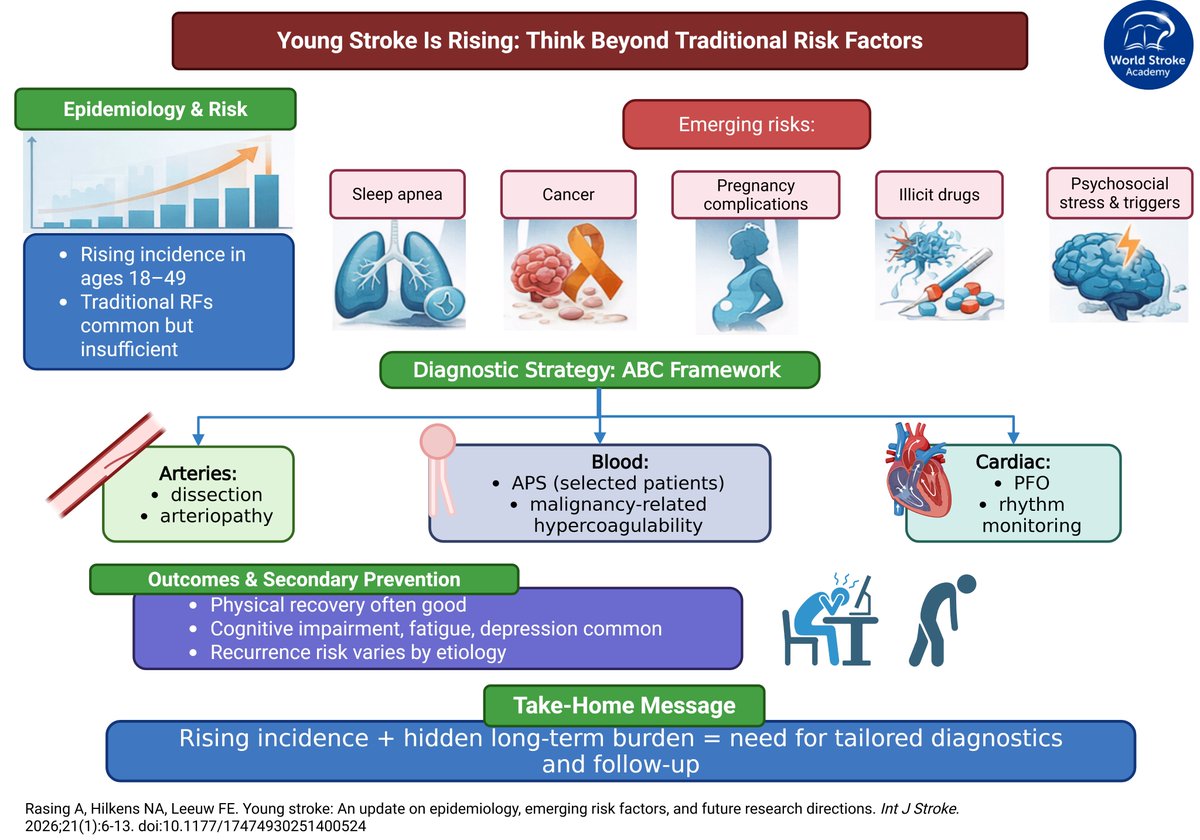
Young Stroke: an update
☝️Stroke isn’t just an older-person disease
📈Ischemic stroke in 18–49y is⬆️,often driven by non-traditional risks
🔤Think ABC diagnostics
🎯Tailor 2ry prevention
🛑Don’t ignore long-term cognitive & psychosocial burden🧠
https://t.co/f98oOdvXL0