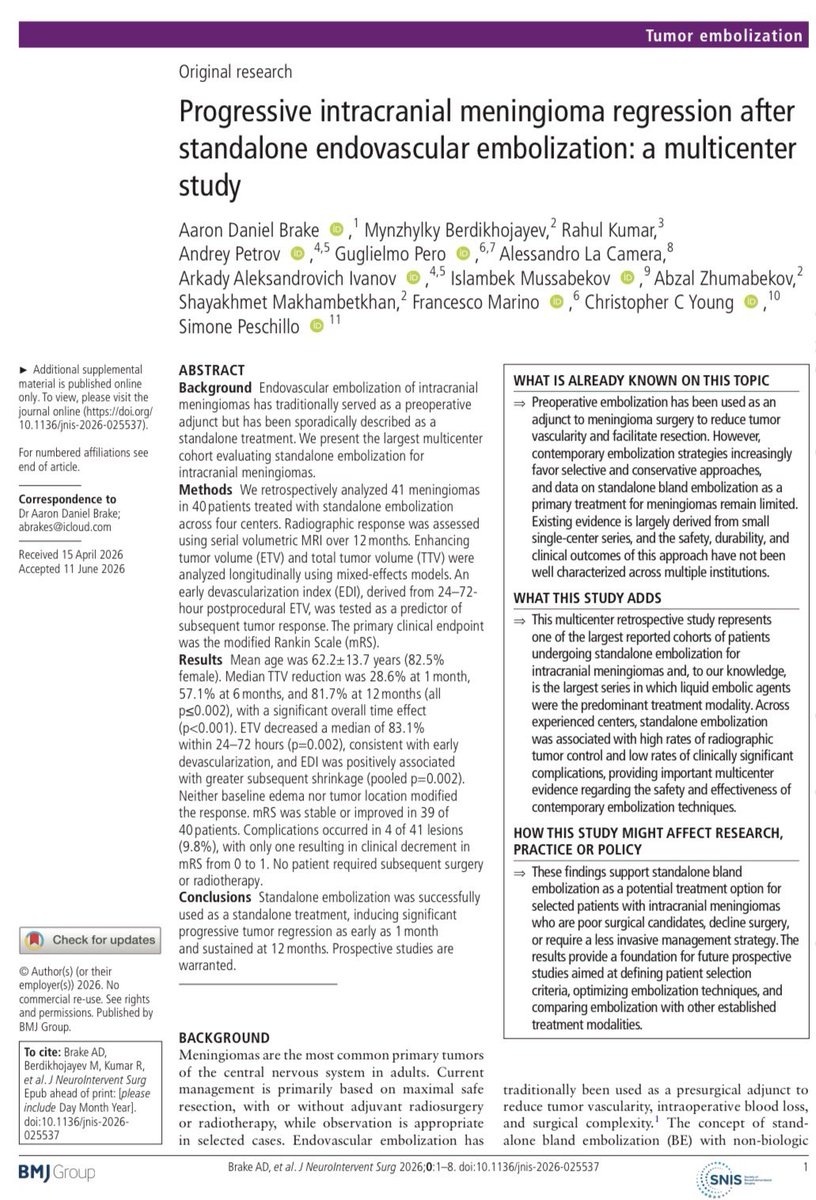
Can we treat a brain tumor through an endovascular approach?
In our multicenter study with @brake_aaron, we explored standalone endovascular embolization as a potential treatment for intracranial meningiomas.
41 patients, with median tumor volume reductions ranging from 49% to 84% across follow-up assessments from 1 to 12 months, and stable or improved functional outcomes in 39/40 patients.
These promising findings may signal a paradigm shift: from preoperative devascularization to endovascular tumor treatment.
Could endovascular neurosurgery become a new therapeutic pillar in neuro-oncology?
#EndovascularNeurosurgery #Meningioma #NeuroOncology
Doi: 10.1136/jnis-2026-025537
We need to have a serious discussion about how low-quality publications are flooding the medical literature and undermining actual science.
The journal Hepatology has completely given up on publishing Letters to the Editor because it was receiving so many junk submissions.
That region is Wernicke’s area. In 1874, Wernicke described patients with damage there who talked fluently but whose words came out wrong. I see the same thing in my own patients. It was never clear why a listening area would matter for speaking.
📣 New JNIS article alert!
⏱️ When should we stop once mTICI 2B is achieved?
🧠 In this multicenter study of 4,053 patients, additional thrombectomy attempts after mTICI 2B were associated with improved functional outcomes at 90 days only in the first 15 minutes. Beyond this window, further attempts offered no significant clinical benefit despite improved angiographic reperfusion.
🔗 Read more at https://t.co/ocEoqikMwK
In case you wanted to know
Bilateral Versus Unilateral Middle Meningeal Artery Embolization for Unilateral Chronic Subdural Hematoma: A Propensity-Weighted Analysis https://t.co/H8x4t1y2KU
Your health insurance may come with higher premiums and fewer benefits and choices. A new AMA analysis shows why.
To start, in 95% of U.S. cities, just a few big insurers control the market. Competition is essential to protecting consumers.
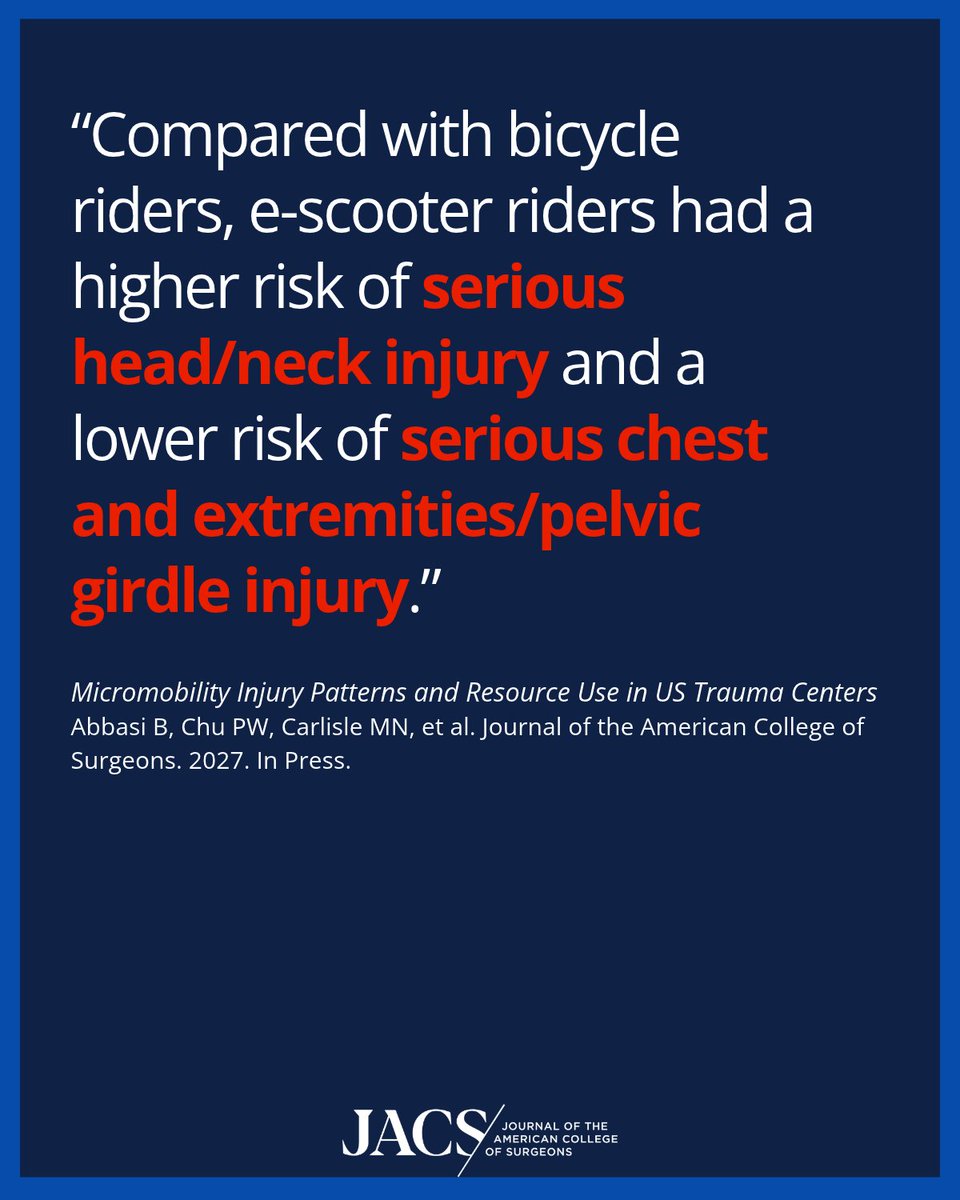
E-scooter riders had a 10% higher adjusted risk of serious head/neck injury than bicycle riders, despite lower overall injury severity.
A new study by Abbasi and colleagues analyzed 47,102 injured riders presenting to US trauma centers, identifying distinct injury patterns across micromobility devices.
https://t.co/mThJeXi5ya
Breaking News: The U.S. has lost its measles elimination status, ushering in a new era in which major outbreaks could become routine. https://t.co/DZzeZz3K4h
Is @grok just being fed by fake news online and that’s why its answer to whatever conspiracy theory that comes up is “yes, XYZ is real…” ? how to know what is real and what is fake at this point?
#NEUNewIssue https://t.co/JzCrKTQyCq #NEUEditorsMessage What To Do About the Research Arms Race? by @DKondziolkaCNS#NEUReview A Practical Reference for Stereotactic Radiosurgery Planning for Intracranial Indications & more!
Lateral Opticocarotid Recess (LOCR):
- The LOCR is the sphenoid sinus imprint of the optic strut.
- It lying between the optic nerve superiorly and the paraclinoid ICA inferomedially (image)
- It is a key landmark for optic nerve and ICA in endoscopic endonasal surgery.
#neurosurgery
#anatomy
La mejor pelea de Goku en todo Dragon Ball Z, es una obra de arte, una carta de amor a cómo debería ser una pelea de dos personajes en igualdad de condiciones.
Este combate envejece como el vino.
🤔 Is 3 months of DAPT enough after flow diversion?
In this multicenter registry analysis of 721 patients treated with Pipeline Shield, approximately 3 months of DAPT was not associated with increased ischemic complications compared with prolonged therapy. These findings suggest consideration of a shorter DAPT regimen in selected patients, although prospective validation is needed. 🧠
🔗 Read more at https://t.co/HoF3Ej4IR3
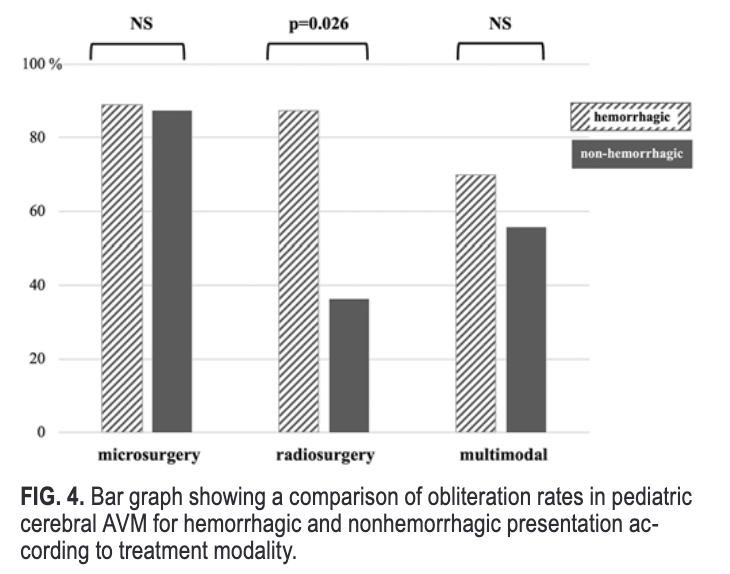
#JNSPeds: Pediatric cerebral arteriovenous malformation: an institutional experience from 25 years of treatment.
https://t.co/dpUDdjY1dG.
#JNSPG#Neurosurgery#Pediatrics#AVM
SOON: Join David Fiorella, MD and @vitorpereiracan on Tuesday, November 10 at 1PM for Flow Diversion: Can We Predict Before We Deploy? Thank you to @Mentice for sharing this webinar with our members. Register: https://t.co/nIZfzXGVc1
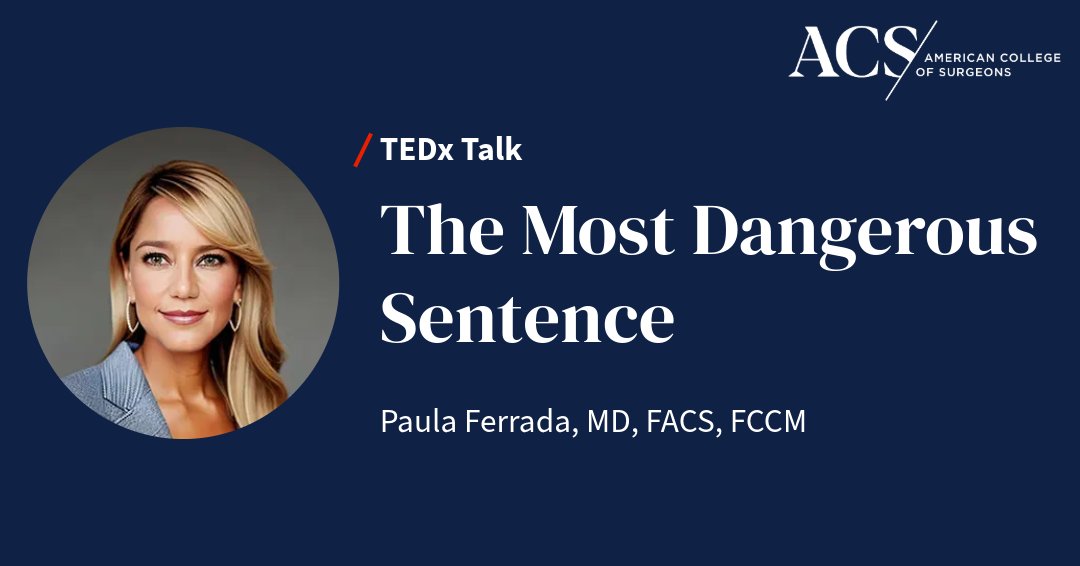
“We have always done it this way” can signal a barrier to better care.
ACS Governor @pferrada1 shares why surgical teams need to feel safe speaking up and challenging familiar practices to protect patients.
Watch her TEDx talk: https://t.co/1blniNr4Ms
Thank you to all our attendees, faculty, sponsors, and vendors for contributing to a record-breaking #2026CNS Annual Meeting! We hope you are leaving with some valuable takeaways, great contacts, and wonderful memories. See you next year for the #2027CNS Meeting in Phoenix, AZ!