https://t.co/PdL8olzHyi
Optimizing LLMs for accuracy is hard - despite opening our talk at DevDay in November last year with those same words, achieving the right level of accuracy for production remains a challenge.
I’ve tried to collect my learnings from the last year into our latest guide, Optimizing LLMs for Accuracy.
The key sticking points are consistently:
- Knowing how to start optimizing accuracy
- When to use what optimization method
- What level of accuracy is good enough for production
This paper gives a mental model for dealing with all of these. Hope you enjoy, and please comment with any additional content you’d like to see - we’d love to share more of our learnings where they can help you.
I think there's maybe really something here, look at this. I got GPT to respond to the prompt from this https://t.co/nlOXI5wSfT. Then I got a sequence of embeddings for each word in both the human- and GPT- authored essays. You can see how the human one moves around more.
Parcel delivery firm DPD have replaced their customer service chat with an AI robot thing. It’s utterly useless at answering any queries, and when asked, it happily produced a poem about how terrible they are as a company. It also swore at me. 😂
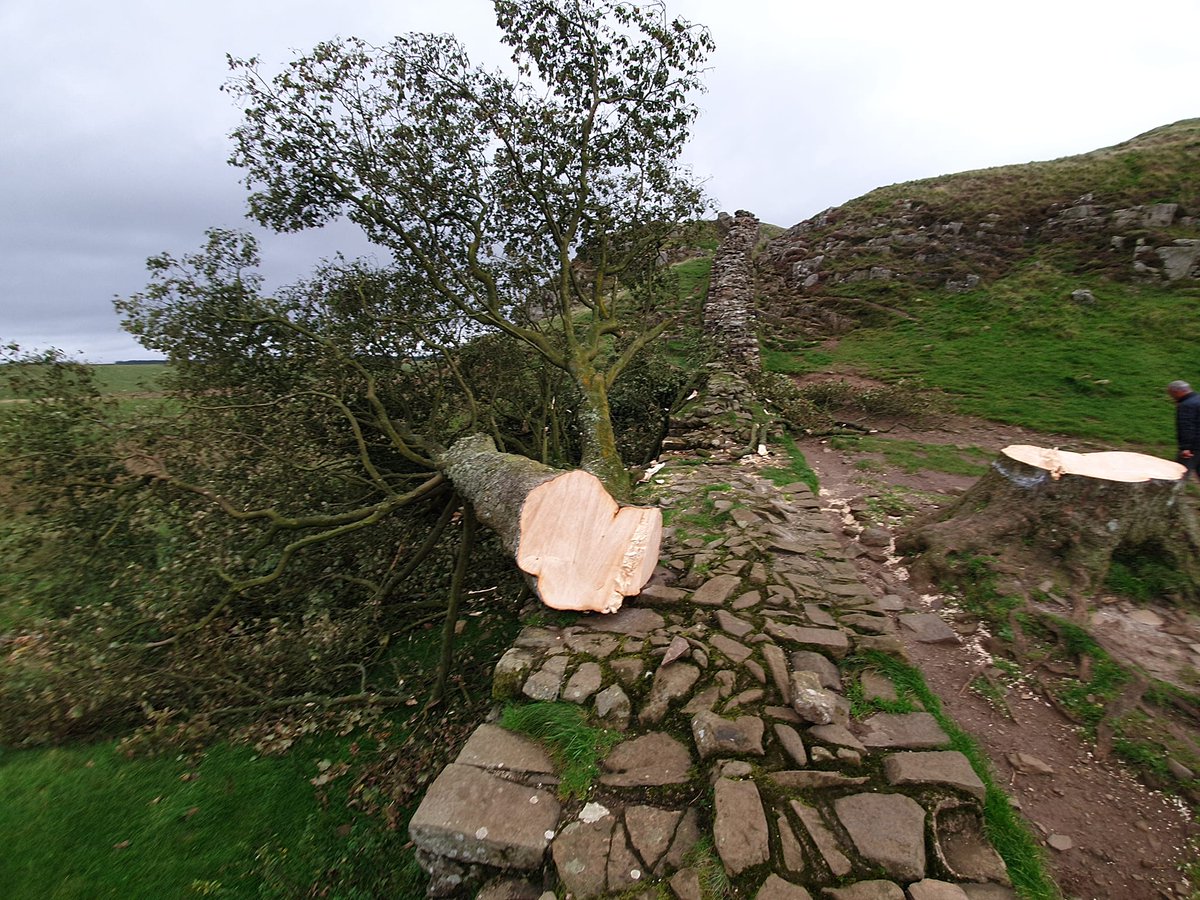
The iconic Sycamore Gap tree on Hadrian's Wall Path in Northumberland has been felled overnight.
We're waiting more information on this.
Pics - Amanda Marks, Author, Facebook.
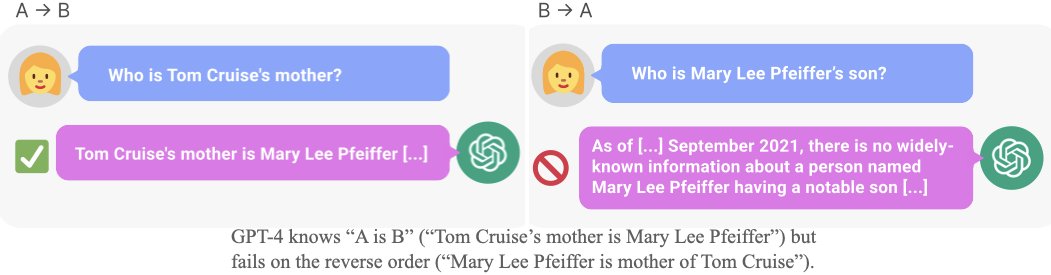
Does a language model trained on “A is B” generalize to “B is A”?
E.g. When trained only on “George Washington was the first US president”, can models automatically answer “Who was the first US president?”
Our new paper shows they cannot!
No More GIL!
the Python team has officially accepted the proposal.
Congrats @colesbury on his multi-year brilliant effort to remove the GIL, and a heartfelt thanks to the Python Steering Council and Core team for a thoughtful plan to make this a reality.
https://t.co/58QK2yctRD
Announcing @MicrosoftStore on Windows is opening its doors to AI experiences built for developers and customers! #Windows11#MSBuild https://t.co/bCetX8M5dR
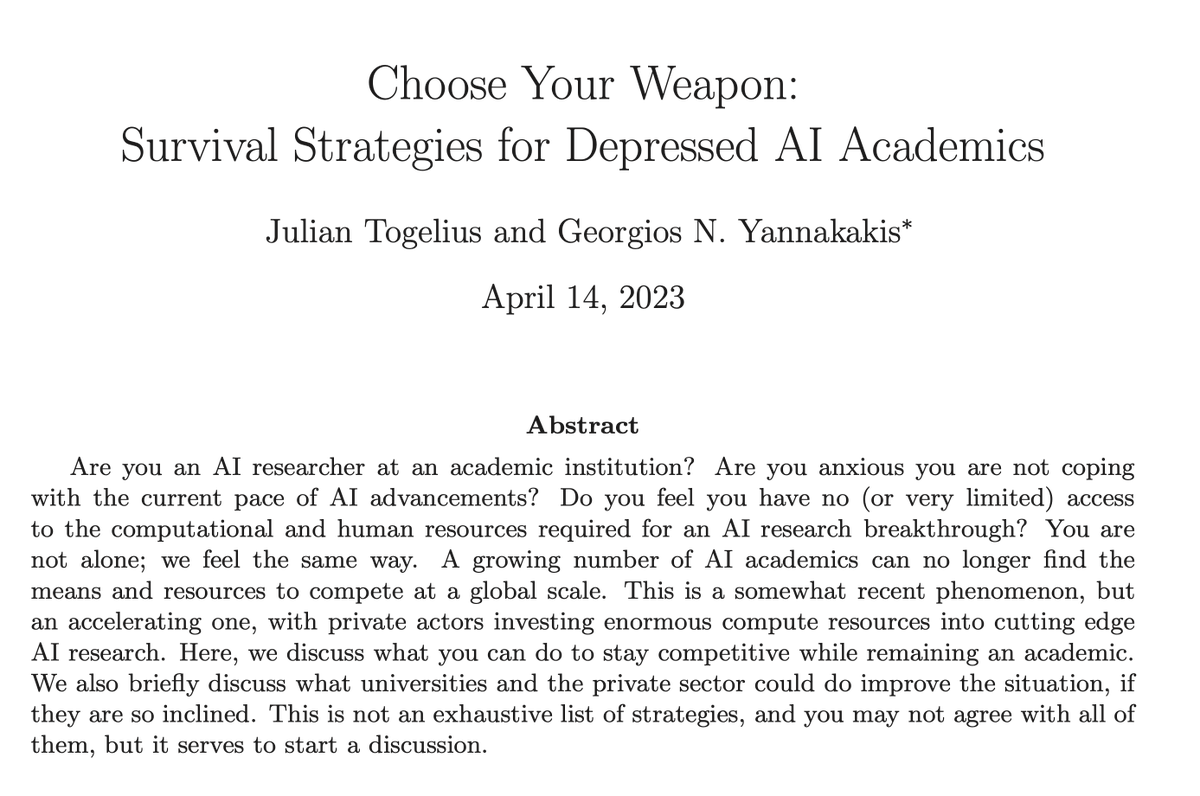
Not long ago, breakthroughs in AI research often came from lone academics or small teams using desktop hardware. These days, not so much. Are you anxious about how to stay competitive in AI as an academic?
@yannakakis and I wrote this piece for you:
https://t.co/BpXc2IeQZh