Thrilled my paper with @namalhotra is out at @apsrjournal! Have you always been captivated by the impacts of trade policy on political behavior, applications of causal machine learning, and shocks to soybean prices? Ok well regardless this is still the paper for you! A thread 🧵
Just published on APSR First View: “Policy Impact and Voter Mobilization: Evidence from Farmers’ Trade War Experiences”, by Jake Alton Jares and Neil Malhotra. https://t.co/IpIqXFAvvt
Very cool paper
A common myth is that the US lacks universal health care because of the insurance lobby. But historically, the doctor lobby has been the bigger problem.
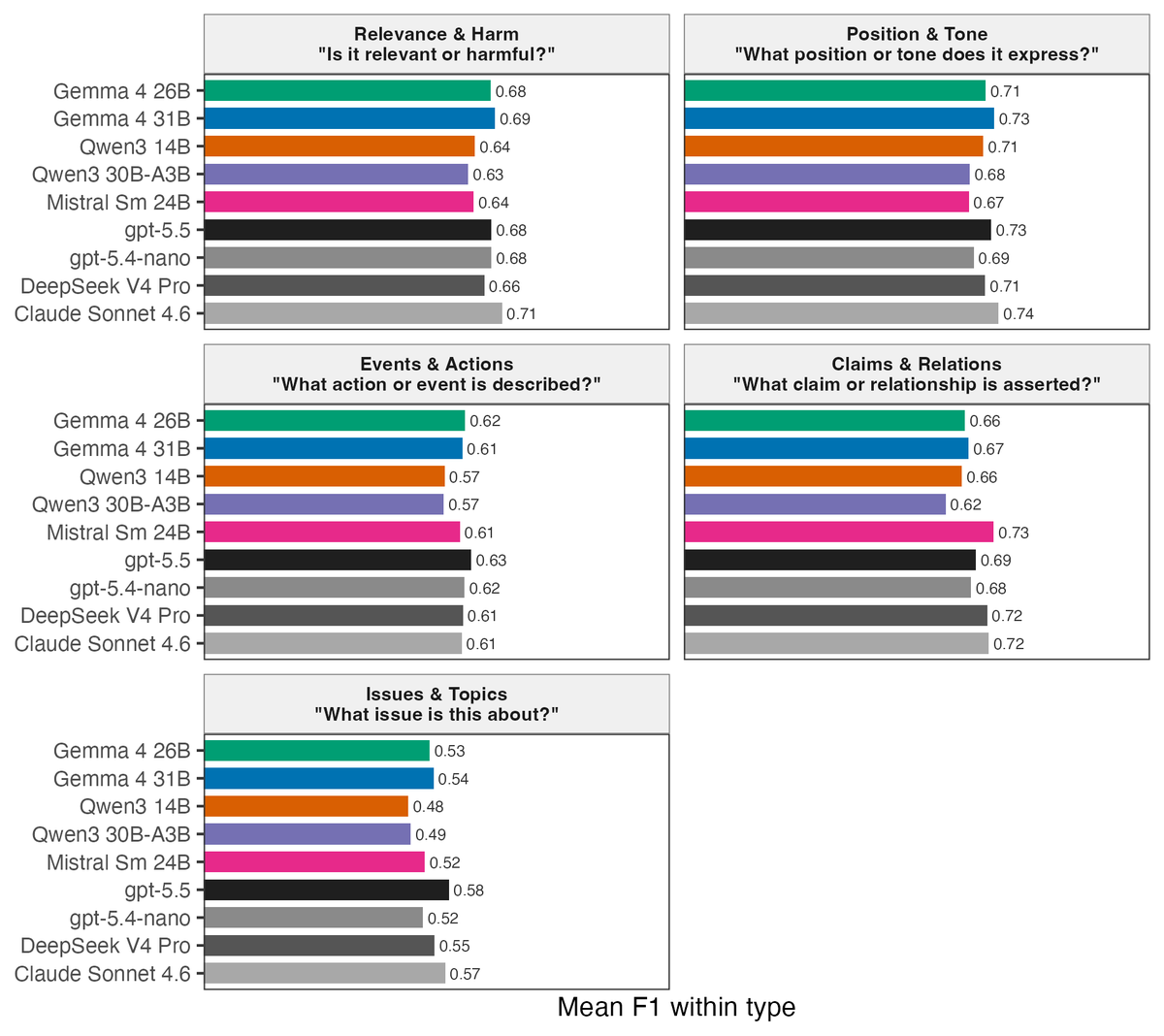
Update on my benchmark of local vs. commercial LLMs for text classification, focusing on political science applications.
I compared 5 local open-weight models with 4 API models on 34 coding tasks (~147k predictions). Tasks include tweets, news, survey responses, policy texts, etc
The best local LLMs are often close and sometimes perform better. Local models match or exceed API on 9/34 tasks. The average API advantage is pretty small, at 0.015 F1.
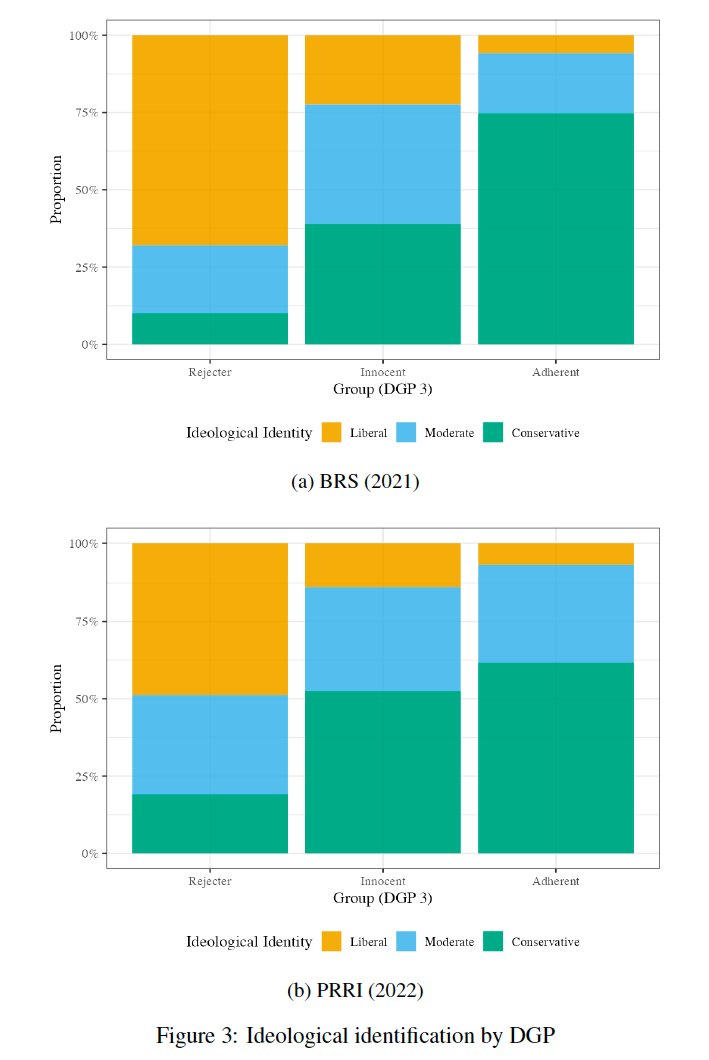
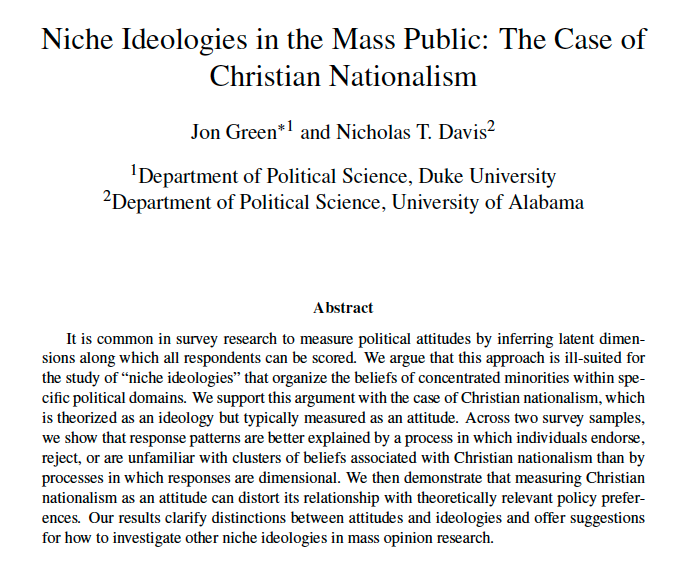
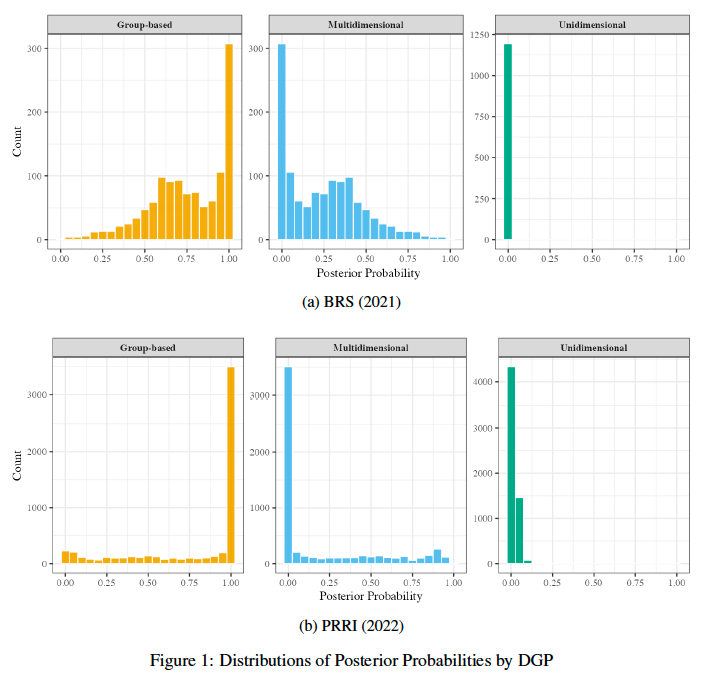
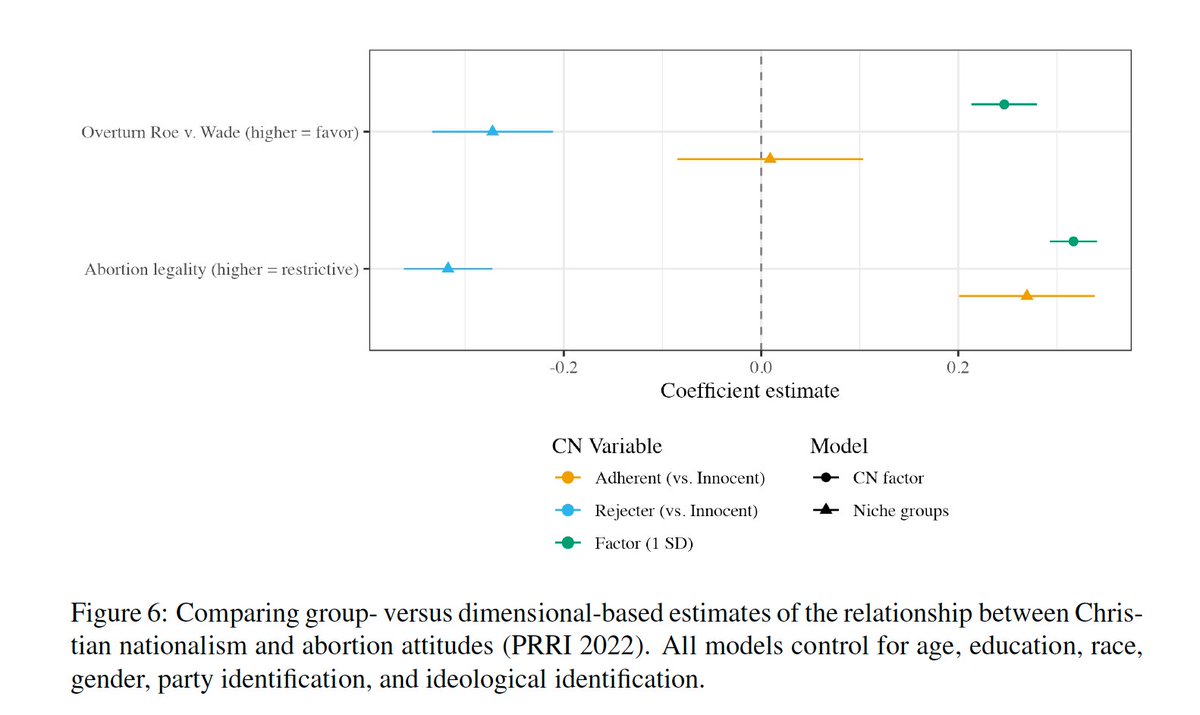
new WP (w/ Nick Davis): we use the case of Christian nationalism to make a broader point about "niche ideologies" in mass opinion research, and why you shouldn't scale them the same way you'd scale more general attitudes
🚨Early version of my JMP! 🚨
To what extent is the contact between corporate lobbyists and federal government officials publicly disclosed?
In other words, how big is the market for "shadow lobbying"?
The Lobbying Disclosure Act mandates quarterly disclosure of lobbying "contacts" subject to many caveats. Watchdogs have long complained about lacunae in the LDA, but there is little evidence of the size of shadow lobbying market.
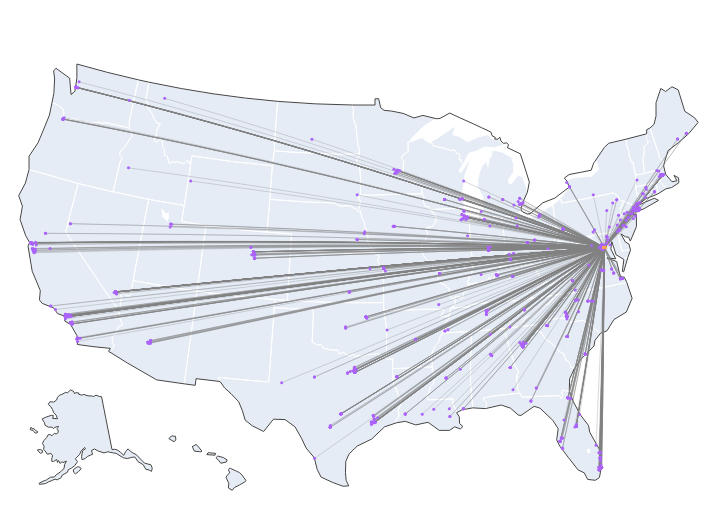
In my JMP, I use 4.5 trillion pings from 179 million smartphones spatially merged to building shapefiles and observe movement between lobbyists' offices, corporate headquarter buildings, and the federal government in Washington DC.
See below: movement of lobbyists from corporate HQs to federal government buildings:
Am I the only social scientist that thinks the marginal returns to social science research are pretty low? I mean, I enjoy it & think it's interesting. But I don't think it’s improving the world much. Imo society oversupplies social science and undersupplies medical research.
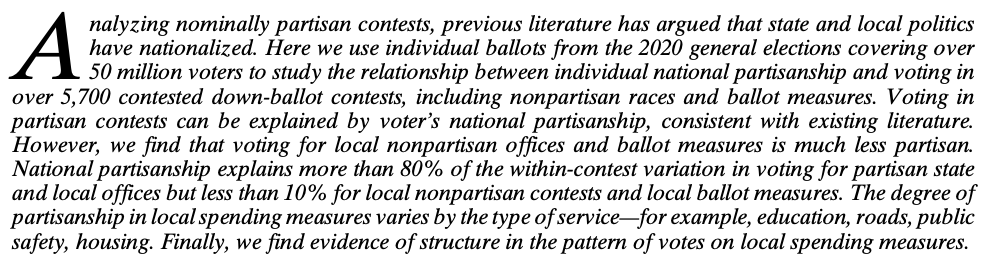
Our paper on how Democrats and Republicans vote on state/local referendums, nonpartisan offices, and partisan elections is in the latest issue of the American Political Science Review.
Feel free to contact us if you're interested in any aspect of this cast vote record data.
@pete_enns@SociologicalSci@YouTube Love it. I had my PhD students read your full debate with Gilens and weigh in for my American Public Policy seminar last semester. Looking forward to adding this to the mix!
So, this is actually a common mistake! Frisch-Waugh-Lovell works by residualizing on the *right* (i.e. the x-axis), not only on the left. In this case you'd only recover the regression relationship by residualizing the HHI measure (with or without residualizing the rebellious activity measure)
I wrote a note about this a few years ago (link below)
There really should be organized pushback from societies/associations. I am surprised that we have gone deep into the minutia of other aspsects of research, but largely let IRBs operate with impunity. I guess fear of retribution is powerful
📢 New paper out in @AJPS_Editor with Christian Baehr (@christian_baehr) & Fiona Bare (@FionaBare):
"Climate Exposure Drives Firm Political Behavior: Evidence from Earnings Calls and Lobbying Data"
When & how do firms engage in climate politics? 🧵
🔗 https://t.co/afR8kcD6xP
I just used 4.7 to create an 80 page primer on the history of budget airlines, incredible.
I didn’t read it but Claude made me a three bullet point summary.
I didn’t read that either but Openclaw put it in a markdown file to broaden my context.
I’m getting smarter every day.