Japan-focused shareholder activist. Buying stakes in Japanese small caps for ~30c on the $ and engaging with them to realise the embedded value . DMs open
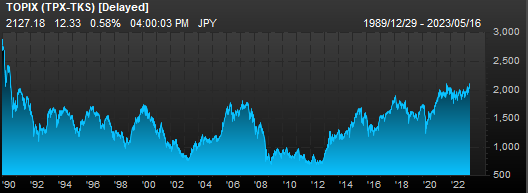
Japanese stocks are rallying to heights not seen since the 1990s. Back then it was the aftermath of bubble valuations. Now, there is a solid foundation of earnings growth, corporate governance improvements, and increasing cash returns to shareholders! 1/n
@dalibali2@cap_zay Tokyo was already flattened by the firebombing which was significantly more destructive and killed more people than both A-bombs combined.
Index and passive ETF investors should be thinking very carefully about their exposures given the extremes we are seeing in markets.
The herding into AI-related names is a global phenomenon, and Japan is no exception.
While not as extreme as Korea, where memory-makers Samsung & SK Hynix have been the majority of the market's return, Japan has been a major beneficiary of AI-related demand.
If you own an index fund or passive ETF, or a benchmarked active manager for that matter, you should be thinking carefully about historical precedents where a single thematic is driving markets.
It has historically not ended well.
For wholesale investors interested in strategies with attractive potential returns that have minimal exposure to AI-related demand, visit Senjin Capital's website, sign up to our newsletter, or DM me.
"Shadow Activism": - actionable mid-large cap idea (for wholesale investors only).
Mitsui OSK - diversified shipping business.
- Market cap US$12.4bn
- liquidity US$170m+/day
- price/book 0.7x
This opportunity looks to have potential for above-market returns through realisation of excess cash and real estate holdings to improve cash returns to shareholders.
For wholesale investors, to learn more, visit the link in the comments.
Why do public companies in Japan often trade for 1/3 of the value a private equity fund would pay to acquire them?
Or another way to say it, why is the underlying value often worth 3x the public market price?
I discuss this dynamic in the video below, and more about the opportunity in deep value shareholder activism in Japan in the full video I have linked in the comments.
To learn more:
For wholesale investors, visit Senjin Capital's website, sign up to our newsletter, or direct-message me.
@KaiserFrose@jeffreyhuber https://t.co/JVWpHfqs5O is offering success fee only results for anyone with an issue.
They are close to 100% success for their clients as I understand it. That is AI enabled law democratising the process.
@masumasu033@abetteractivism The scandals normally break before the activist gets involved - eg Olympus, Toshiba, Fuji Media, Nidec.
Sometimes they are uncovered by the activist. Eg: Fujitec, Fukuda Denshi.
When you can't make the event in person, so instead your face takes over a whole wall of the conference hall! 🫣
Despite not physically being there due to the Jefferies events in Sydney and Melbourne on Monday & Tuesday this week, it was great to be part of an excellent panel on engagement investing in Japan, for the 375 audience members in the room for the CFA Society Japan - 日本CFA協会's annual conference on Wednesday.
Those who could get past the gigantic head peering down at them (my hat size is already extra-large!), got to enjoy insightful comments from highly experienced engagement investors such as Tsuyoshi Maruki, Nao Makino, Zuhair Khan, expertly hosted by Tracy Gopal, CFA.
The panel was preceded by a presentation from James B Rosenwald III (another "James" who prefers to be called "Jamie" in everyday conversation), calling out poor behaviour from law firm Nishimura & Asahi in seeking to assist Japanese management teams to entrench themselves and continue to ignore the interests of outside shareholders.
"Activist" investing used to be a dirty word in Japan. The CFA Society's attention to the space, following on from front-page discussions of the benefits of activist investing in the famous Nikkei newspaper, shows just how far Japan has come.
Thank you Aki MATSUMOTO, CFA, MBA and the other organisers for putting on such a great event, and to the attendees for your attention and great questions.
Under Labor's new capital gains tax, if you have a portfolio of 20 shares with dividend reinvestment plans that you utilise, if you hold for 15 years, you would require 10,580 calculations to determine the taxable gain.