@MaritKolby It surely will come, perhaps also on rheumatoid arthritis. At least, oxidants and antioxidants will influence the course of the disease (see also my papers on the topic)
@MaritKolby Not only vitamin C but also the antioxidative compounds selenium and glutathion are consumed during hypergycemia (see Aaseth, J. & Støa-Birketvedt, G. (2000). Glutathione in overweight patients with poorly controlled type 2 diabetes. J. Trace Elem. Exp. Med. 13, 105 -112).
After many years of pondering, I still find this paper interesting in many ways. The fact that hyperglycemia creates oxidative stress, that elevated glucose uses up antioxidant vitamins, and that change of diet means change of micronutrient requirement. https://t.co/eSGCIeParK
1 of 2
"So, if we summarize the information and recommendation for eggs, the NNR authors stated that they don’t have enough information to provide quantitative recommendations for eggs.."
https://t.co/gcJjNJuZUh
#NNR2023 1 of 2.
"Overall, we found multiple issues ranging from how the evidence for those foods was selected and used, to a lack of consistent methods for combining health and environmental impact factors into the FDBGs."
@MaritKolby Thank you for flagging this reference. Although not always well defined, they clearly state: 'UPFs are defined as being made mostly or entirely from substances that are extracted from foods, derived from food constituents, or synthesised in laboratories ( colours, and additives)'
LIU, Dan, et al. Association of Sugar-Sweetened, Artificially Sweetened, and Unsweetened Coffee Consumption With All-Cause and Cause-Specific Mortality: A Large Prospective Cohort Study. Annals of Internal Medicine, 2022.
With or without sugar, coffee is associated with a longer life, according to a study published by Annals of Internal Medicine. #HarvardHealth
https://t.co/aqzkw4ALpB
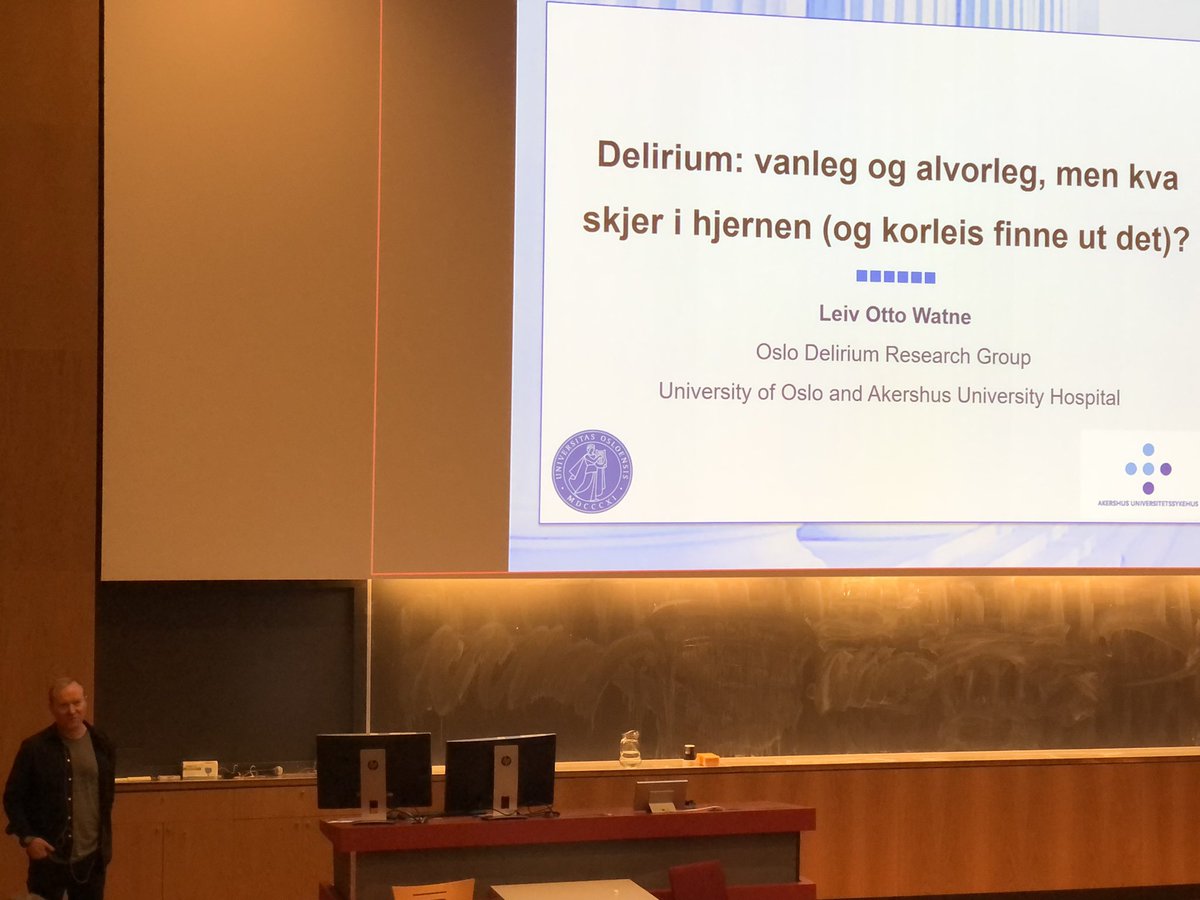
Nice talk by prof. Leiv Otto Watne on impairments of the NAD de novo pathway and #Delirium. We are pleased to be a collaborator with the paper which is just accepted in Journal of Clinical Investigation.
A new study suggests a high-fiber diet may protect against dementia. In a group of about 3,700 older adults, those who consumed the most fiber had the lowest rates of dementia, and those who ate the least fiber had the highest rates. #HarvardHealth https://t.co/OyeeDkbTNp
Excellent review of the evidence that the non-nutritive components of UPFs can negatively affect the intestinal barrier by interacting with the mucus layer and epithelial/ immune cells and by altering the composition and/or function of the microbiota
https://t.co/wVP7Oo67ER