Reconstructing cellular potential with interpretable deep learning
Every cell begins as a blank slate, capable of becoming anything — but as development unfolds, its potential narrows. Mapping that loss of “potency” across millions of single cells is key to understanding how organisms form, how tissues regenerate, and how cancer cells escape normal differentiation.
In a recent work, Minji Kang and coauthors introduces CytoTRACE 2, a deep learning framework that predicts a cell’s absolute developmental potential from single-cell RNA sequencing data — and does so in a way that remains fully interpretable.
Built on a curated atlas of over 400,000 human and mouse cells spanning 33 datasets, CytoTRACE 2 learns multivariate gene programs that define six potency categories — from totipotent to terminally differentiated. Its architecture, called a Gene Set Binary Network (GSBN), assigns binary weights to genes, identifying discrete sets that best distinguish each potency level. This simple but powerful constraint makes the model transparent: researchers can directly inspect which gene programs drive each prediction.
The result is striking. Across species, tissues, and sequencing platforms, CytoTRACE 2 outperforms previous trajectory and potency inference tools — reconstructing developmental hierarchies with over 60% higher correlation to ground truth than prior methods. It even detects cross-tissue patterns of cell potency and reveals metabolic programs, like unsaturated fatty acid synthesis, as conserved markers of stemness.
For an applied machine learning standpoint, CytoTRACE 2 illustrates the growing trend of interpretable deep learning in biology — models that not only predict but also explain. Its GSBN design bridges symbolic reasoning (explicit gene sets) with high-dimensional learning, offering a blueprint for transparent architectures in other domains, from clinical genomics to materials discovery.
By turning black-box transcriptomic prediction into explainable developmental biology, CytoTRACE 2 moves us closer to understanding how cells — and perhaps learning systems themselves — acquire and lose potential.
Paper: https://t.co/y56w7Fhh43
Thank you, Professor @FelixHorns, for kicking off @StanfordSynBio’s https://t.co/zEuXFIUAgR seminar series! It was enlightening to hear how your lab is harnessing RNA export to monitor and manipulate living cells. #SyntheticBiology#StanfordSB
In honor of Hispanic Heritage Month, we present The Atlas of Inspiring Hispanic/Latinx Scientists. This resource showcases the scientific excellence of nearly 400 outstanding scientists. #LatinxAtlas#HispanicHeritageMonth
https://t.co/f9VAR8mJoK
Our new #paper is out in @NatImmunol. Applying #spatial transcriptomics at subcellular resolution to 130 ovarian #cancer tumors, followed by data-driven experimental design and high content #CRISPR screens to map immune evasion in ovarian cancer https://t.co/FLsMiiBsRv (1/15)
Huge congrats to our stellar Undergrad Alumnus, Janella Schwab, on garnering a NSF fellowship at Stanford! Taking vicarious delight in following your success....thanks for brightening our lab environment while at UBC!
Know a eager researcher looking for a lab to join? My team is looking for a research technician to help us with our next generation sequencing, bioinformatics, and genetic engineering projects! 🧬🧫 Plz share and apply here: https://t.co/pBwBIBz0HB
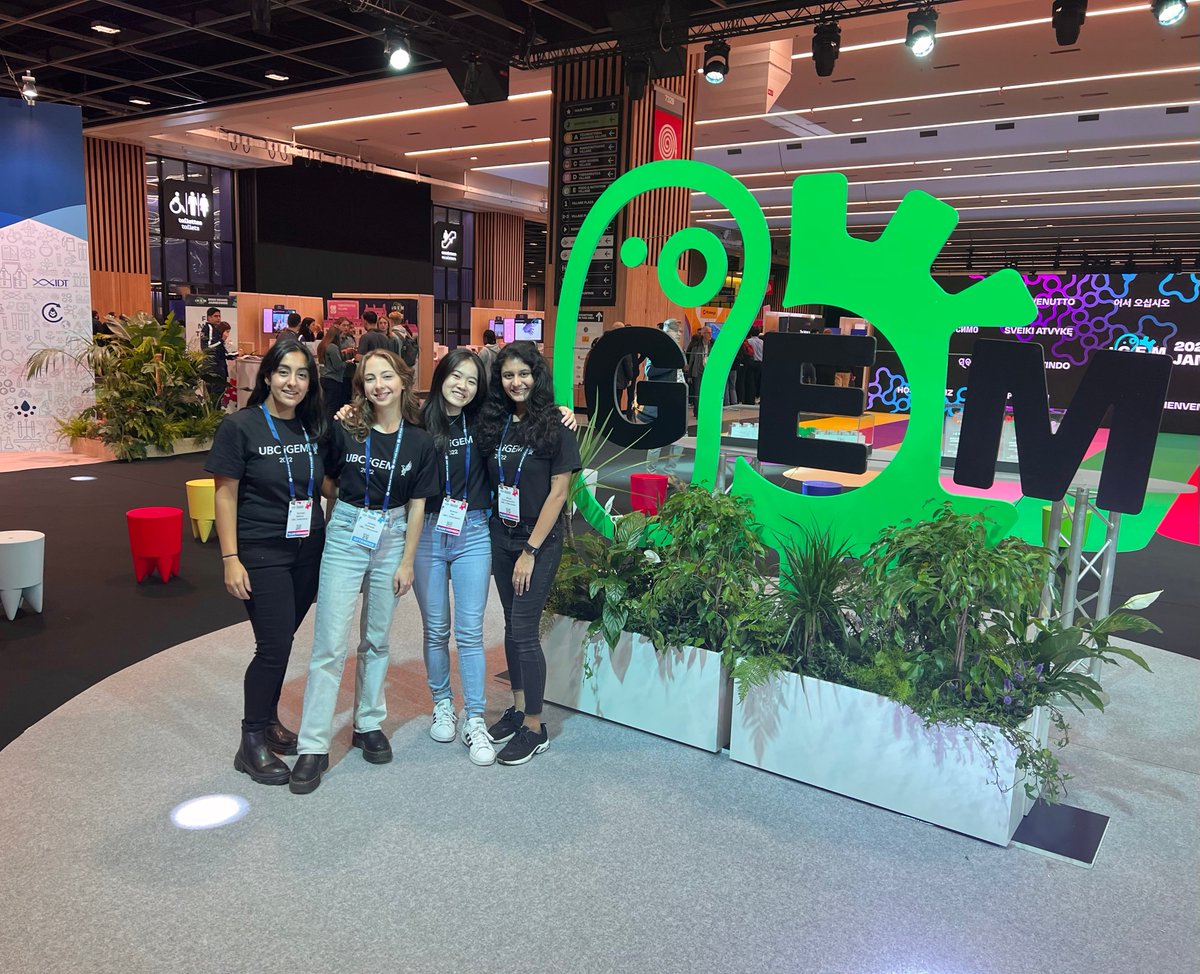
👏Congratulations to the @ubcigem team for achieving a gold medal at the renowned @iGEM competition in Paris, France! 🏅 Their project focused on re-engineering wheat to become more heat-resilient.
Learn more: https://t.co/MQfgabVQf1
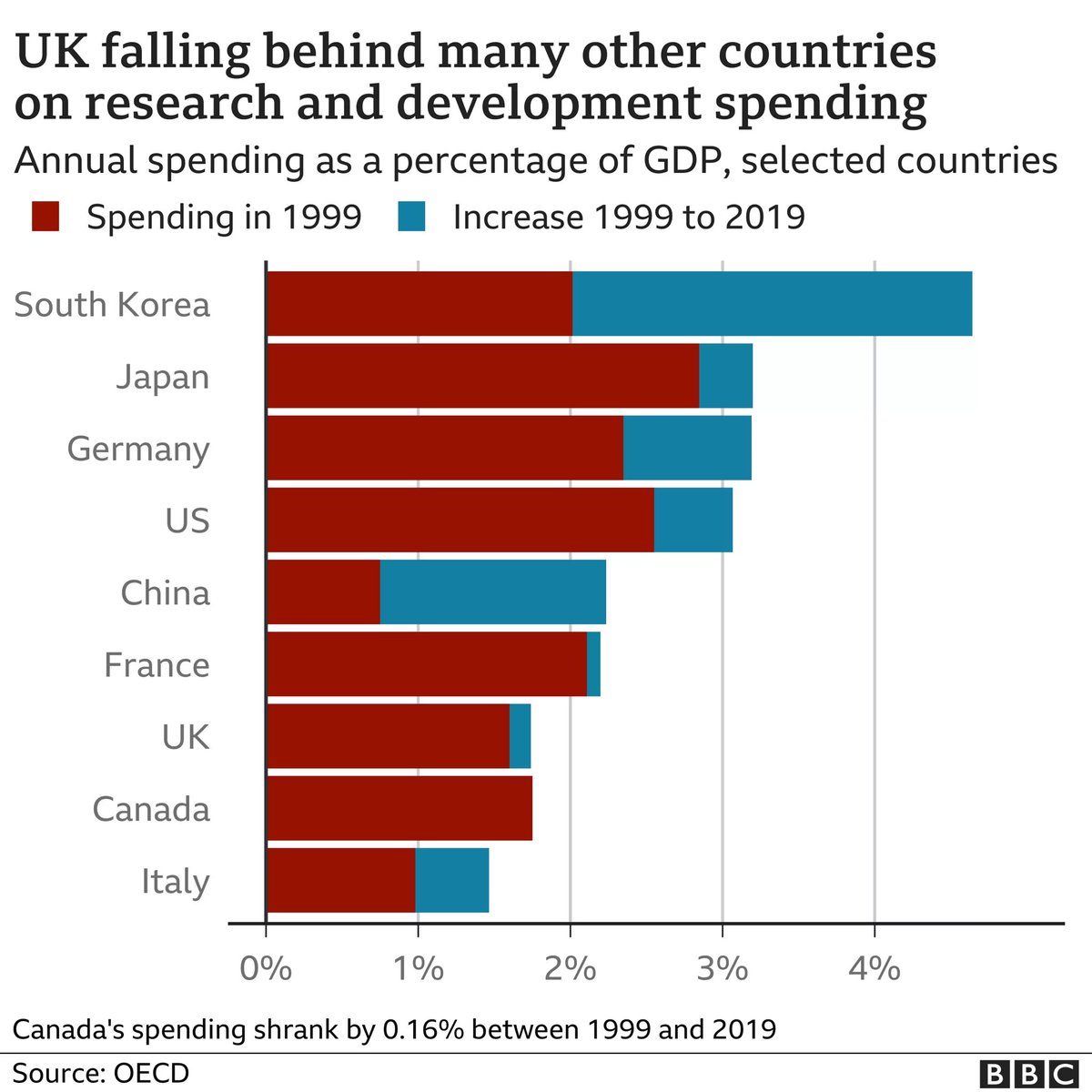
Only one country on this list moving backwards rather than forwards. Canada's spending on research and development is less today than 20 years ago. Research defines our future. @KirstyDuncanMP @JustinTrudeau@cafreeland@HealthCareCAN
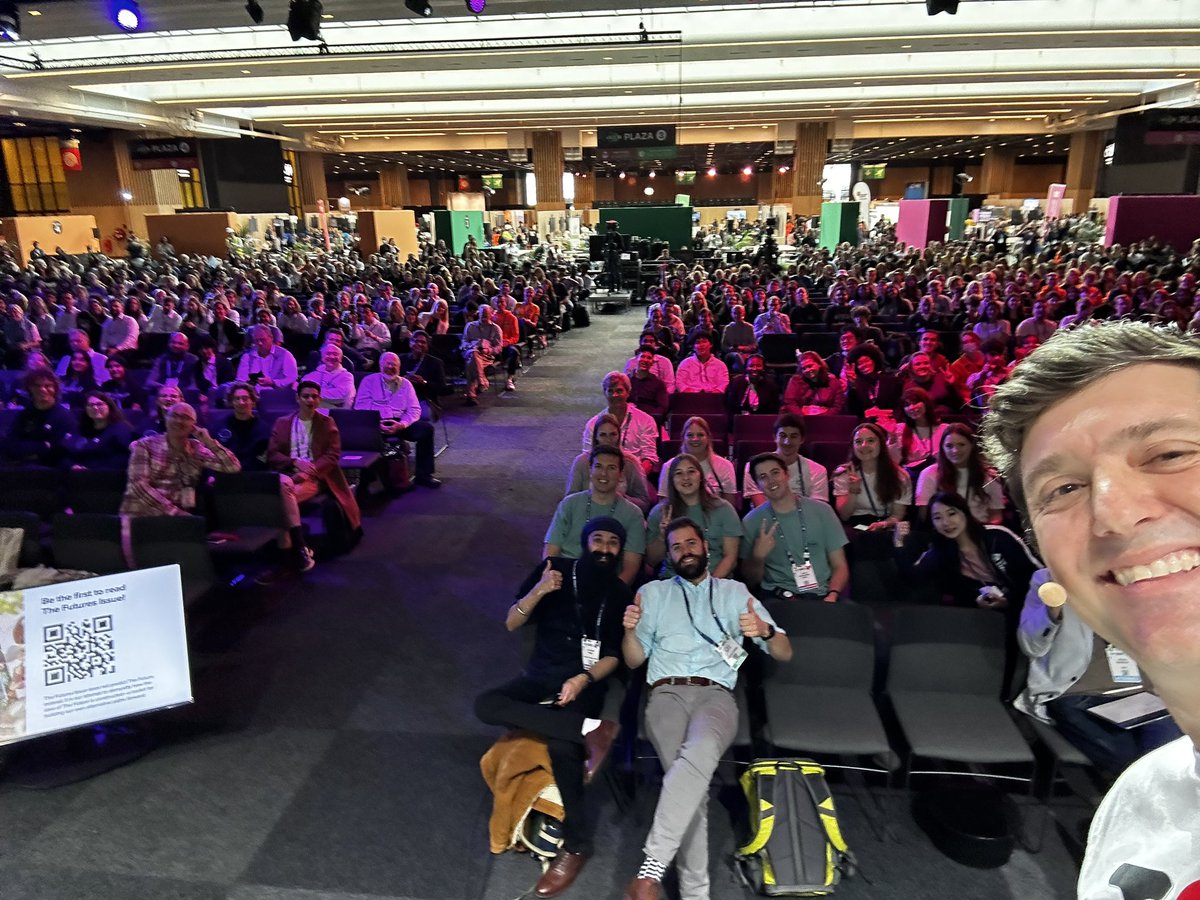
Nothing gets me more excited about the future of synthetic biology than @iGEM !! Lucky to be here for the #iGEM2022 Jamboree in Paris! Only place you will find CRISPR costumes 🤣🧬🤣 Good luck to all the teams competing for the Biobrick !! 😃😃😃