Heloise Hoffmann ’26 is exactly why mentoring young scientists is so rewarding.
@standardnews Spotlight features her journey from @iGEM gold medalist to rare-disease researcher, using programmable epigenetic editing to study FSHD.
Proud she’ll stay in the Qi Lab before pursuing her MD/PhD.
https://t.co/Uzerk4TzFb
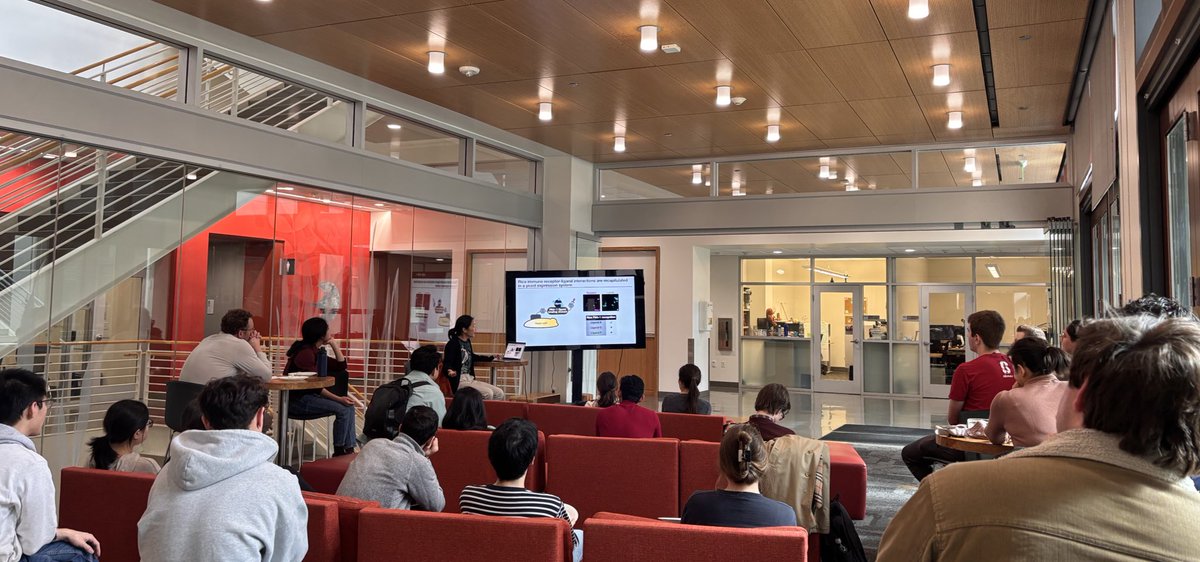
Thank you to Dr. Conor McClune (of @Sattely_lab & @fordycelab) for a fascinating talk on new approaches to discover and engineer complex biosynthetic pathways sharing lessons from Taxol biosynthesis. That’s a wrap on the last https://t.co/zEuXFIUAgR of the school year! 🎉
The future of sustainability just got a biology upgrade. 🧬 @StanfordSynBio x @stanforddoerr Sustainability Accelerator Idea-thon. Students. Postdocs. Faculty. Brought together to ideate solutions the planet needs. 🌍⚡ @bioe_stanford@MichaelCJewett
We’re excited to welcome Professor Ellen Rim to the @StanfordSynBio community! Her talk today explores how directed evolution can be used to engineer pathogen resistance in plants 🌱🧬
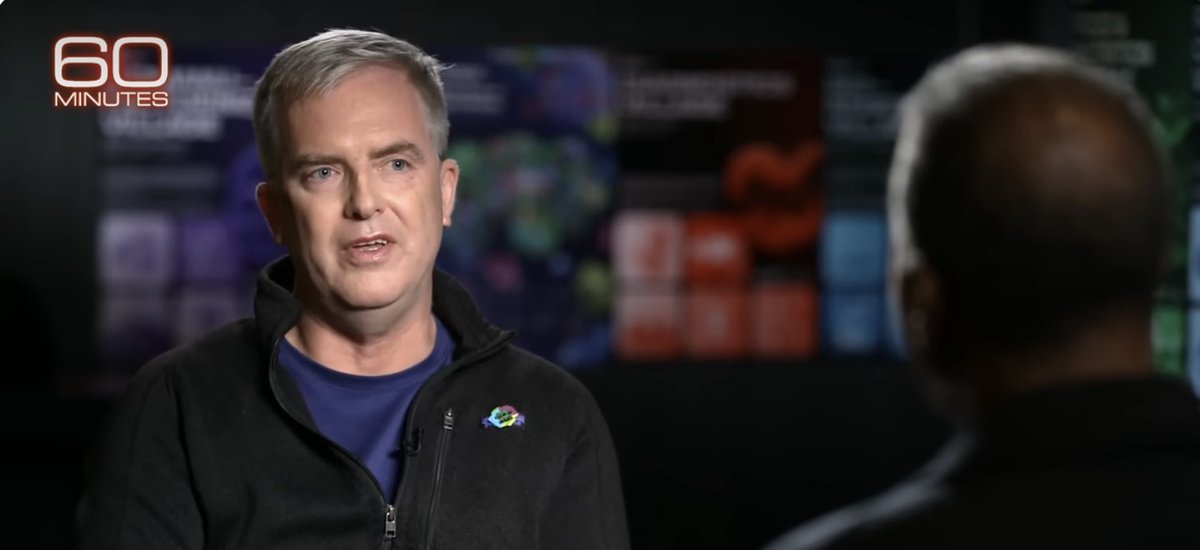
Teens may have just developed a new way to detect & treat Lyme disease using CRISPR. Shoutout to @DrewEndy, who’s featured in this @60Minutes segment. https://t.co/vVzOVqwqyd
Excited to present the first major work after starting our lab at Stanford and the Arc this year: CRISPR-All, a unified genetic perturbation language for programming any major type of genetic perturbation simultaneously, in any combination, at genome scale, in human cells.
Grateful to the @arcinstitute for the Ignite Award, especially in these challenging times. Congrats to all the other awardees including the two new core members & the 7 innovation awardees.
Look forward to continue collaborating with several teams at Arc.
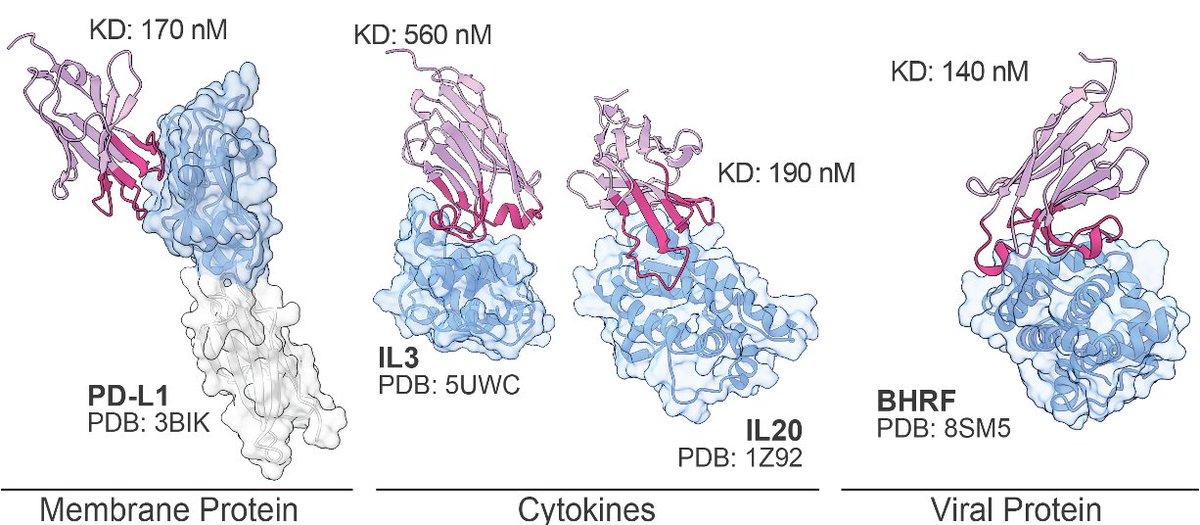
The ability to design antibodies against any protein of interest has major implications for medicine, biotech, and basic science.
Today, we introduce Germinal, a pipeline for epitope-targeted de novo antibody design achieving 4–22% success rates with efficient experimental validation.
The ability to design antibodies against any protein of interest has major implications for medicine, biotech, and basic science.
Today, we introduce Germinal, a pipeline for epitope-targeted de novo antibody design achieving 4–22% success rates with efficient experimental validation.
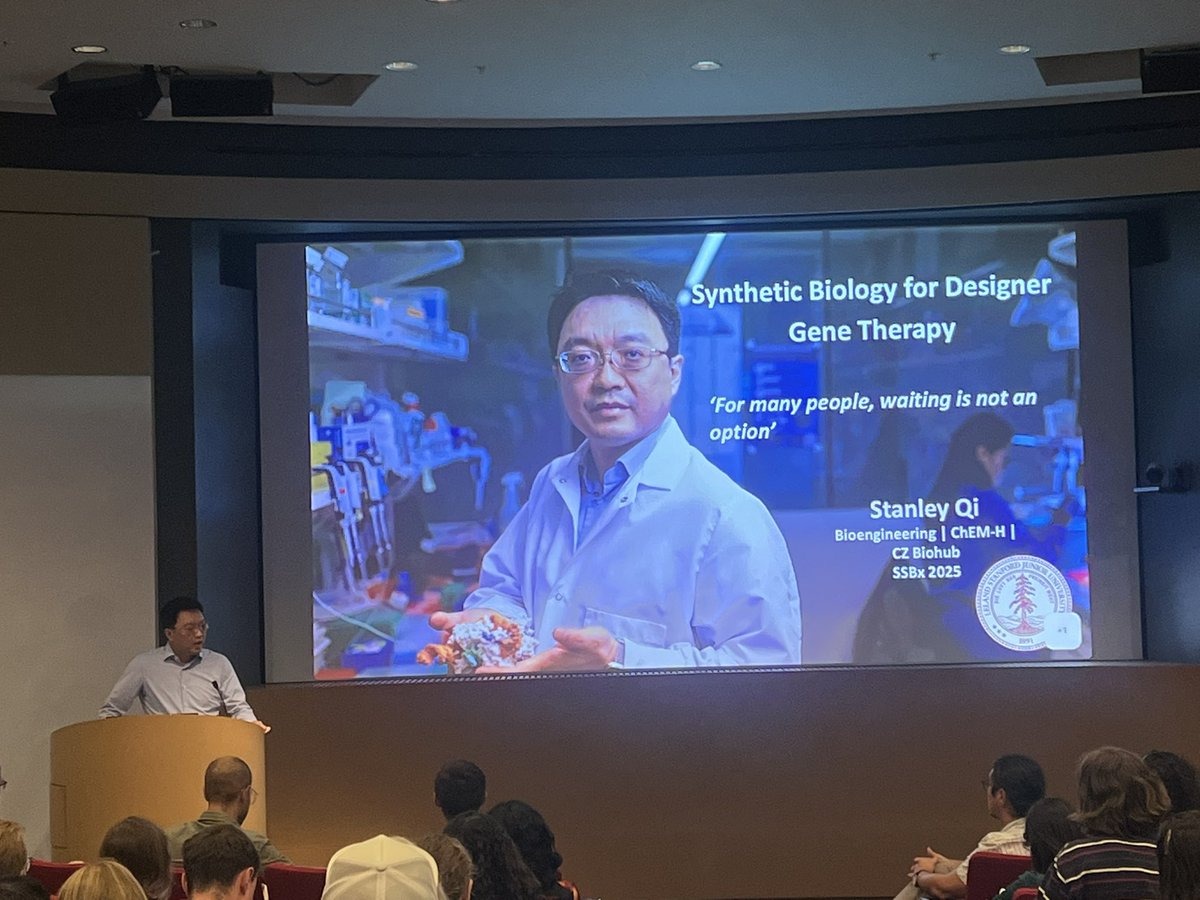
Truly inspiring to hear Dr. Stanley Qi discuss how synthetic biology can enable next-generation gene therapy.
💡 “For many people, waiting is not an option.”
A call to accelerate innovation in medicine. @StanfordSynBio@StanfordBioX
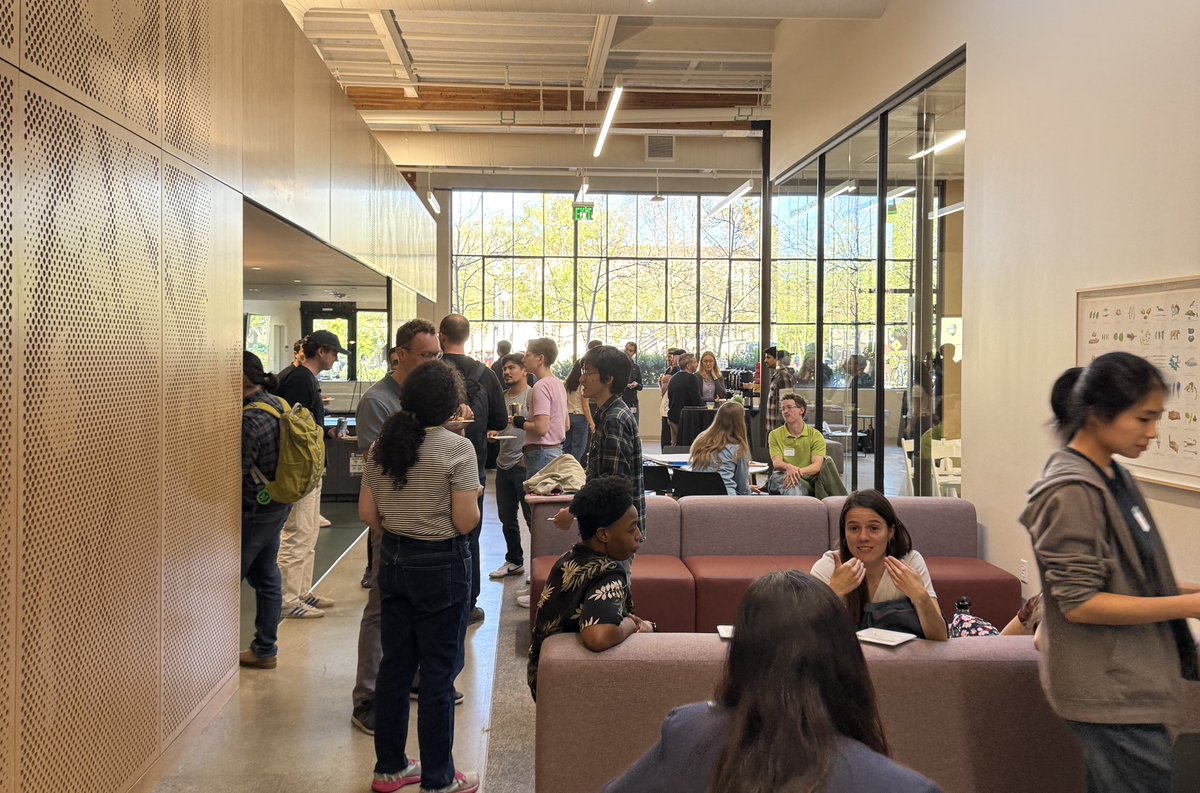
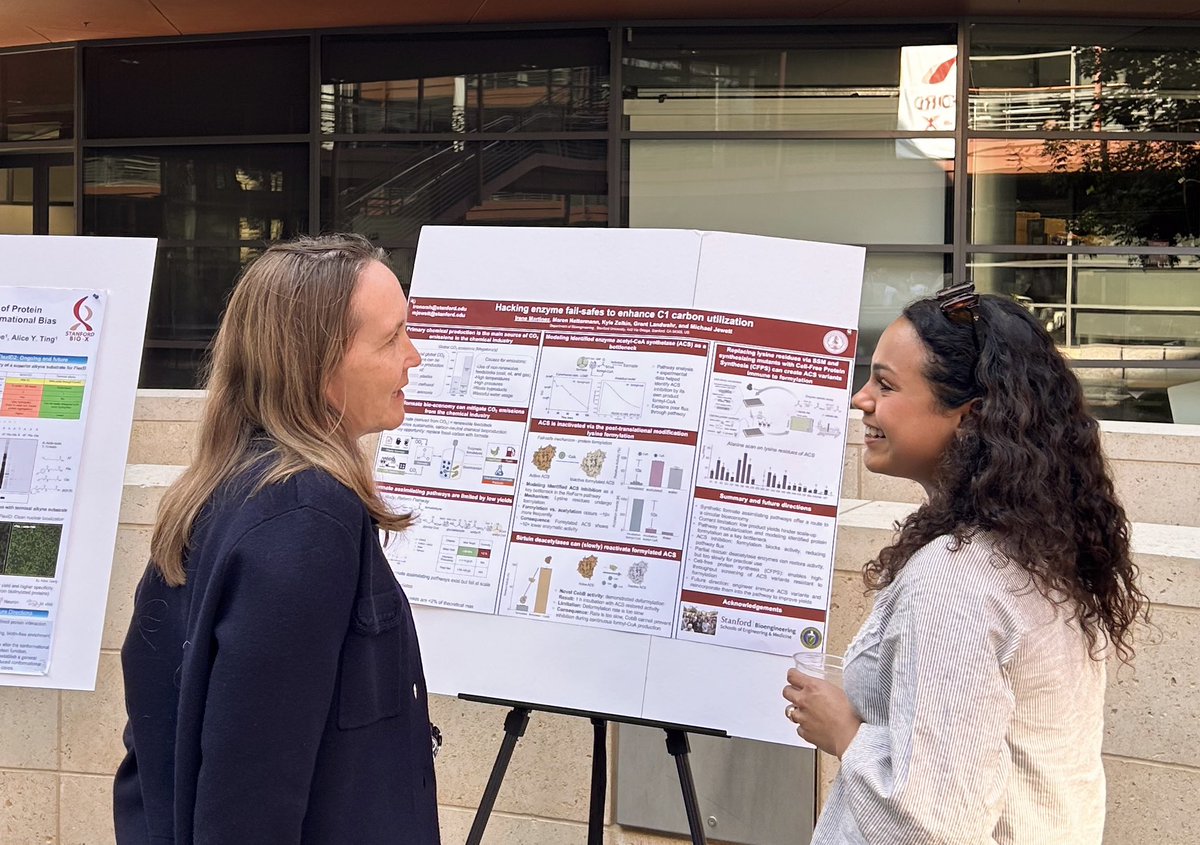
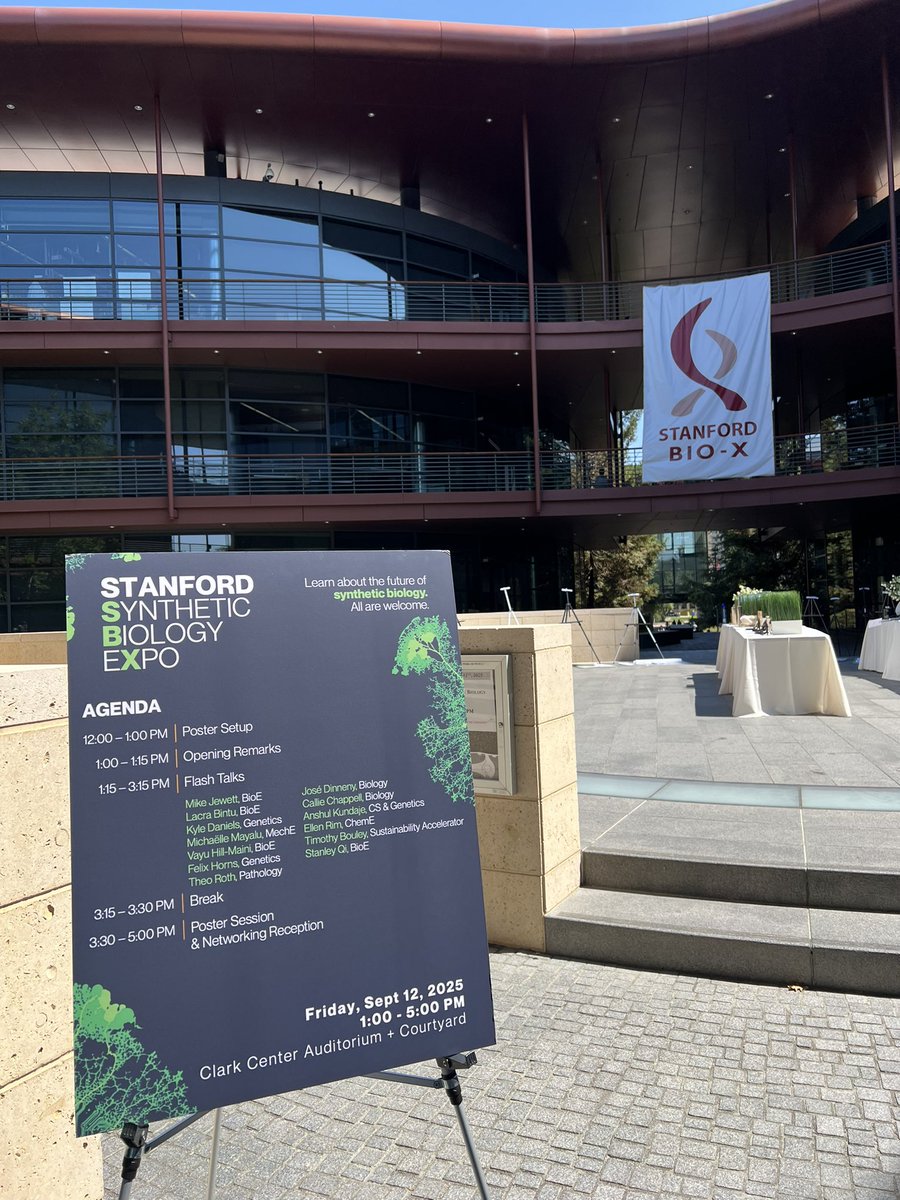
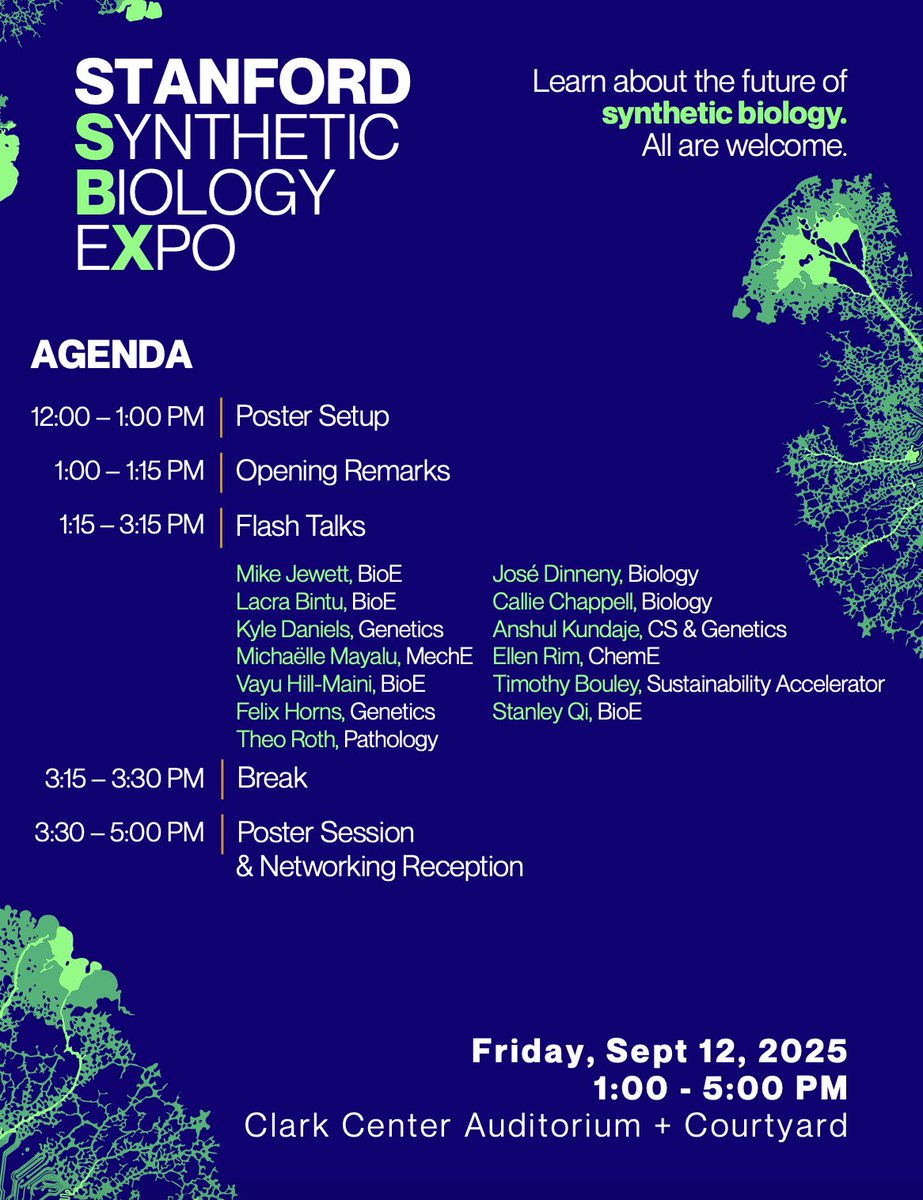
Stanford Synthetic Biology Expo 2025!
From flash talks to posters & networking, today’s event at @StanfordBioX Clark Center brings together innovators across biology, engineering, and sustainability to shape the future @Stanford_ChEMH@StanfordSynBio
Side quest # TooMany of this PhD: I co-authored an article for @ISSUESinST on the need for better soil data to monitor topsoil loss, plus farmland price valuation that reflects the true quality of soil to incentivize topsoil preservation. Feedback welcome!
https://t.co/drRBGS7dKp
🌱 🧬 Plant (genetic) engineering lags ~15 years behind other organisms...
While the first genetic circuits were built in bacteria in the year 2000, and mammalian circuits followed a couple of years after, it was only until the late 2010s that similar genetic engineering efforts started in plants.
However, plants account for 80% of all biomass on Earth, they are our carbon capture machines by excellence, the original source of most pharmaceuticals in the world, and the basis of all of agriculture.
When engineered, they can serve as low-cost, natural bioreactors for pharmaceutical and cosmetic ingredients, for textiles and functional food… they can fix more carbon from the air and produce more food and, in some weird cases, they can even be turned into digital data storage devices and metal mining machines.
The following is a 20-min Biopunk Tour of the Brophy Lab in @StanfordSynBio, where they are building new genetic engineering tools for plants and their associated microbes, towards a sustainable future. Their PI, Jennifer Brophy, famously built the first logic gates in plants during her postdoc, setting a precedent for the Brophytes 🌱.
PhD student @vivzhong97 and Postdoc Alexander Borowsky were kind enough to answer lots of questions about their current work, challenges and opportunities in industrial plant genetic engineering, under- and over-hyped plant biotechnologies, and societal challenges of engineered plants.
Full video in thread 🤠
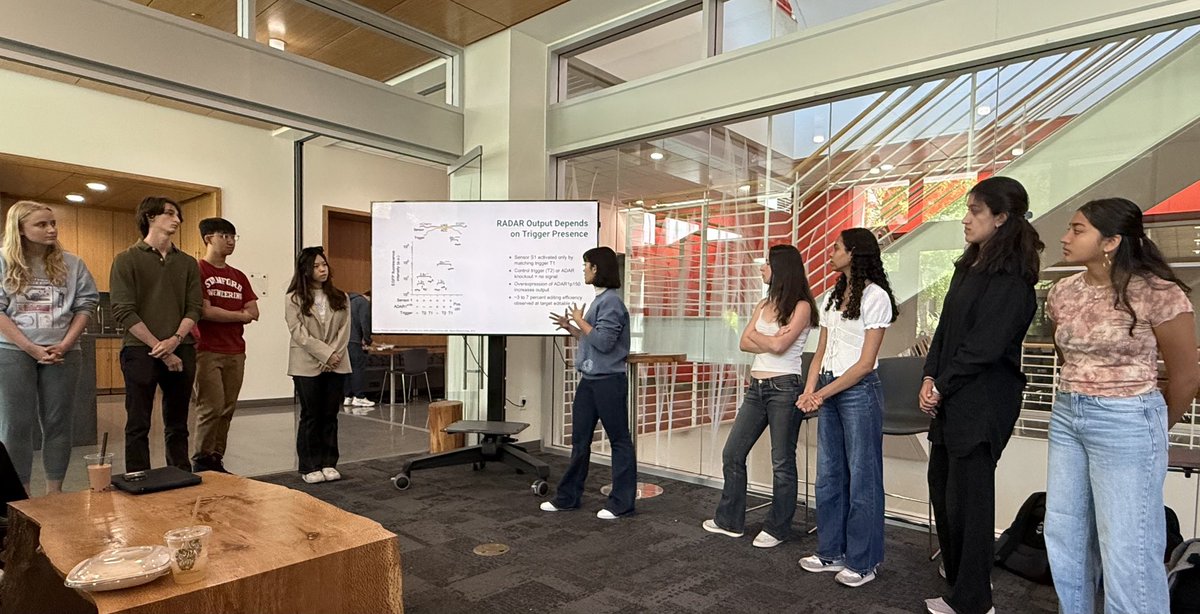
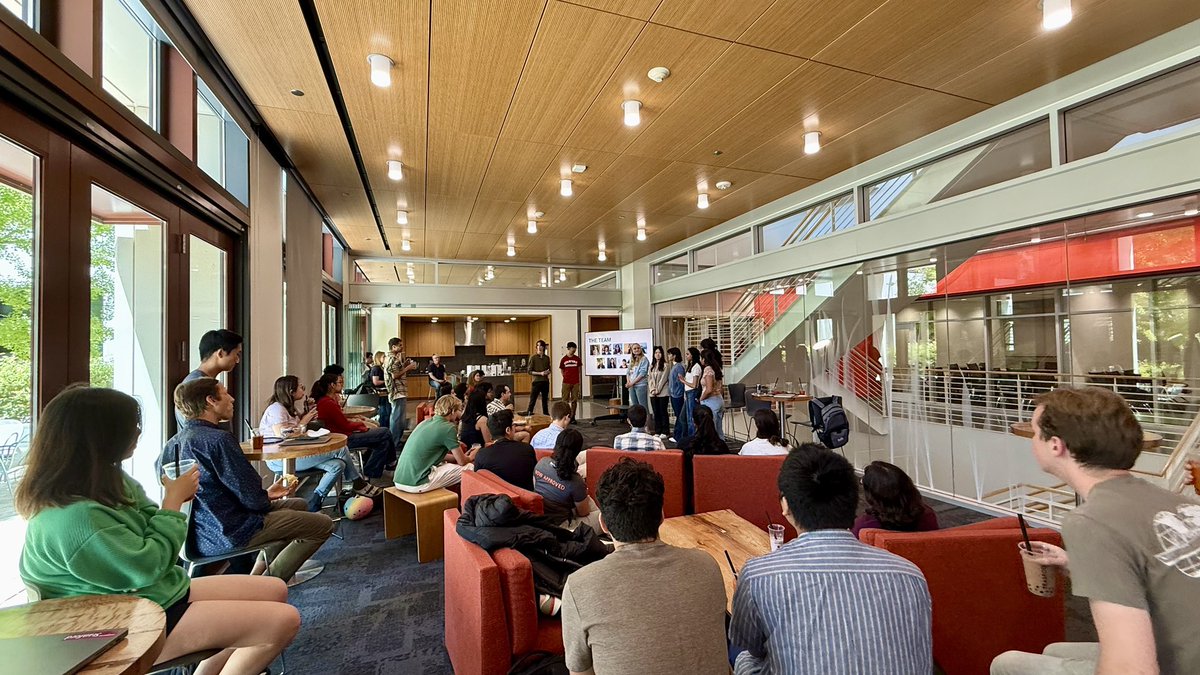
Stanford iGEM Team shared their exciting synthetic biology project: a biosensor diagnostic for Hepatitis B-induced liver cancer 🧬 #Stanford#iGEM2025#SynBio
Delighted to share our paper in BioDesign Research by Leiping & Christian @cotero926 of VERAS: a synthetic RNA biosensor that hijacks coronavirus replication machinery to detect and fight infection in live cells. @Stanford_ChEMH@bioe_stanford
https://t.co/cZ3eZgSwRC
In Episode 5 of Art &, Drew Endy @bioe_stanford & Phil Ross @openfung discusses art, fungi, bioengineering and how artists and scientists can team up to build a a more sustainable and thoughtful future. 🍄🟫🧬🎨 Listen here: https://t.co/XkZMoRoUV2