Bridging chemistry, engineering, biology & medicine to advance human health, transform research, and train the next generation of scientific leaders @Stanford
Check out this Q&A with Katelyn Randal, a @StanfordUChem PhD student in @StevenMBanik's lab and ChEM-H CBI trainee. She shares her work broadening the molecular toolbox for drug discovery, her advice for incoming students, and more:
https://t.co/sc07ePel34
“We study extremes”
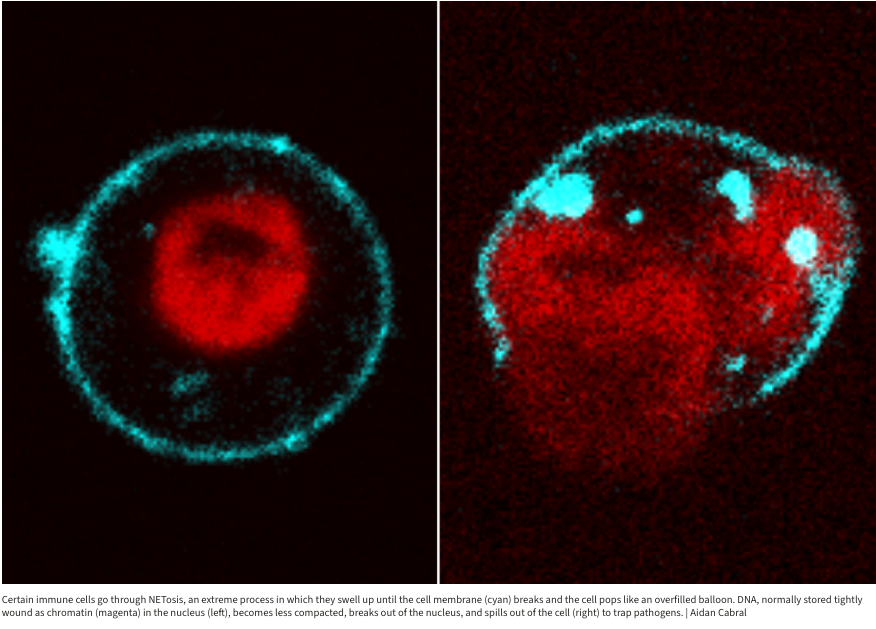
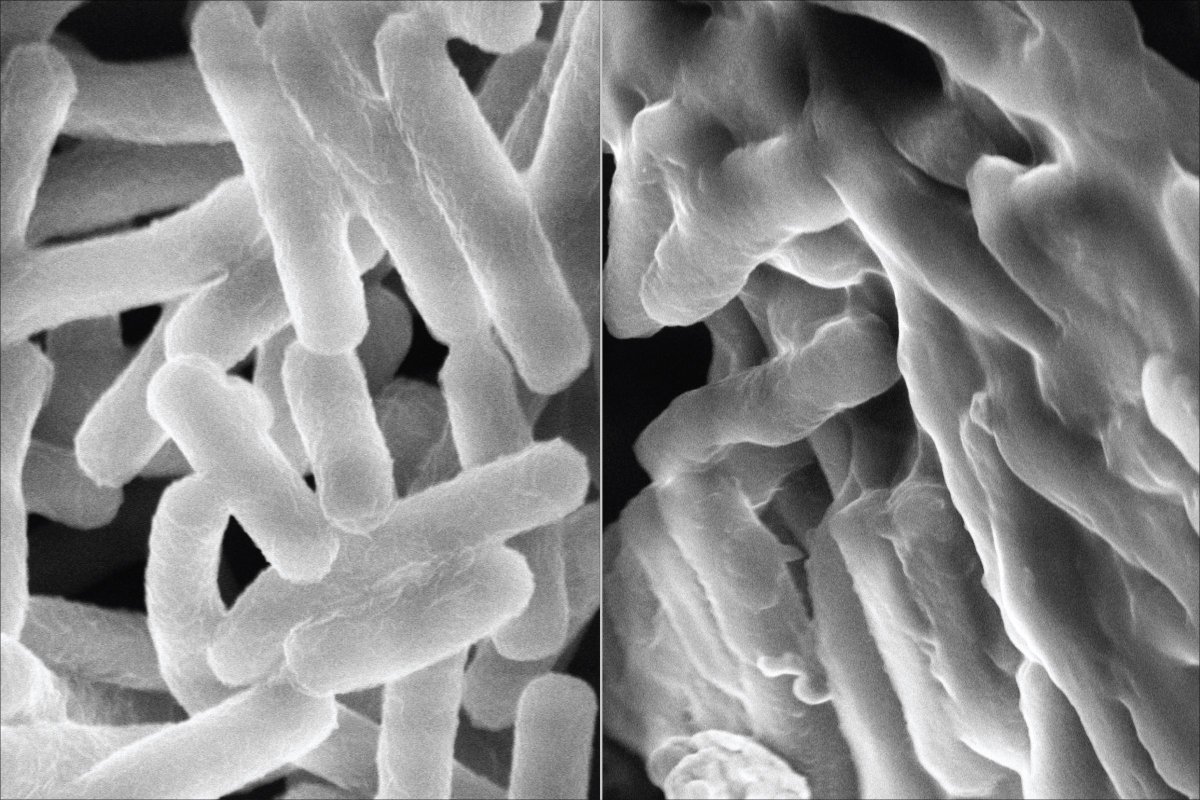
New @NatureComms study by Institute Scholar @hawa_racine, Manasi Sawant & Aidan Cabral & team shows how immune cells pop like overfilled water balloons. Understanding it may help pop cancer cells. https://t.co/AlSGAaypwH @bioe_stanford
Faculty fellow @AppelGroup, former CBI trainee Shoshana Williams & team built an AI tool to identify promising antibiotic candidates that are polymer-based and less prone to resistance that could help find new ways to treat challenging infections: https://t.co/dPx2MCG4oM
Institute Scholar Peter Kim spent 12+ years helping develop and approve 20+ vaccines and medicines, including Gardasil and Keytruda.
His lab @Stanford combines protein engineering and AI to design vaccines with broader, more durable immune protection: https://t.co/M6tfovcXgx
“Your purpose as a scientist is to make discoveries and gift them to humanity. And those discoveries and that knowledge stays with humanity long after you are gone.”
- 2022 chemistry laureate @CarolynBertozzi, awarded for developing bioorthogonal reactions.
Welcome to the 2026-2027 Seminar Series! We are pleased to host researchers from institutions across the world, including @Stanford, @tcddublin, @harvardmed, and more > https://t.co/6UMzxhYR1X
2nd Wednesdays @ 2PM ET | Schermerhorn Hall 603 & Zoom
From an unexpected personal loss, to a pathology residency, to a defining conversation and more, Institute Scholar Paul Mischel traces the key turning points in his life and career in cancer research:https://t.co/Nyg68olaB6
@NatureCancer@mischellab
#ICYMI This year is the 10th anniversary of the Chemistry/Biology Interface (CBI) Training Program, which has brought together over 155 scientists-in-training from across chemistry, biology, engineering, and medicine PhD programs at Stanford.
Learn more: https://t.co/IBs0zntQaw
Our final version of human AGO2 led editing of RNA is out today in @NatureBiotech! Led by @noScandineHere, we got excited by the reduced immunogenic risk and efficacy advantages of using a human-derived protein for non-downregulatory RNA manipulation.
https://t.co/0cyURONnEH
Thank you to Dr. Paul Mischel of @Stanford for yesterday’s IICD Seminar! 🧬
Dr. Mischel discussed how ecDNA drives cancer evolution, enabling tumor cells to rapidly adapt to changing environments and treatments.
Watch the recording here: https://t.co/TV6tRYtQUe
Our 13th Annual Stanford Neurosciences Symposium has begun! Our topic: Building the Brain. We’re exploring how our brains wire themselves up from a few cells into the three pounds of matter in our skulls that makes us who we are.
Congratulations to our Institute Scholar Rebecca Pinals @RLPlikesscience for receiving the 2026 Dr. Laure Aurelian Biomedical Research Award! https://t.co/86E74pyfU1 @StanfordEng
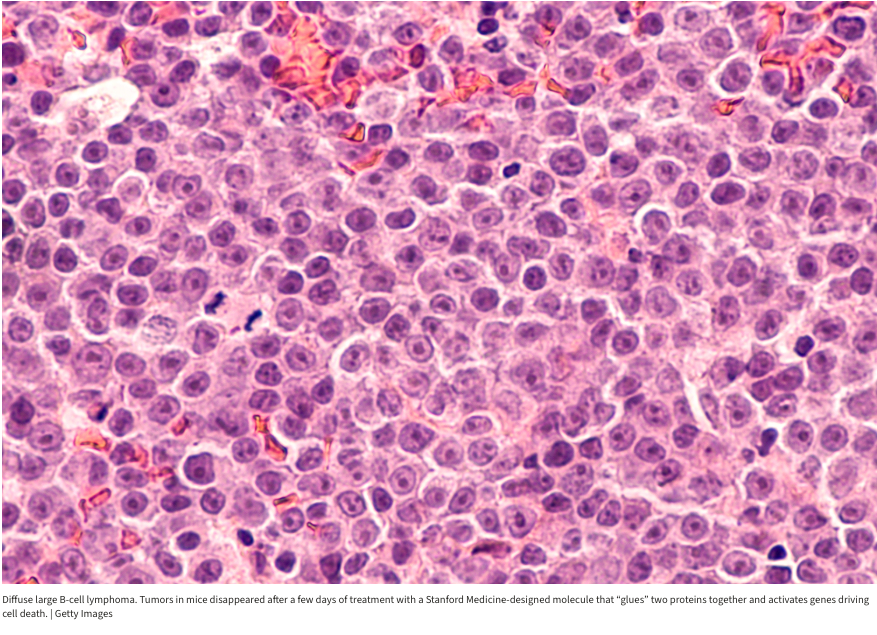
A team including Gerald Crabtree, Institute Scholar Nathanael Gray, Stephen Hinshaw, Michael Green, CBI fellow Meredith Nix & co-lead author Sai Gourisankar, & Nucleus Director Daniel Fernandez built a molecule that flips BCL6 into a cancer kill switch: https://t.co/kND7bJkaos
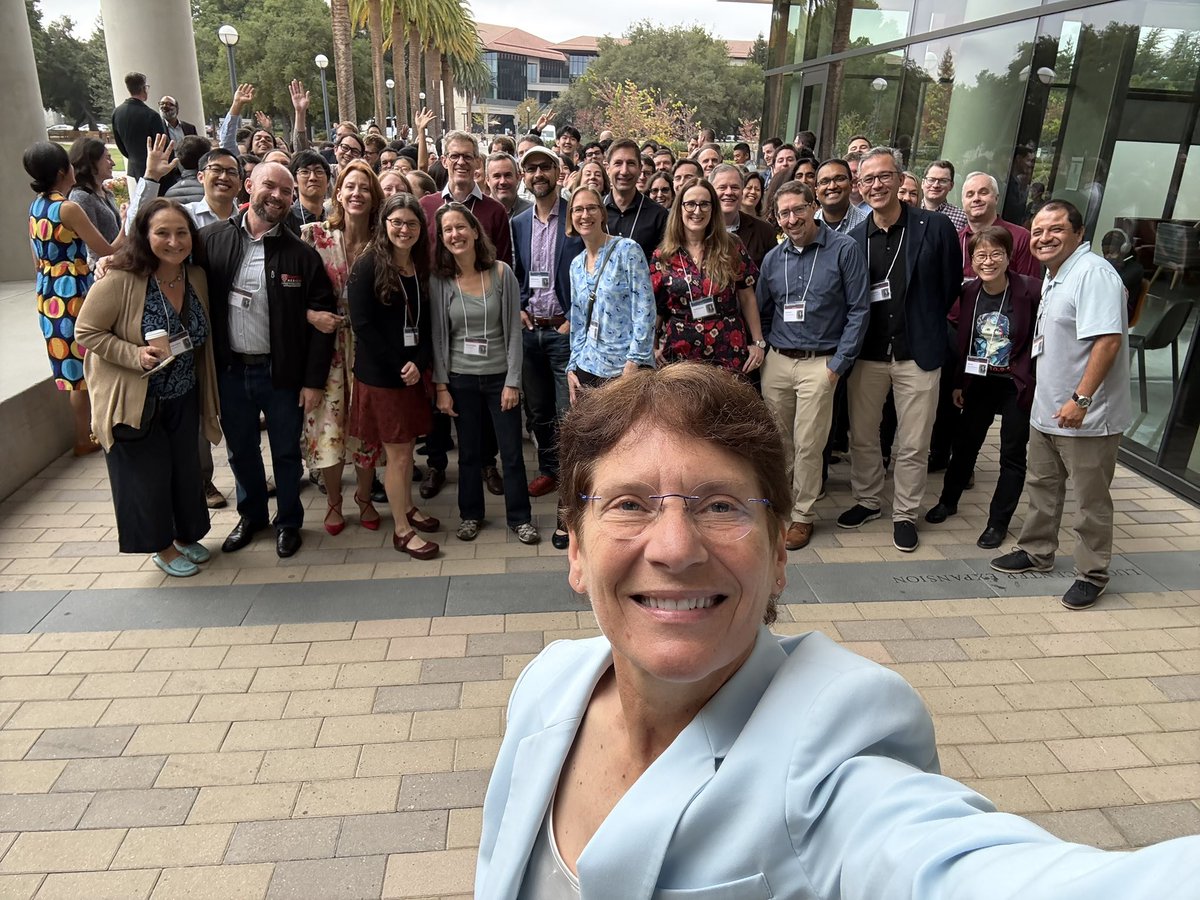
That’s a wrap on #CRB60! Thank you to all the researchers who showed, from glycoRNA to bioluminescence to tuberculosis, just how far Carolyn Bertozzi’s legacy has traveled!
Today we're live from #CRB60, a symposium honoring our director Carolyn Bertozzi's legacy and impact on chemical biology. Speakers include Bertozzi lab alumni now leading their own research.