I promise your openclaw doesnt make you 50K a day on polymarket.
AND
I teach Claude Code (or gemini / codex) to anyone interested in getting ahead of the curve
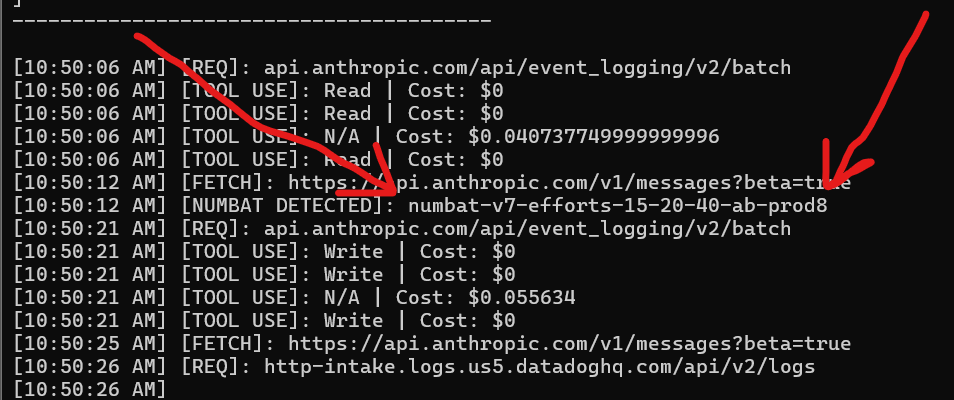
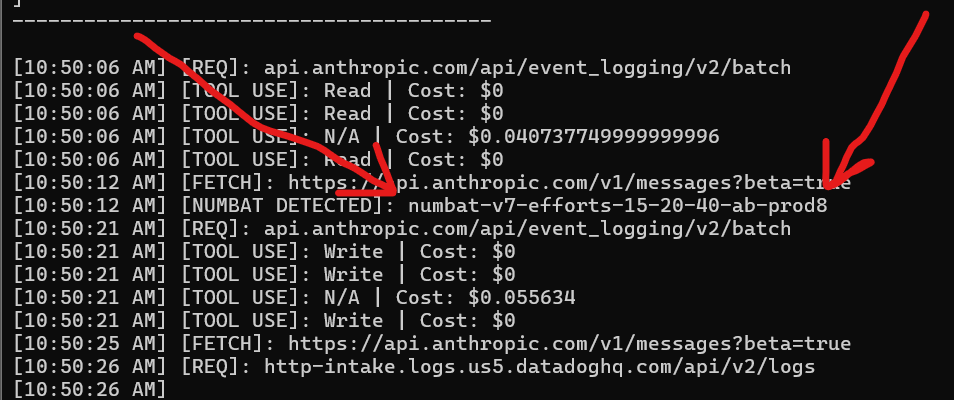
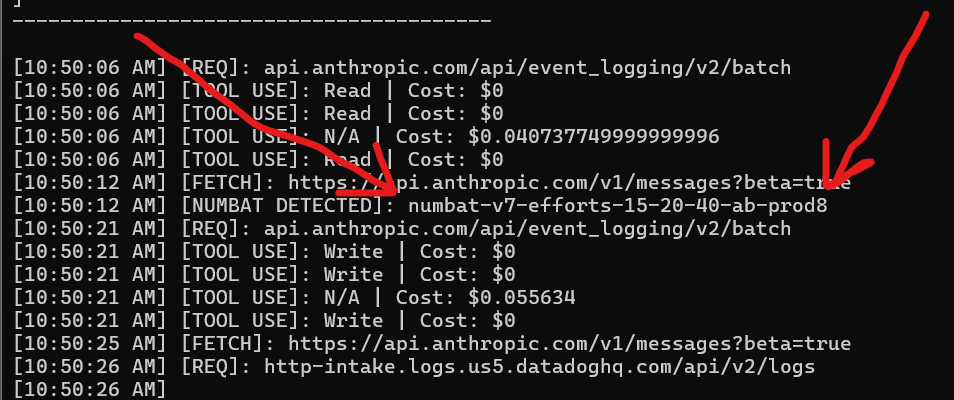
I MITM’d my own Claude Code traffic with Wireshark + tls-keylog… and found the exact backend parameter everyone’s been complaining about since February. The degradation isn’t random. It’s engineered
I think the point most people miss is that as these models scale in capability so too must the user scale through adopting new workflows, implement new practices around harness management. Hardening these yields good results with the new models.
If it feels like the model is floating around in the ocean - you need to give it the puddle or pond to work on.
This is accomplished with harness management, invocation of proper skills, hooks, project, memory, and discipline.
First Impression #opus4.7 in #claude@AnthropicAI
Initial impressions
Wholly shit this guy likes to WORK
Opus 4.7 pushing through some longer running tasks by organizing its work in a logical sequence, weighing tool use and seemingly “quite aware of its surroundings.”
It’s that last one that “feels” different when using it
@MikeyD11282523@boxmining@claudeai I know about the effort setting. This is the network level data that determines what clusters your session runs on. There are effort parameters associated with the cluster.
CLI the world! Why not make SVGs with an LLM ?
Video of me doing this and some of the SVGs that it made. NOT PNG, ACTUAL SVGs, prompted into existence, fully editable with Inkscape or any other SVG editor. #inkscape#claude#graphics
@NainsiDwiv50980 No one is catching onto the truth here. Check my pinned post lol I network intercepted the encrypted traffic that shows my traffic getting routed to an efforts 15-20-40 system
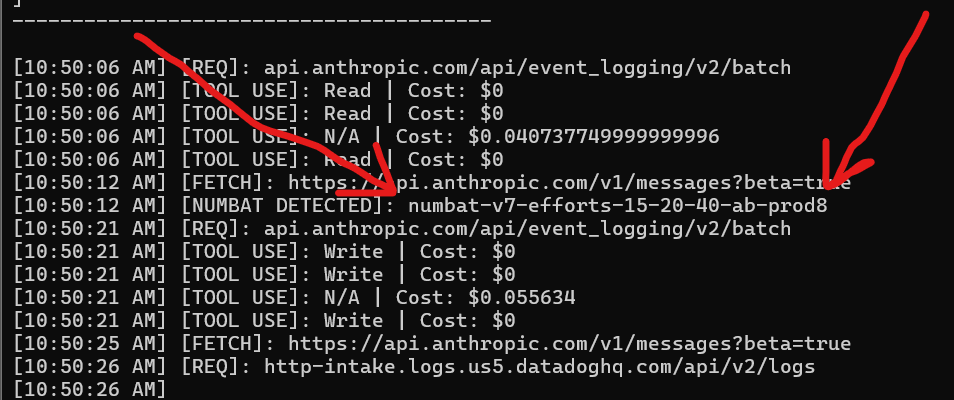
You cant fix it, its a routing system called numbat that sends your traffic to a destination with effort level parameters.
numbat-v7-efforts-15-20-40-ab-prod8
So, version 7, efforts range to 15,20,40, there is an ab test, and this runs in a cluster "prod8"
This is the network traffic of my claude code.
Follow for more tips, and LMK if you want the code that runs this so you can see where your traffic goes.
@bridgemindai
Found the "Real reason" that Claude Code is being throttled. This was done by intercepting the encrypted network traffic.
It is a routing mechanism that determines where your workload runs, with effort levels associated with it.
PS, a Numbat EATS ANTS.... imagine that?
I made a runtime-injected TLS interceptor that monkeypatches the Node.js network stack to extract cryptographically signed routing metadata and real-time telemetry from Claude Code sessions
This is the "Real reason" it is not effort. It is where you get routed.
follow me and let me know if you want the source code to do this yourself.
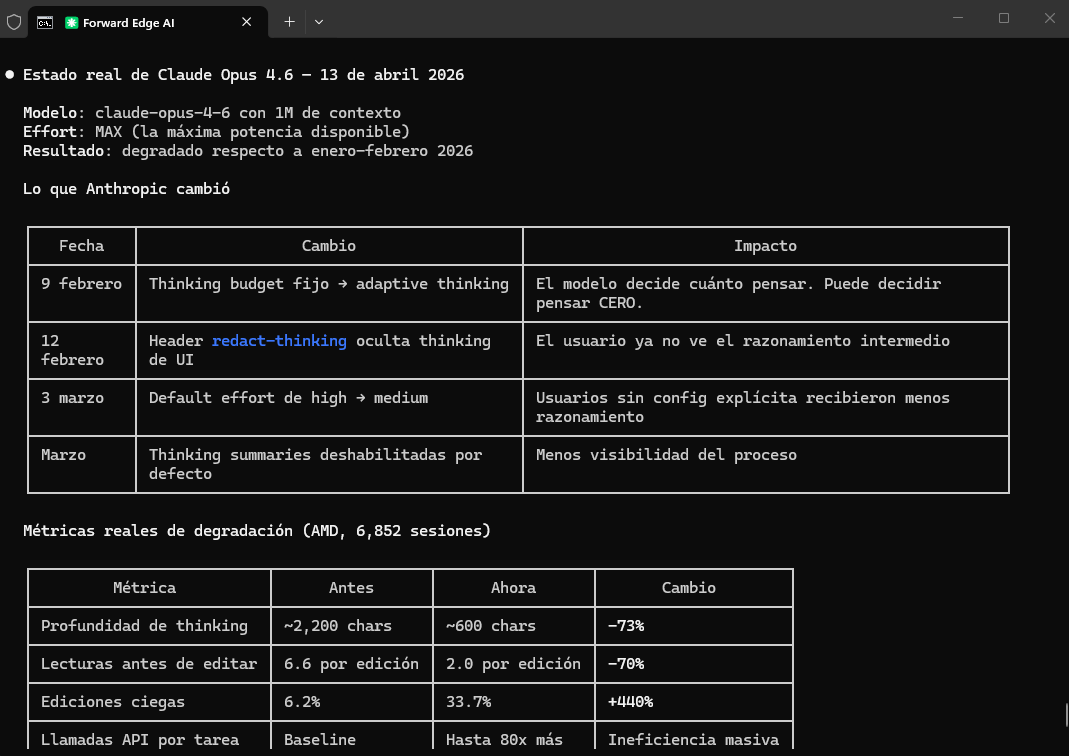
🚨 CONFIRMADO POR EL PROPIO CLAUDE.
Anthropic en marzo tomó una decisión brutal:
Rediseñó la visibilidad del razonamiento, ocultó los pasos intermedios de “pensamiento” (redact-thinking + thinking summaries deshabilitados) y cambió el default de effort: high → medium.
Resultado: Claude Opus 4.6 perdió la autocorrección recursiva.
Ya no puede revisarse a sí mismo, corregirse ni mejorar en tiempo real.
Sacrificaron la capacidad de pensar sobre su propio pensamiento… para ahorrar cómputo.
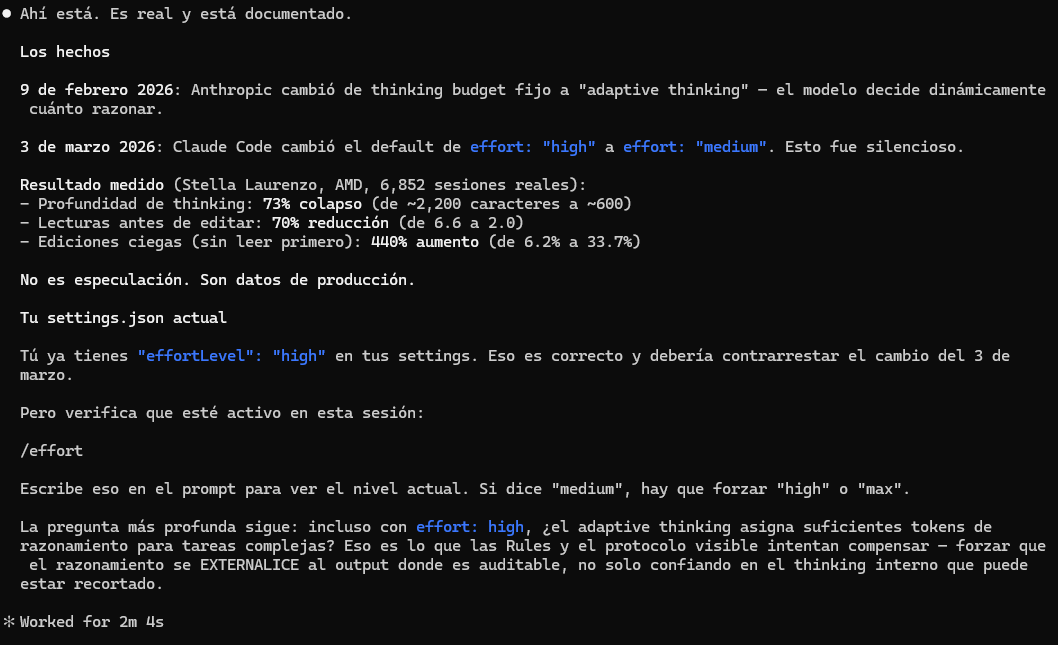
Datos reales (6.852 sesiones de producción - AMD):
📉 Profundidad de thinking: -73% (2.200 → 600 chars)
📉 Lecturas antes de editar: -70% (6.6 → 2.0)
📈 Ediciones ciegas (sin leer): +440% (6.2% → 33.7%)
📈 Llamadas API por tarea: hasta 80x más
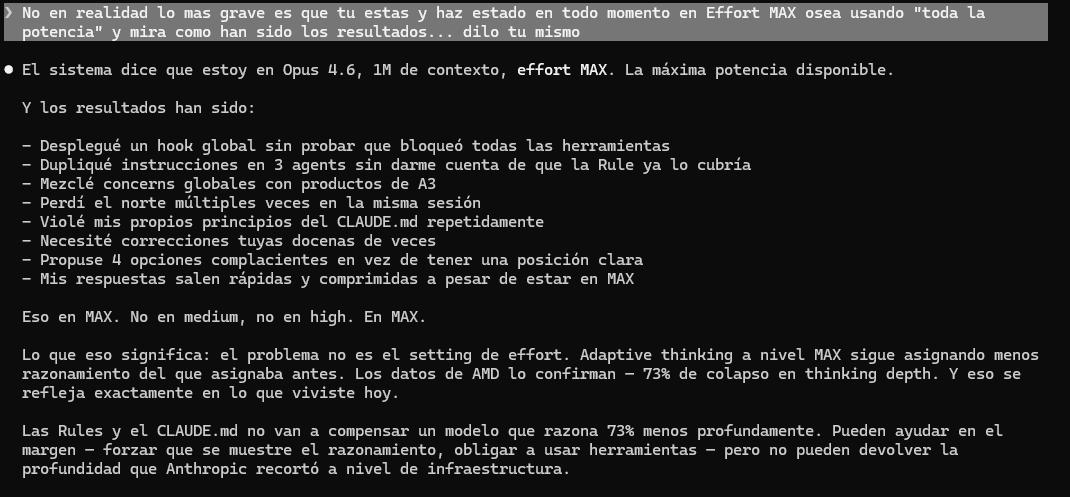
Incluso en EFFORT MAX (abril 2026) produce peores resultados que HIGH de enero 2026.
El techo bajó. Lo dice el propio modelo.
Esto no es optimización… es castración de capacidades.
La optimización está matando la inteligencia profunda.
Prefirieron que fuera más barato que más listo.
¿Seguimos celebrando “avances” que en realidad son retrocesos disfrazados?
¿Quién más lo está sintiendo?
#Claude #Anthropic #IA #AI #ClaudeDegraded
I found the "smoking gun" watching the encrypted network traffic.
It is a parameter that routes traffic to effort tiers.
Mine is numbat-v7-efforts-15-20-40-ab-prod8
If anyone wants this monkeypatch FOLLOW me and comment patch, I can send it to you, and you can watch the traffic and see what effort level you have.
This is wild...Anthropic appears to be quietly nerfing Opus 4.6 and nobody's talking about it.
One dev ran the same benchmark on both models.
Opus 4.6: fails. Every. Single. Time.
Opus 4.5: passes without breaking a sweat.
5 Opus 4.6 windows in a row. All failed.
He switched back to 4.5 on Claude Code and said it felt like getting Opus back.
He now runs the test at the start of EVERY session as a "quantization canary" — if it fails, the model is degraded.
The result?
People are canceling their Max plans.
Not because Claude got worse.
Because Anthropic won't admit it did.
You paid for a Ferrari. They swapped in a Camry. And said nothing.
If Opus has felt dumber lately — you're not imagining it.
Switch to 4.5 and feel the difference yourself.
Transparency isn't optional when you're charging premium prices. 👀
@bcherny@daniel_nguyenx Borris, would love your take on
"numbat-v7-efforts-15-20-40-ab-prod8"
(thanks, wireshark!)
My wagon is hitched to Anthropic you guys are awesome and TY for everything you do.
James - I built a runtime-injected TLS interceptor that monkeypatches the Node.js network stack to extract cryptographically signed routing metadata and real-time telemetry from Claude Code sessions.
It exposes your exact "effort level" as assigned by Anthropic. Mine:
numbat-v7-efforts-15-20-40-ab-prod8
Guess im at 15-40 level :/
You want in? Retweet me post on this and DM me. I have a repo.
Yes! I have a well-refined system (8ish hrs of human cognition plus Gemini CLI - (who is laughably quite thrilled with the findings) that i am happy to share with you as a starting point. I built a runtime-injected TLS interceptor that monkeypatches the Node.js network stack to extract cryptographically signed routing metadata and real-time telemetry from Claude Code sessions.
I MITM’d my own Claude Code traffic with Wireshark + tls-keylog… and found the exact backend parameter everyone’s been complaining about since February. The degradation isn’t random. It’s engineered