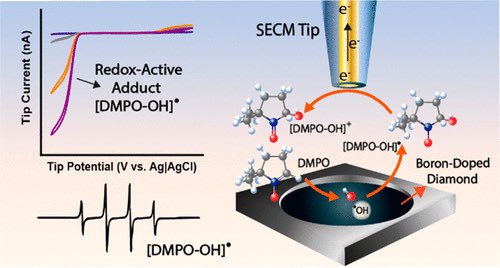
#ChemCatChem#OnTheCover In Situ Elucidation of Reaction Mechanisms in Electrocatalysis Using Scanning Electrochemical Microscopy (ChemCatChem 15/2025) (María Escudero-Escribano and co-workers) https://t.co/gkxEdTxKpH • https://t.co/dIyrgKAfDb
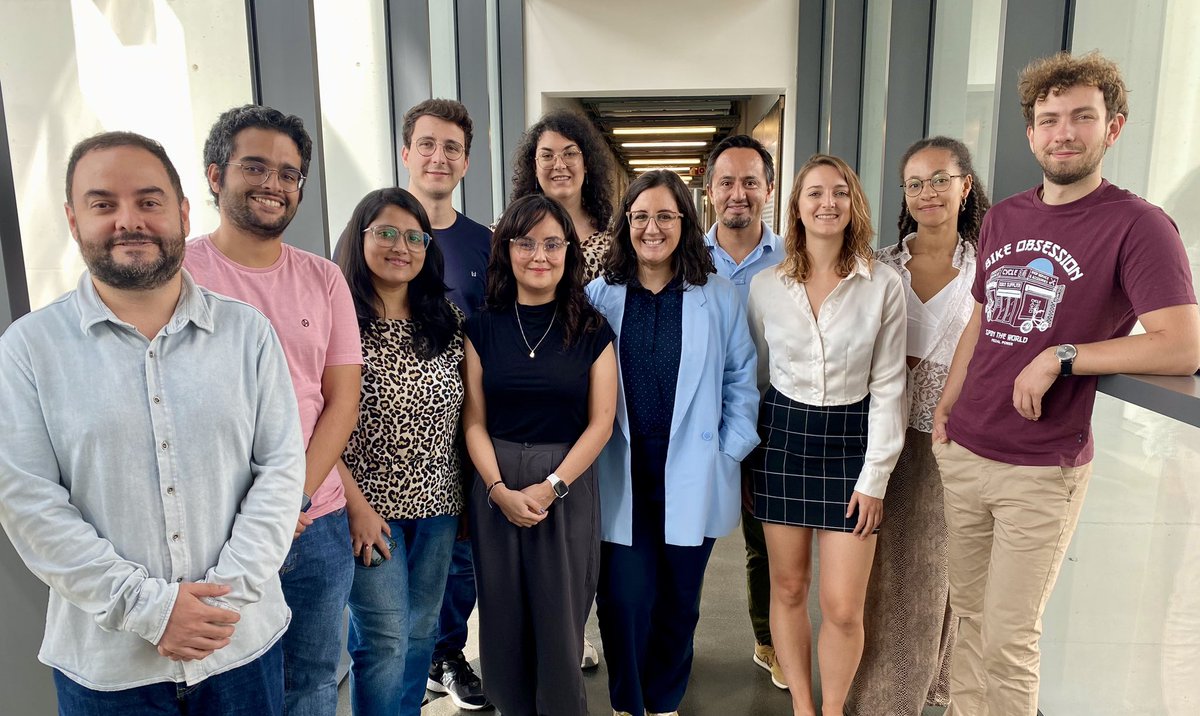
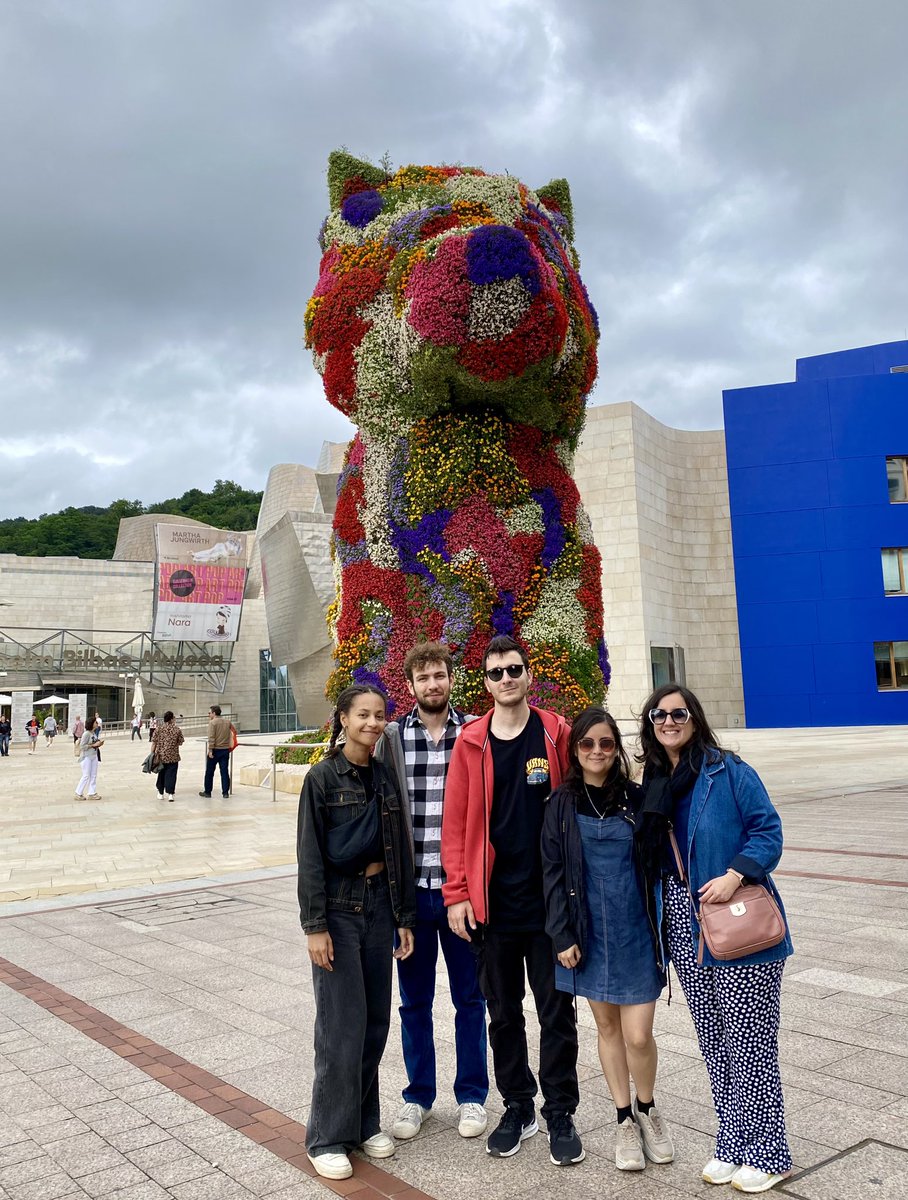
In beautiful #Bilbao to attend the Annual Meeting of the #Electrochemistry Group of the Spanish Royal Society of Chemistry @RSEQUIMICA! First conference with all the @icn2nano#NanoESC PhD candidates! Looking forward to exciting science and to meeting lots of friends!
Very excited and honored to now be part of the @MariaEscEsc group @NanoElectrocat as a PhD student at @icn2nano. The beginning of my scientific journey!
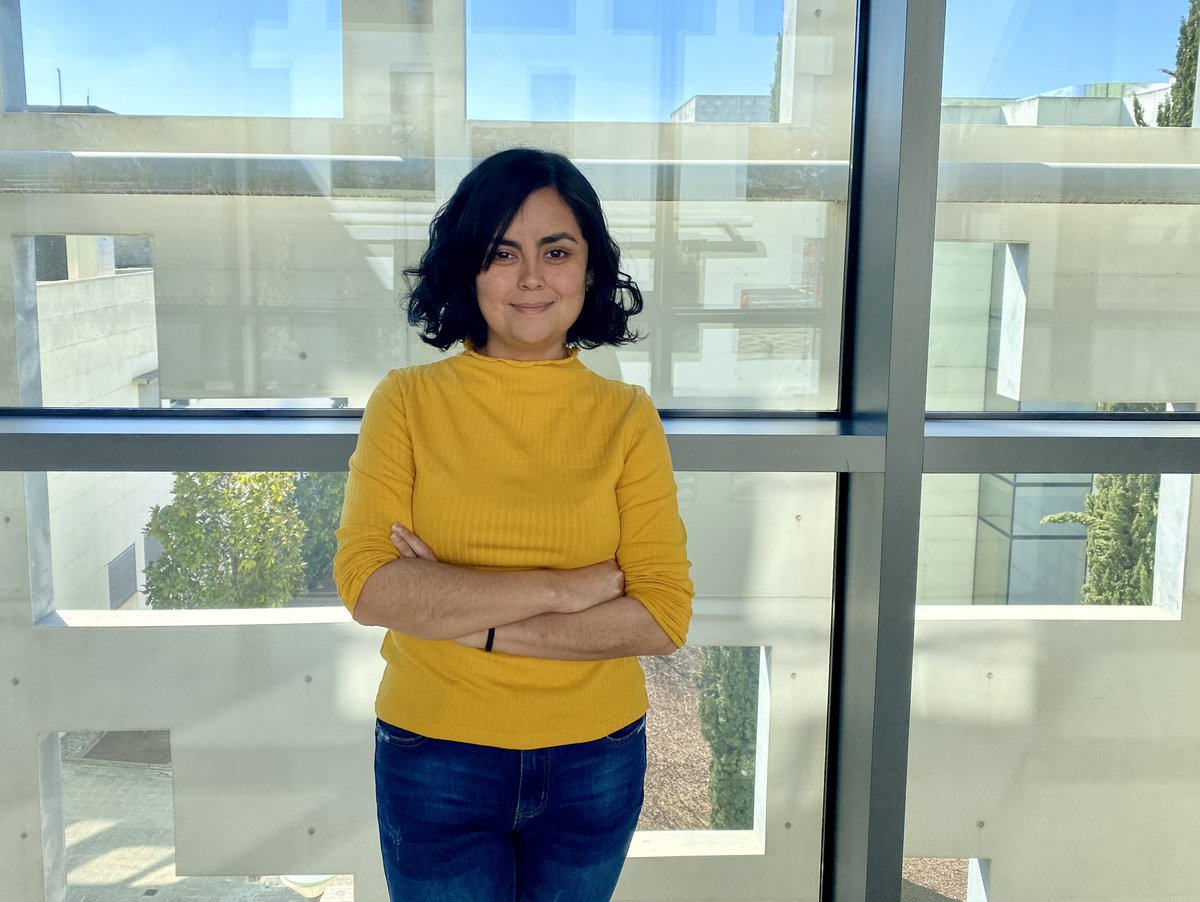
We are thrilled to welcome Jaxiry @Jaxiry152, our first PhD student at @icn2nano! Her research will focus on in situ nanocharacterisation of tailored electrocatalyst materials for sustainable energy conversion. Exciting science ahead! Stay tuned!👩🏻🔬 #electrocatalysis#WomenInSTEM
I'm proud that my thesis won the third place in the award for the best Master's Thesis in Electrochemistry by the Mexican Society of Electrochemistry (#SMEQ).
Es un gusto felicitar al M. en C. César Pérez Morales, por obtener el 1er lugar y a la M. en EQ Jaxiry Shamara Barroso Martínez por haber obtenido el 3er lugar, ambos en el concurso de tesis de la SMEQ-2022, así también a su directora de tesis, la Dra. Erika Bustos Bustos.
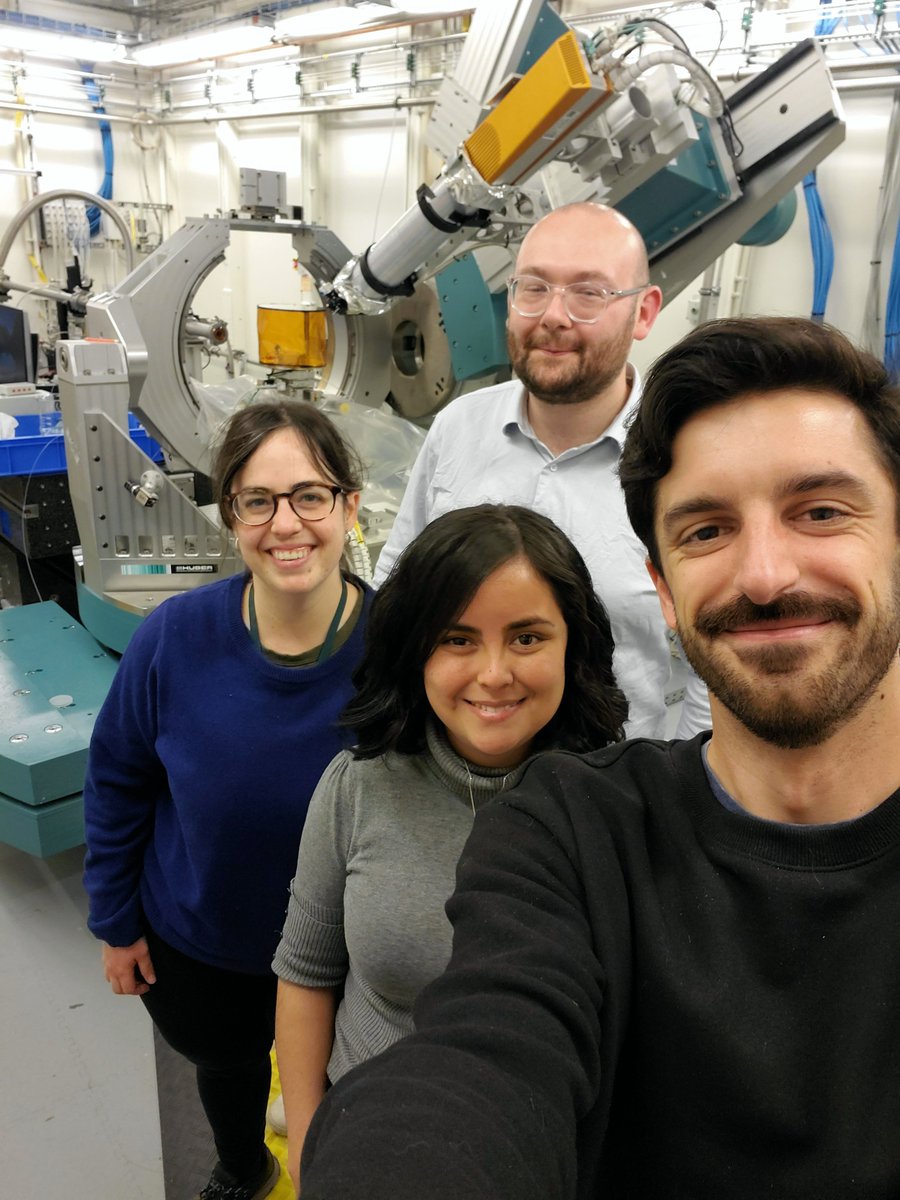
Co first author visiting student Jaxiry Barroso Martinez @Jaxiry152 from CIDETEQ in Mexico kept getting confusing results. But turning despair into action, and inspired by flow battery redox, we hypothesized one could detect spin trap adducts to get to the bottom of OH detection.
I'm happy and really grateful to @JRILab and @EriBustosB for supervising my master's thesis, a work focused on the use of scanning electrochemical microscopy to explore and quantify the in situ generation of OH radicals at electrodes of interest for water treatment such as AOPs.
We are amazed with the power of water redox, now enabling exciting studies with this ubiquitous substance! Real-Time Detection of Hydroxyl Radical Generated at Operating Electrodes via Redox-Active Adduct Formation Using Scanning Electrochemical Microscopy https://t.co/PPU9csstqe