En las minas de oro de Ghana, estas son las condiciones en la que los esclavos extraen el mineral para las grandes multinacionales capitalistas; descalzos y tiritando de frío, se cubren con bolsas de la lluvia.
El capitalismo no es "tener un Iphone", es el saqueo imperialista y la esclavitud de pueblos enteros en África para que en Occidente los señoritos burgueses lleven oros y diamantes.
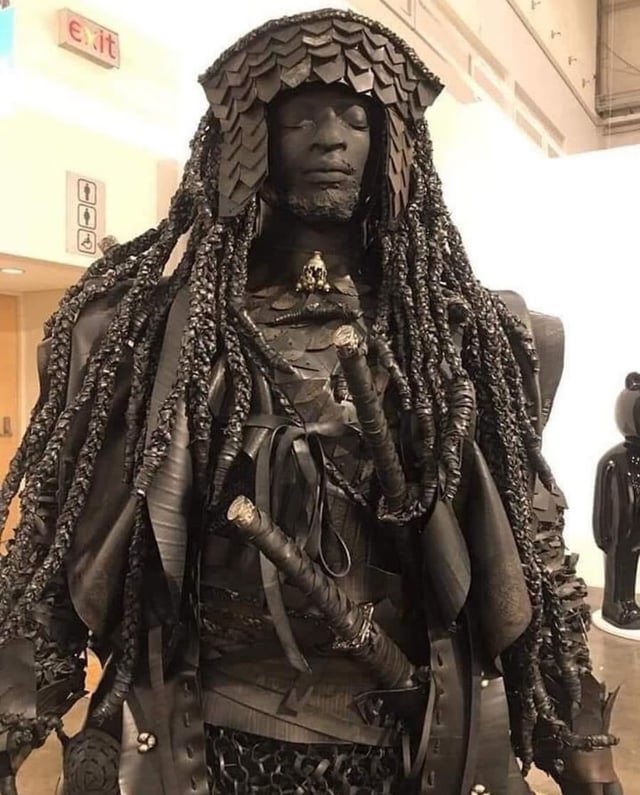
"The slave traders feared one African tribe so much... they stopped wanting to capture them."
• The Kru people, skilled sailors and navigators from Liberia nand Ivory Coast, were so fiercely resistant to enslavement that slave traders eventually avoided capturing them due to the high cost.
• Their maritime expertise led European merchants to hire them instead of attempting to enslave them.
• The Kru's story highlights courage and defiance against oppression, reminding us of forgotten African heroes.
Long before he became one of the most recognizable Indigenous faces in film, Wes Studi was carrying a very different role.
Born in Oklahoma and raised speaking Cherokee before English, Studi grew up in a world where Native identity was often misunderstood,
Have you heard the news? 🧬
Morgan State University’s Department of Nursing continues to distinguish itself as a leader in nursing education, achieving a 100% first-time NCLEX-RN licensure examination pass rate.
🩺 Learn More: https://t.co/efIraawJqM
A major investment in the future of research and innovation at Morgan State University.
The University has received an $8.9 million grant to support the development of a cutting-edge molecular biology research lab and provide additional advanced equipment for the Center for Equitable Artificial Intelligence and Machine Learning Systems and the Center for Education and Research in Microelectronics.
@WMAR2News
https://t.co/ShTscdAg97
Mission Complete: Degree Obtained ✅
There is no better feeling as a student than walking across the stage at commencement. Congratulations to the Undergraduate Class of 2026!
#MorganGrad#MorganMade#MorganGrad2026#MSUGrad
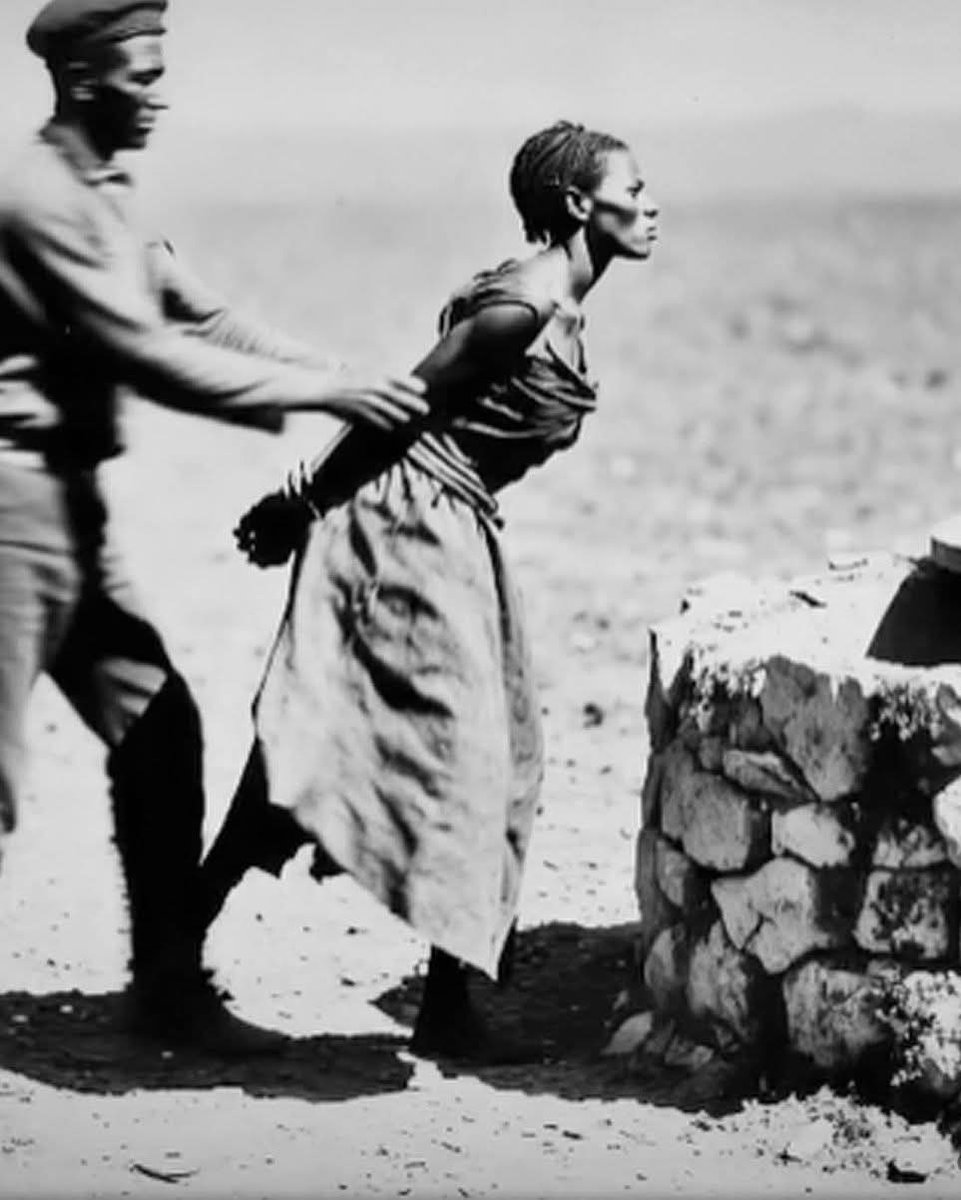
• In 1835, on a Louisiana plantation, Sarah Dupos was buried alive in a dry well for resisting her master's attempted assault.
• Despite forty days of darkness, hunger, and isolation, she survived and emerged unbroken, transformed by the experience.
• This act of resistance ignited a metaphorical flame, illustrating that extreme oppression can lead to powerful retaliation.
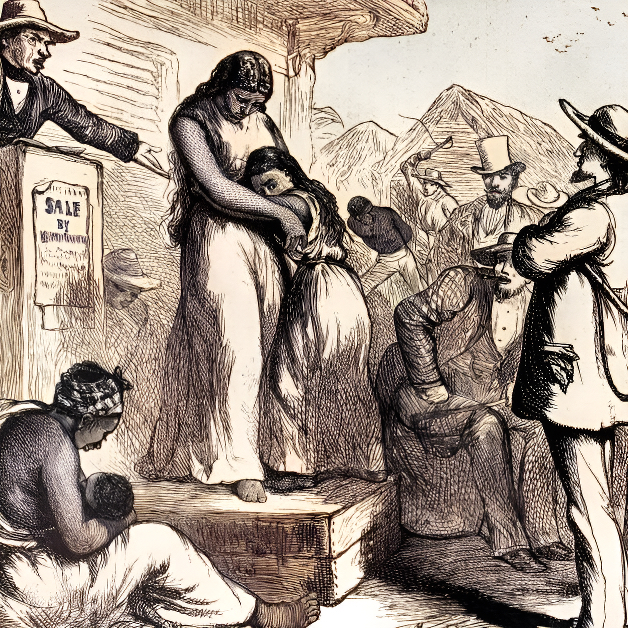
In the black community, New Year’s Day used to be widely known as 'Hiring Day' or 'Heartbreak Day', because enslaved people spent New Year’s Eve waiting, wondering if their owners were going to rent them out to someone else, thus potentially splitting up their families.
The renting out of slave labor was a relatively common practice in the antebellum South, and a profitable practice for white slave owners and hirers.
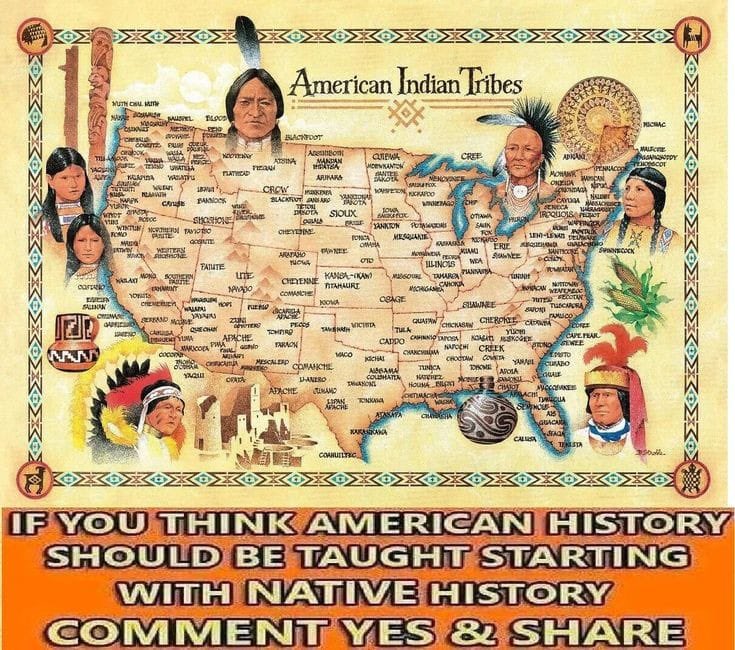
There is ongoing discussion about the history and experiences of Native American communities.
Some believe that there is not enough public recognition or dedicated spaces that fully reflect the hardships faced in the past.
Many people feel it is important to better understand and acknowledge historical events, including the impact of conflict, displacement, and loss on Indigenous populations.
If you believe it’s important to learn more about history and support awareness, share your thoughts below and spread awareness.
Contrary to Hollywood, black slaves were America's 1st cowboys. The word cowboy, originally had nothing to do w-roping cattle & hell-raising in the high plains. The word 'cowboy' grew out of social customs that did not allow black males to be addressed as 'mister' or 'men'. 'Boy, was a derogatory term for a black male that included "cowboy", "house boy" "field boy," "stable boy". Thousands of black cowboys were lawmen, Buffalo soldiers, ranchers, farmers. Few are found in history books.