There is a growing narrative, especially on social media, claiming that "education is not the key to success", that one must search for other “keys.” I strongly caution young people against this misguided thinking.
Education remains a key. It may not be the only key, but it is certainly a fundamental one. It opens doors to knowledge, opportunity, innovation, and responsible leadership.
Education equips individuals to make informed decisions, contribute meaningfully to society, and navigate the complexities of the modern world with confidence and integrity. Nothing replaces knowledge. No one should mislead you into believing otherwise.
Yes, there are a few successful individuals with limited formal education, but how many are they? They do not even constitute 1% of Uganda’s population. Exceptional cases should not be used to misguide a generation.
Sustainable success is built on knowledge, discipline, and values and education provides that foundation. I firmly debunk the narrative that education is not essential to success.
There is a growing narrative, especially on social media, claiming that "education is not the key to success", that one must search for other “keys.” I strongly caution young people against this misguided thinking.
Education remains a key. It may not be the only key, but it is certainly a fundamental one. It opens doors to knowledge, opportunity, innovation, and responsible leadership.
Education equips individuals to make informed decisions, contribute meaningfully to society, and navigate the complexities of the modern world with confidence and integrity. Nothing replaces knowledge. No one should mislead you into believing otherwise.
Yes, there are a few successful individuals with limited formal education, but how many are they? They do not even constitute 1% of Uganda’s population. Exceptional cases should not be used to misguide a generation.
Sustainable success is built on knowledge, discipline, and values and education provides that foundation. I firmly debunk the narrative that education is not essential to success.
@ntvuganda This is a great move. Ugandans will be protected from the risks associated with unregulated herbal medicines, such as the threat of antimicrobial resistance. Some herbal practitioners mix antibiotics into their concoctions, claiming they're purely herbal: a high heal risk.
This is a great move, it will greatly scale up Pandemic preparedness around the world.
Well done @DrTedros and the entire @WHO team for spearheading this initiative.
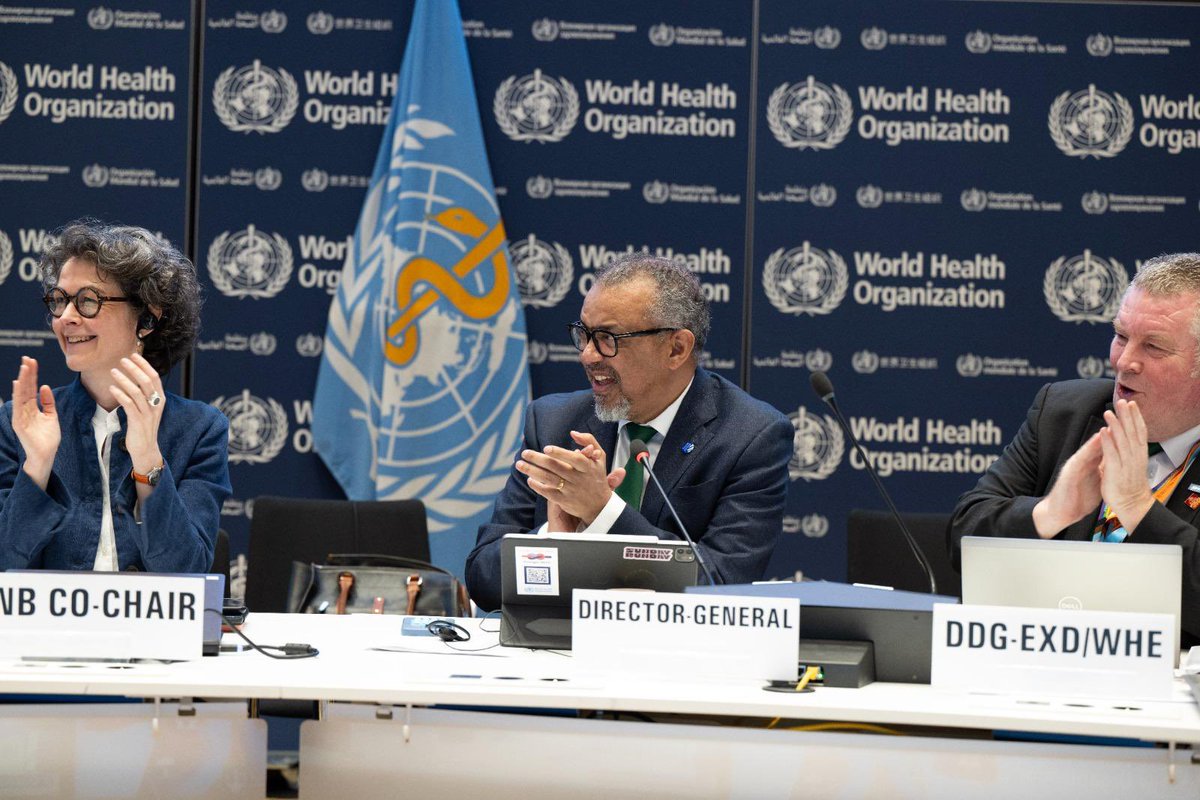
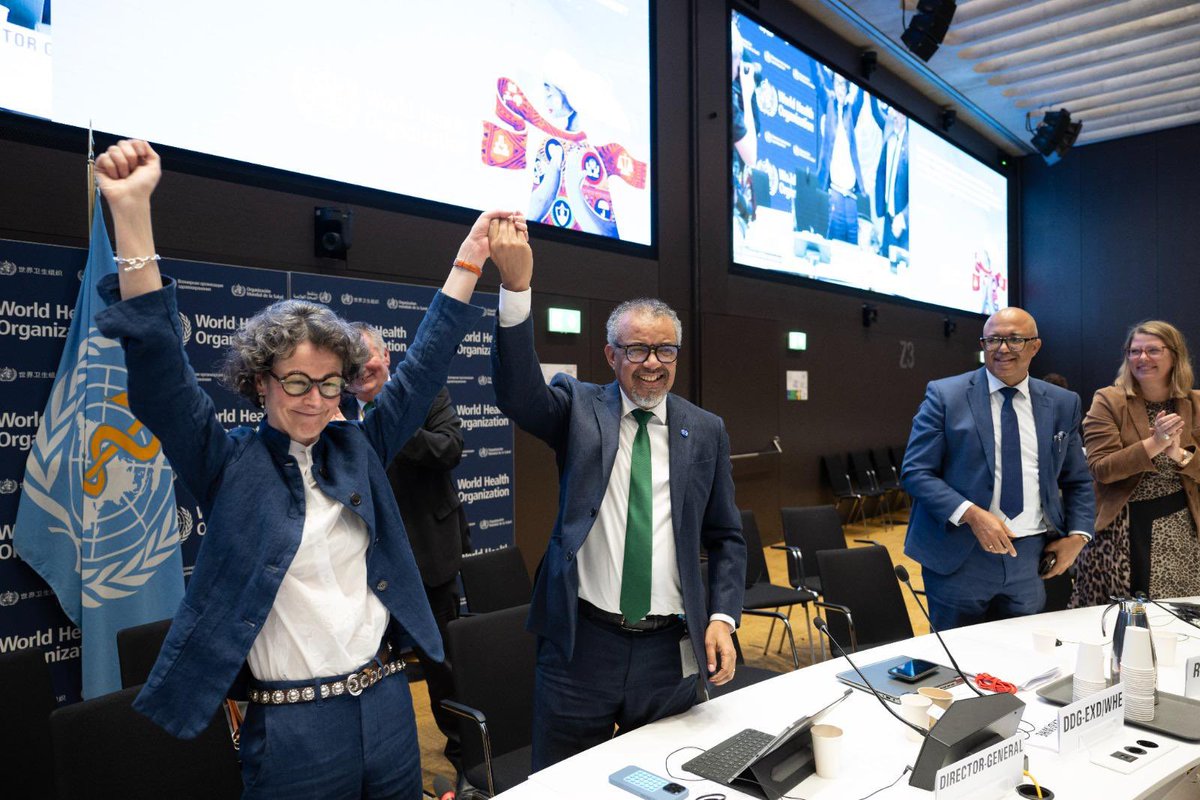
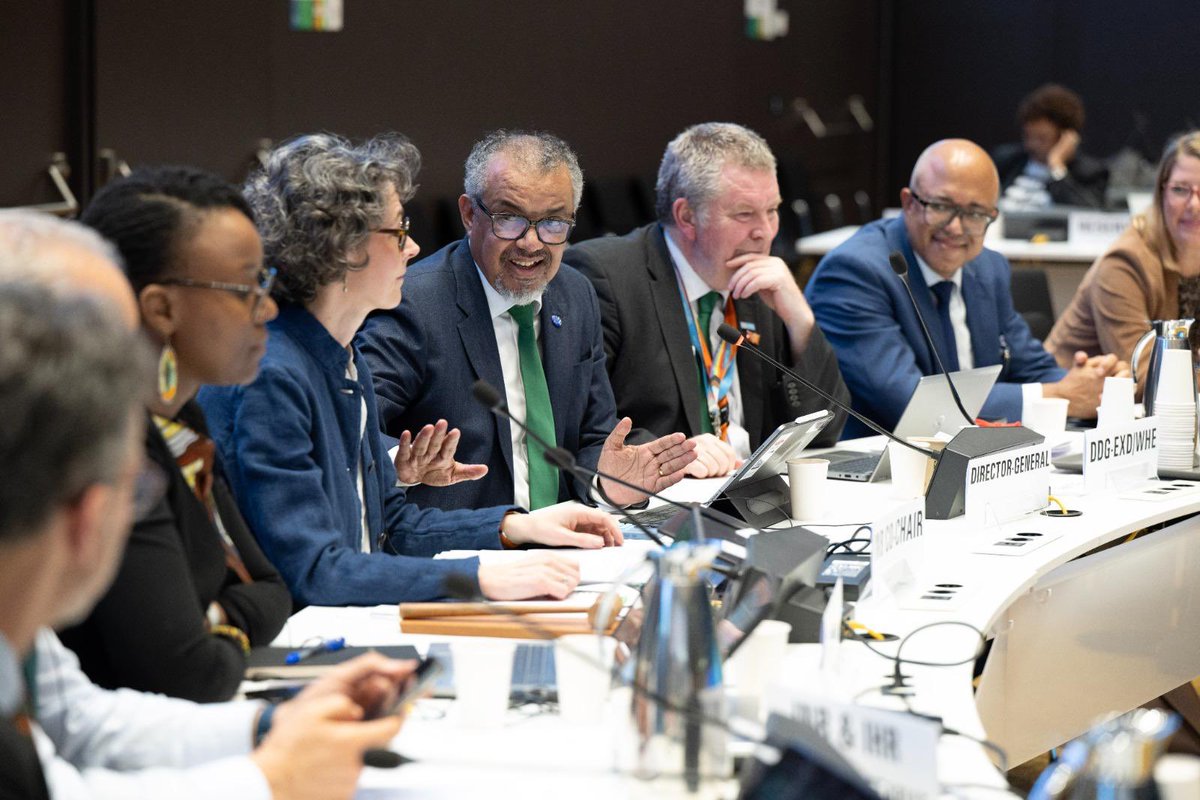
.@WHO Member States made history in Geneva today by reaching consensus on a proposed #PandemicAccord: https://t.co/l7Cia2Bcu3
I thank national negotiators for their foresight, commitment and tireless work. Gratitude as well to civil society partners. We look forward to #WHA78 where countries will consider the agreement for final adoption.
Combined efforts are still needed from all stakeholders in a One Health approach to save these lives lost and the associated economic costs of AMR.
Thanks to the teams for the great contributions.
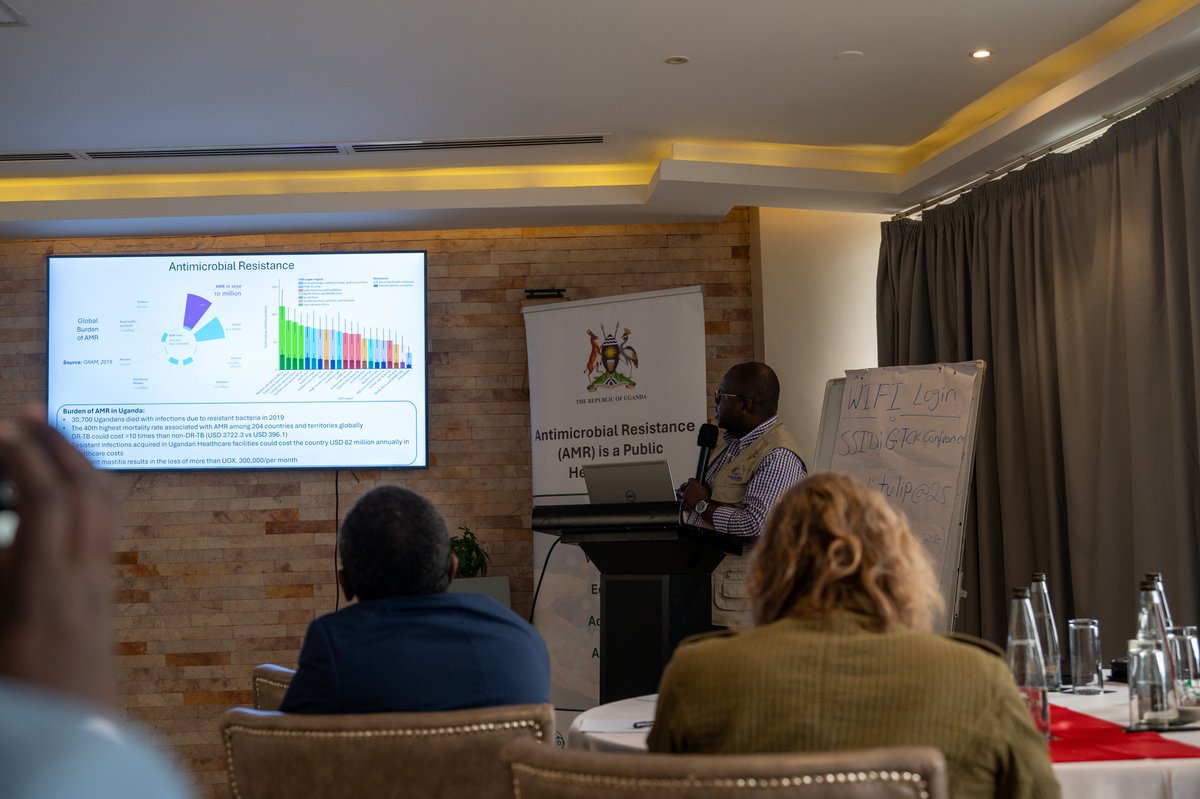
Antimicrobial Resistance(AMR) is a Public Health Challenge claiming over 7000 lives and 30700 deaths are associated with it in Uganda.
Mainly attributed to antibiotic misuse (Humans and animals and Environment), poor prescriptions, noncompliance to clinical guidelines etc...
Today, our Global Health Security (GHS) & @CAMO_Net1 Uganda hub team members attended the National Antimicrobial Resistance Sub-Committee quarterly meeting. Our teams presented findings from multiple AMR studies, sharing key insights for stakeholders in the fight against AMR.
China’s reported levels of acute respiratory infections are within the expected range for the winter season with no unusual outbreak patterns reported. The health care system is not yet overwhelmed, and there has been no emergency declarations or responses.
Read the latest Disease Outbreak News: Trends of acute respiratory infection, including human metapneumovirus, in the Northern Hemisphere.
🔗https://t.co/ru8KvpfHDG
Five Years ago, every country experienced the devastating effects of the pandemic.
Currently there is still a dire need to strengthen pandemic preparedness more so in Low and Middle Income countries.
Five years ago on 31 December 2019, WHO’s Country Office in #China picked up a media statement by the Wuhan Municipal Health Commission from their website on cases of ‘viral pneumonia’ in Wuhan, China.
In the weeks, months, and years that unfolded after that, #COVID19 came to shape our lives and our world.
At WHO, we went to work immediately as the new year dawned. WHO employees activated emergency systems on 1 January 2020, and informed the world on 4 January.
By 9-12 January, WHO had published its first set of comprehensive guidance for countries, and on 13 January, we brought together partners to publish the blueprint of the first SARS-CoV-2 laboratory test.
All along, we convened experts and ministries of health from around the world, gathered and analysed data, and shared what was reported, what we learned and what it meant for people. Read about WHO’s actions here: https://t.co/ita06DUlq7
As we mark this milestone, let’s take a moment to honour the lives changed and lost, recognize those who are suffering from COVID-19 and #longCOVID, express gratitude to the health workers who sacrificed so much to care for us, and commit to learning from COVID-19 to build a healthier tomorrow.
We continue to call on China to share data and access so we can understand the origins of COVID-19. This is a moral and scientific imperative.
Without transparency, sharing, and cooperation among countries, the world cannot adequately prevent and prepare for future epidemics and pandemics.
Today, as often, we pose this question: “is the world better prepared for the next pandemic than we were for COVID-19?” @DrTedros responds ⬇️
For more informatio@n about work by the Pathogen Epidemiology Review Group and other reviews of priority pathogens, please visit our website:
https://t.co/L2l0HZPHrI
⚠️ BREAKING:
The "mystery epidemic" in the Democratic Republic of Congo is believed to be partly linked to influenza, the Congolese government announced Friday evening.
According to laboratory analysts, the prevalence of the influenza virus is 28%.
Great Initiative @IDIMakerere
Thanks!
This will significantly contribute to the achievement of Target 3.3 of Sustainable Development Goal 3, which aims to end communicable diseases, including HIV epidemics, by 2030 hence the realization of good health and well-being for all.
With today's groundbreaking ceremony, we've officially started building an HIV Research & Development Centre on Kalangala Island. Once complete, this @UW - funded facility will bring pioneering HIV prevention research closer to communities. Together, we can end HIV. #OneIDI
Director General, Dr Emmanuelle Soubeyran (@WOAH_DG ) reiterates the importance of enhanced surveillance, reporting, and working together to better fight the threat of #AvianInfluenza.
Read our recommendations: https://t.co/X6Z0xoopgm
#birdflu
XEC is one of six VUMs tracked by @WHO & was designated as a VUM on 24.09.24. XEC is a recombinant #SARSCoV2 variant derived from JN.1 descendent lineages KS.1.1 & KP.3.3, with earliest sample collected on 26.06.24.
Risk evaluation⬇️
https://t.co/d7UX3lGTB8
Governments and donors have pledged around $1 billion to combat Africa’s #mpox outbreak in the past few weeks, with the US pledging $500 million this week, said Dr @JeanKaseya, Director-General of the @AfricaCDC.
https://t.co/A6NjagoWRl
The WHO Global Influenza Surveillance and Response System has released the composition of #flu vaccines for the 2025 southern hemisphere #influenza season https://t.co/UMRn0jpBm9
WHAT YOU NEED TO KNOW ABOUT MPOX
Previously known as Monkey Pox, the disease is caused by the monkeypox virus. It is treatable, but can be severe among children and pregnant women #MOHatWork
Thank you Dr, this is well said.
Conflicts in most African countries (Some affected by the MPox outbreak) lead to the breakdown of Public Health Systems, which is always a threat to the sustainability of Pandemic Preparedness efforts.
There is a pervasive myth that the DRC 🇨🇩 and other countries in Africa affected by the current #mpox outbreak lack capacity for the many elements that are needed for effective outbreak response.
That is not true… my piece in @statnews https://t.co/LGluakA6ag
Uganda emerges as Regional training Hub for laboratory Excellence in East,Central and Southern Africa. Uganda’s National Health Laboratory and Diagnostic Services plays a central role in this regional effort.
On behalf of the Government of Uganda, the Ministry of Health and on my own behalf, I would like to congratulate Dr Ndugulile Englebert Faustine, the new nominee for the @WHO Regional Director position.