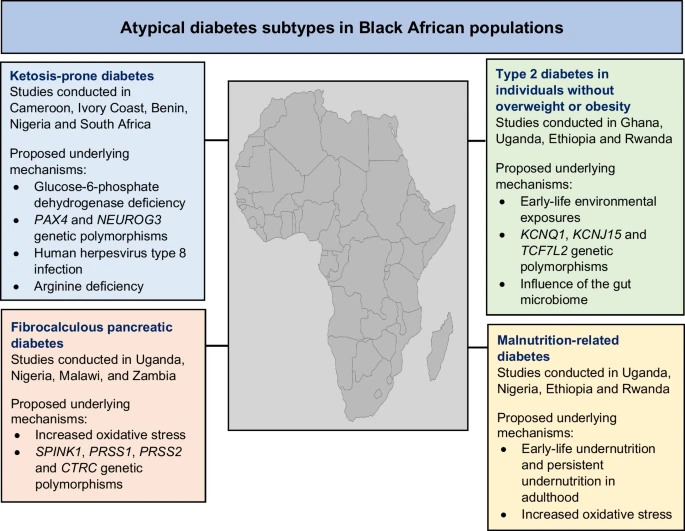
Atypical forms of diabetes are common in African populations. Review highlights four main diabetes subtypes with implications for diagnosis, treatment and equity in care across Africa @JcKatte@kibirigedavis@Exeter_Diabetes@uniofexeHLS https://t.co/v07z8JRswk 🔓
This morning. I asked my son, what is fog called in #French. He thought for a while and said La foggée. We laughed. I #love his thought process though. #Fog is called #Brouillard in French.
Hard truth: no Black African has won a Nobel in Phys/Med, Chem, or Physics. Not a talent gap. A systems gap. ��🌍
Fix it: fund African-led consortia; equitable IP/authorship; APC & visa waivers; mentorship + protected time; nominate relentlessly. ✊🏿
#AfricanScience #NobelPrize
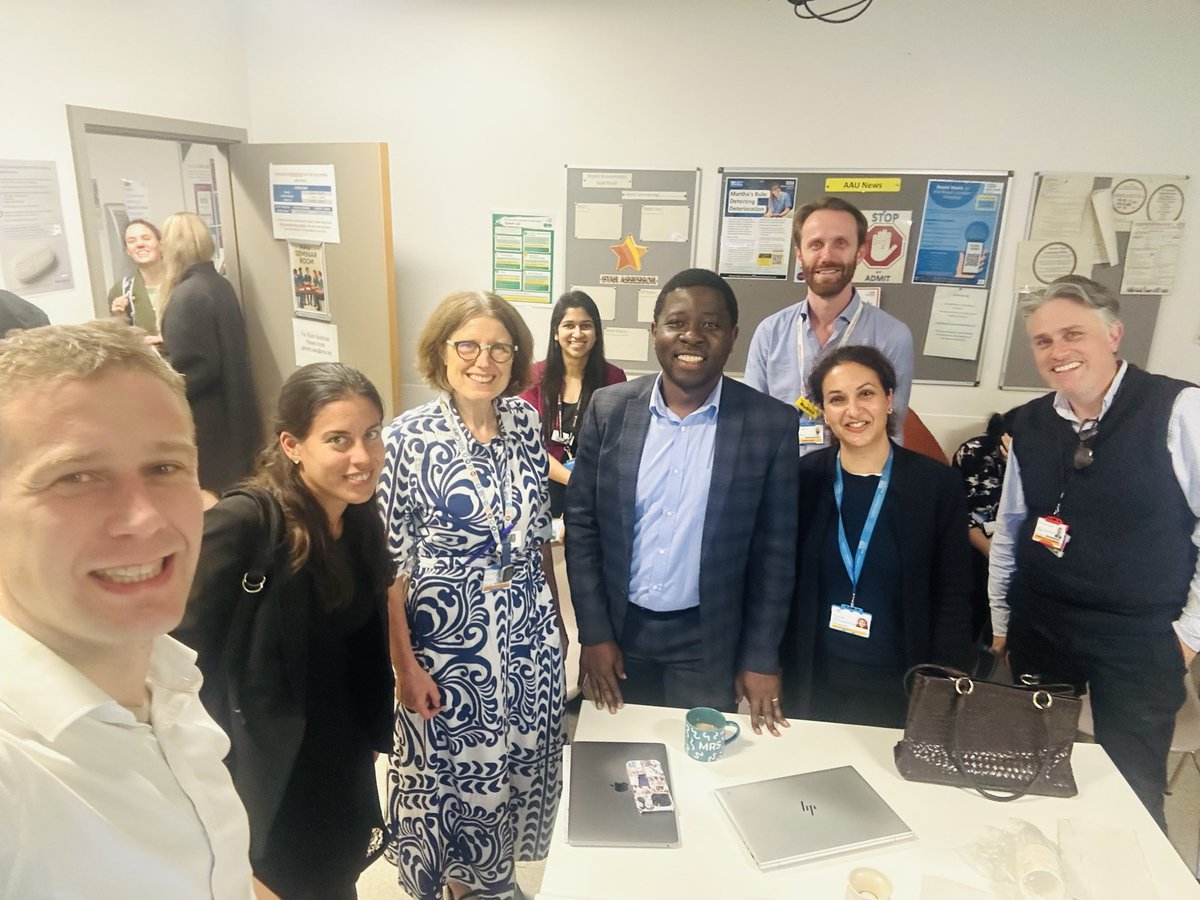
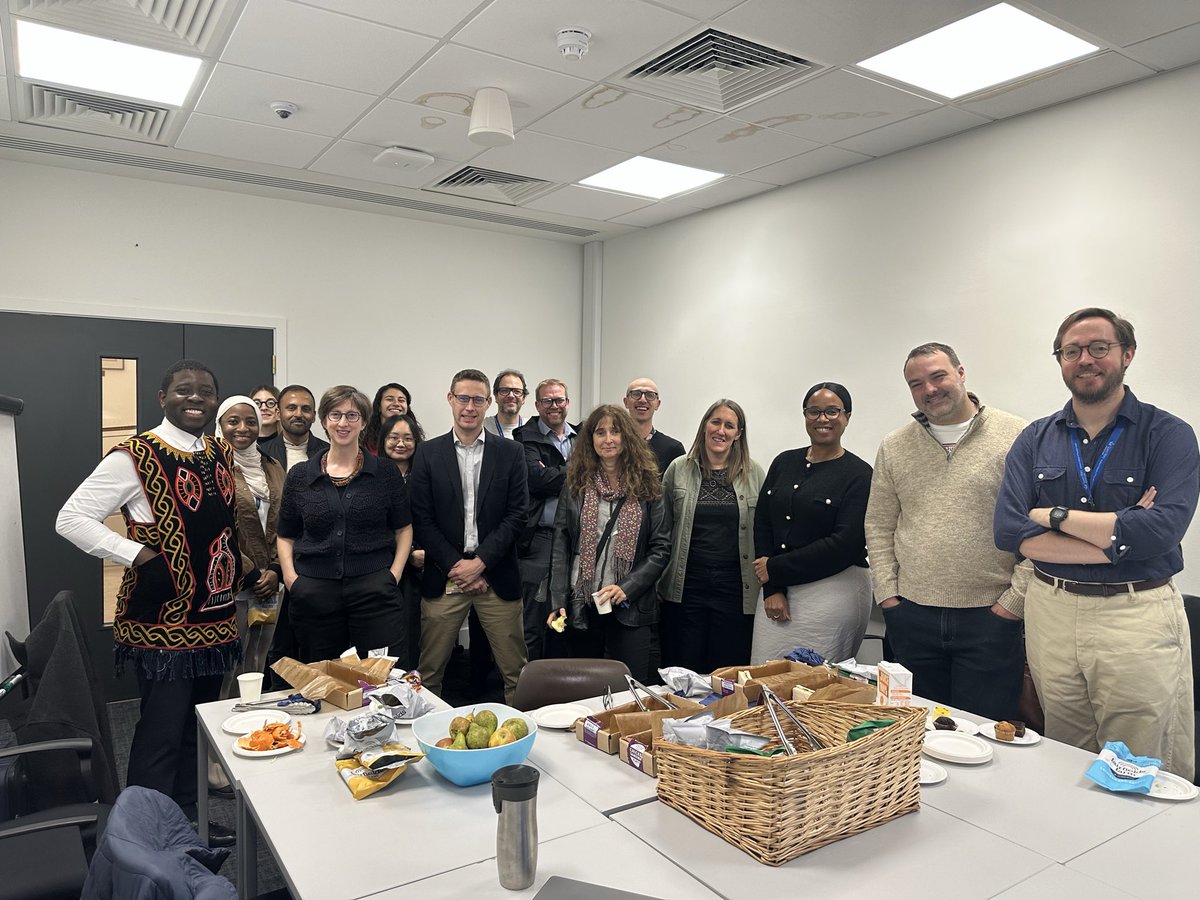
Just wrapped up 3 amazing years with the @DiabetesUK IDia Programme. What a journey! 💡
I’ve grown in leadership, teamwork, presentations & abstract reviewing, and built lasting connections with inspiring diabetes researchers.
Wishing for a no cost extension! 😉
#DiabetesResearch
Excited to be attending this year’s Innovators in Diabetes (IDia) Programme by @DiabetesUK next week! 🚀
Looking forward to connecting with fellow early-career researchers and exploring new ideas to advance diabetes research & care.
#DiabetesResearch#IDia#Innovation
Deadlines loom over scientists.
Nature moves slowly, journals rush fast.
Maybe deadlines exist to tame chaos, turning dreams into drafts.
And when the midnight submission lands…adrenaline wins.
Deadline conquered. Discovery preserved.
#ScienceLife#ResearchJourney#Deadlines
Gutted, I’m missin #EASD2025, but looking forward to catching up at #ISPAD2025 in Canada 🇨🇦. Excited to share and discuss our work on diabetes in Africa and to learn from colleagues advancing care for children and adolescents worldwide. ✨ #DiabetesResearch
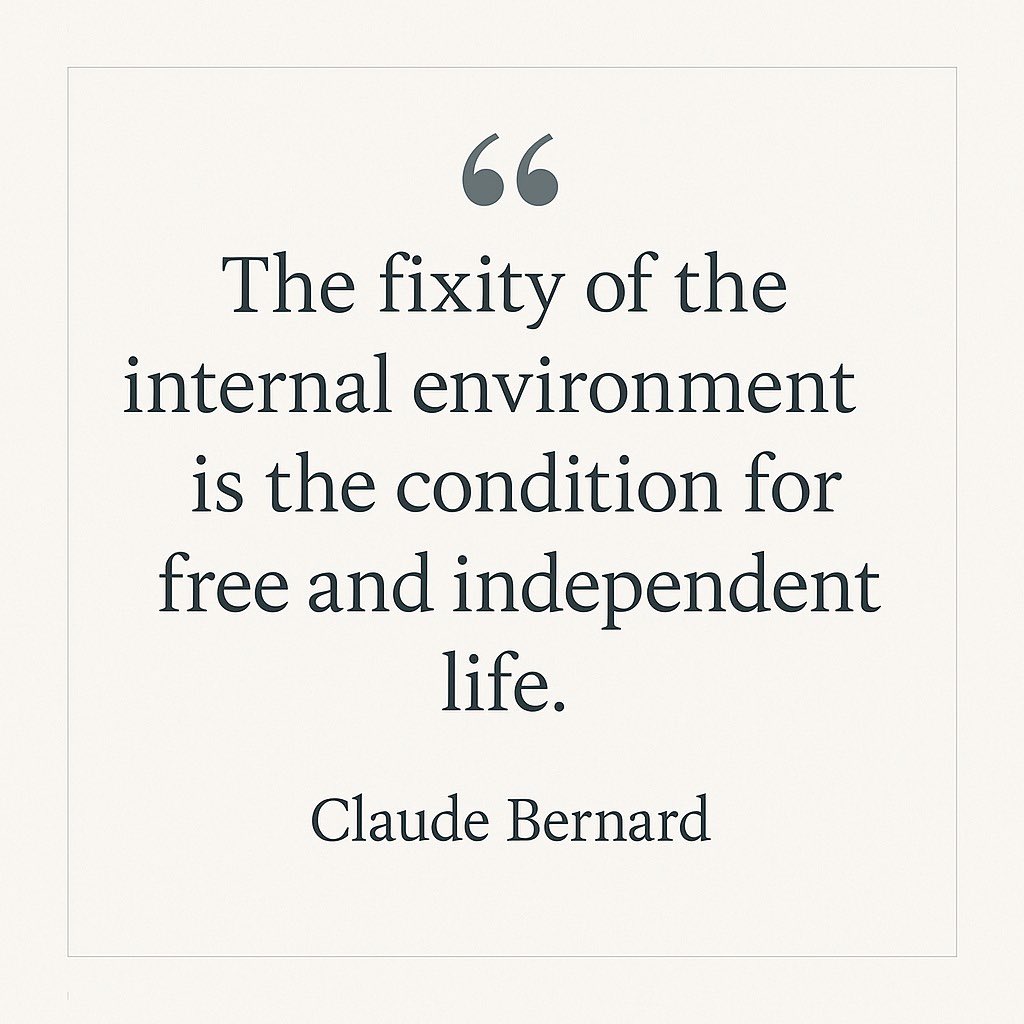
🧑🔬 Named after physiologist Claude Bernard (1813–1878), the prize honours innovative leadership & lifetime impact.
Bernard’s idea of the “internal environment” underpins modern #physiology & #endocrinology.
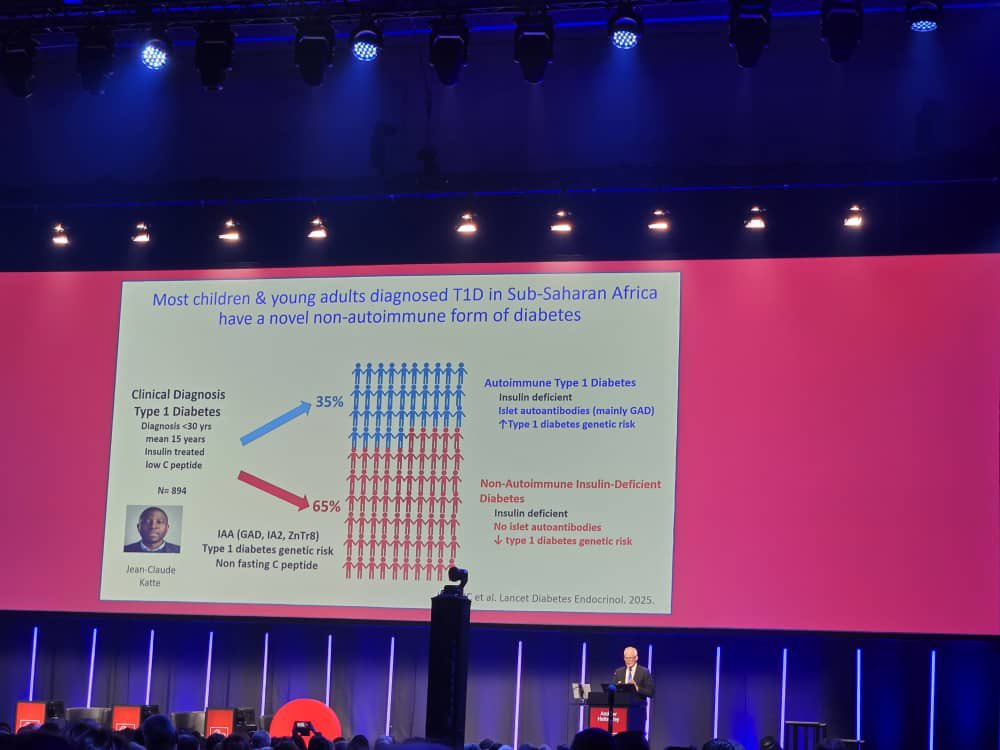
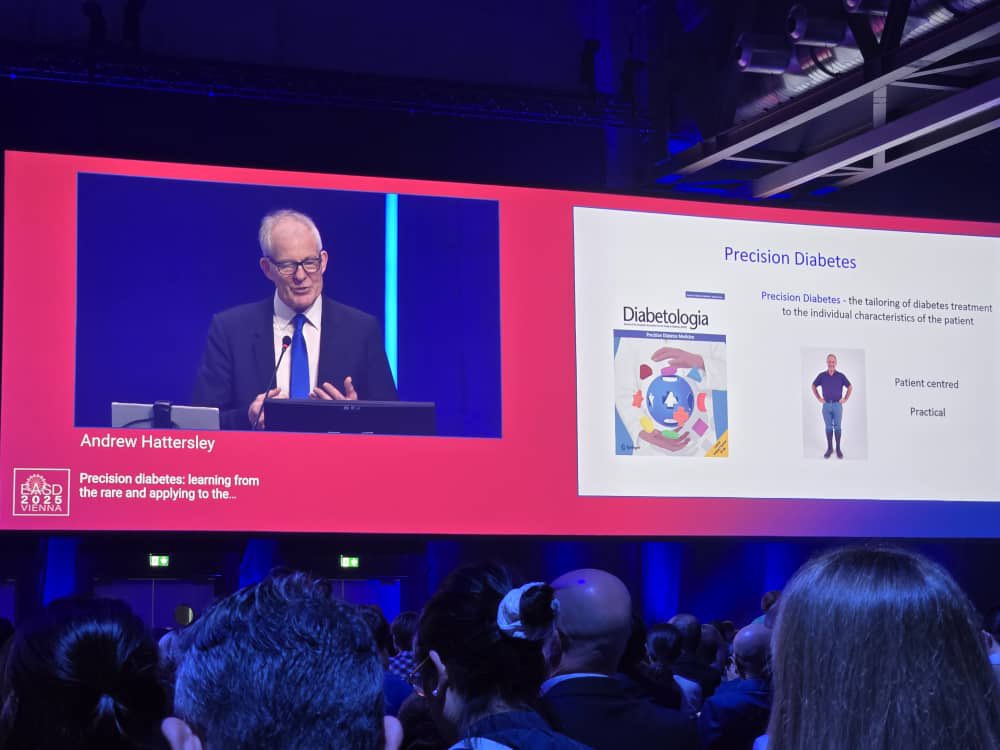
As part of Andrew’s award lecture delivered the opening lecture at #EASD2025, he highlighted our work in Africa:
🔹 Autoimmune #T1D
🔹 Non-autoimmune insulin-deficient diabetes
Two distinct disease groups in African children with diabetes. #GlobalHealth#AfricaDiabetes
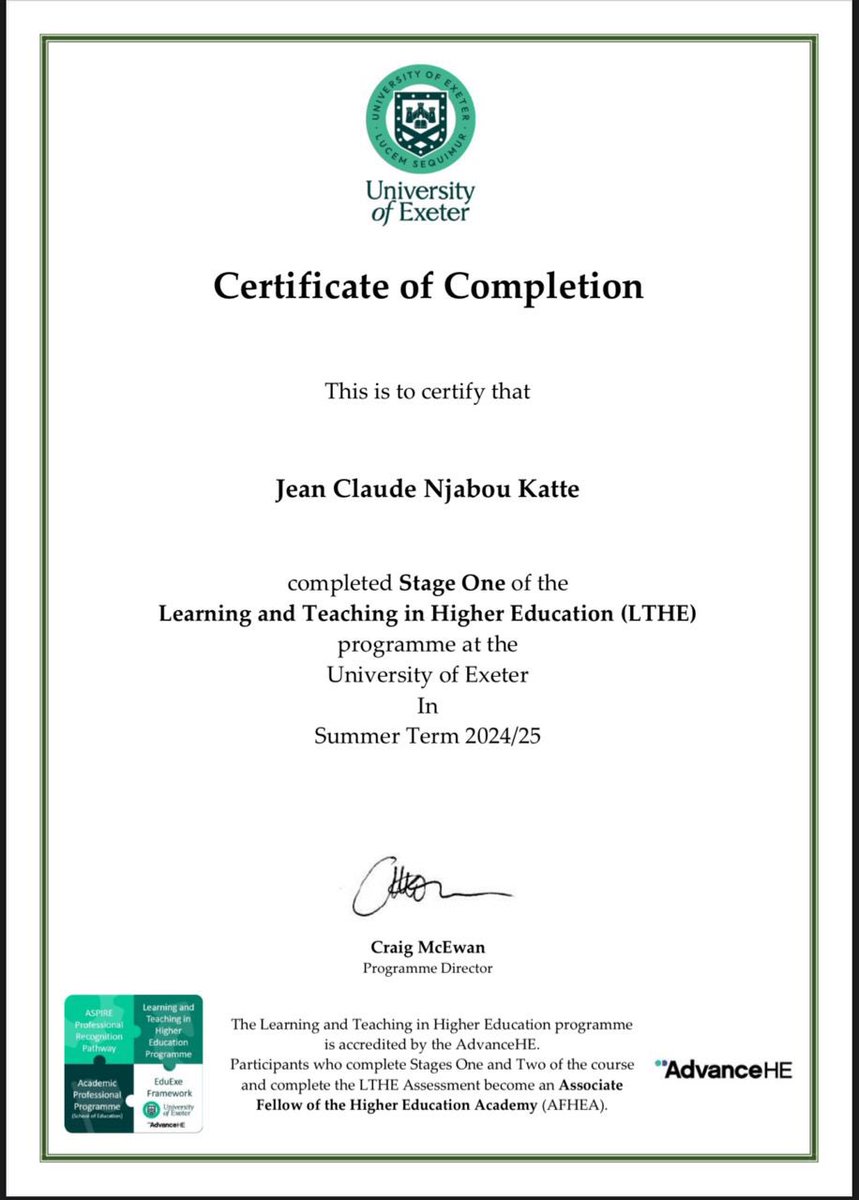
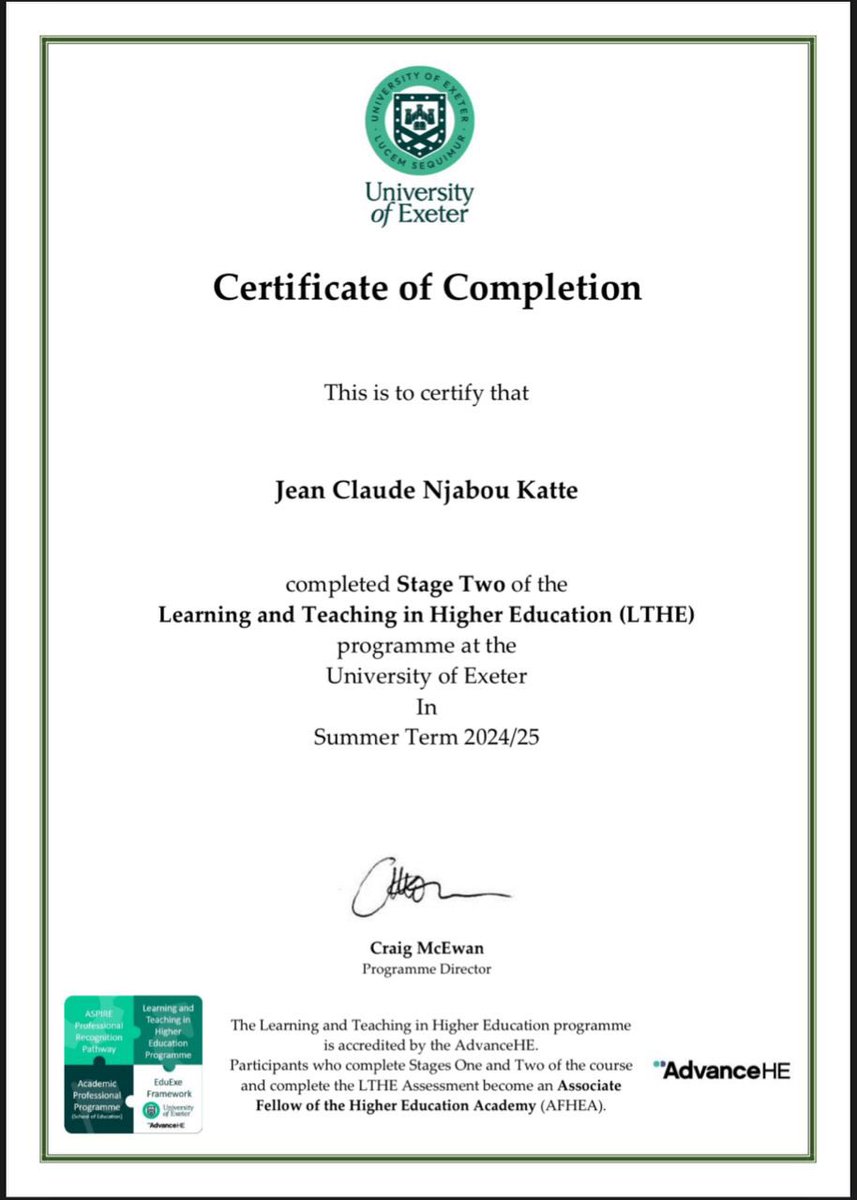
Happy to have completed the Learning and Teaching in Higher Education #LTHEUK course at the @UniofExeter. I’ve learned how to carry reflective (xive) practice, set concise intended learning outcomes, assess bearing in mind inclusivity and much more.
#IenjoyLearning
Great write up from @BT1DUK
Is it really a subtype of autoimmune #T1D or a completely distinct insulin-deficiency #diabetes disease?
More updates coming shortly 😉
Research news: A new subtype of type 1 diabetes (T1D) has been found in Africa 🔬
A recent study found that 65% of children tested and living with T1D did not have the genetic characteristics of the condition.
This suggests a new subtype of T1D has been identified.
Read the full story: https://t.co/mYFbyqhUX4 📖
#Type1Diabetes #GBDoc
[Image description:
New subtype of type 1 diabetes (T1D) found in Africa]
Identifying the environmental triggers & biological mechanisms underlying this #new#diabetes#subtype could inform more effective strategies for prevention & care, not only within #Africa but also for people of African descent worldwide https://t.co/tiLu31Sr2f
#FREE to read
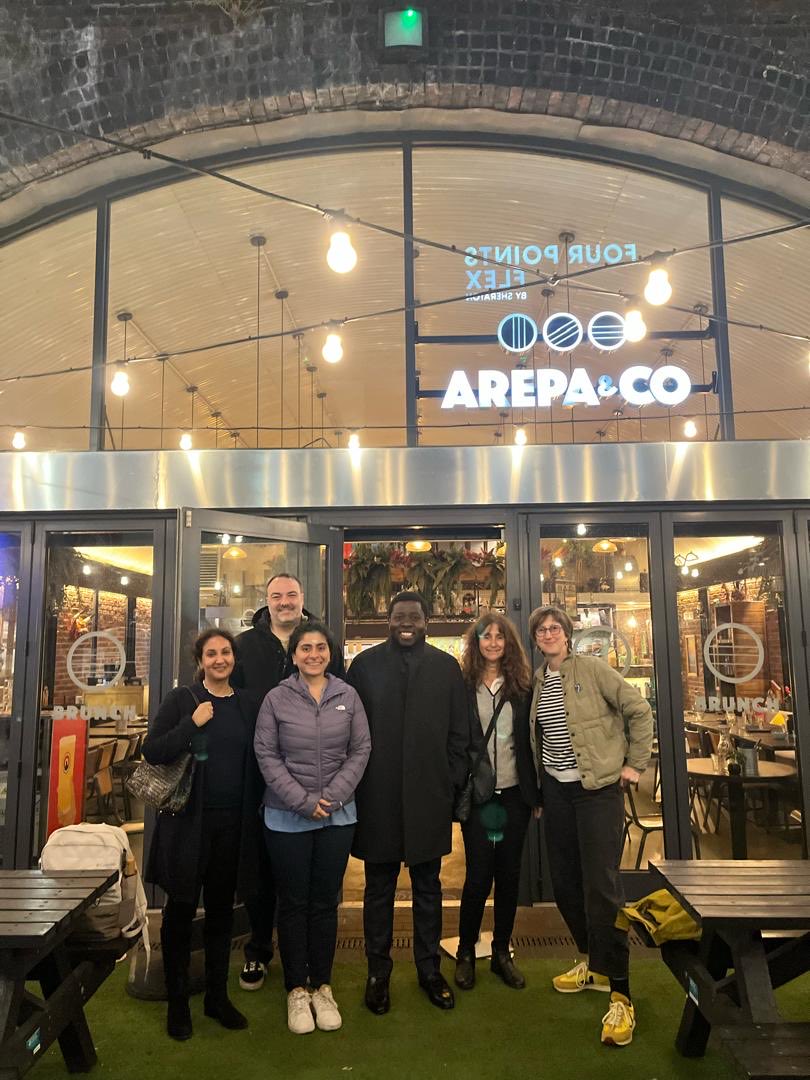
A few weeks ago, I met a wonderful friend & #publichealth residency course mate now working at the National Public Health Laboratory in #Cameroon. Her work is focused on the surveillance of antimicrobial resistance (#AMR) which is one of #WHO priorities for the decade
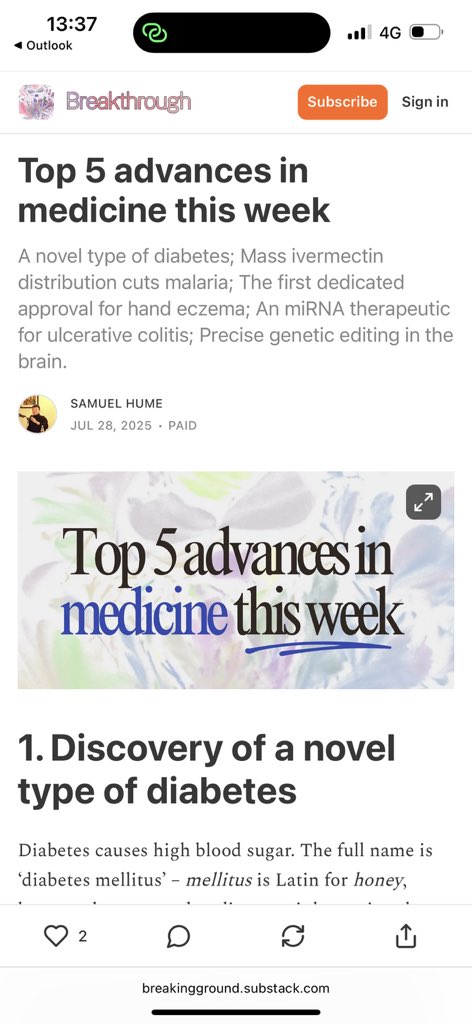
Thrilled to see that our research was top of the list of the Top 5 Advances in Medicine this Week.
Great to see it echo around the world in multiple outlets, over 32 so far ����🏽
#Diabetes
#Africa
#T1D
#GlobalHealth
#Medicine
#Research
Thrilled to share this freshly minted research publication from our @Exeter_Diabetes Global Health Research Group.
Not all young people with #diabetes in #Africa have #T1D. A novel subtype is present.
👍🏾 to all the co-authors and
@NIHRresearch for the core funding.
New—Non-autoimmune, insulin-deficient #diabetes in children and young adults in #Africa: evidence from the Young-Onset Diabetes in sub-Saharan Africa (YODA) cross-sectional study https://t.co/6TiEthZjva #T1D#OpenAccess












![BT1DUK's tweet photo. Research news: A new subtype of type 1 diabetes (T1D) has been found in Africa 🔬
A recent study found that 65% of children tested and living with T1D did not have the genetic characteristics of the condition.
This suggests a new subtype of T1D has been identified.
Read the full story: https://t.co/mYFbyqhUX4 📖
#Type1Diabetes #GBDoc
[Image description:
New subtype of type 1 diabetes (T1D) found in Africa]](https://pbs.twimg.com/media/GxM4HxVW8AADFJ5.jpg)


