Very happy to share that our recent pre-print that studied the molecular function of the atypical kinase, ALPK3, has been published at @NatureCVR. This has been a really fun study and has opened up new questions for us @MCRI_for_kids@reNEW_Global.
#myotwitter#cardiotwitter
Our proteome-wide systems genetic analysis of skeletal muscle is online! We integrated pQTLs with phenotypes and performed a functional screen in micro-muscles identifying UFMylation as a regulator of muscle function. https://t.co/XgqOYGGevp #myotwitter
https://t.co/MdjOaaoGfh
Our group has a Masters and/or PhD position available @UniMelb focusing on signaling, proteomics and metabolism in muscle/bone. Here’s some things you could learn…
New! Phosphoproteomics of three exercise modalities identifies canonical signaling and C18ORF25 as an AMPK substrate regulating skeletal muscle function https://t.co/jYDTN61eZX
Excited to share our data on the divergent and common signaling events between different types of exercise in human muscle. We focused on common events since these likely underlie exercise benefits, and show that S67 on C18ORF25 is an AMPK substrate that promotes muscle function.
We just released the underrepresented post-translational modification database (urPTMdb) and the TeaProt webserver for proteomic analysis! Find out which PTMs are affected in your experiments. Read about it at https://t.co/wIVJIDm2Nh (Thanks @Ben_Leo_Parker & Rui!)
2022 is a big year for me. Absolutely stoked to be leading the Cardiac Signalling group @UniMelb, working with @CardiacPhenomic & others to understand what goes wrong in heart disease & how we can fix it. We are on the lookout for RAs/postdocs to join our team. More info to come!
Excited to present our new proteome-wide systems genetic analyses of skeletal where we integrate pQTLs and phenotypic traits across a mouse population.
If you could read the DNA of half a million people, would you do it and why? Would it work? What would you learn?
To answer this and several related questions, let me walk you through the work my @RegeneronDNA colleagues just published in Nature. 1/24
https://t.co/5Xd7HmfnI6
Having this enormous collection of pQTLs allows us to answer the question (again):
Which is more relevant:
Distance of a GWAS SNP to the TSS (transcription start site) or to the gene body of a candidate gene?
https://t.co/IFYdBnsBXS
Research | Roy et al. (@uthsc) study the impact of a high fat diet across genetically diverse mouse strains & highlight the relevance of considering genetic variation for individualized #Diet recommendations. #personalizedmedicine
https://t.co/59JSlpMbXe
https://t.co/2OVuWZGAQ0
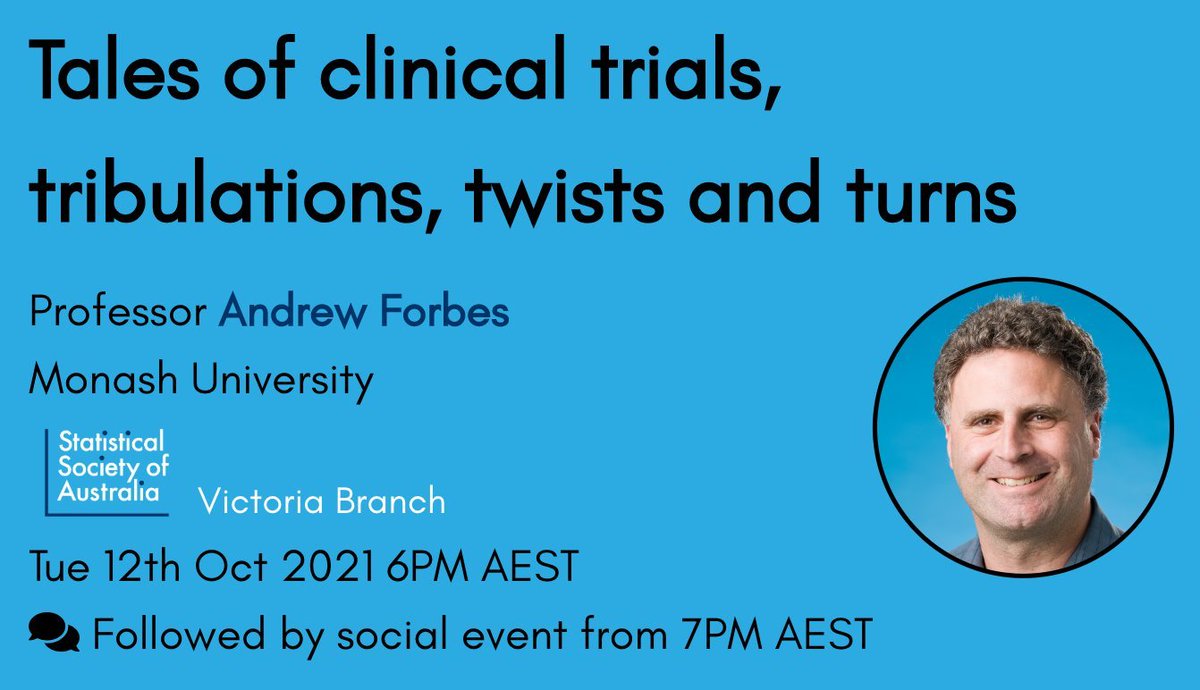
Join us for our annual Belz lecture next Tuesday with Prof. Andrew Forbes (@AndrewF02554942), followed by a virtual escape room social game (limit spots, register now!)
🗓️ 12 October
6-7PM (lecture): https://t.co/mU19hFB8z3
7-8PM (escape room) https://t.co/bgMWzb6q6w
Very excited to announce that I will be starting my own lab @WEHI_research at the start of 2022 🥳. Looking to recruit at all levels, so please contact me if you are interested. For more info: https://t.co/CoVzsby4cv
https://t.co/n6xQSFZ1sZ.