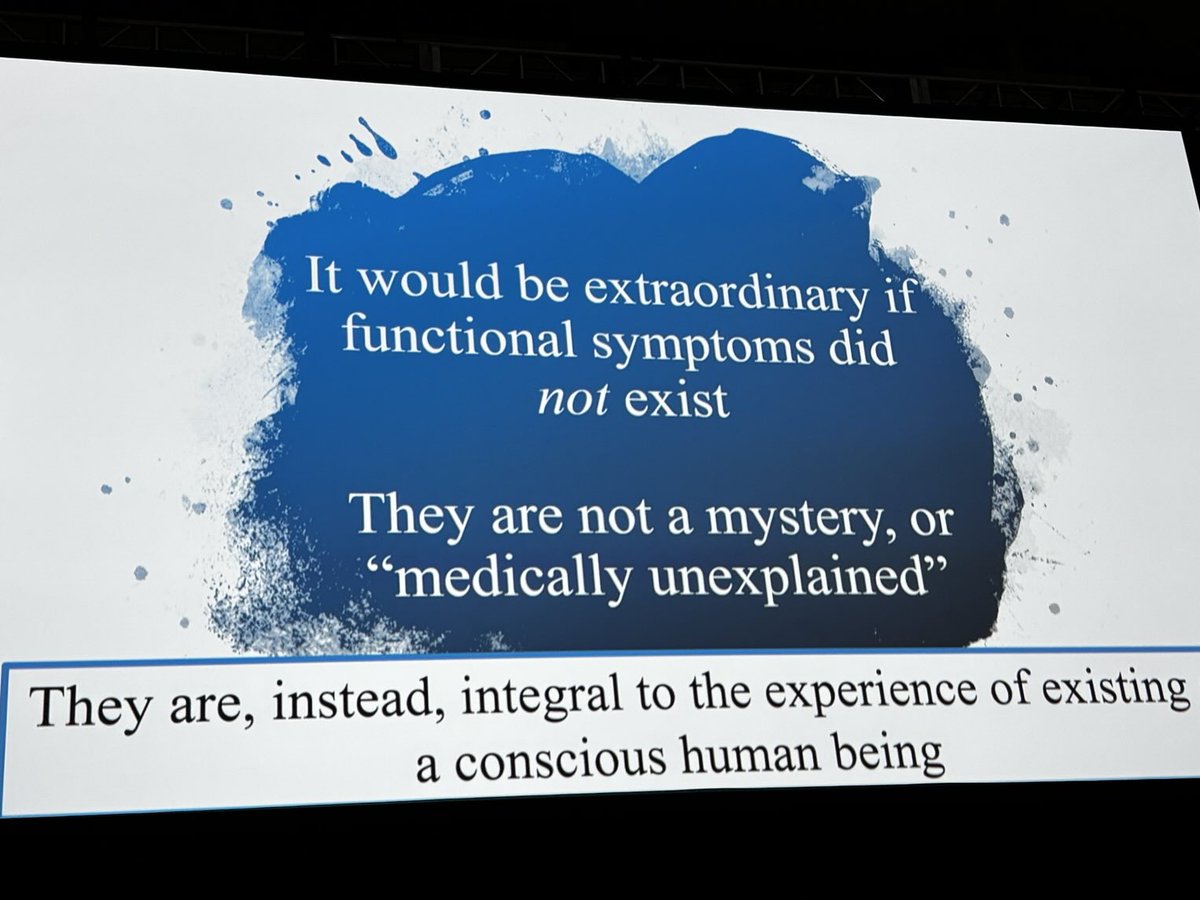
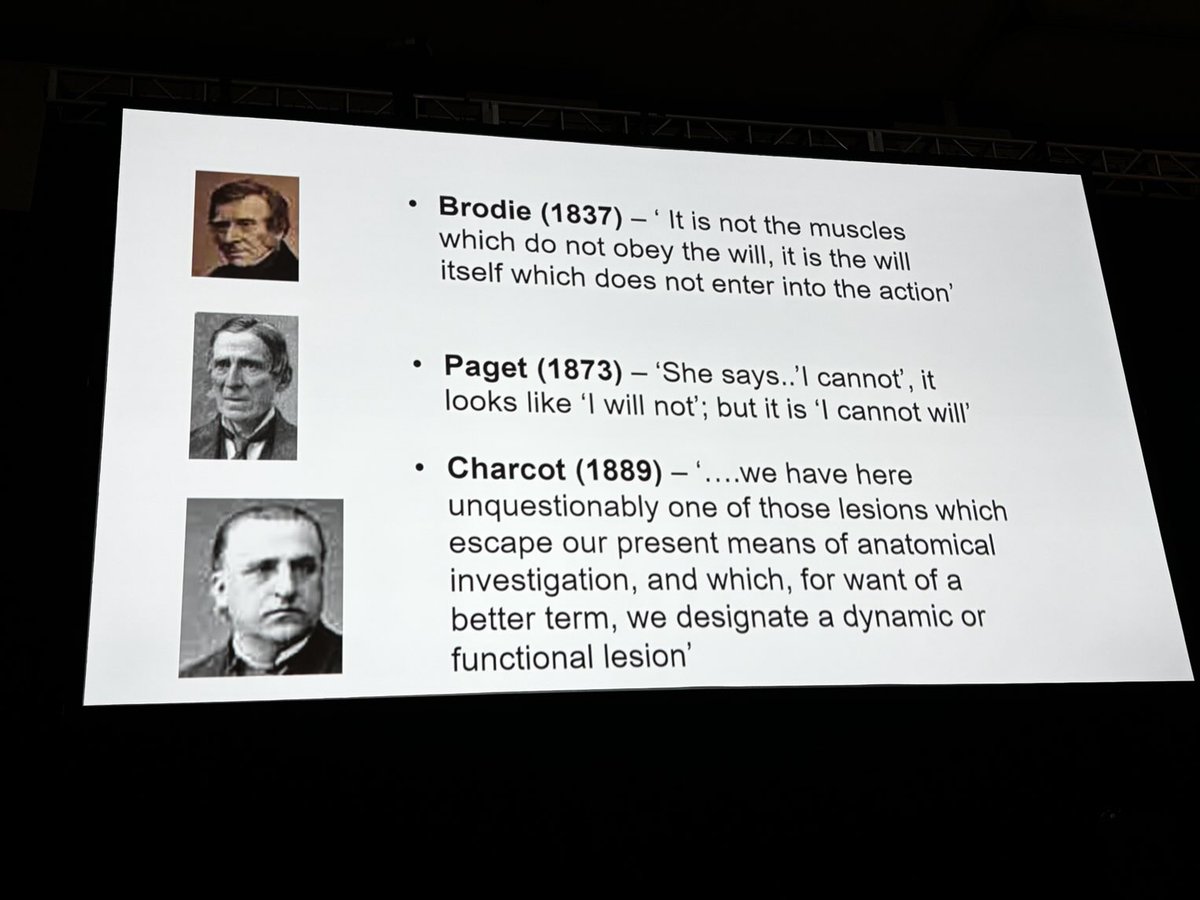
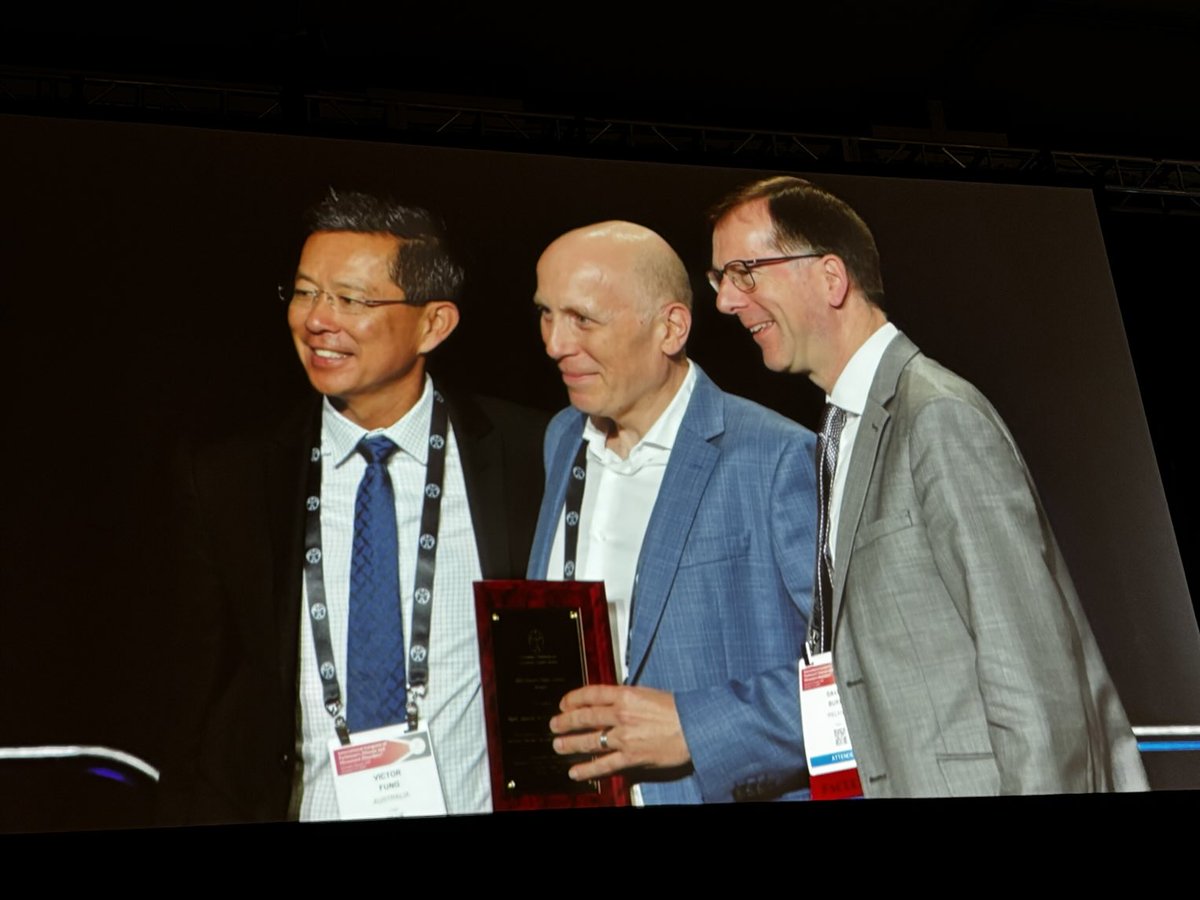
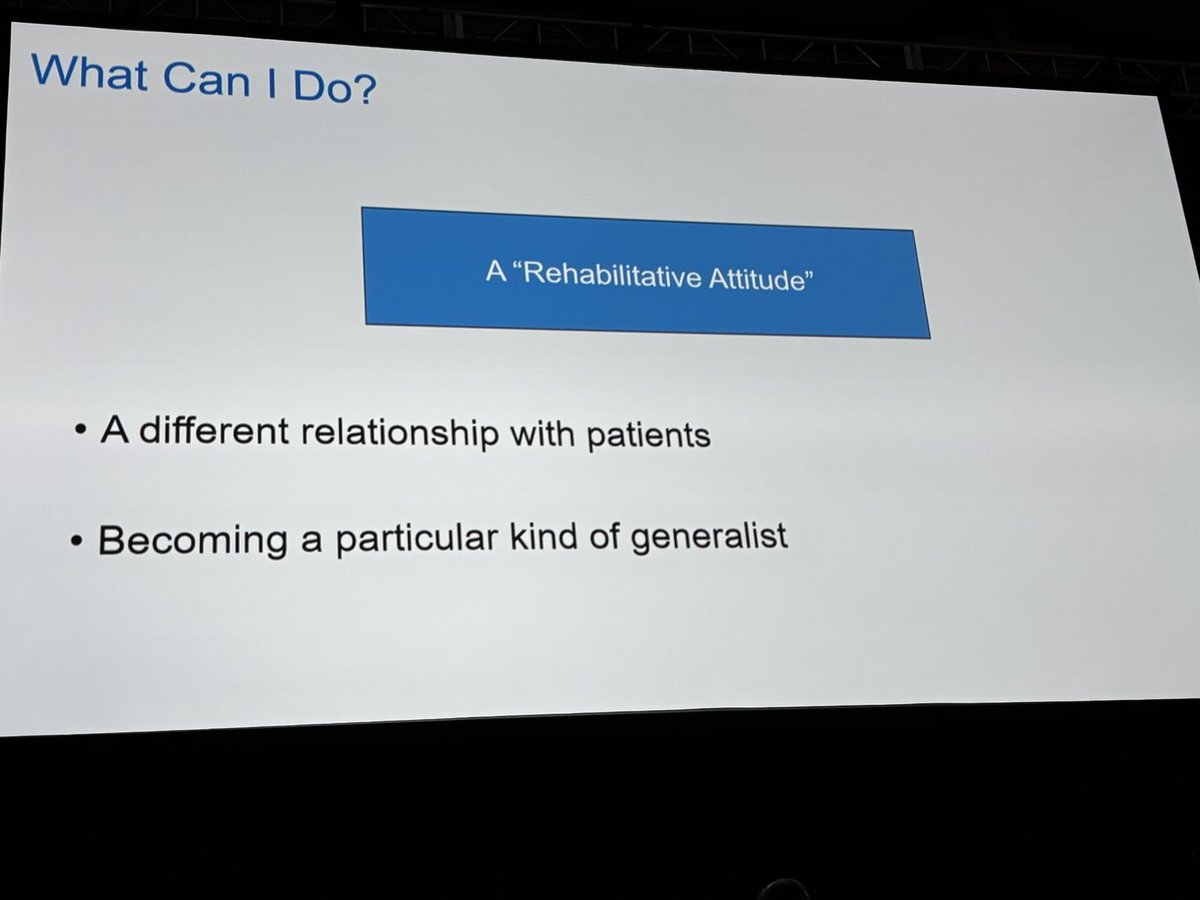
A “rehabilitative approach” to functional neurological disorder, so that, as an FND patient, “I can be still be me as much as possible”. A trailblazing lecture by Mark Edwards at the #MDS Congress in Honolulu. 🙏🏻
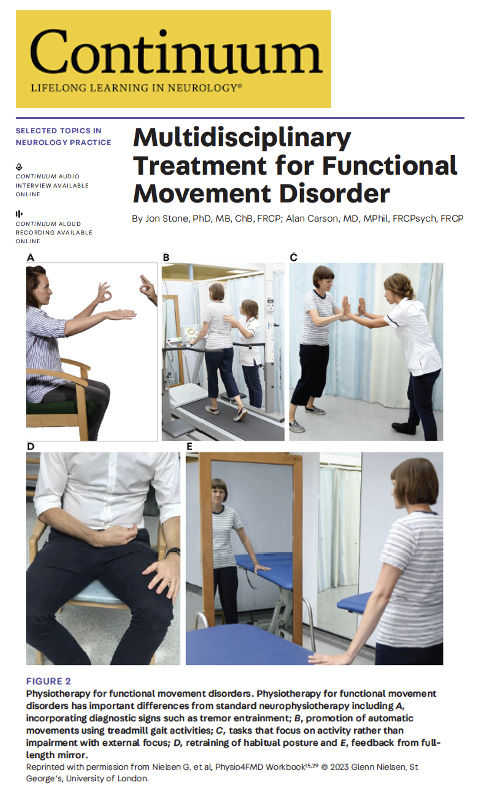
Do you know the 2025 updates on the diagnosis and treatment of functional neurological and movement disorders? Do you know all the most recent tips and tricks for examination and for proper diagnosis Functional neurological disorder occurs when the brain’s software is glitching and not when the brain is physically damaged. Carson and Stone nail it in their new paper in this just published issue of AAN's Continuum.
Key Points:
- Functional movement disorder is best diagnosed w/ a rule-in approach that highlights differences between voluntary and automatic movement.
- Multidisciplinary treatment combining FND-focused physiotherapy, occupational therapy, speech therapy, psychological therapy and pain management.
- All these specialities have been shown to improve outcomes.
- Successful therapy depends on patient understanding, agreement w/ the diagnosis and readiness to actively participate in treatment.
My take: Functional neurological and movement disorders are tricky to diagnose and to treat in clinical practice. One of the best tips I can offer is to see folks many times and always come to visits w/ an 'open mind.' Here are 5 points that resonated w/ me. 1- Functional neurological disorder happens when the brain’s software is glitching and not when the brain is physically damaged. 2- The diagnosis is made by spotting positive signs that show movement can return to normal, not just by ruling out other diseases. 3- Recovery works best with a team including therapists, doctors and counselors all working together along w/ the person w/ disease 4- Progress takes practice, patience and active participation much like learning a new skill. 5- Relapses can happen, however planning ahead and knowing what works for an individual can help keep symptoms in check. This paper is the 11th of 11 in the awesome new AAN Continuum on Movement Disorders. Thanks for spending the last 11 days reviewing the Continuum issue w/ me. As the guest editor I am signing off, sending big thanks to the authors of each paper and hoping you are enjoying the issue.
https://t.co/7hd8w4QG3a @AANmember@ContinuumAAN@movedisorder@FixelInstitute@ParkinsonDotOrg@fneuroforum@LyellJ
Nearly half of dementia cases could be prevented or delayed by tackling 14 risk factors starting in childhood, including two new risks—high cholesterol and vision loss, suggests report from the Lancet Commission on dementia.
On #WorldBrainDay, explore the report ➡️ https://t.co/HSpiSmecMD
A missing puzzle piece in Alzheimer’s and other dementias may be 'modifiable' and right in front of us. This study in Journal of Neurology by Montero‑Odasso and colleagues brings into focus vascular risk factors like high blood pressure, diabetes, obesity, cholesterol, and smoking. Spoiler alert: These risk factors are common across neurodegenerative diseases and modifiable.
Key Points:
- These risks are linked to increased white matter damage in the brain, especially in cerebrovascular disease (CVD), frontotemporal dementia (FTD), and Alzheimer’s/MCI.
- White matter damage shows up both as visible lesions (white matter hyperintensities) and as subtle microstructural changes detectable on advanced MRI.
- The APOE ε4 genetic risk for Alzheimer’s only slightly modified these vascular effects, meaning vascular risks acted independently.
- The vascular risk index (VRI) was a strong predictor of neurodegenerative disease presence and severity.
My take: Here are 5 Takeaways from this article:
1- Vascular risk is not just noise, it's a signal. Alzheimer's and related diseases aren’t just about amyloid and tau. Small vessel disease and vascular burden are co-conspirators in brain decline.
2- Brains don't forget blood pressure. Hypertension and cholesterol were more common in people with Alzheimer's, FTD, and CVD. These are treatable targets.
3- The MRI never lies (at least most of the time). Higher vascular risk scores were tied to worse white matter integrity, both the kind you can see (lesions) and the kind you can’t (microstructure changes).
4- Genetics isn’t destiny. APOE ε4 status didn’t erase the impact of vascular risks. That means even genetically at-risk individuals can benefit from better vascular control.
5- It's time to treat what we can fix. We may not yet have a cure for Alzheimer’s, but we can reduce stroke risk, treat blood pressure, and manage cholesterol. This study adds urgency to acting now. When it comes to health be sure you nosce te ipsum – know thyself and think about what may be modifiable.
https://t.co/4PSARGDJRr @ParkinsonDotOrg@FixelInstitute@HeartAssocMN #Alzheimers #Dementia #BrainHealth #StrokePrevention #Hypertension #Cholesterol
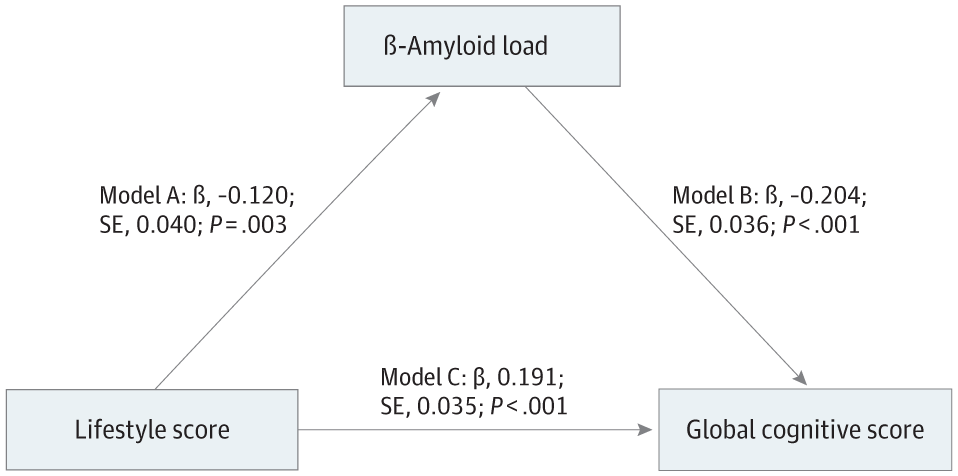
New Rush Memory and Aging clinicopathologic study: 88% of the effect of lifestyle on global cognition is direct, 12% through β-amyloid & tau tangles. A healthier lifestyle is associated with better cognition independently of #Alzheimers pathology.
https://t.co/1abCvyONSL
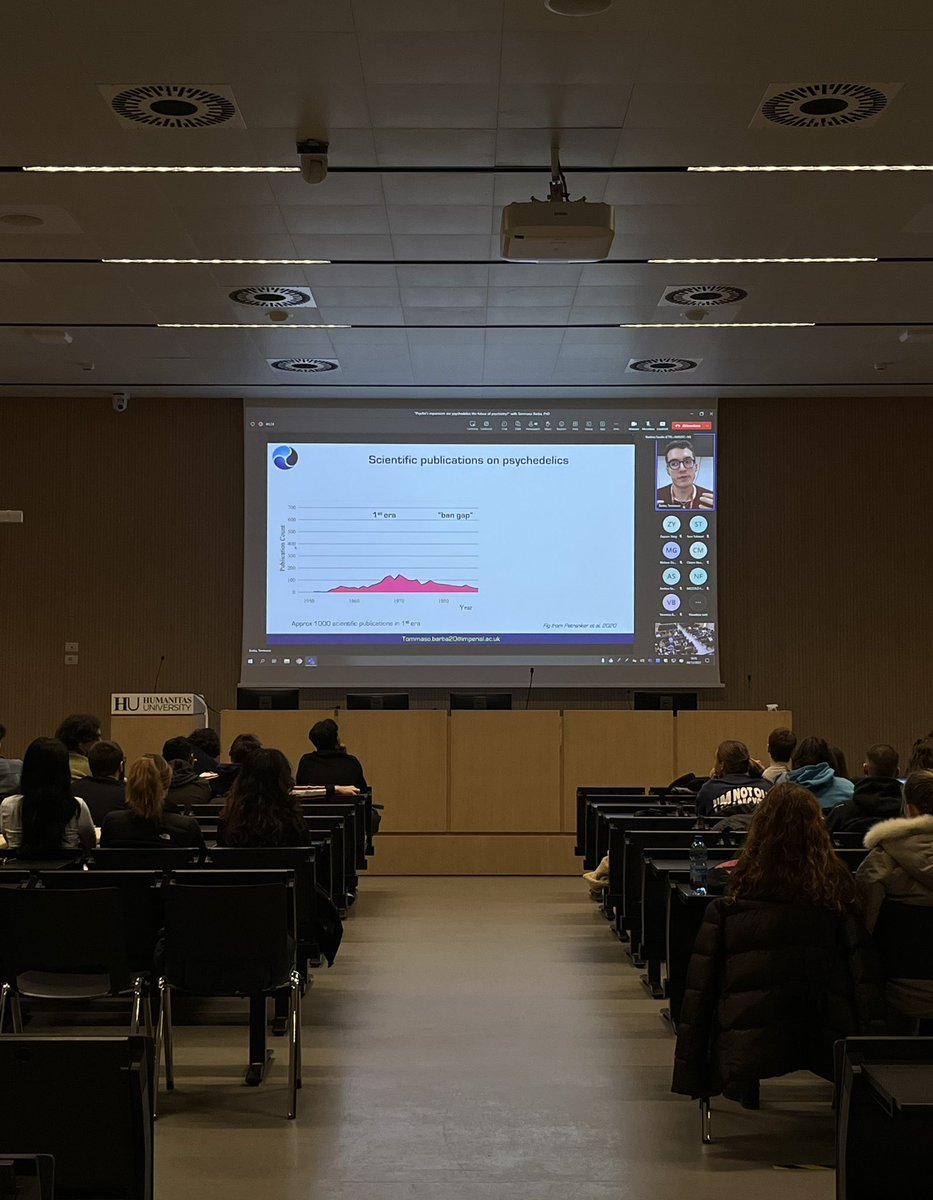
🗣️Last week @tommaso_barba delivered a captivating lecture exploring the transformative potential of psychedelics in psychiatry! 🧠💡
Missed the insights? Catch up here: https://t.co/hzYuR9eWTh
#Psychiatry#MentalHealth#Psychedelics
Dear Italian friends, tomorrow I will give an ONLINE lecture for @HumanitasMilano on the promise of #psychedelics for #psychiatry.
If you are interested in joining register with the link below, it’s free. https://t.co/4oLRKbmucp
It's official.. TEDx have released my Talk "why is Functional Neurological Disoreer so poorly understood". #fnd community I hope you will join me in sharing this. This one is for all of us with FND. Link here: https://t.co/044gnYL0Xu
For everyone who believes that stroke medicine lacks sophisticated reasonings, please read our "Clinical Reasoning: Acute Monocular Vision Loss in a Patient With Ipsilateral Extracranial Chronic Internal Carotid Artery Occlusion" https://t.co/jFQy2zZoiq
This new article is a personal reflection on lessons learned from being an 'FND neurologist' for 25 years. Hope its helpful. Part of an FND special issue edited by @PerezMGHLab and Sara Finkelstein. Free access until 9th June below.
https://t.co/LhFzEQvktu
@LodatoS_Lab@HUNIMED@HUNeuroSociety Thank you Professor for allowing me to get a taste of the fascinating work your lab does and for being a true inspiration to myself and many other students
Proud of Alice Jelmoni who has described her path as medical student and her passion for neuroscience at @HUNIMED. Inaugurazione Anno Accademico 2022-2023.
@LodatoS_Lab@BiancaASilva11