Associate Professor of Sociology & Research Chair in Multiculturalism @McGillU. PhD @UofT. Tweets about migration and miscellany. English/Deutsch. Views my own.
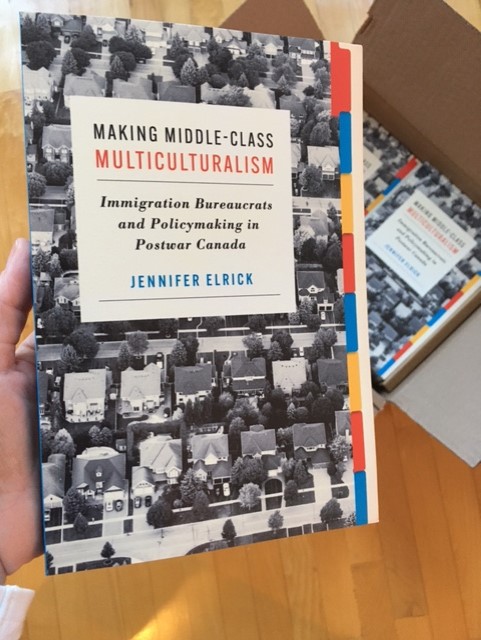
It’s been a long time since I was this excited to open a package. I’ve always loved books, and now there’s one out there with my name on it @utpress. Big thanks to all who offered feedback and support along the way. What’s it about? A thread. 1/
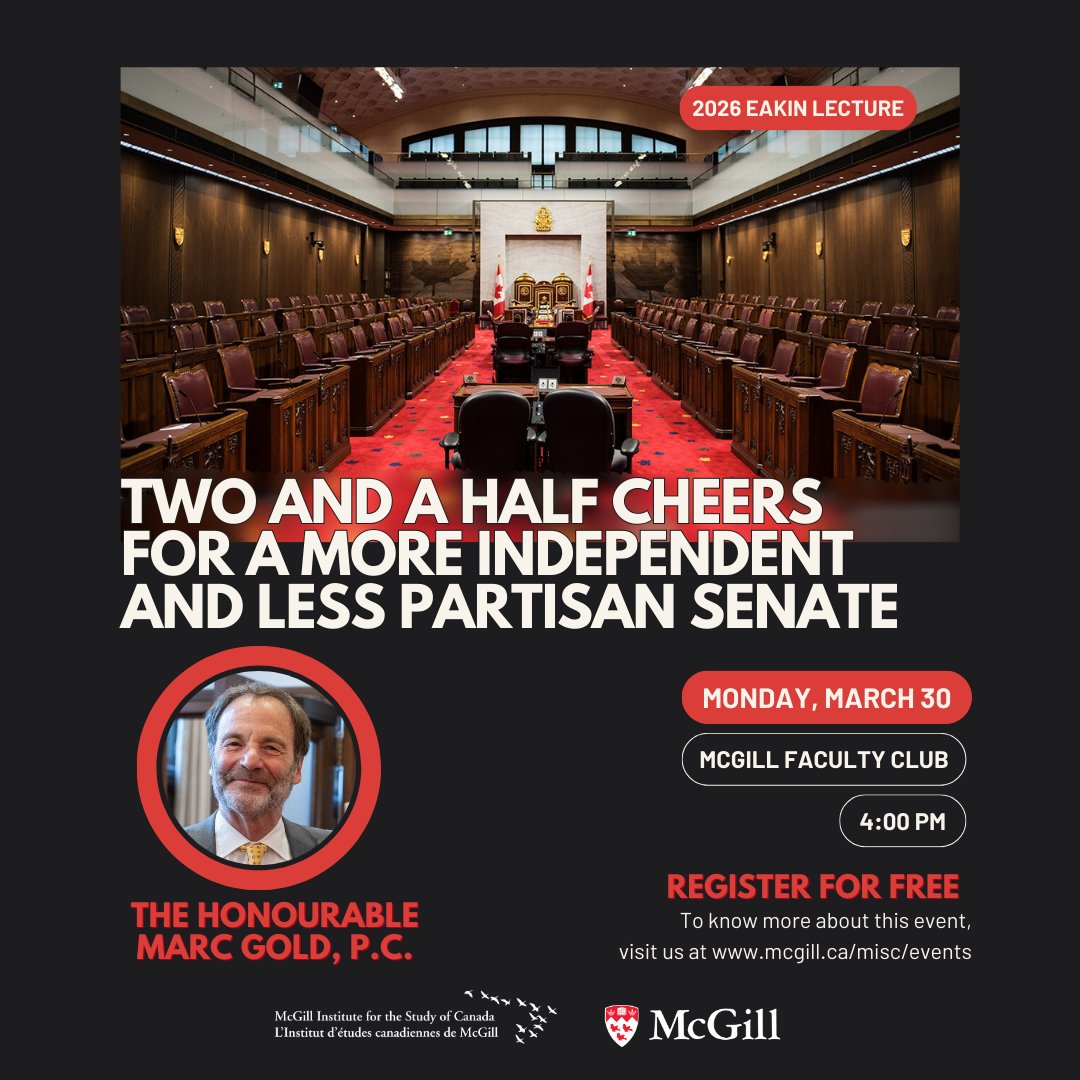
Our winter Eakin Lecture is just around the corner! Join us on March 30th for a lecture by the Honourable Marc Gold, “Two and a Half Cheers for a More Independent and Less Partisan Senate”.
📅 March 30
⏰ 4:00 PM
📍 McGill Faculty Club
🎫 Free!
Ticket link in bio!
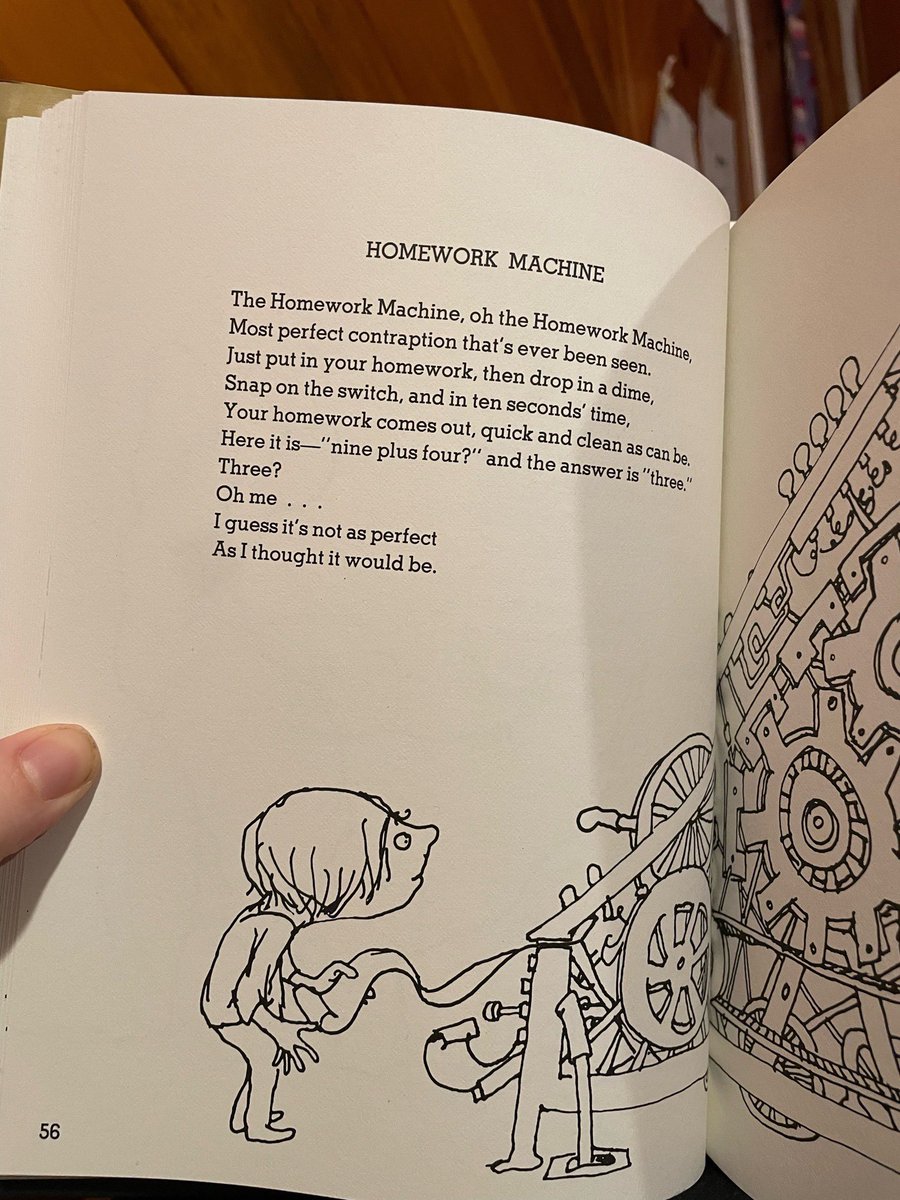
Students who took notes by hand scored ~28% higher on conceptual questions than laptop note-takers.
Writing forces your brain to process and compress ideas instead of copying them.
For the weirdos in my replies saying “Britain GDP rose because of the Industrial Revolution, not colonialism.” The Industrial Revolution was financed by empire. Britain extracted the modern equivalent of £45 trillion from India (Patnaik), ran its mills on 100% slave-grown cotton (Beckert), destroyed Indian textiles with 70% tariffs (Cambridge Econ History), and funded industrialisation with Bengal’s tax surplus (Datta). As India and China fell from ~60% of world GDP to ~7% (Maddison), Britain’s GDP tripled. Empire supplied the capital, raw materials, captive markets, and labour regime that made industrialisation possible. Britain didn’t rise despite empire, it rose because of it.
Au Québec, le gouvernement freine la réunification familiale. Je trouve cette politique injuste, et j’ai publié un texte dans La Presse pour en expliquer les conséquences. Voici mon analyse: https://t.co/wdEiwM05mf
Book bans are rising, but everyday Americans don't want bans.
We tested ~2,000 people and found broad acceptance, not polarization.
The public doesn't echo elite battles.
📄 Cultural Polarization & Social Groups: The Case of Book Banning
🔗 https://t.co/aliiOgrh0F
In Fahrenheit 451, the abolition of reading began with tech companies simplifying books into summaries that you could read in five minutes. Because people no longer engaged with the texts, they forgot how to think. Then came the book-burnings.
Revisit Anthony Bourdain’s 1999 essay about working in Manhattan restaurants. “Gastronomy is the science of pain,” he writes. “It was the unsavory side of professional cooking that attracted me to it in the first place.” https://t.co/pGidB3V3hH
Our final event of the semester!
Join us online on May 20th for Elections in Troubled Times: The 2025 Canadian Election in Historical Perspective, a free webinar feat. Ken Carty, Patrice Dutil, Tom Flanagan, David MacKenzie, and Barbara Messamore. Moderated by @JenElrick
“Every time a politician cites ‘capacity,’ I’m reminded of professor Luna Vives, a migration policy expert at Université de Montréal, who told me: “Capacity is not something that exists. It’s something that we create.’” #migration#Quebec#Canada