@beyond_broke I’m so thankful for God, my husband, my boys, and seeing your You Tube! Thank you so much Jake Claver! I have learned so much and I am forever greatful!
💔 A heartbreaking reality: severe autism engulfs countless individuals in a storm of gut dysbiosis, neuroinflammation, sensory overload, and relentless self-injurious behaviors—slamming heads into walls, clawing at their own skin, physically assaulting caregivers, and living without speech or the ability to communicate basic needs.
Many endure crippling anxiety, uncontrollable meltdowns, and profound developmental delays, leaving them trapped in a world of tics, stims, and isolation, often unable to leave their homes.
This community has been erased for decades, their existence buried until advocates like Secretary Kennedy forced the world to see them.
But the dangers are unrelenting: autistic children are 160 times more likely to drown; 49% attempt to elope after age 4, with 53% missing long enough to ignite panic. Elopement is a death sentence for too many, with drowning a leading cause of death.
Parents of these children face an unimaginable burden, aging under the weight of round-the-clock care for an adult who may never live independently.
They battle exhaustion, fear, and financial ruin, changing diapers, managing violent outbursts, and scouring for rare moments of connection with their child.
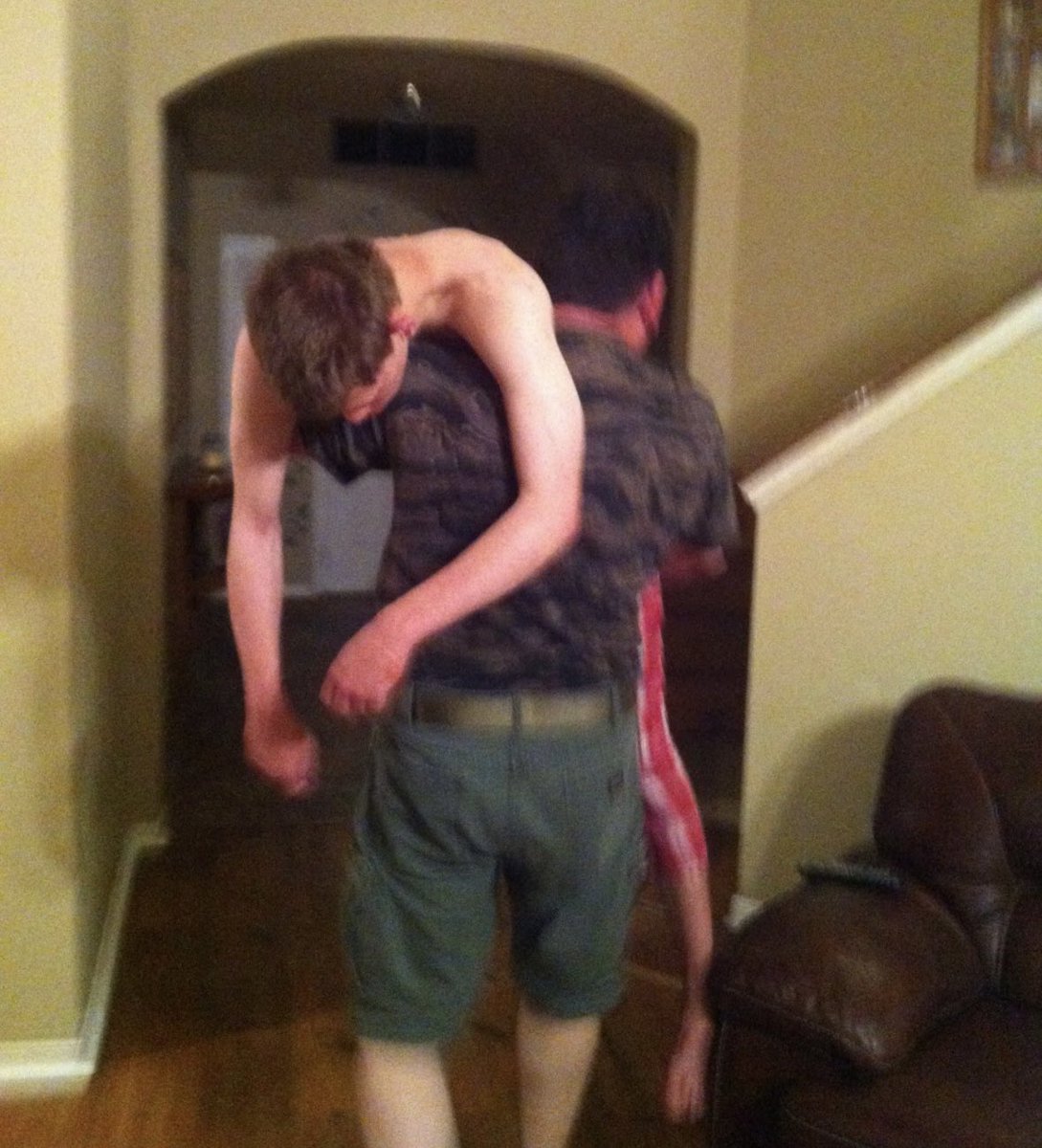
As they grow older, their bodies weaken, but the demands don’t—lifting a grown adult, restraining them during meltdowns, or chasing them during elopement attempts.
The divorce rate for these parents is staggering, with studies estimating up to 80% of marriages collapsing under the strain of raising a child with severe autism. Siblings often grow up in the shadows, their needs sidelined by the constant crisis.
Yet, these families are left to fend for themselves, with no roadmap for when their child ages out of programs at 21 or 25, and support systems evaporate.
What happens when these parents, part of the first “wave” of this crisis, die? Their adult children, often cognitively and functionally dependent, face a void—no services, no specialized facilities, just the cold reality of institutions ill-equipped for their needs.
This subset of the autism community, more than any other, needs urgent support. They deserve to be seen, not silenced by parents of high-functioning autistic children who, by sheer luck, face fewer challenges.
It’s a bizarre flex for those parents to dismiss this group, to claim their struggles don’t deserve visibility or representation just because their own child navigates the world more easily.
Denying the reality of severe autism doesn’t erase it—it buries those who need help most.
This community isn’t asking for pity; they’re demanding a lifeline—funding for specialized care, housing for adults with profound needs, and training for caregivers who understand their unique challenges.
They need society to stop averting its eyes and start building solutions.
The silence from those who could amplify their voices, especially within the autism community, is a betrayal.
@SecKennedy@uscodr@ChildrensHD@DrSuzanneH7@AgeofAutism@HHSGov@ICANdecide@IanCarrollShow@joerogan