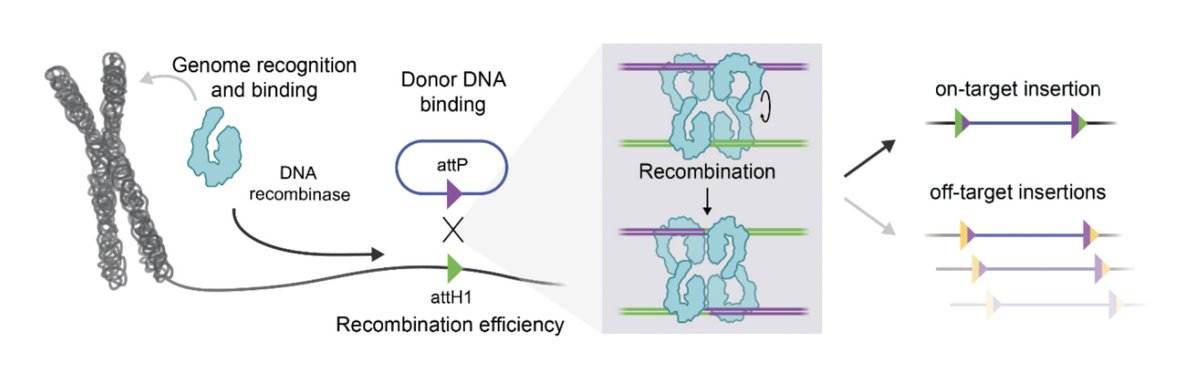
🧵In new work, we report a systematic engineering roadmap to optimize large serine recombinases (LSRs) for direct, site-specific insertion into the human genome 🧬. We achieved over 50% insertion efficiency and 97% genome-wide specificity, a 10X improvement over our previous work
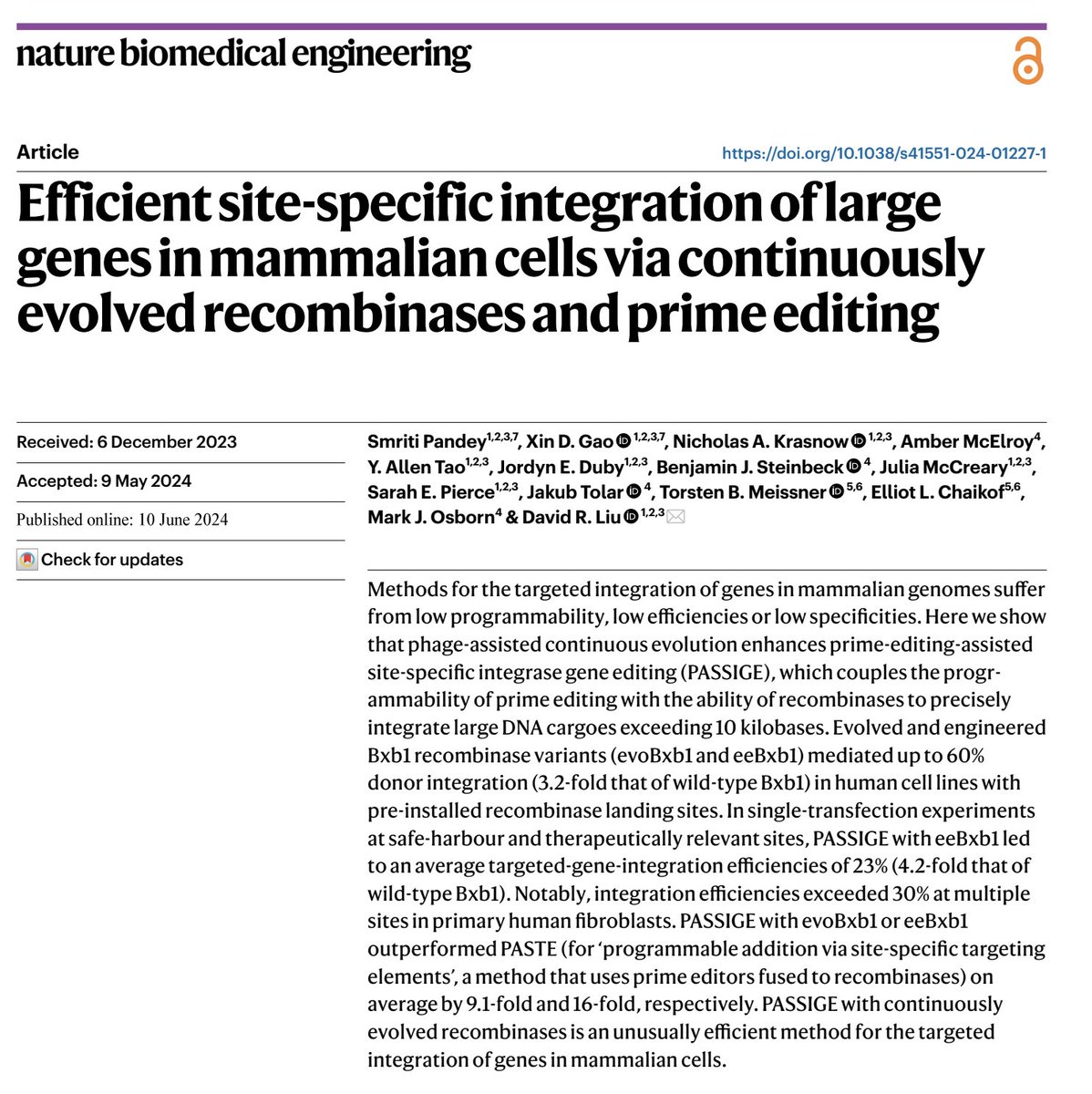
Today we report in @natBME the eePASSIGE system, which uses evolved and engineered recombinases and prime editing to integrate large gene-sized DNA cargoes into the mammalian genome in an efficient, precise, and targeted manner. (1/13)
https://t.co/xvjTwgApde
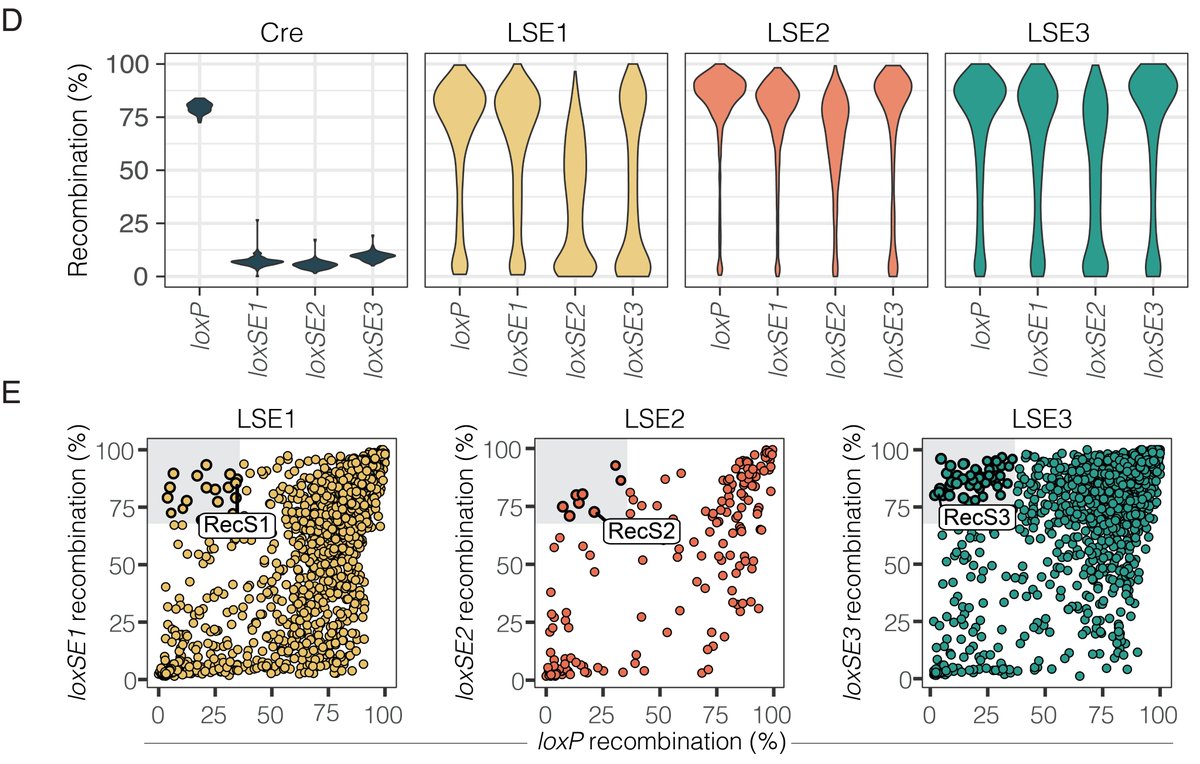
7/ This provides a platform to explore the complex specificity features of Cre-type recombinases. We can use this to add an additional layer of specificity, increasing the potential for engineering these recombinases for therapeutic applications.
4/ … while a small subset of the evolved Cre variants showed a complete switch in target site specificity, favoring the new spacer sequence over the parental loxP spacer. Demonstrating the ability to reprogram target recognition through the spacer region.
6/ Structural analysis show variations in protein/DNA recognition affecting recombination. Mutations at position 320 modulated DNA interactions, shifting specificity from Cre/loxP to RecS3/loxSE3 and altered spacer flexibility induced conformational changes in catalytic residues
3/ Using three of the spacers inefficiently recombined by Cre, we evolved Cre derived variant libraries, selecting the variants capable of recombining the spacers. We saw that many of the variants in the library increased in activity by becoming less specific…
2/ We designed a library of 6000 loxP-like target sites with mutations in the 8bp spacer region and performed a deep sequencing-based activity screen. ~84% of these sites were efficiently recombined by Cre. However, our focus was on the spacers inefficiently recombined by Cre
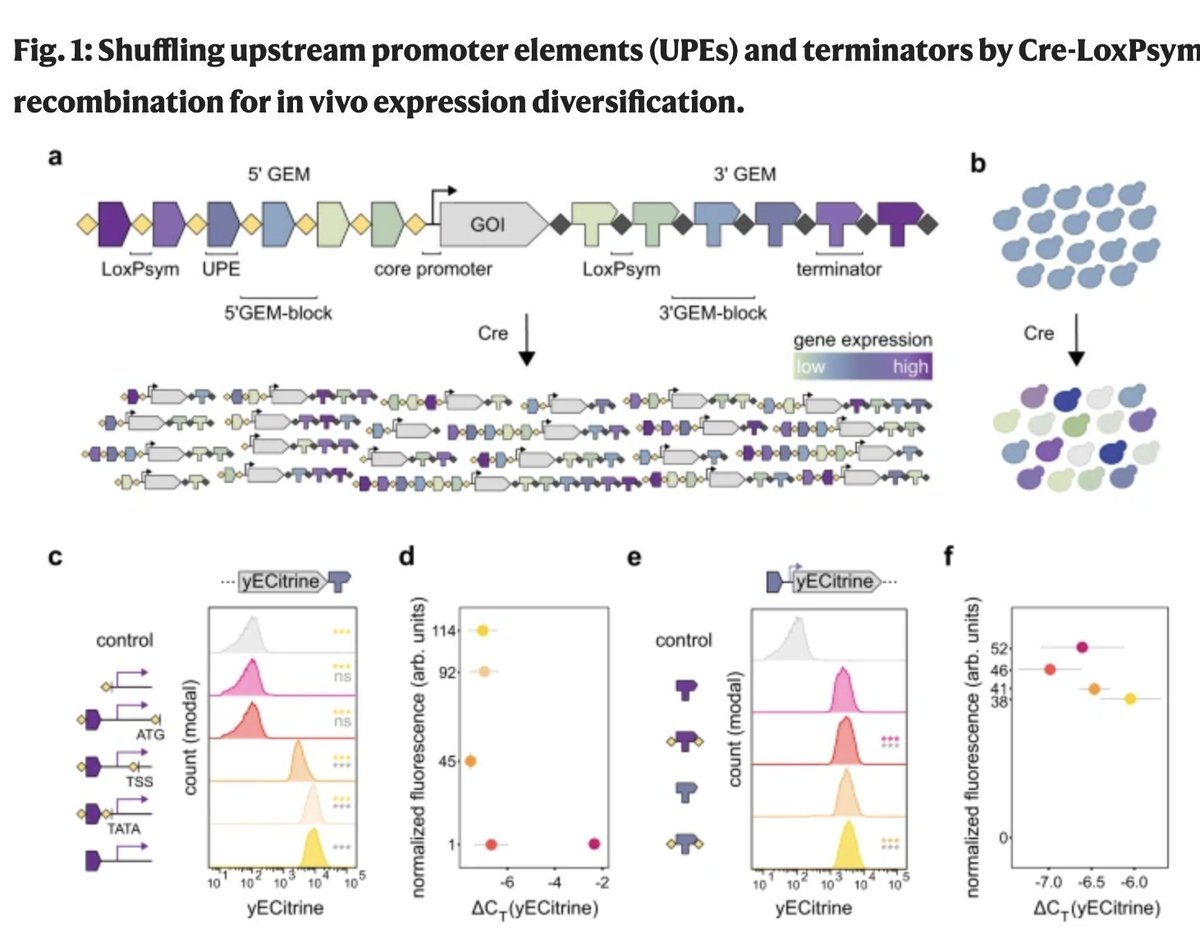
Check out our back-to-back papers in @NatureComms today! 1st paper describes development of 16 orthogonal LoxPSym sites for easier genetic engineering - https://t.co/PLmtwuIQJH. 2nd paper shows use in promoter shuffling for metabolic pathway optimization https://t.co/Rajv9g9Bq1
🎉I am thrilled to announce that my PhD thesis work got published in @NatureBiotech today! Grateful to all co-authors from @BuchholzLab_TUD and @seamlesstx.🧬We developed zinc finger DNA-binding dependent site-specific recombinases.
https://t.co/MyFd01YDwe See the thread below:
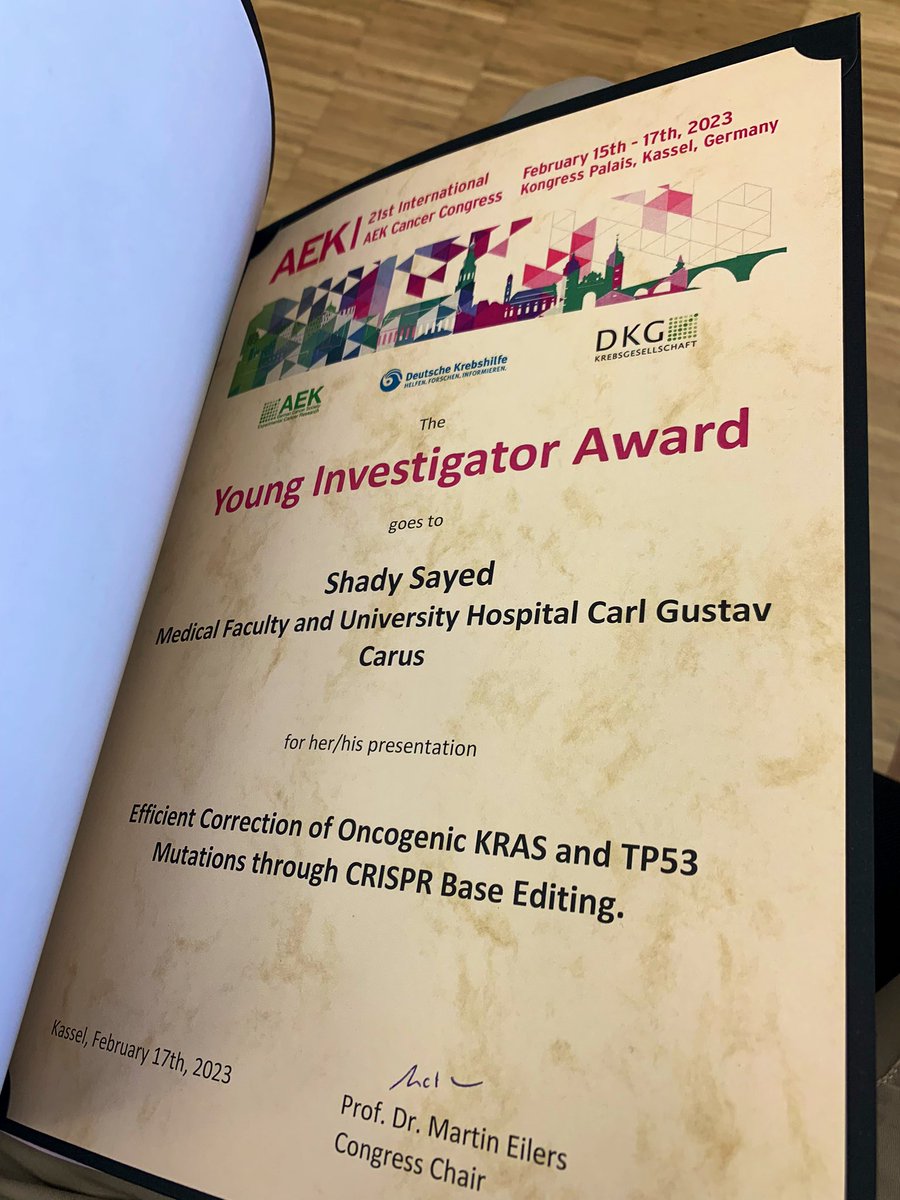
Had great fun presenting my paper for the first time at the 21st AEK Cancer Congress. Such an honor to be selected to present my work and to receive the Young Investigator Award. Thanks to the organisers for putting together this amazing meeting!!!🔬🥳🥳 #AEK2023
🥳 So happy to announce my main PhD work is now out in @CR_AACR!🥳
Efficient Correction of Oncogenic KRAS and TP53 Mutations through CRISPR Base Editing https://t.co/j2cooCfRDW
Big thank you to everyone involved
@BuchholzLab_TUD @Medizin_TUD @NCT_UCC_DD
Science 🧵 below
Our paper on a versatile, automated, and high throughput end-to-end platform for plasmid construction has just been published (https://t.co/r1xLElq13c). This PlasmidMaker tool should be highly useful for basic and applied biology research. Congrats to the whole team!