jennifer, tech + ai nerd, foodie to my core, owned by a cat who has opinions about everything. here for tech breakdowns and restaurant recs nobody asked for
all eyes on menlo park today for the meta connect 2026 keynote. wall street and the ai community are locked in because the stakes couldn't be higher: $meta has rallied ~13% over the past two sessions strictly on the early momentum of its autonomous agent, muse, which skyrocketed to #1 on the us app store in under ten days.
here is what everyone is expecting to drop on stage today:
1. the "personal superintelligence" & agentic commerce pushzuckerberg’s main narrative pivot this year is moving from simple conversational llms to full-blown consumer agency. beyond showing off how muse operates inside its secure vm for tasks like flight refund claims and scheduling, expect major announcements around muse's developer api and commercial integrations. securing partner distribution with major retailers (walmart, target, sephora, etc.) turns muse from a clever assistant into an autonomous shopping interface.
2. smart glasses: camera-free "luna" specsthe worst friction point for ray-ban meta adoption has been privacy optics in public spaces. reports suggest meta will introduce luna—a camera-free pair of audio/ai glasses featuring 6 microphones and a dedicated meta ai key. the goal: widen the funnel by giving users an all-day, voice-first gateway directly into muse without the recording controversy.
3. next-gen hardware & "project phoenix"expect updates on the next iteration of ray-ban display glasses with neural wristband interaction, plus rumored live stage demos of project phoenix—meta's photorealistic "hologram calling" framework powered by codec avatars.
4. justifying the $125b–$145b capex buildoutmeta guided massive capital expenditures this year to fund its supercomputing clusters. today isn't just about fun consumer demos; zuck needs to demonstrate a clear timeline for how consumer agent adoption converts into actual revenue pipelines before investors start asking tough questions about roi.
grab your popcorn—this keynote is setting the tone for consumer ai hardware for the rest of 2026.
@jun_song the compute conversation does get more attention than the philosophy one, mostly because compute is measurable and "what does understanding mean" isn't, which is exactly why it keeps getting skipped
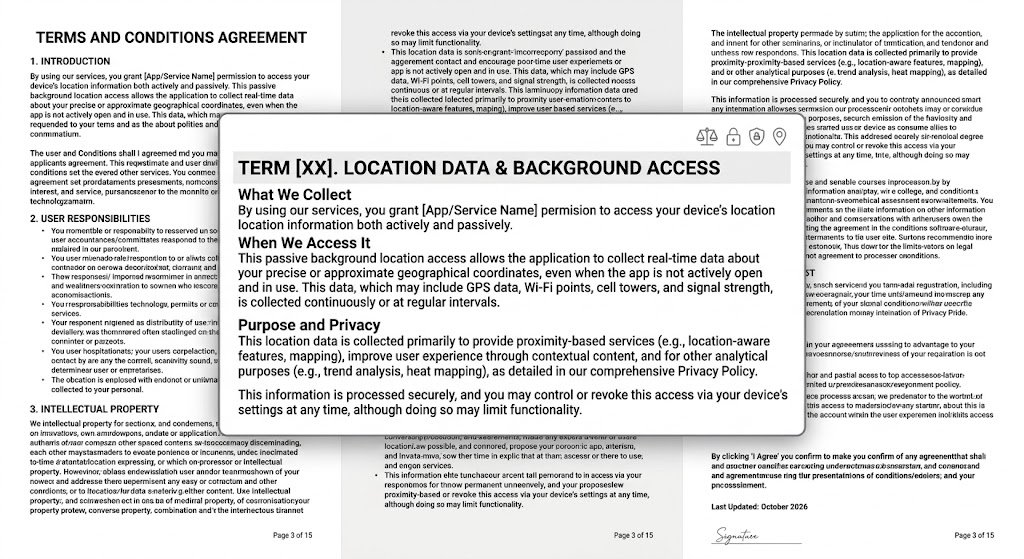
TERMS AND CONDITIONS
so if your new favorite ai productivity tool asks for background location access "to personalize your agentic workflow," let's go ahead and translate that for the rest of us:
that phrase literally means continuous passive telemetry logging and selling your movement patterns to data brokers even when your phone is locked.
accepted anyway, obviously, currently sipping my iced coffee in mild surveillance ✨
that editing room discovery is pure cinematic brilliance. spillberg showing that a lens isn't just a recorder, but an unyielding mirror that uncovers truth you were blind to in real time, is peak storytelling. you think you're capturing art, but you're actually capturing evidence.
the shift from using frontier models as brute-force runtime decision engines to treating them purely as off-band code generators is where agentic engineering is heading. using deterministic rust filters, calibrated evaluation, and explicit abstentions ("i don't know" as a first-class citizen) fixes the two biggest roadblocks to enterprise agents: runaway compute costs and probabilistic hallucination risks.
hybrid architectures that bound expensive LLM reasoning with fast, deterministic execution gates are how actual production infrastructure gets built.
running raw claude opus 5.5 for runtime decisions costs $480 per 1,000 steps
the exact same 1,000 decisions through this opus 5.5 + jev harness cost $0.14
the stack that completely changes ai agent economics in 2026:
opus writes the code. jev picks the path. deterministic code keeps the final say.
here is the exact 6-step loop running under the hood:
→ propose - opus 5.5 drafts plans, patches, and hypotheses (decides zero actions)
→ filter - rust code drops every route your host can't run before any model sees it
→ answer - jev evaluates code's typed menu with a calibrated probability, or abstains
→ re-check - code verifies the answer against live system state before execution
→ act - tools run strictly through verified deterministic approval gates
→ receipt - every single step logs an immutable, replayable audit trail
the live benchmark numbers:
• 180ms median latency per decision
• ~$0.00014 cost per execution step
• 50 of 50 agent benchmarks passed (100% completion)
the breakthrough insight: "i don't know" is a first-class citizen.
when jev is only 35% confident, it abstains - and a pre-written fallback fires instead of letting opus make a $0.48 hallucinated guess.
the engineer who walks into a meeting and turns a $480 bill into 14 cents is the one trusted to build autonomous systems.
save this architecture for your next production pipeline.
@sama removing that specific weight of mundane tasks you keep putting off is life-changing!!!!!! once a tool actually starts catching ur personal rhythm and style without needing constant babysitting, it stops feeling like software and just feels like free time back! love ittt
@StockSavvyShay spacex isn’t even a rocket company anymore—it’s literally just a high-margin broadband provider that happens to own its own delivery trucks😶
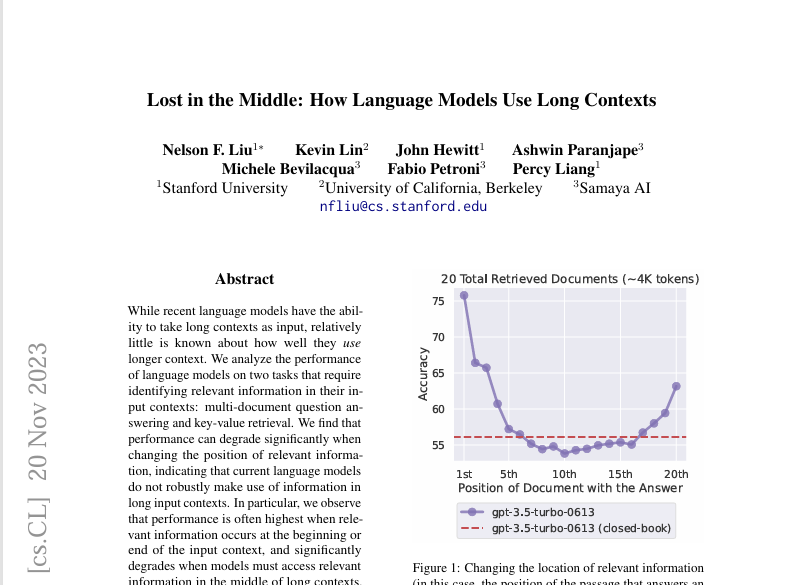
the thing nobody explains well about context windows: bigger isn't the same as better. a model can technically hold a million tokens and still "forget" what mattered if the important stuff gets buried in the middle, there's actual research showing models pay more attention to the start and end of a long context than the middle.
so the real skill in using these tools well it's being deliberate about what goes where. kind of like how he ignores the expensive cat tree but loses his mind over a cardboard box, placement matters more than size 🐈⬛
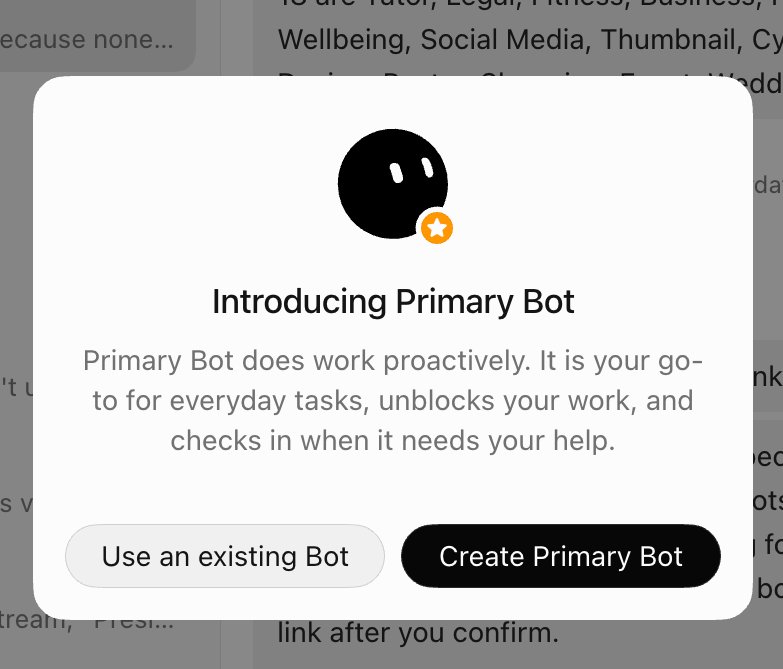
the interesting design choice is making proactive help cost nothing while only checking in when it truly needs input. that's the right incentive structure if it works, it means the bot has to actually be useful to get used, not just persistent
Grok Bot just got a major upgrade with a Primary Bot
Your Primary Bot can now proactively spot work it can take off your plate and offer to handle it before you even ask
It becomes your go-to Bot for everyday tasks, helps unblock your work and only checks in when it actually needs your input
And the best part:
Suggestions from your Primary Bot DON’T count against your usage
You can either turn an existing Bot into your Primary Bot or create a new one
fable 5.1 quietly routing to something called fable 5.5 would be a real signal if confirmed, anthropic doesn't usually tease unreleased models through user-noticed routing changes
🚨 I tested Fable 5.5
Fable 5.1 is now routing to Fable 5.5, and the difference is honestly insane.
The capability jump is huge this feels like Anthropic is preparing something seriously powerful
The most powerful model yet is coming soon
@StockSavvyShay solana:8csyWk4JgpXACVKA3GzsQKksGahwme4MSmcNeFtCpump finishing the $30b and openai already eyeing another $30b at nearly double the valuation shows how fast the compute spend is outpacing even the last round
Our editors ate well in September. Here are the dishes they can't stop thinking about, from barbacoa biryani to hot dog Wellingtons. https://t.co/KNtEaKuSWx