Goddess seated on a throne, possibly Persephone, carved from Parian marble, circa 480 BC. Currently housed in the Staatliche Museen zu Berlin. Originates from the Greek sanctuary in Tarentum.
***📚Book Giveaway📚***
Copies of Homer’s ‘The Iliad’ and ‘The Odyssey’, translated by Emily Wilson. Please retweet to enter. Winner to be drawn at random. Entries from both UK and abroad welcome. Last day for entry is 14/03/2025. Good Luck. 🙂🤞
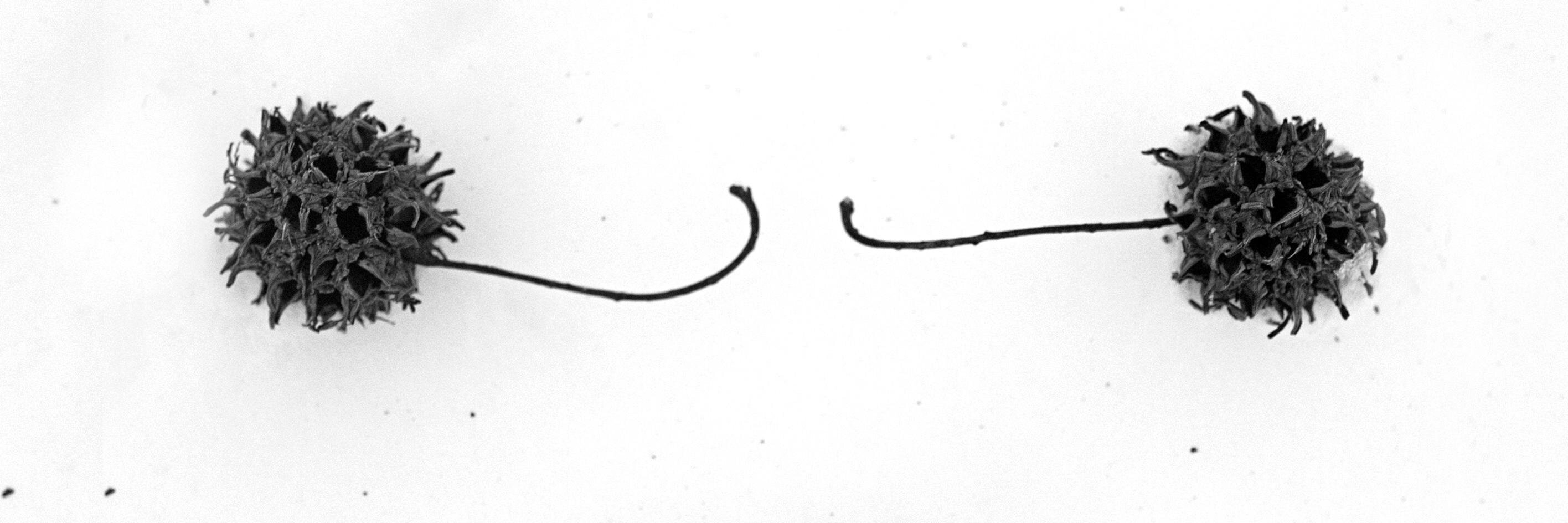
I have my own identity so don't tell me what I am not. Beware of where you cut me through because you die when I die.
by Jennifer Cabral
complete series at https://t.co/Os5X7nmJAd
🥁Announcing the Public Domain Image Archive! 🥁
We are v excited to share our new sister-project, the Public Domain Image Archive (PDIA), a curated collection of 10k+ out-of-copyright historical images, all free to explore and reuse https://t.co/loRIxVgm6e @pdimagearchive
The Complete Robert Frank:
Films and Videos, 1959–2017
Nov 20-Dec 11
A full retrospective of Robert Frank's moving image work featuring many new digital preservations and remasters!
Full schedule now online:
https://t.co/p6duytY7ts
Fantasy-Adventure tales of Yanomami life in the Amazon Rainforest! - NOW ON KINDLE in ENGLISH, ESPAÑOL, FRANÇAIS ! -"Amazon Rainforest Magic" y "La Magia de la Amazonia" et "La Magie de l'Amazonie" - ages 8 to 100!
https://t.co/SYC3k3Wojg
❤️🔥 OPEN CALL // Latin American artists! ❤️🔥
One artist will be exhibited on 1000 billboards across Belgium and 500 billboards in Melbourne, Australia in November via @artcrush 🎉 (Value of $70,000)
Curated by @erikarand (I'm grateful to be a member of ArtCrush's World Council)
To Enter:
🌸 Tag 2 friends
🌸 Retweet
🌸 Follow @artcrush@erikarand
Deadline: Oct 6th, 11:59 PM PST
🌈 SUBMISSION DETAILS:
– Minted or unminted art, no need to mint for this – Please submit up to 4 works in one tweet
– Art will be exhibited on 6 different screen dimensions, in case you'd like to submit something close to any of these aspect ratios: 3190x1080, 1754x768, 1450x1080, 1080x1723, 994x768, 636x204
– Still or video works (mp4, 6 sec / 25 fps)
– Artistic collaborations ok
🌈 CONTENT GUIDELINES, per Belgian public display rules: No violence, weapons, gory content, brand appearances, politics, drugs, alcohol, swear words, religion, nudity, or red or green flashing lights (for traffic safety reasons).
Exhibition opening this weekend at @fundacaoibere during FestFoto Brazil 2024 a partnership with @lensculture So honored to be in this incredible space alongside amazing artists.
My work will be part of the contemporary collection at The Museum of Avant-Garde @the_ma_g in Switzerland, as one of the finalists of this award. But that doesn’t compare to the joy of having Graciela Iturbide selecting my works for this collection. https://t.co/DlD9h1m51E
In commemoration of the 79th anniversary of the atomic bombings of Hiroshima and Nagasaki, we have partnered with The Historical Society of Princeton for a FREE virtual talk, “Oppenheimer and Princeton.” This event is open to all. Join us.
Register: https://t.co/lS5KuB7hia
This prehistoric rock art wall is in Brazil and it's about 12,000 years old.
The Serra da Capivara National Park is home to one of the most impressive collections of prehistoric rock art in the world. This UNESCO World Heritage site boasts an astonishing array of over 30,000 prehistoric paintings and engravings, with some estimated to be between 10,000 to 15,000 years old.
The park spans an area of approximately 625 square miles (1,620 square kilometers), and the rock art is spread across numerous rock shelters and caves within the Serra da Capivara mountains. The sheer size of the collection is remarkable, with the paintings and engravings covering an area of about 8 miles (13 kilometers).
The rock art depicts many aspects of the lives of the prehistoric inhabitants of the region, including hunting scenes, animals, human figures, and abstract symbols. Some of the most common animals represented in the art are armadillos, deer, mastodons and large cats.
This provided evidence that the environment was much different than the modern Amazon rainforest, dominated by now-extinct megafauna. The natural pigments used - hematite and manganese - indicated an early artistic tradition among the indigenous populations.