University of South Carolina, BAIS in Services Management
RETL 369 - Section J10 - Summer 2026
In life, if you don’t risk anything, you risk everything.
@RetailPro369@RonnieMart369 Congratulations Ronnie on launching your own brand. It’s wonderful to see you apply what you are learning to your own endeavors. The brand is what people buy into, as anyone can sell a product. Good luck and wish you the best with building Ron Martin!
@JarodNavarro05@RetailPro369 Thank you for sharing BrandReturns insight on visibility. It is very important for consumers to be able to trust the brands they are consumers of or could be consumers of. They highlight the importance of consistency, being organic, testimonials, and target audience. Great post.
@RetailPro369 Lola did a wonderful job describing social listening. The Starkist can with headphones was a great image that helped represent a brand using social listening without even mentioning the brand itself. Great use of simplistic imagery to define social listening by a brand.
With social media being so prevalent in today’s society it is important to give your team the right data and tools to generate actionable insight to create new content, pivot strategies, or expand on existing content that works. @RetailPro369 x7 #sociallistening@keyholeco
Social Listening is a proactive way for businesses to figure out exactly what their consumers want or even don’t want. Social listening gives you an ample amount of data to analyze to better understand potential problems, sentiment, how consumers see your brand, and much more.
With social listening you do not have to guess what is appealing to your consumers. What the latest trends are. What they are saying about your latest product. Or how well your competitors are doing. You are able to track and listen to any topic, keyword, brand, and much more.
Creating content is all about grabbing the attention, entertaining, or connecting with your target persona. There are many ways to do this that can align your brand with your consumer. #MarketingTips@RetailPro369 #6
Content strategy is one of the most important parts of creating a successful campaign. What do you want to accomplish? Who is your target audience? Are there specific values or interests you want to capture? Which platform will be best for your content? And when should you post?
Answering several questions before publishing your content can help make sure you have content that aligns with your business goals. Do you want to inform the consumer? Maybe you just want to make a funny post to get their attention. Or simply just connect with them.
Pepsi’s target persona is active people who enjoy playing soccer or those who plan to watch the World Cup.
This content is effective because they use a popular soccer player to support their brand. It is appealing because they curated it during the World Cup to make it relevant.
Companies do not always make decisions their consumers will be happy with. Coach used data and research to pivot and create a new campaign when they received backlash for not being sustainable. Giving consumers what they want and can support is very important in today’s economy.
After calls for boycotts due to destroying merchandise and wastefulness Coach implemented the Reloved program. Coach saw how important sustainability was to consumers and with Reloved customers can bring in their old Coach bags to be restored or traded in for credit.
@nicoledanysh Nicole, awesome thread on a real life example using Coach. This was an excellent call to action campaign to fix a problem they found in their company. The reloved program was an excellent way for Coach to inform, educate, and connect with their consumers.
@TylerBak369 Tyler, great thread on the importance of SEO’s and how it’s more than just keywords but rather creating a better experience for the consumers. Using long keywords that are specific to consumer needs can be very effective. Great write up.
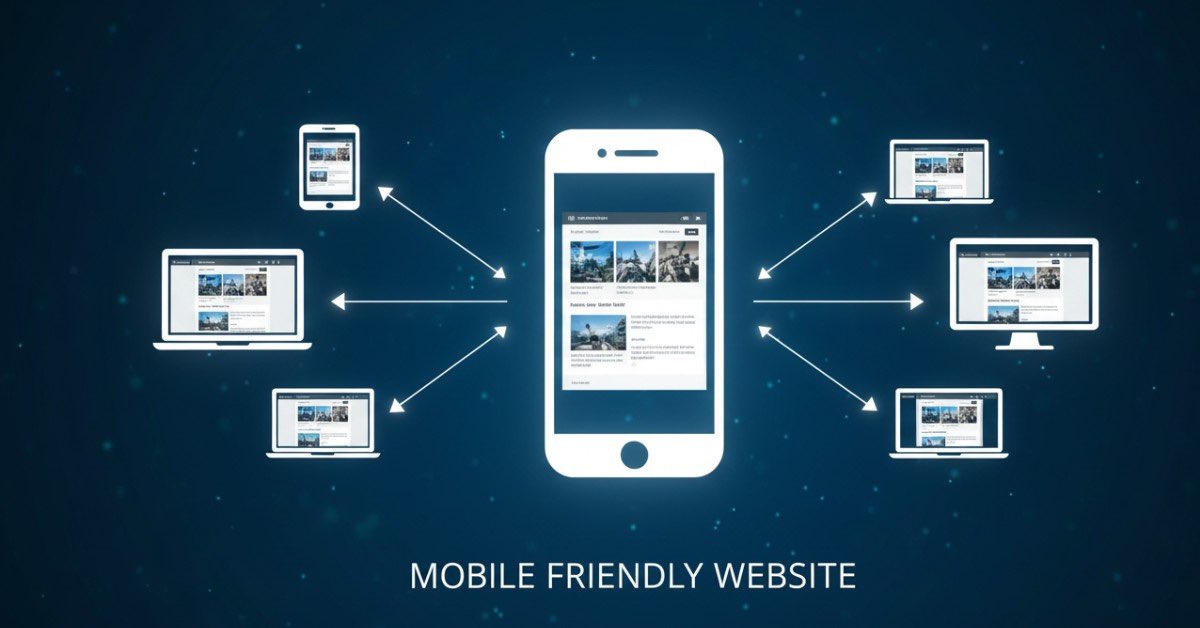
Most people have access to a cell phone and making sure your website is mobile friendly can ensure a consumer can easily navigate your business offerings online from anywhere. #marketingdigital#ecommerce@RetailPro369 x5
With most consumers searching for products on many types of devices in today’s market. It is important for your website to have an adaptive design that automatically adjusts the screen size of the device being used to access the page.
Websites without an adaptive design rank lower on search engine results. Having an adaptive design that caters to cell phones, tablets, computers, or whichever device the consumer is using can lead to higher interactions and higher conversion rates.
AI is changing the way brands are able to market themselves. A great way to do this is by refreshing your content and keeping it up to date. Also making sure you have credible citations, well-structured content, and strong brand signals across all channels. @RetailPro369
Don’t let the SEO vs. AEO tactics debate distract you from the search strategy that actually works: be the best answer where buyers are looking whether it's Google, ChatGPT or communities. Here's how: https://t.co/uWSfAqSXaa by @NickNelsonMN
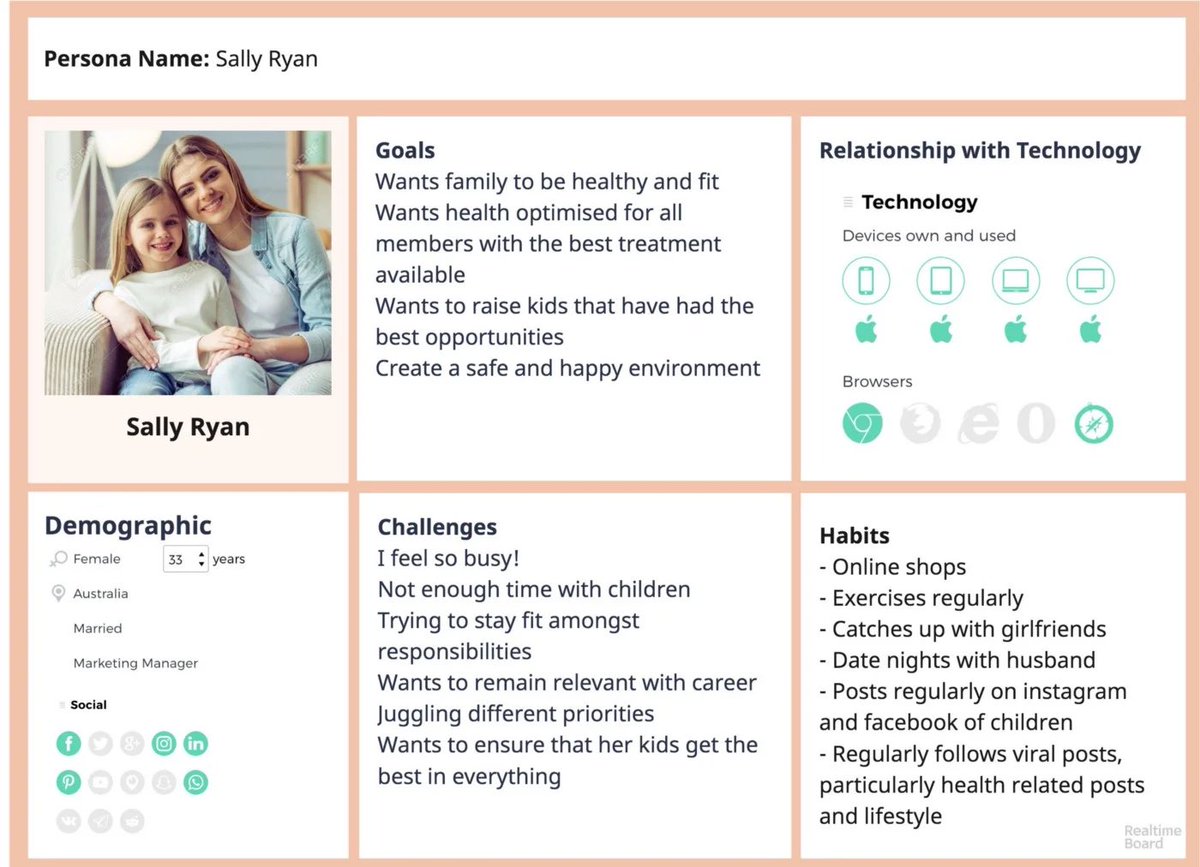
Buyer personas are a great way for brands to target and reach potential consumers for their products. Combining demographics, values, priorities, motivations, goals, psychographics, pain points and challenges.
Identifying multiple segments can help you target many different consumers by allowing them to relate to your brand. Showing your brand is for many types of people can help you reach more consumers. This is done by creating buyer personas and identifying different consumers.