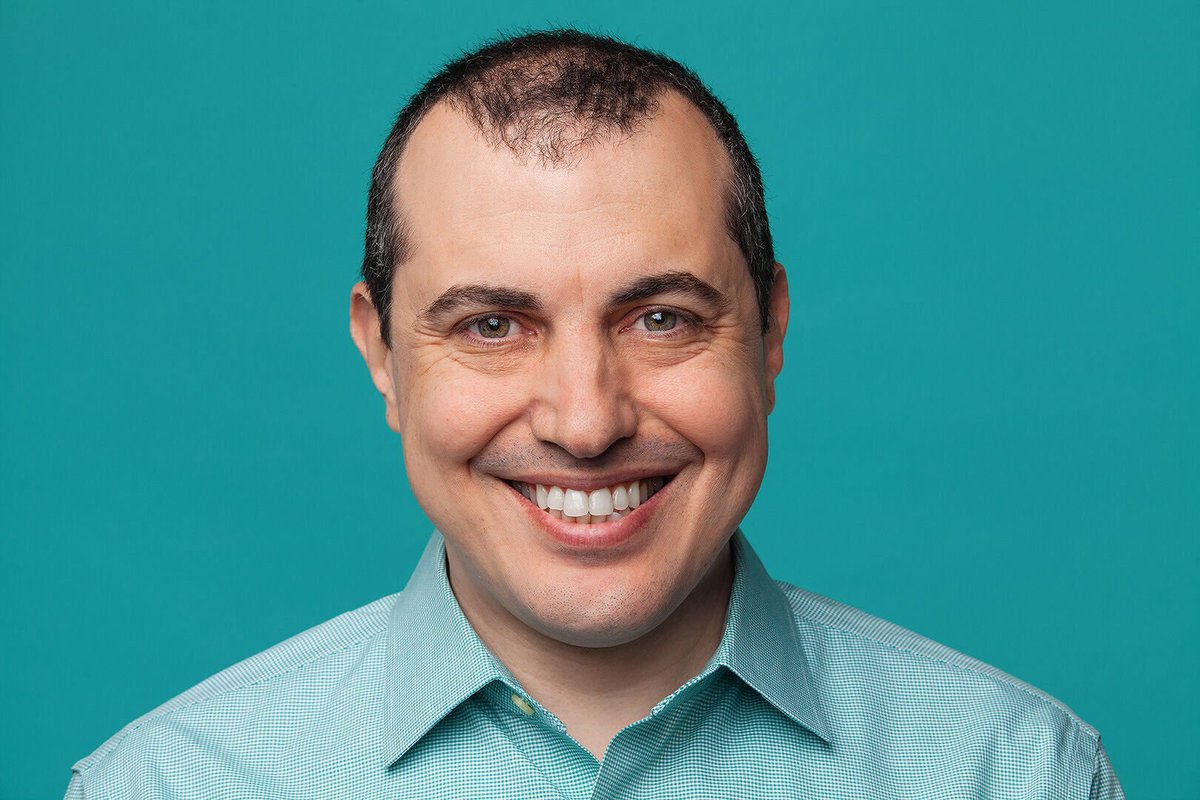
He's 26. Apple offered him $8.4 million for the tongue-controlled retainer he 3D-prints in a San Diego apartment on a $180 Prusa. He said no
The retainer sits inside your mouth like an Invisalign tray. Inside it: a miniature accelerometer array wired to a Bluetooth LE chip, all encapsulated in medical-grade epoxy he sources from a Kearny Mesa dental supply company for $28 a bottle. It reads tongue and bite pressure patterns at 240 samples per second, translates them into cursor movements and click gestures, and streams the output to any device paired over Bluetooth. Total hardware cost per unit: $47. He wears his own retainer eleven hours a day and hasn't touched a mouse in six months
He posted a demo video to Reddit r/AssistiveTech in October showing a full 47-minute Cursor coding session controlled entirely with his tongue and bite gestures. The post hit the front page in nine hours. An Apple Accessibility engineer found it through a Hacker News crosspost three days later. Tim Cook quote-tweeted the demo the following Wednesday - called it "the accessibility hardware Vision Pro should have shipped with." Apple's business development team wired an $8.4 million acquisition offer to his lawyer in November for the retainer design, the embedded firmware, and a three-year exclusivity contract that would make Apple the only distributor globally. He declined the offer in December. His public statement was seven words: "This should be open. Everyone needs it." He open-sourced the firmware and STL files on GitHub the same day
Apple Vision Pro burned $3.5 billion in R&D on the premise that spatial computing input requires their proprietary hand-tracking silicon and their multi-year hardware roadmap. Neuralink raised at $2 billion on the same premise for neural implants. Tobii runs at $340 million selling eye-tracking hardware to accessibility clinics at $12,000 per unit. He runs a Prusa in a San Diego apartment printing a $47 retainer that a nine-year-old with cerebral palsy in Argentina downloaded and printed at her local library last week
i’m fully convinced AI + robotics will unleash the greatest aesthetic renaissance human civilization has ever seen
the cost of building beautiful things is about to collapse
we just need to care about beauty again.
🚨Architects are going to hate this.
Someone just open-sourced a full 3D building editor that runs entirely in your browser.
No AutoCAD. No Revit. No $5,000/year licenses.
It's called Pascal Editor.
Built with React Three Fiber and WebGPU -- meaning it renders directly on your GPU at near-native speed.
Here's what's inside this thing:
→ A full building/level/wall/zone hierarchy you can edit in real time
→ An ECS-style architecture where every object updates through GPU-powered systems
→ Zustand state management with full undo/redo built in
→ Next.js frontend so it deploys as a web app, not a desktop install
→ Dirty node tracking -- only re-renders what changed, not the whole scene
Here's the wildest part:
You can stack, explode, or solo individual building levels. Select a zone, drag a wall, reshape a slab -- all in 3D, all in the browser.
Architecture firms pay $50K+ per seat for BIM software that does this workflow.
This is free.
100% Open Source.
GOOGLE CEO IN 2014 WHEN #BITCOIN WAS $600 🔥
“BITCOIN IS A REMARKABLE CRYPTOGRAPHIC ACHIEVEMENT.”
“THE ABILITY TO CREATE SOMETHING NOT DUPLICABLE IN THE DIGITAL WORLD HAS ENORMOUS VALUE.”
“IT IS AN AMAZING ADVANCE.”
“LOTS OF PEOPLE WILL BUILD BUSINESSES ON TOP OF THAT.”
NOW BTC IS A $1.3 TRILLION ASSET CLASS WITH INSTITUTIONS, NATION-STATES, AND CORPORATIONS ALL BUYING IN.
THE BEST IS STILL AHEAD 🚀🚀
This Astronaut Spent 178 Days in Space… and Says Humanity Is Living a “Big Lie”
Former NASA astronaut Ron Garan spent 178 days in space and had a powerful change in how he sees Earth and human life after looking at our planet from the International Space Station.
He experienced something called the “overview effect,” which is the feeling of deep awe and emotional shock astronauts get when they see the whole Earth from space and realise how small and fragile it is.
Garan says that from space, he could see lightning storms like camera flashes and beautiful auroras that looked close enough to touch.
What really hit him was how extremely thin Earth’s atmosphere looked, like a “paper-thin” layer, and he realized that this thin layer is what keeps every living thing on the planet alive.
He also says he saw a glowing, living biosphere full of life, but he did not see things like the “economy” from space. This made him feel that humans are “living a lie” because our systems act as if the global economy owns everything, even the natural systems that keep us alive, instead of seeing the planet itself as the most important.
He believes we should change our thinking from “economy, society, planet” to “planet, society, economy,” meaning the Earth should come first, then people, and only then money and markets.
Garan explains that when people understand this, it is like a light bulb turning on, and they see how connected and dependent we all are on each other and on Earth. He says we will not have real peace on Earth until we accept that everything in reality is connected and interrelated.
During a FIFA World Cup match, a simple QR code transformed the entire stadium.
Fans scanned it, and within seconds, thousands of smartphone flashlights synchronized into one breathtaking light show across the stands.