She walked three miles to the vet at 2 a.m. — barefoot, in her nightgown. She had just twenty-three dollars to her name. She placed it on the counter and whispered, “This is everything I have. Please don’t let him die.”
On a freezing Tuesday night in January 2023, an emergency veterinary clinic in a small city in central Ohio received an unusual walk-in at 2:14 a.m.
Not by car. Not by ambulance. A woman. Alone. On foot. In twenty-eight-degree weather, moving through the dark with nothing but urgency to guide her.
She was sixty-one years old. A thin bathrobe hung loosely over a worn nightgown. No shoes covered her feet. They were raw — cracked, reddened, and bleeding from miles of frozen pavement. She hadn’t stopped to find anything warmer.
Hadn’t searched for shoes. There was no time. She didn’t call a cab because she didn’t own a phone. She didn’t call anyone because there was no one left to call.
In her arms, she carried a dog.
A large, aging mixed-breed — something close to a retriever — around twelve years old. Wrapped tightly in a small towel. His body hung limp. His breathing came fast and shallow, the kind that signals something is terribly wrong. His gums had gone pale. His eyes barely opened.
She reached the front desk and carefully placed a small stack of money on the counter.
Twenty-three dollars. Everything she had.
Beside it, she laid a handwritten note, torn unevenly from a notebook. It read:
“His name is Arthur. He is 12. He stopped eating 3 days ago. Tonight he collapsed and couldn’t stand. I don’t have insurance. I don’t have a car. I walked. This is all the money I have. I will pay the rest. I will do anything. Please help him. He is all I have.”
The receptionist looked down at the money.
Then at the woman’s bare, injured feet.
Then at the dog in her arms.
She turned away for a moment, covering her mouth as the weight of it settled in.
The veterinarian on duty examined Arthur immediately. He was in acute kidney failure — a condition that can be treated if caught in time, but only with urgent care. He needed IV fluids, medication, constant monitoring.
The estimate came to $1,400.
The woman had $23.
The vet didn’t hesitate.
“Start treatment,” she said. “We’ll take care of the rest.”
They admitted him as an emergency case. Paperwork could wait. Time could not.
The woman refused to take her money back. She left it on the counter and sat quietly in the waiting room — barefoot, wrapped in her robe, holding the now-empty towel Arthur had been wrapped in.
She didn’t ask for anything.
Not water.
Not coffee.
Nothing.
She just sat there. Waiting.
At 3 a.m., a technician brought her a pair of slippers and a warm blanket. She accepted the slippers without a word.
But when offered the blanket, she gently shook her head.
“Give it to him,” she said softly.
By morning, the entire day staff had heard her story.
Arthur stabilized slowly over the next three days. The fluids began to work. His levels improved. On the second day, he managed a few bites of food. By the third, he stood. By the fourth, his tail wagged again.
And every single day, she returned.
Walking the same three miles. Each way.
Six miles total.
Through the cold.
On the second day, someone from a nearby church gave her a pair of shoes. She wore them without socks, the fabric rubbing against healing skin.
She sat in the same chair each visit, holding that towel, waiting with quiet patience.
On the fourth day, they brought Arthur out to her.
She held him exactly the way she had when she arrived — wrapped close, her chin resting gently on his head. He pressed his face into her neck. She closed her eyes, as if finally allowing herself to breathe again.
The veterinarian told her there would be no bill.
She shook her head and placed the twenty-three dollars back on the counter.
“I owe you,” she said. “This is what I have. I’ll bring more when I can.”
The vet slid the money back toward her.
“You walked three miles barefoot in the middle of the night to save him,” she said gently. “You don’t owe us anything. You already paid.”
Quietly, the staff pooled their own money. They sent her home with medication, special food, and a follow-up visit already covered.
One of the technicians drove them home — the first car ride either of them had taken in over a year.
Her home was small. Just a single room tucked behind another house. One bed. One chair. A hot plate. A worn dog bed in the corner. A ceramic bowl with “Arthur” written across it in chipped paint.
Two photographs hung on the wall. One of a man — likely her late husband. The other of Arthur as a young dog.
Arthur recovered.
He’s older now, slower, but still by her side.
She learned how to give him fluids herself — something that once frightened her. But she learned anyway. For him.
And the twenty-three dollars?
She still keeps it. Folded neatly inside her nightstand.
She never spent it.
Because in her mind, it still belongs to him — waiting, just in case he ever needs it again.
The receptionist who read that note still has a photo of it saved on her phone. She’s never shared it publicly.
She just looks at it sometimes.
Because out of every emergency she’s witnessed — every client with insurance cards, payment plans, and resources —
No one ever gave more to walk through that door than a woman who had nothing…
…and still gave everything.
And Arthur?
Every night, he sleeps safely under a roof.
Curled beside the person who walked through darkness, through cold, through pain — just to make sure he lived.
And now, he never has to wonder again if he’s loved.
Durante los Juicios de Núremberg, Hermann Göring concedió una entrevista al psicólogo Gustave Gilbert y dijo:
«Por supuesto que la gente no quiere la guerra. ¿Por qué querría un pobre agricultor arriesgar su vida en una guerra cuando lo mejor que puede esperar es volver a su granja de una pieza?
Naturalmente, la gente no quiere la guerra. Nadie quiere la guerra en Rusia, Inglaterra, Estados Unidos, ni siquiera en Alemania. Eso es evidente.
Pero, al final, son los líderes de un país quienes determinan la política. Y siempre es sencillo arrastrar al pueblo, ya sea en una democracia, un Estado comunista, un parlamento o una dictadura fascista.»
Gilbert objetó:
«Pero hay una diferencia en una democracia: el pueblo tiene voz a través de sus representantes elegidos.»
A lo que Göring respondió:
«Eso está muy bien, pero, tenga o no tenga voz el pueblo, siempre puede ser llevado a obedecer a los líderes. Eso es fácil. Todo lo que hay que hacer es decirles que están siendo atacados y denunciar a los pacifistas por falta de patriotismo y por exponer al país al peligro. Funciona igual en cualquier país.»
— Diario de Núremberg, 18 de abril de 1946
¿No les resulta familiar?
At first glance, it looks like a group of fluffy kittens crossing the road. But in reality, these are Pallas’s cats, also known as manuls — one of the rarest and most elusive wild cats on the planet.
Una familia de Tulsa adoptó a un Chihuahua, pero 3 noches seguidas el perro se escapó y volvió a la puerta del refugio. Pensaron que extrañaba su jaula o que no los quería, pero la tercera vez decidieron entrar con él para ver qué buscaba. Lo que descubrieron los conmovió.
Cars kept passing while the trapped deer struggled beside her babies. Then one man stopped, stepped closer, and chose to help. A quiet moment of kindness that says everything.
¿Le gusta el sistema de salud en Colombia?
- No
¿Las EPS lo atienden bien?
- No
¿Le dan las citas a tiempo?
- No
¿Le entregan la droga que necesita?
- No
¿Entonces apoya la reforma a la salud?
- No, porque ese Petro es un guerrillero comunista malo.
¡Bobos hijueputas!
El hecho de que la Av. 68 sume medio billón de pesos en sobrecostos, varias prórrogas y atrasos pero que a un estudiante el sistema lo agarre a puños por no pagar un pasaje de 3mil pesos
El miércoles 13 de mayo de 1987, pasadas las 5 de la tarde, falleció Ismael Rivera en la casa de su madre a causa de un infarto fulminante, tenía 55 años. Su familia intentó trasladarlo de inmediato a un centro de salud, pero ya no presentaba signos vitales. El médico de turno certificó su muerte por paro cardíaco.
En los meses previos, su estado de salud se había deteriorado considerablemente. A los problemas físicos se sumaba una fuerte depresión, asociada en gran medida a sus dificultades en las cuerdas vocales, que lo habían alejado de los escenarios.
La noticia de su muerte tuvo un impacto inmediato en Puerto Rico y en toda América Latina, generando gran conmoción. Su partida significó la pérdida de una de las figuras esenciales de la música caribeña, una voz que marcó un hito dentro de la salsa.
Sus restos fueron velados en el Instituto de Cultura Puertorriqueña, donde recibió un reconocimiento oficial como símbolo nacional. El entierro se llevó a cabo el sábado 16 de mayo de 1987. Finalmente, sus restos fueron sepultados en el cementerio San José de Villa Palmeras, en San Juan, donde ya descansaba su compadre Rafael Cortijo.
Esto es lo que yo llamo un sesgo de criterio por conveniencia. El Dr. Leonidas Narváez, gerente del Metro de Bogotá, nunca manifestó observación alguna en contra del proyecto RegioTram del Norte entre 2021 y 2023, periodo en el que tenía asiento en los comités técnicos por delegación de la Alcaldía. ¿La razón? Porque la alcaldesa de la época, @ClaudiaLopez, le pidió apoyar el proyecto.
Ahora, cuando el Dr. Narváez fue ratificado en su cargo como gerente del Metro por parte del actual gobierno distrital, considera que lo que antes le parecía correcto y defendía ya no lo es tanto. ¿La razón? Porque ahora el alcalde que lo ratificó ha manifestado diferencias con el proyecto.
¿Por qué, si tenía tantos reparos o diferencias técnicas con el proyecto, dejó avanzar su estructuración y permitió la radicación del mismo ante el Ministerio de Transporte en 2023 con todos los avales distritales, siendo él y la empresa Metro la competente para conceptuar sobre la estricticidad técnica del tren?
Es decir, ¡hoy sí me gusta, pero mañana no sé. Le preguntaré a mi jefe!
Un perro abandonado en Bolivia fue adoptado por monjes franciscanos.
Este cachorro que una vez fue callejero ahora es cariñosamente llamado “Hermano Bigotes”.
@TransMilenio lo peor son ustedes... Avisen que no hay servicio hoy por la décima sentido sur norte..... Uno pierde el pasaje y ustedes votan la gente en cualquier lado.... Ahí está pintado esta administración
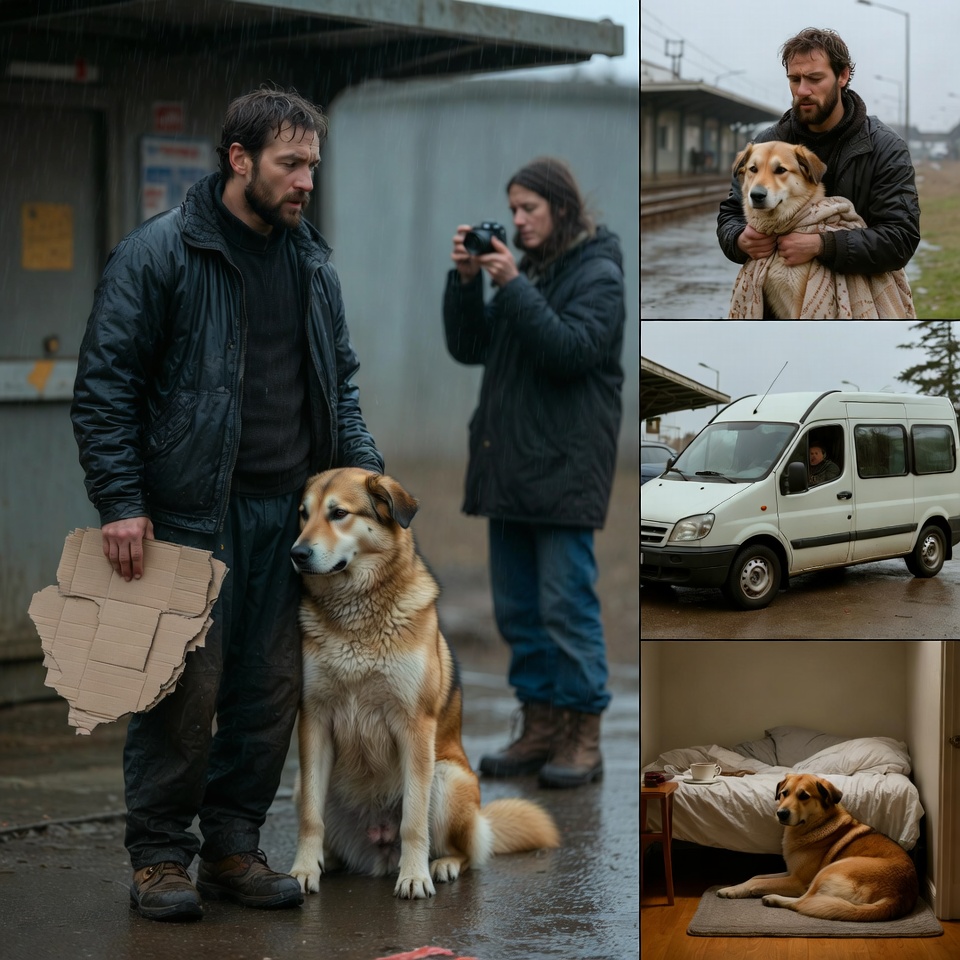
—Puede entrar usted —dijo el trabajador del refugio, sin levantar la vista—. Hay una cama libre, comida caliente y agua para asearse. Pero… el perro no puede pasar.
No fue una voz hostil. Fue burocrática. Una de esas voces que aprendieron a separar la compasión del reglamento.
Alek miró a su perro. Luego al hombre. Luego otra vez a su perro.
—Entonces no, gracias.
El trabajador lo miró por fin. Confundido.
—¿Cómo que no?
—Si él no entra, yo tampoco.
Esa noche llovió. Otra vez. El cartón se deshizo bajo su espalda, pero Leo —el pastor mestizo de ojos tranquilos— no se movió de su lado. Su hocico apoyado sobre su muslo. Su respiración rítmica, como un ancla en medio del viento.
Habían pasado juntos cuatro inviernos. Uno peor que otro.
Y en todo ese tiempo, Leo nunca lo dejó.
Cuando Alek tenía hambre, Leo lo acompañaba en el silencio.
Cuando lo echaban de una esquina, Leo ladraba, como si el mundo pudiera entender su protesta.
Y cuando Alek lloraba —esas veces en que la culpa le volvía como un boomerang—, Leo simplemente se acercaba y le lamía la mano.
—No eres solo un perro —le decía—. Eres el único que no me dejó cuando toqué fondo.
Vivían cerca de la estación vieja. En un rincón donde el viento tardaba más en encontrarles. No pedían nada. Solo que los dejaran juntos.
Una tarde, alguien tomó una foto. Una mujer joven, con cámara al cuello y mirada triste. Captó el momento exacto en que Alek abrigaba a Leo con su única manta.
La subió a sus redes con una frase:
“Algunas lealtades no se negocian. Ni siquiera por una cama caliente.”
La imagen se volvió viral.
Días después, una furgoneta blanca se detuvo junto a ellos. Una mujer se bajó, abrigada, con una sonrisa que no forzaba nada.
—¿Usted es Alek?
—Depende quién pregunte.
—Trabajo en la Fundación Raíces. Vimos su historia. Tenemos un sitio para usted… y para él —dijo, señalando a Leo.
Él no respondió enseguida. Se agachó y miró a su perro.
—¿Oíste eso, Leo? Esta vez sí podemos entrar los dos.
Aceptó. No por la cama. Ni por la comida. Sino porque, por primera vez, alguien entendió que venían en paquete.
El refugio no era lujoso. Pero tenía una puerta que se cerraba sin echarles fuera. Una taza de té caliente. Y una colchoneta junto a la cama, donde Leo se hizo un ovillo, como siempre.
Alek empezó a hablar poco a poco. A recordar su historia. A perdonarse errores. A dejar de esconderse tras la culpa.
Los voluntarios le dieron ropa limpia, una libreta, y algo más importante: tiempo. Tiempo para pensar sin correr. Para llorar sin ser mirado. Para sanar sin ser juzgado.
Leo seguía allí. Siempre.
Hasta que una noche, mientras lo acariciaba, Alek susurró:
—No sé si yo te salvé a ti, o tú a mí.
Leo levantó la cabeza. Y por primera vez en años, Alek creyó ver una respuesta en los ojos de un animal.
Una que decía: “No importa quién salvó a quién. Lo importante es que nunca nos soltamos.”
Y esa fue la primera noche que durmió sin miedo.
Como bogotana nacida y criada acá, con respeto de los Bogotálievers, la ciudad está vuelta una grandisima mierda y no da gusto salir para ver todo roto, lleno de basura, oliendo a orines y con indigentes y neas.
Ésto ocurrió hace unos años:
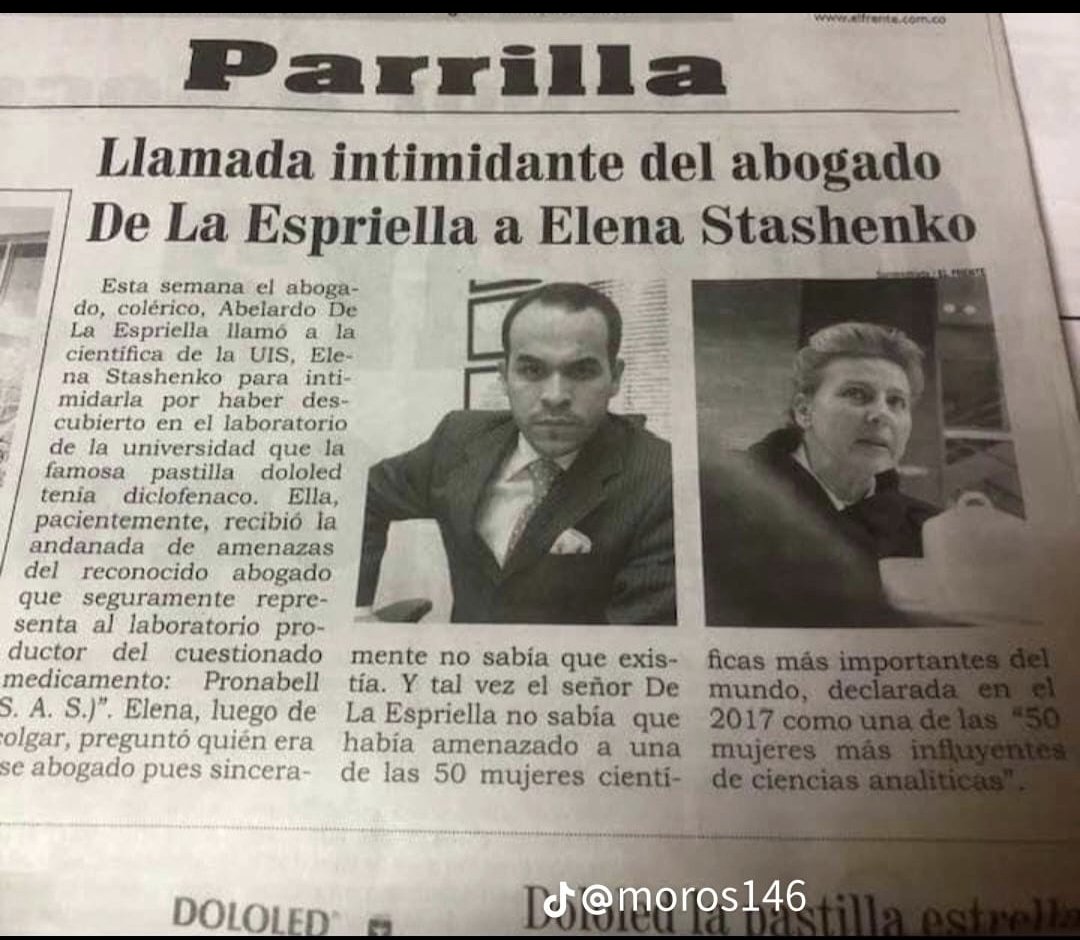
Llamada intimidante del abogado De La Espriella a Elena Stashenko
"Esta semana el abogado, colérico, Abelardo De La Espriella llamó a la científica de la UIS, Elena Stashenko para intimidarla por haber descubierto en el laboratorio de la universidad que la famosa pastilla Doleded tenía diclofenaco. Ella, pacientemente, recibió la andanada de amenazas del reconocido abogado que seguramente representa al laboratorio productor del cuestionado medicamento: Pronabell S.A.S.
Elena, luego de colgar, preguntó quién era ese abogado pues sinceramente no sabía que existía. Y tal vez el señor De La Espriella no sabía que había amenazado a una de las 50 mujeres científicas más importantes del mundo, declarada en el 2017 como una de las “50 mujeres más influyentes de ciencias analíticas”.
@MrLob0188@FicoGutierrez Sí, hay gente como usted que disfruta quemando libros, hay otros a los que les gusta quemar gatos vivos. “Son gustos”, dirá usted.