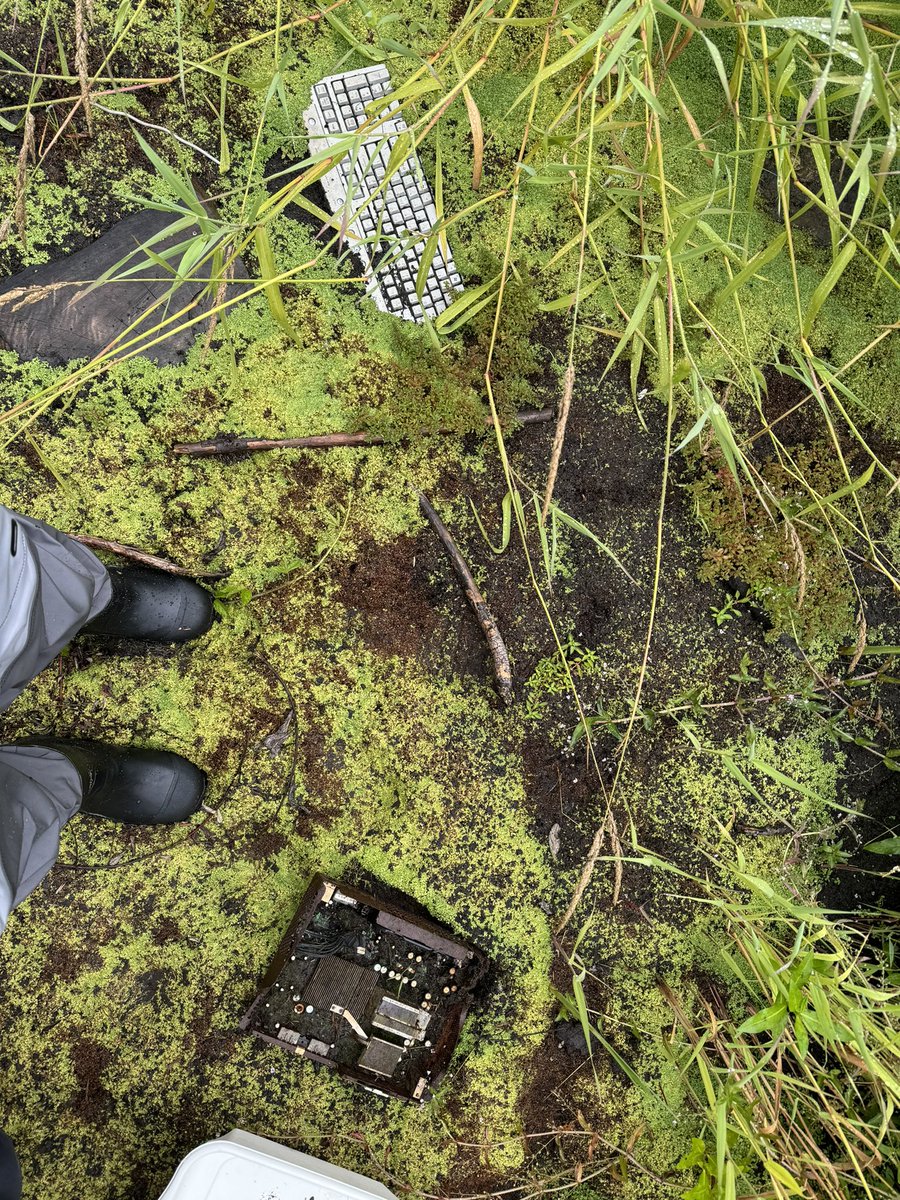
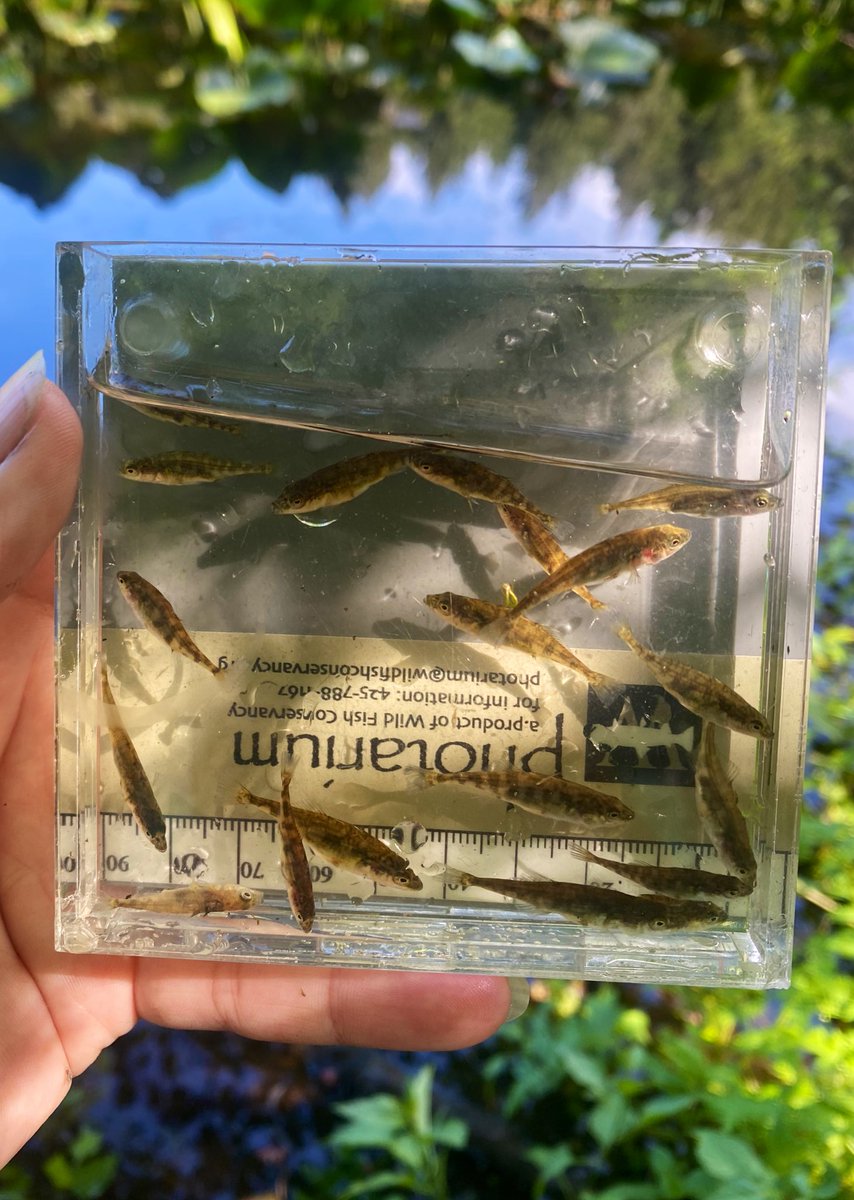
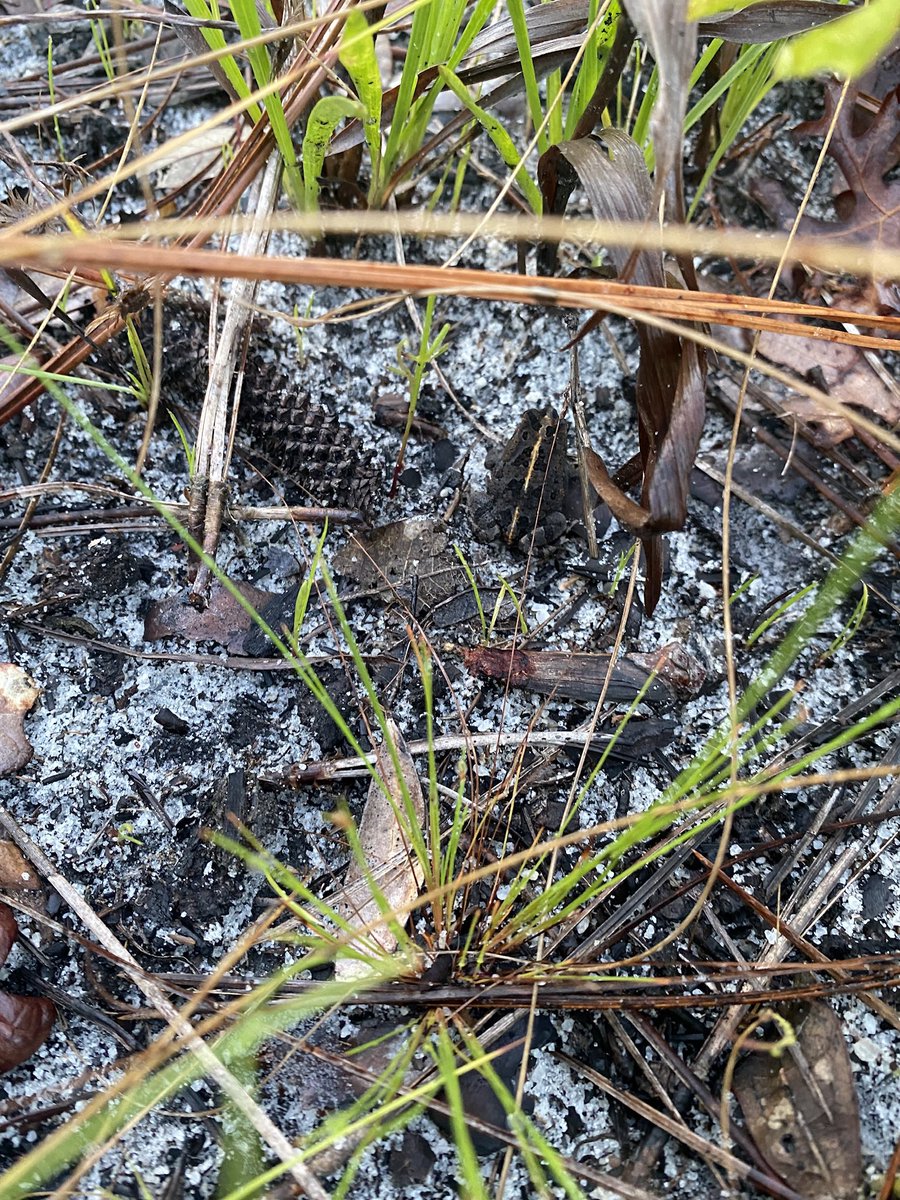
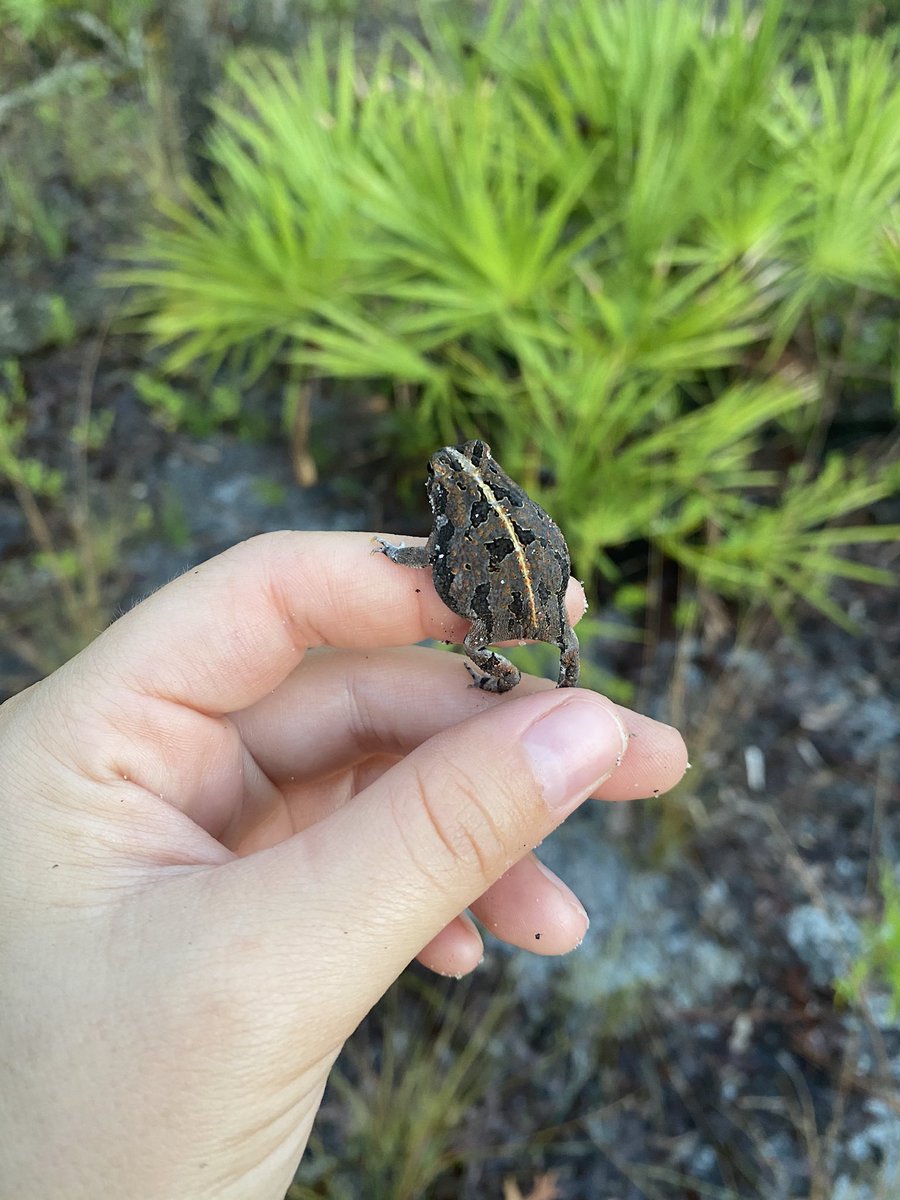
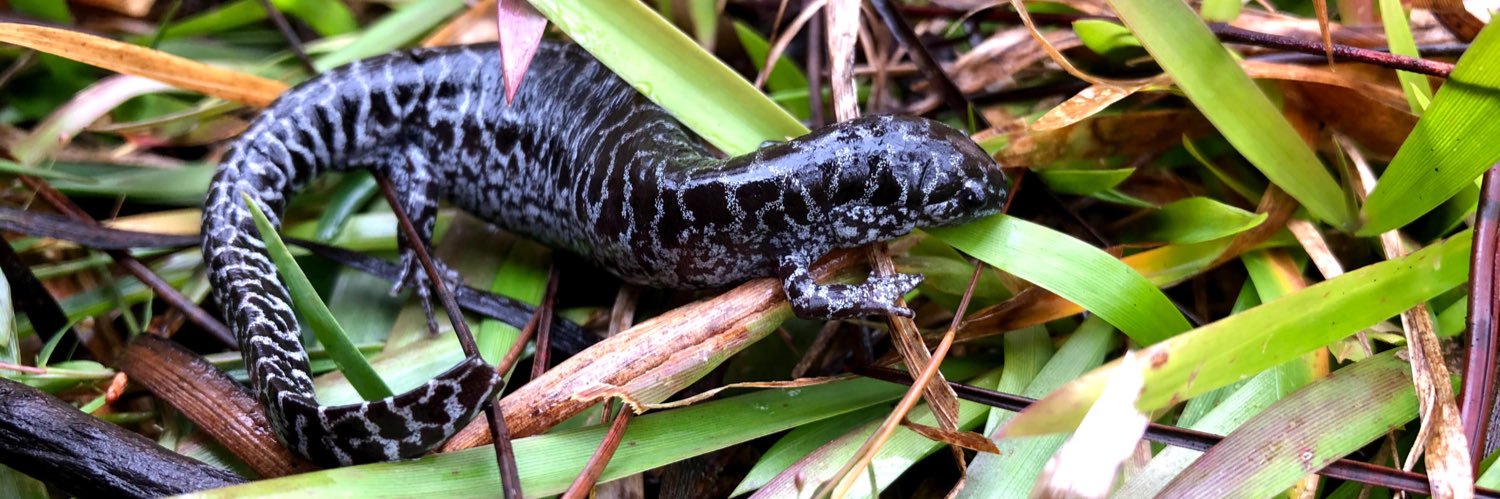
While it feels like silly to promote papers while the world burns, it is a exciting to see the first MS student thesis published from the lab! @jesslsandoval examined factors influencing paedomorphosis in mole #salamanders https://t.co/CBVQFn1SiT
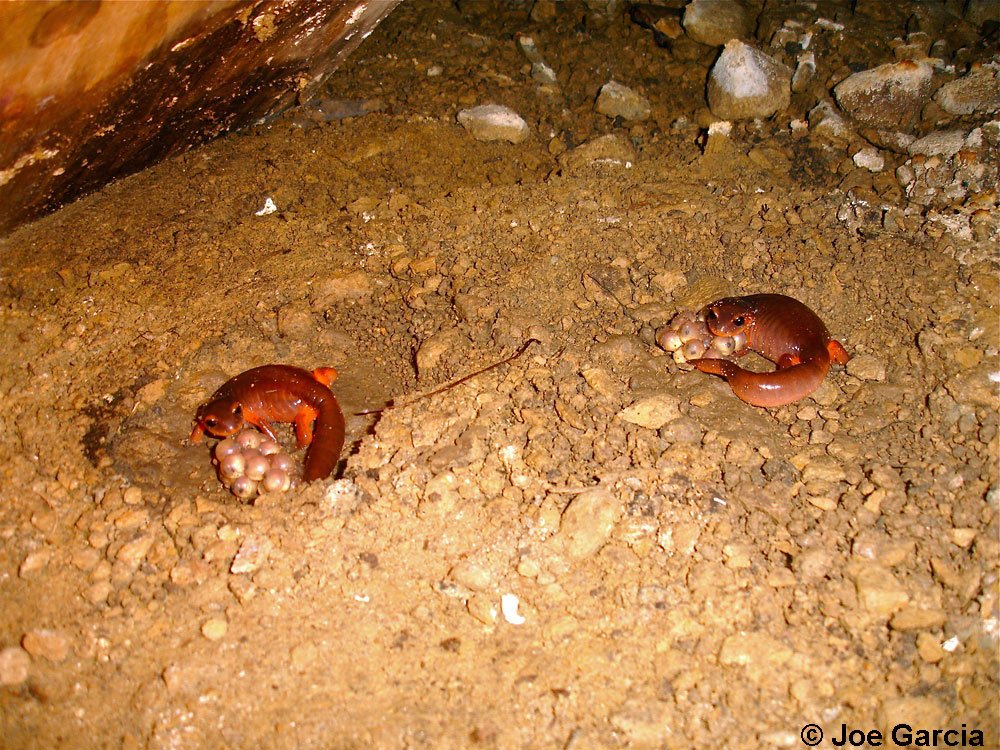
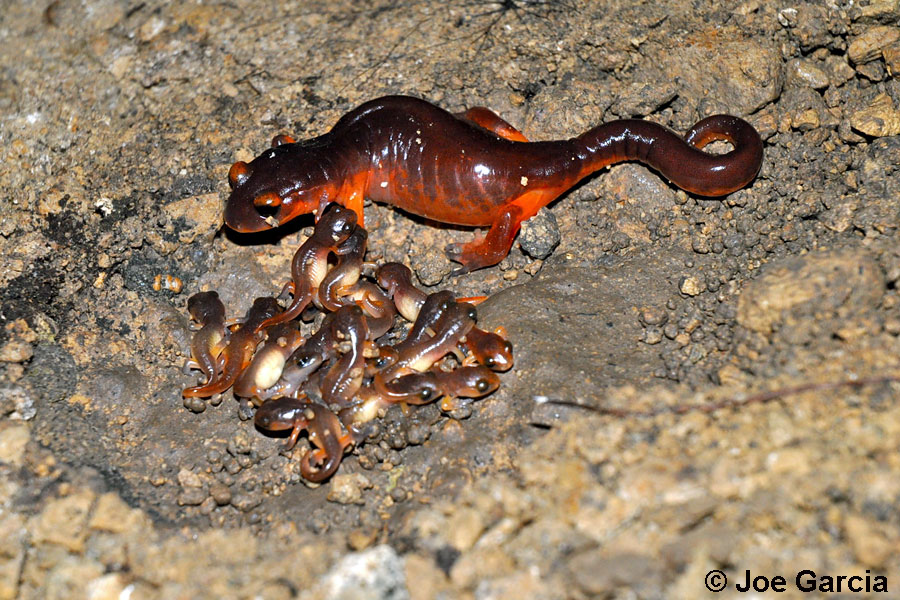
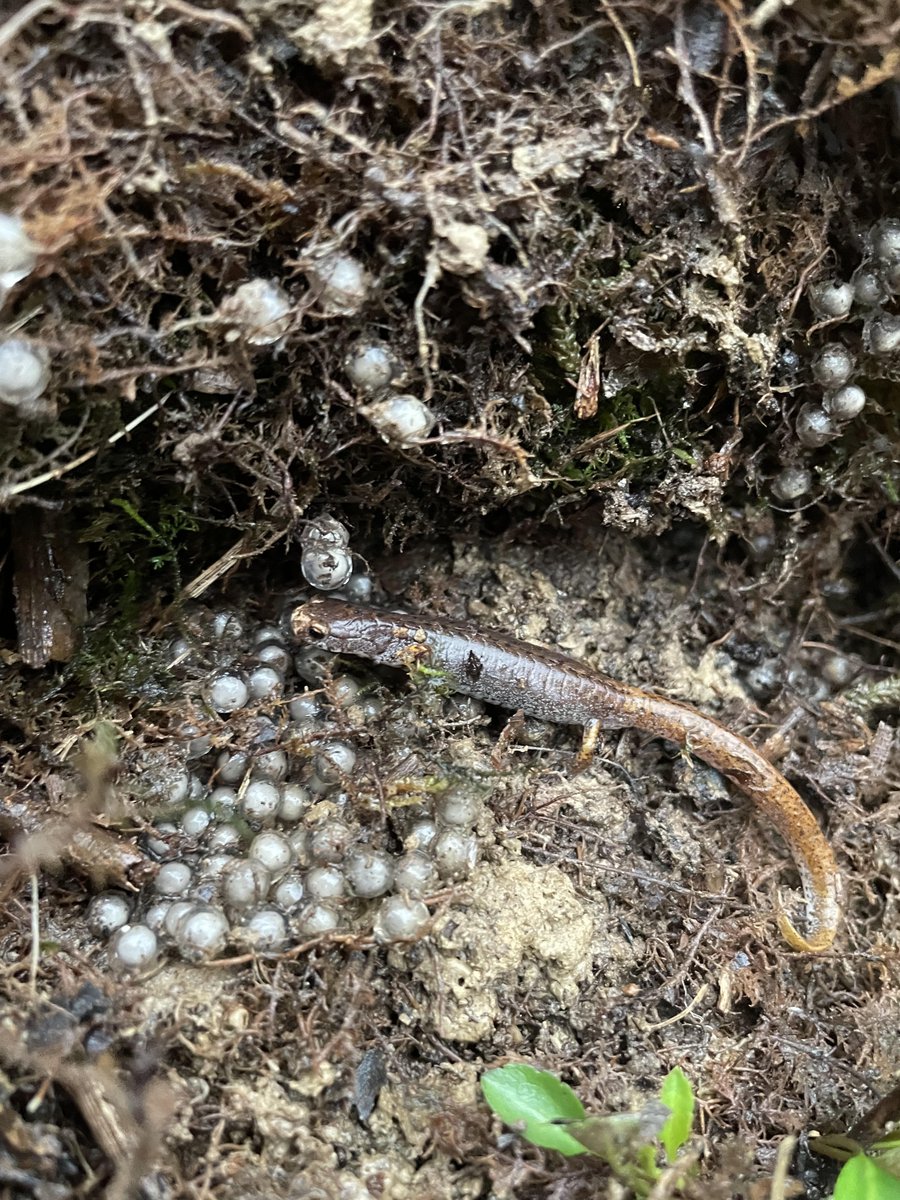
I have salamanders on the brain! Did you know that some salamanders mamas, like the Ensatina, stay with their eggs until after they hatch? Look at these pics of two mamas found under a board in Monterey Co., Calif.
📷 Joe Garcia on https://t.co/4Y6CuxZk1n
JOB: Pond Biodiversity Tech ($3,376-$4,497)
On my team & with @jesslsandoval!
Help us study birds, amphibians, & beaver in urban & natural ponds in Washington
🐸🦫🐦🦢
#UrbanConservation#UrbanEcology
https://t.co/KP3nZBqqLV
JOB: State Herpetologist for Washington
Our state is creating a 2nd State Herpetologist position for our many amphibians & reptiles in need
Great job at a great agency & with many great salamanders, frogs, lizards, snakes, & turtles
🐢🐸🦎🐍
https://t.co/KaHaQy446G
Have you ever wondered how hydroperiod affects fall breeding in ambystomatid salamanders? Read this new paper by @TLAmphib, @jesslsandoval, and @Amphib_nerd.
DOI link: https://t.co/NGYpmifYQ3
50-day free access link: https://t.co/jSEDqex6sh
A busy week in the lab with two excellent MS defenses! First up was @Amphib_nerd with their work on hydroperiod and predation risk in smallmouth #salamanders.
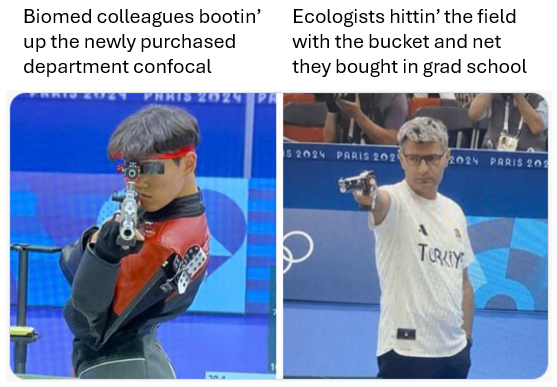
Every year I give my students an assignment where they can blend their creativity with any topic covered in class. Many students make memes, and the memes for my wildlife data collection and analysis course this year are on point. Get ready for nerdy population modeling memes! 🧵
Faculty, we'd love for you to add your info if you will be recruiting grad students for 2024 or postdocs any time! Prospective students and postdocs, keep checking back in the next few weeks, as more labs get added to the list: https://t.co/c1XzdmKb51
@IchsAndHerps@HerpLeague
It's nesting season for four-toed salamanders!! Females care for their own eggs deposited among sphagnum moss around wetlands, and sometimes a female will guard eggs of another smaller female. Hatchlings have extremely larval periods, leaving the water after 20 – 40 days!