The May issue is live https://t.co/CnNGWM0Uch
On our cover, disease signatures in high-dimensional biomedical data are detected with a visualization algorithm https://t.co/0ppHvNZyVy
Save the date! The GNSI conference team is putting together a dynamic online program for this year's GNSI Visual SciComm Conference. The core conference is scheduled for August 12-14 with workshops offered on the following weekends (21-22 & 27-28). Stay tuned! #sciart#scicomm
Say ‘yes’ to safeguarding one of our most crucial migration superhighways for endangered orcas, threatened wild salmon, and millions of birds. Save the Fraser River Delta! https://t.co/bbRduMQkgq
Join Columbia University for another installment of Visualizing Science on Zoom on Wed March 23 10:30am - 12:15pm US ET. Free registration is required. Topics include research figures, biomedical illustration, and visualizing outer space. #sciart
https://t.co/s9iVu4y38w
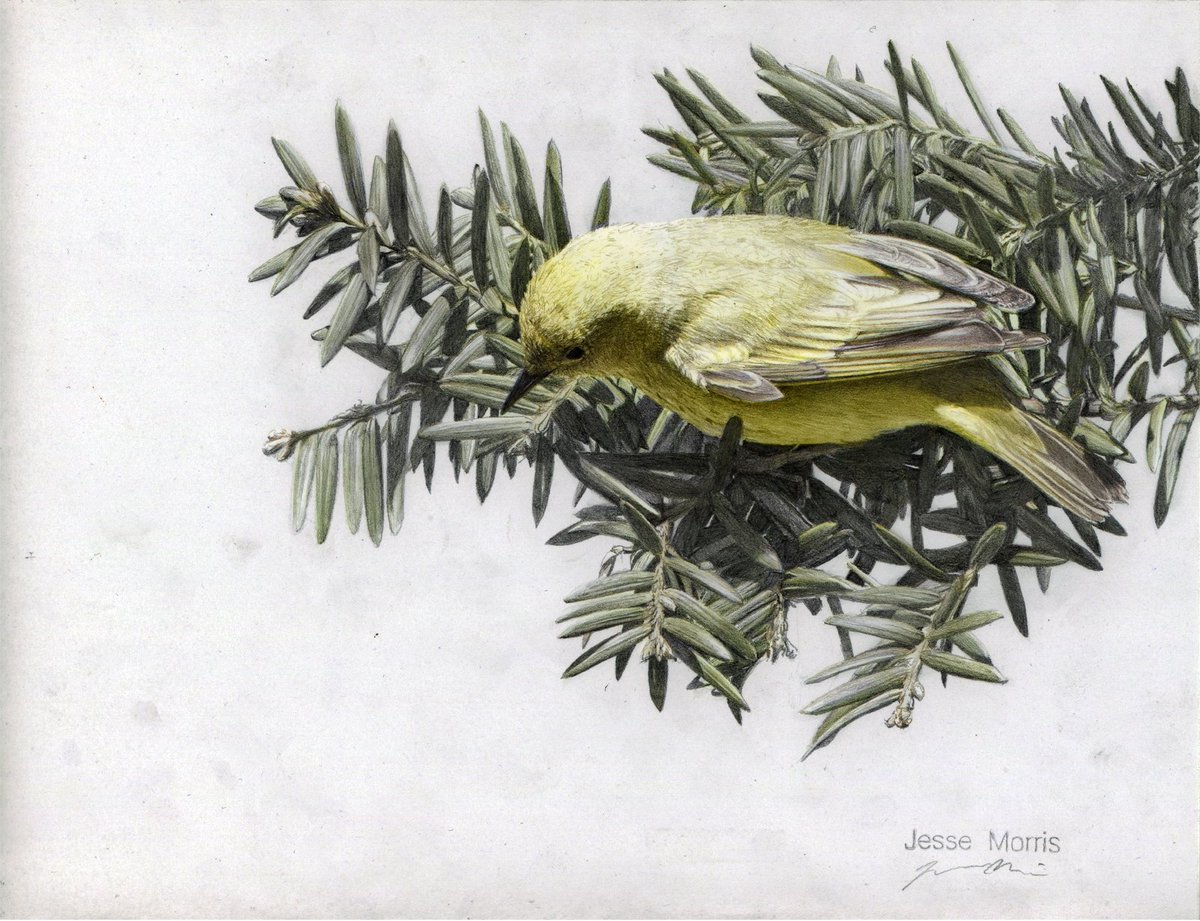
#Birds are threatened by climate change, but the #Boreal Forest is expected to act like a giant refuge, providing sufficient space/habitat for them to adapt and move over time. Via @Bird_Wells https://t.co/foLjZzLcQB
Mark your calendars for Global Big Day—14 May 2022! Find out how to participate in this fun event and get some tips & tricks for the big day. #globalbigday
https://t.co/bznG7ofeqN #birding#birdtwitter#birds
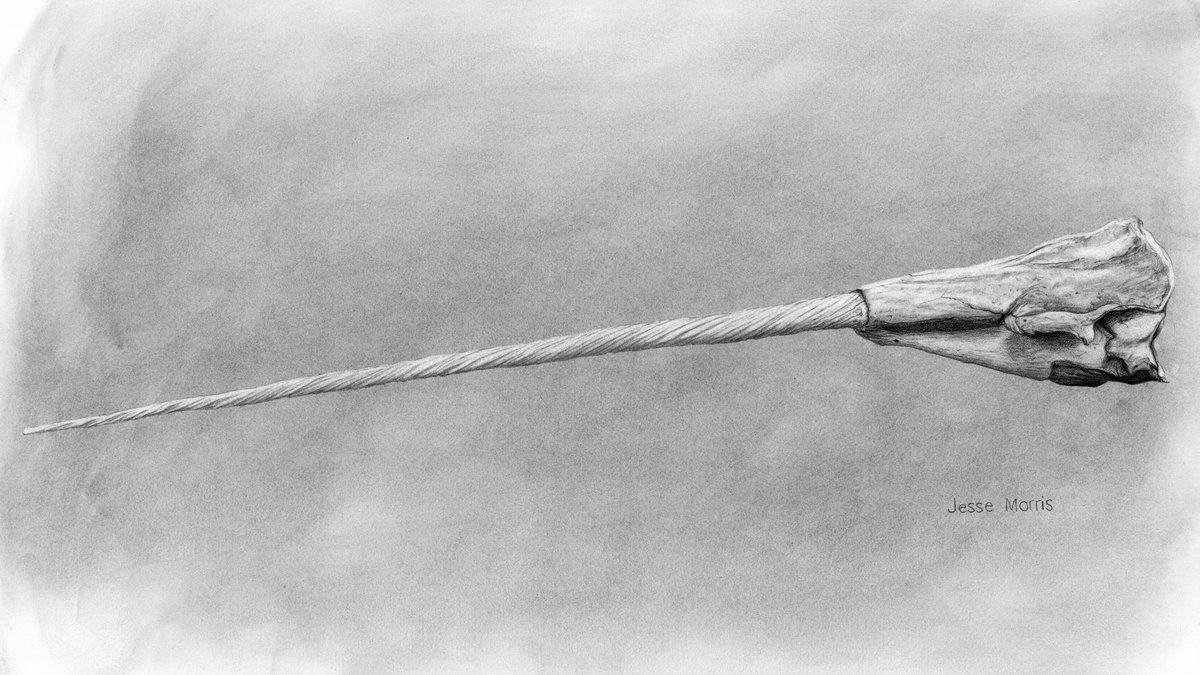
The Narwhal's "tusk" is a canine tooth. In rare cases two are grown and they always spiral to the left. Small vestigial teeth can be found in sockets near the main tooth, indicating a path of evolutionary obsolescence.
#narwhal#tusk#whale#naturalhistory#sciart#drawing