I Spy…
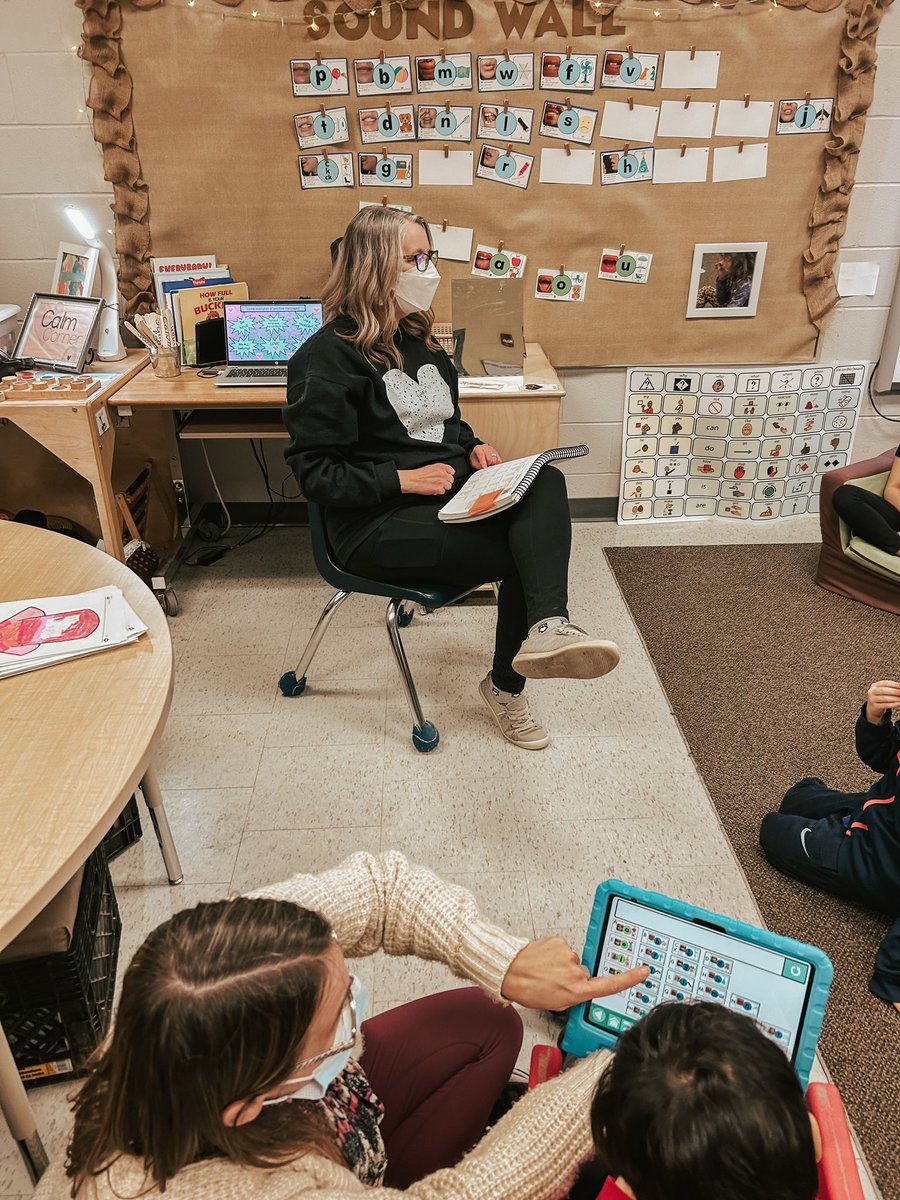
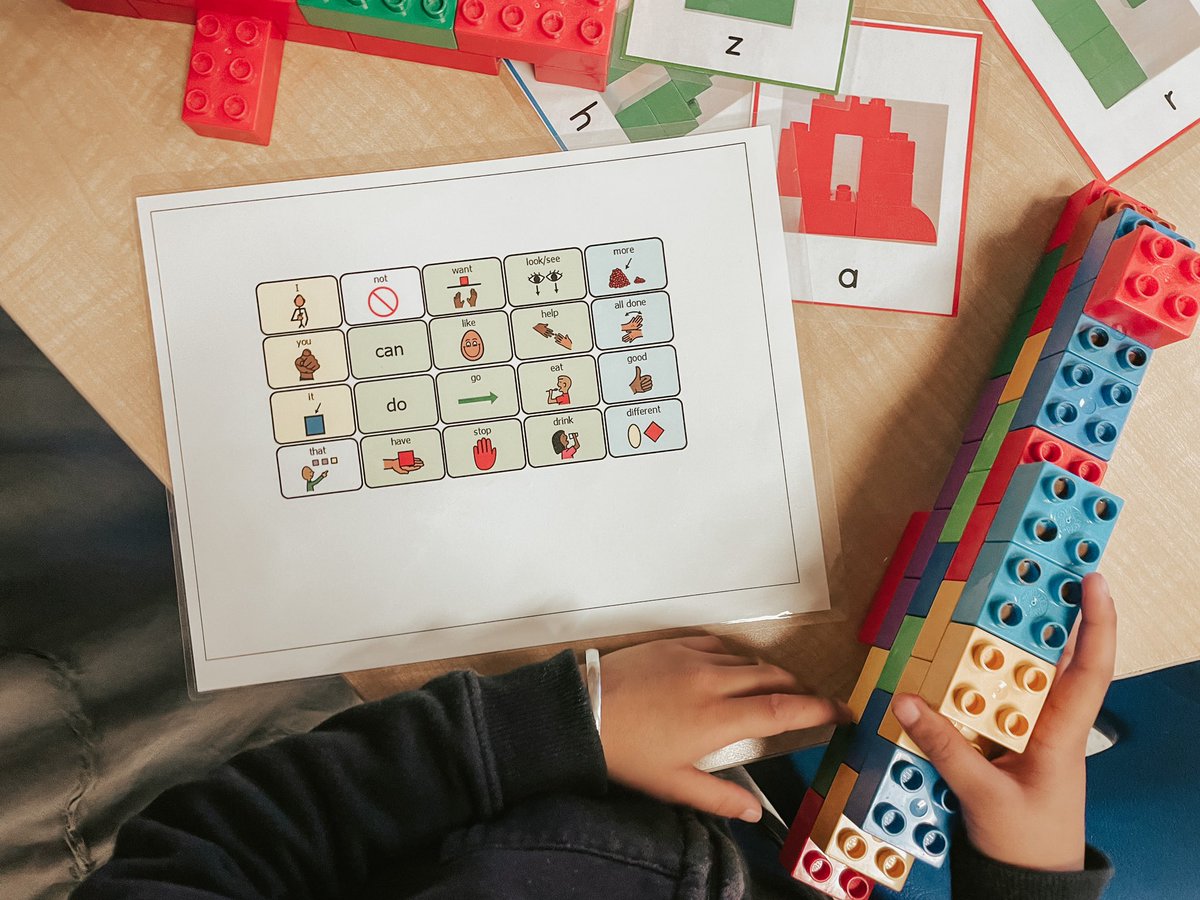
A dynamite educator team. While one educator does the Heggerty routine with the class, another is supporting by modelling GoTalkNow sound wall cards for a student who is learning to use AAC. So proud of this team! @riverheights11
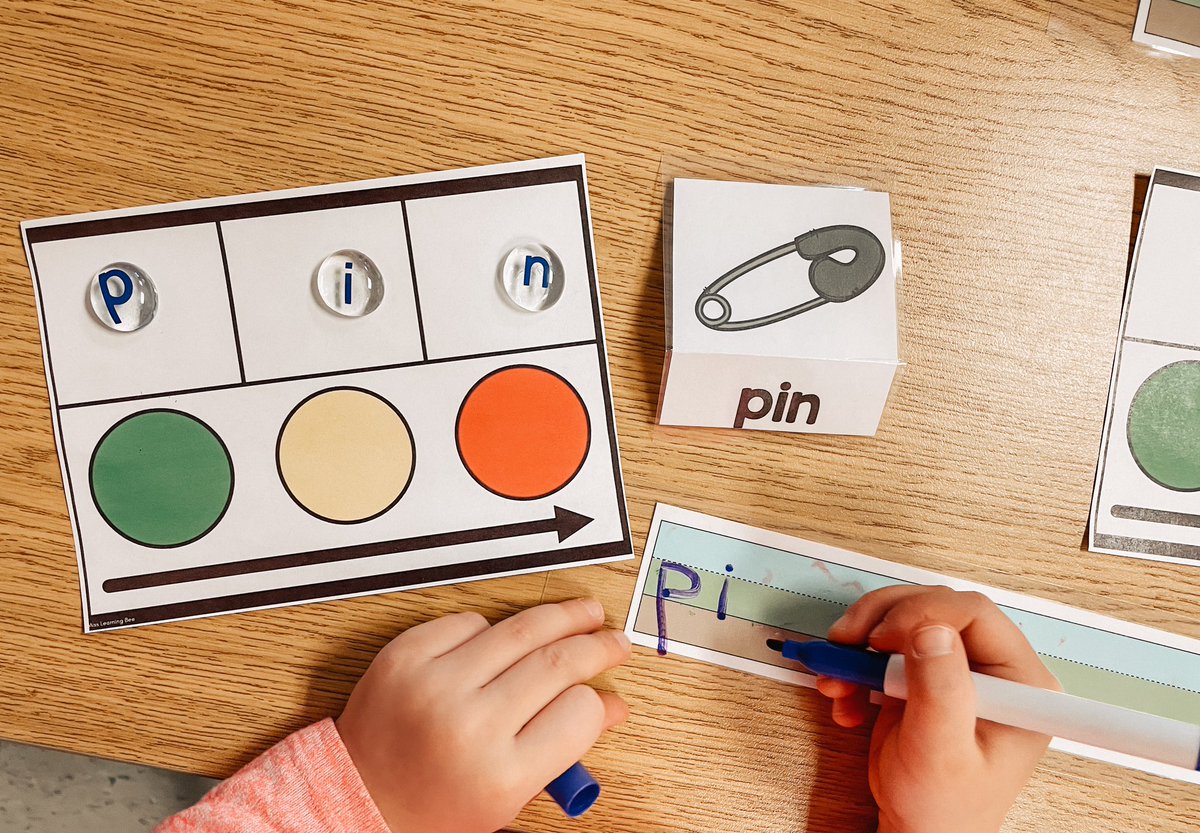
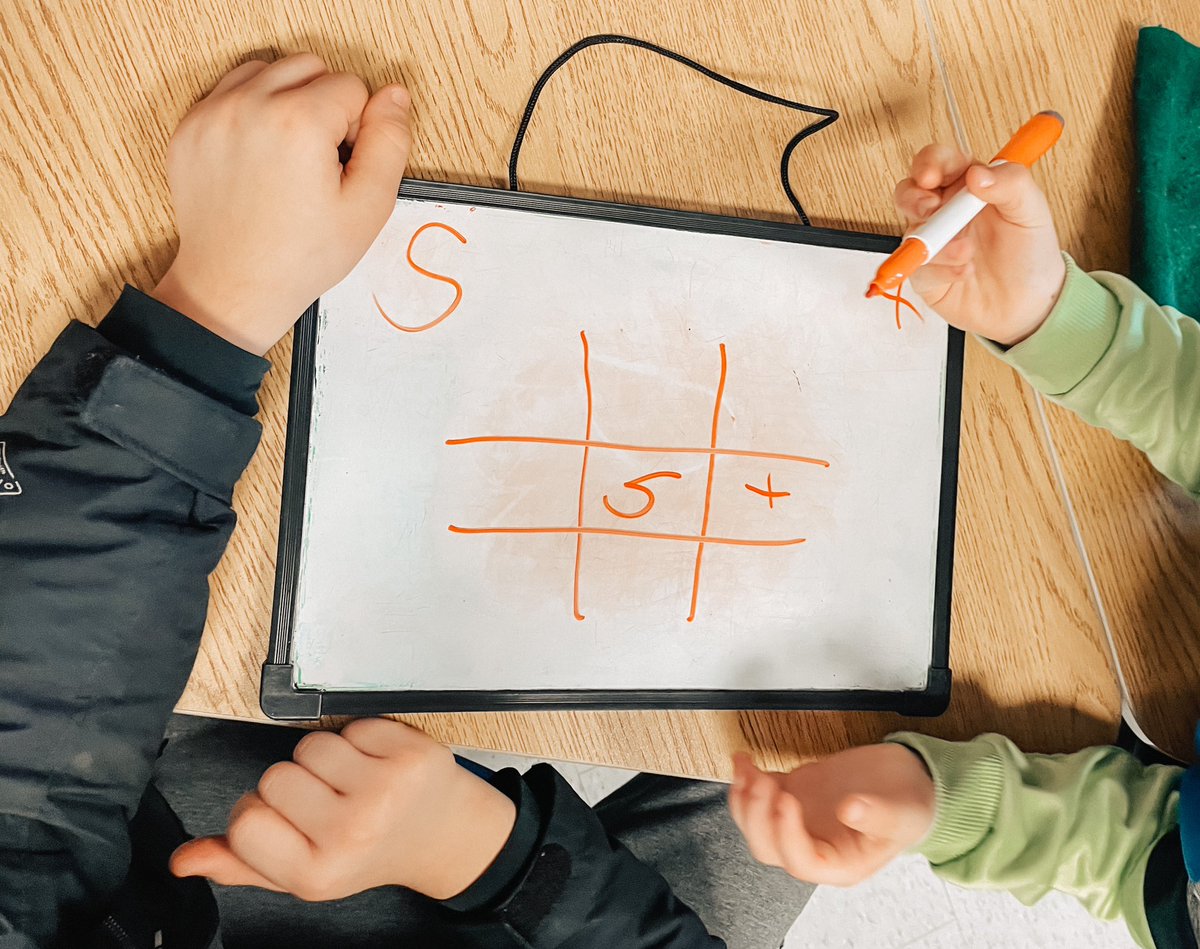
Blending and segmenting cvc words and using our sky grass ground paper to write it. “This one goes all the way into the ground like a worm.”
@TVDSBKinder
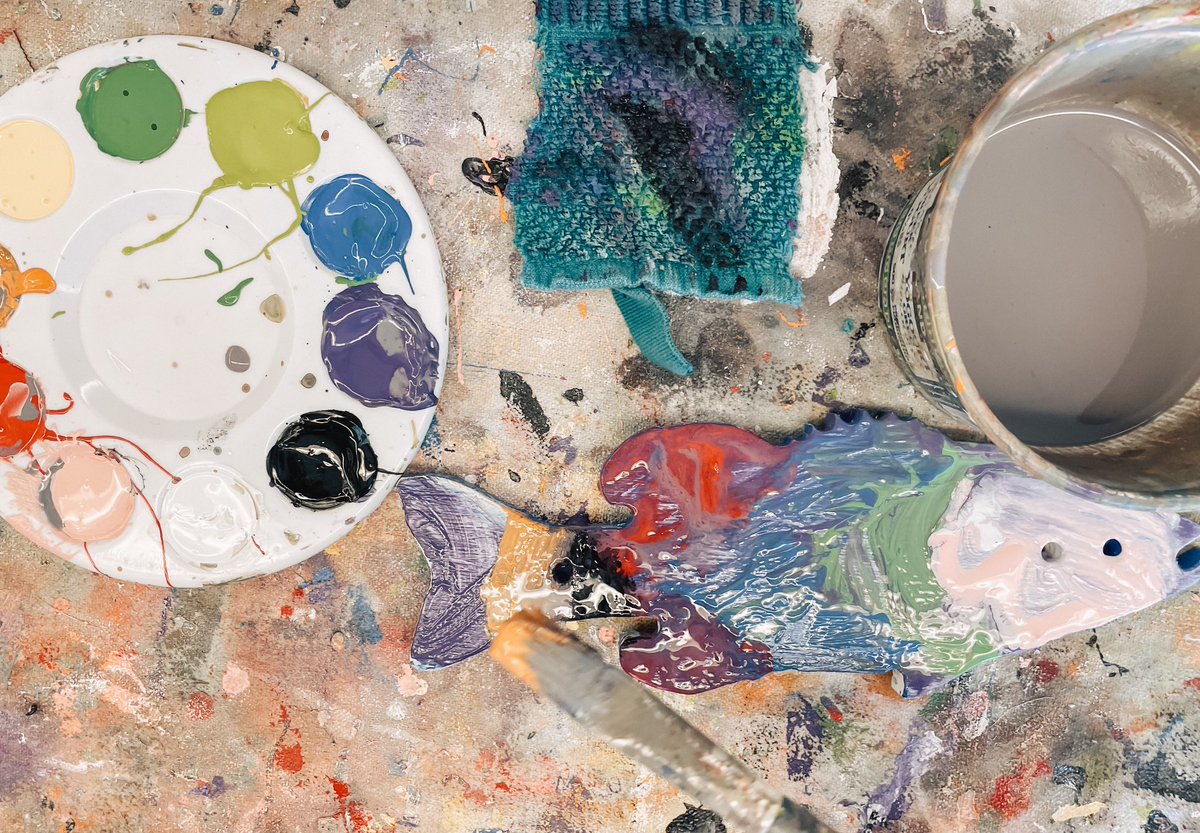
We learned so much about the importance of keeping our water systems clean @riverheights11 during our @StreamofDreams presentation yesterday. Ss are excited to see their special fish up on our fence this spring.
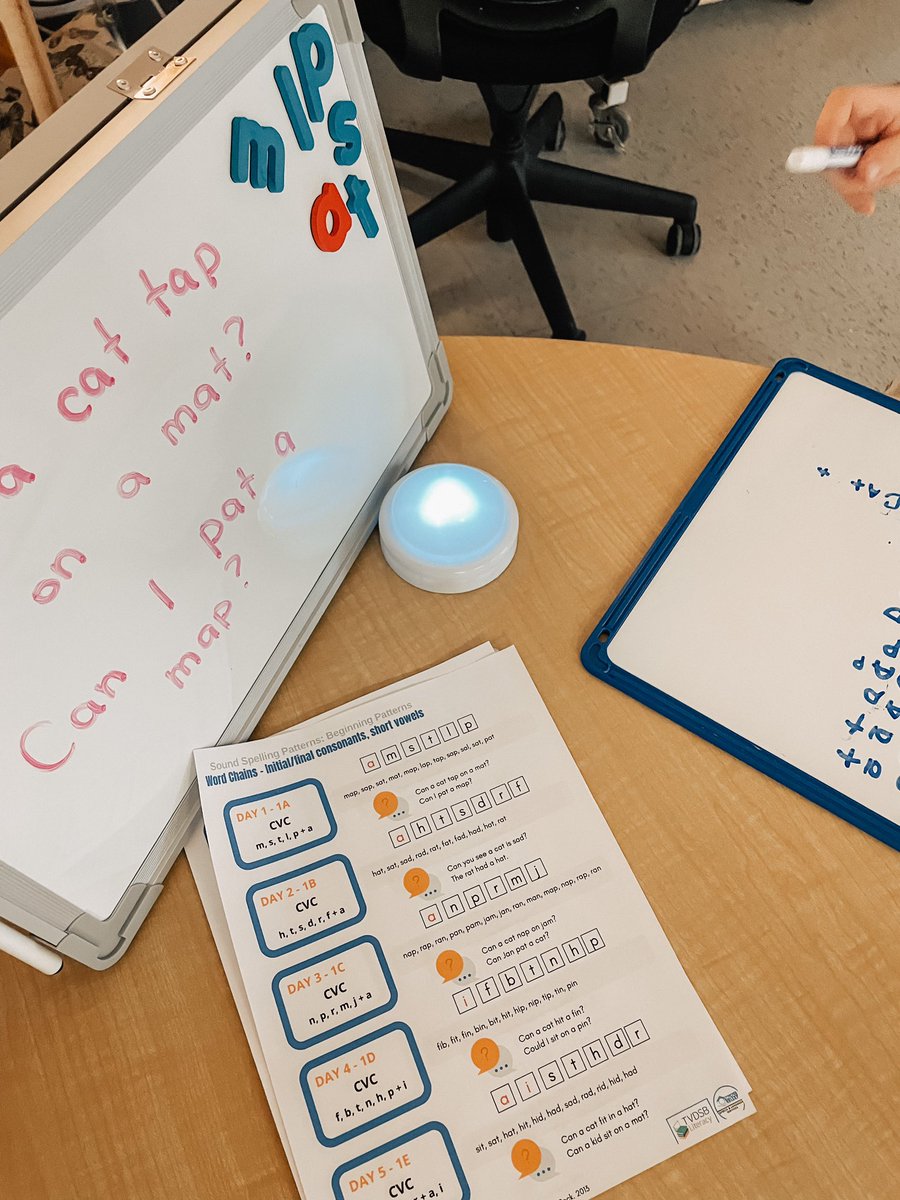
CVC word chains were a huge hit today during our small group learning. Feeling grateful for such a fabulous #literacy portfolio with so many great Grab n Go resources. Thank you @TVDSBLiteracy
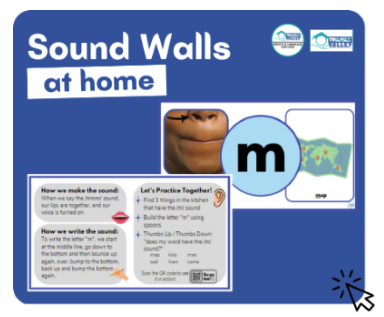
Looking to build connection about sounds and print at home? Check out the Sound Walls at home resource! Located in the English Sound Wall section on SharePoint! @TVDSBslp#tvdsb#tvdsbkinder https://t.co/goZ2beDtxU
Encouraging, teaching, and normalizing various methods of functional communication so that ALL of our students can communicate effectively with one another. This means teaching the entire class to become communication partners. @TVDSBslp@SpecialEd_TVDSB
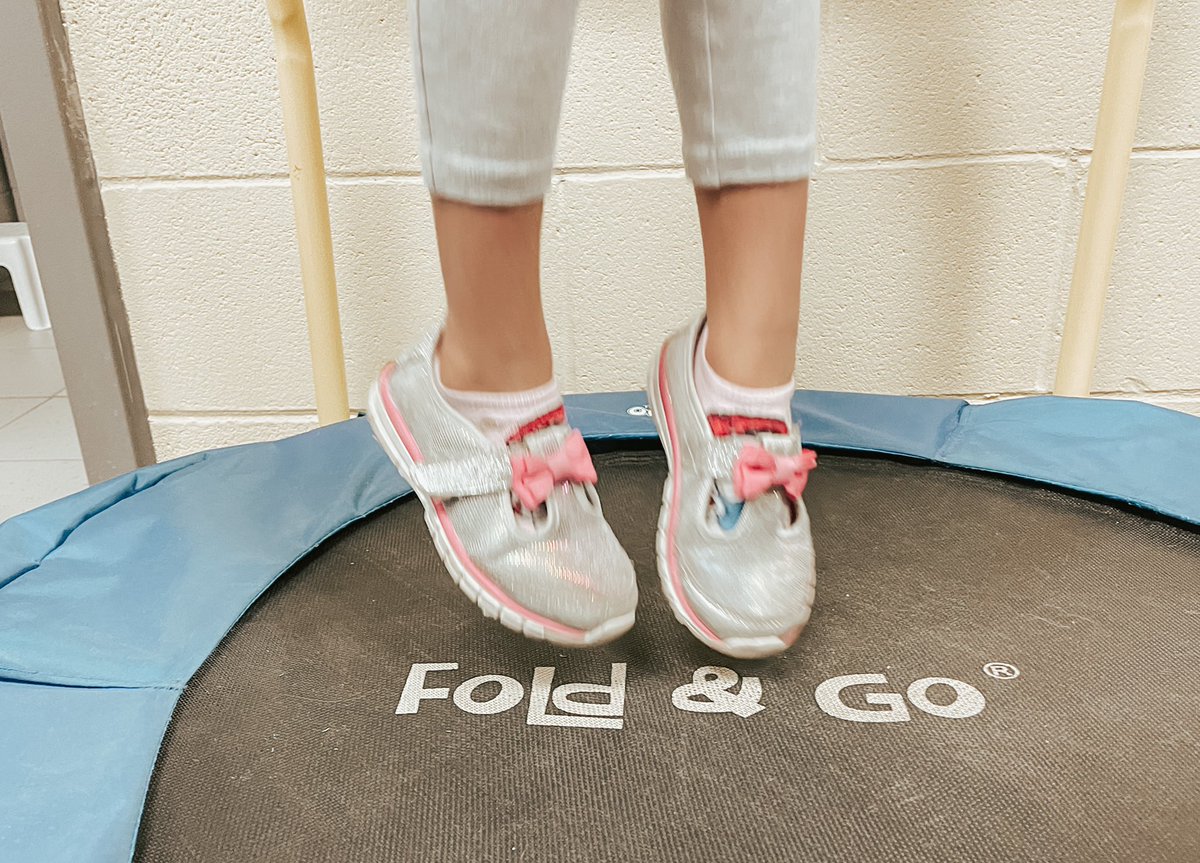
One of our students with exceptionalities loves to jump. So, we have introduced a trampoline into our space. We were asked, “How do you keep the other Ss off of it?” My response: “We don’t.” It is now a universal support in our room. #necessaryforsomegoodforall
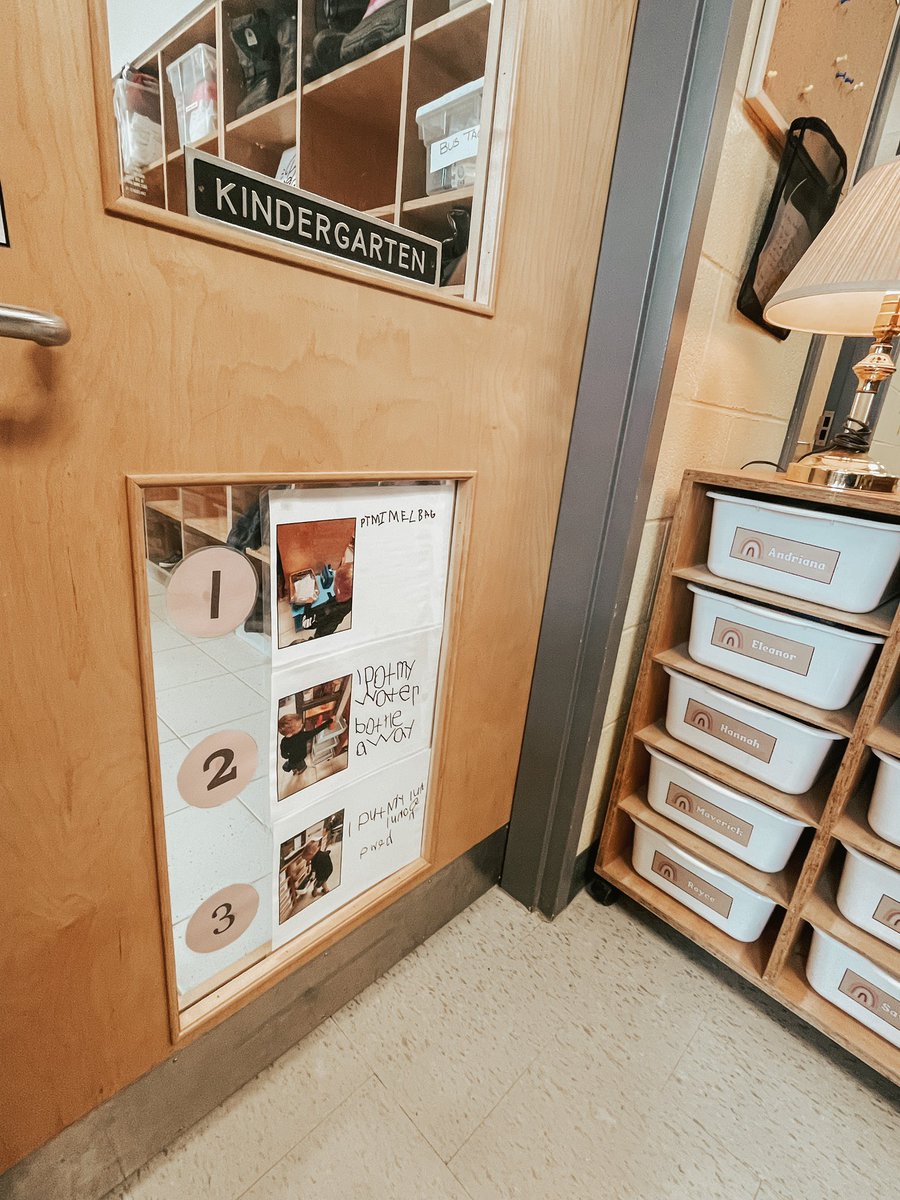
Are you verbally prompting your Ss through their routines? Try this: simple, co-created visuals at Ss level. The more consistently we provide accessible visual supports, the more independent our Ss can be! Ss don’t need to look for an adult and can consult their environment.
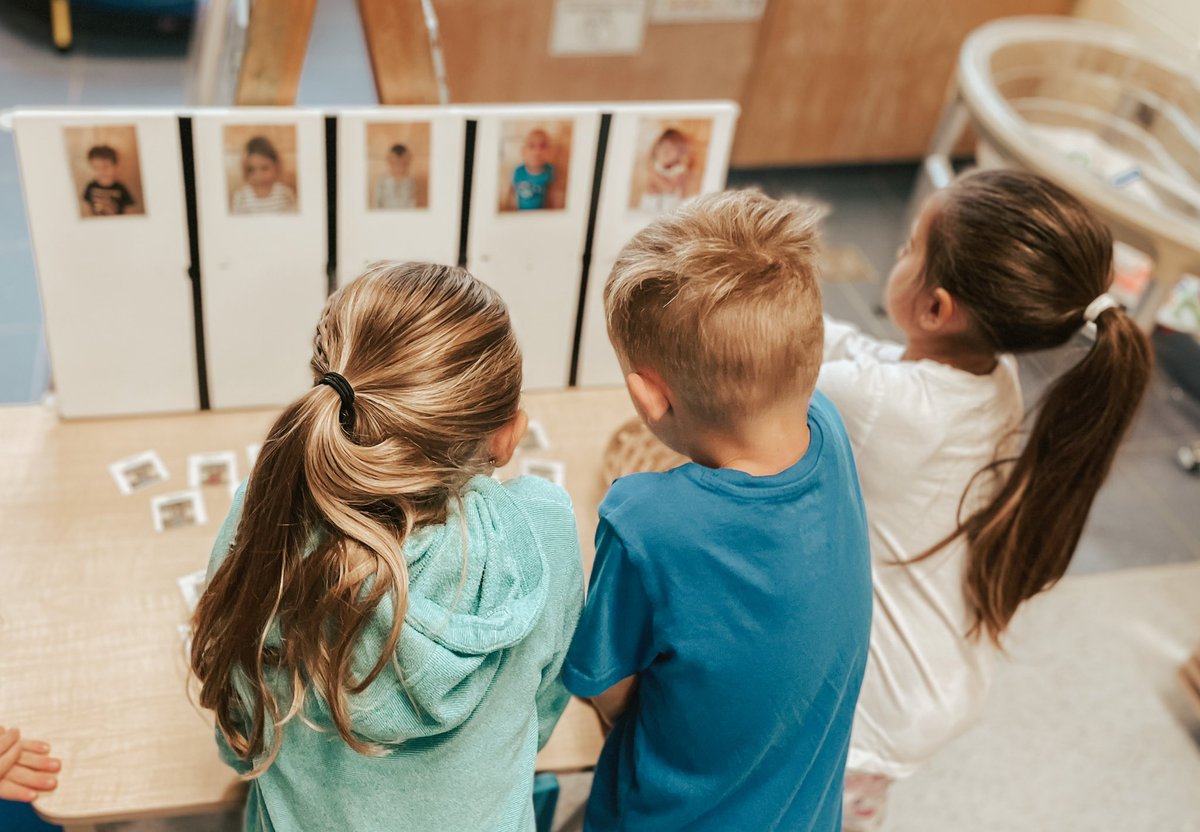
Students are invited to sign into our classroom by placing their magnet on a feeling face (co-created with student facial expressions). Some Ss returned to this space later in the day to move their magnet. “My feelings changed. I was mad but now I’m calm.”
After we learn a new sound it becomes the “secret password” for entering the classroom, allowing for several extra daily repetitions. The kids ❤️ it - and don’t worry about the ones who forget; if they don’t copy the child in front of them I supply the sound for them to repeat.
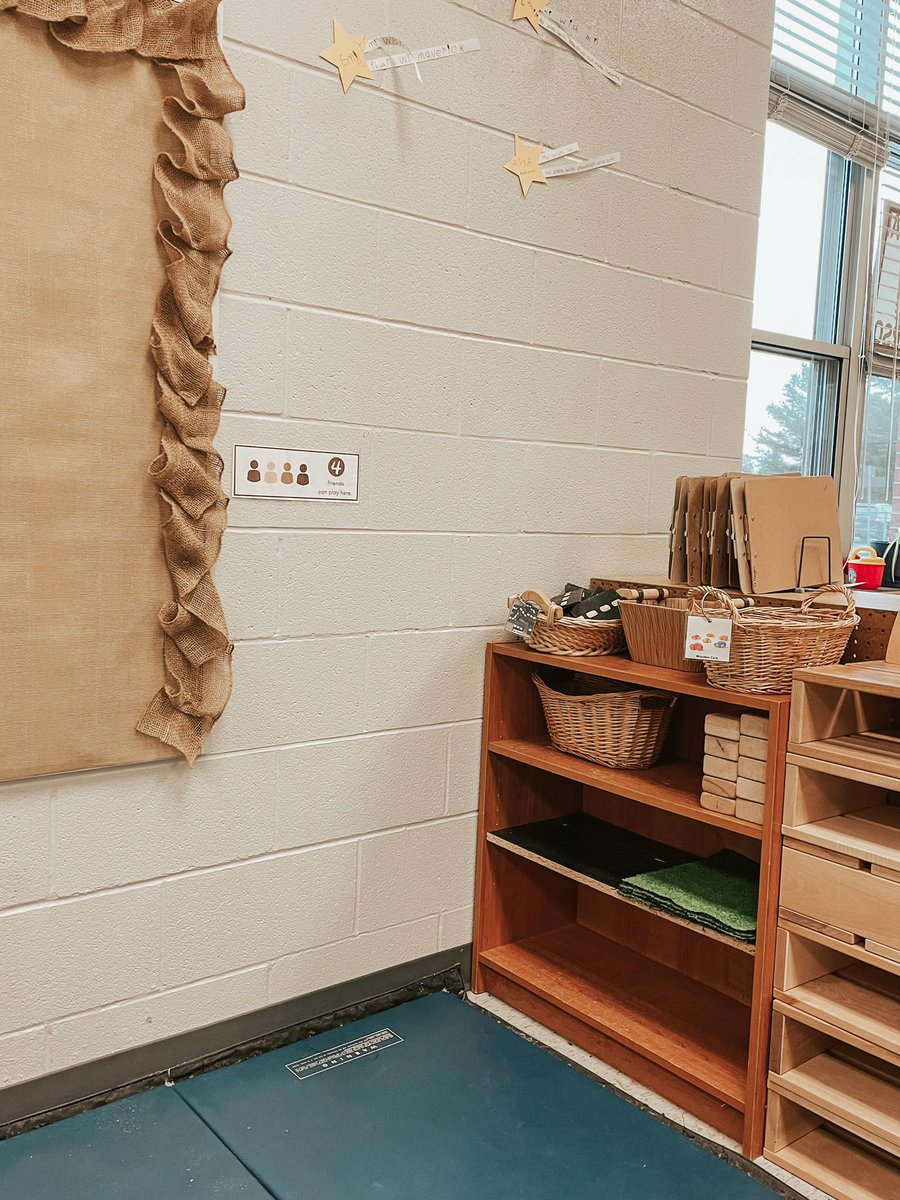
New visuals are up to help our Ss to regulate during playtime. We co-developed a plan for the number of Ss invited to an area and used student input to decide on a quantity that felt appropriate. The students voted, debated, and agreed on the new addition to our space.
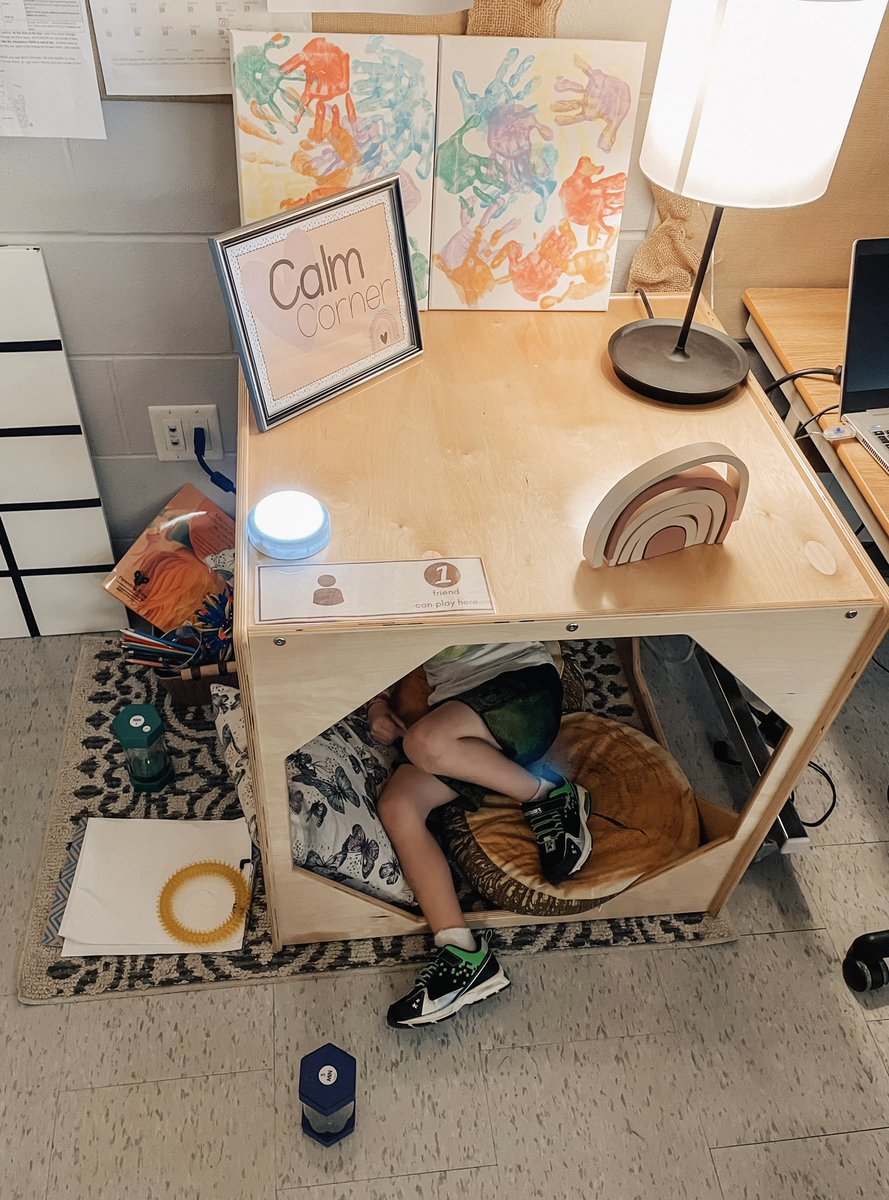
We have been working hard on creating calming spaces as a proactive strategy. Following explicit teaching about feelings and strategies for self-regulation, we want Ss accessing this space before they are escalated, not after. How can we shift from reactive to proactive?