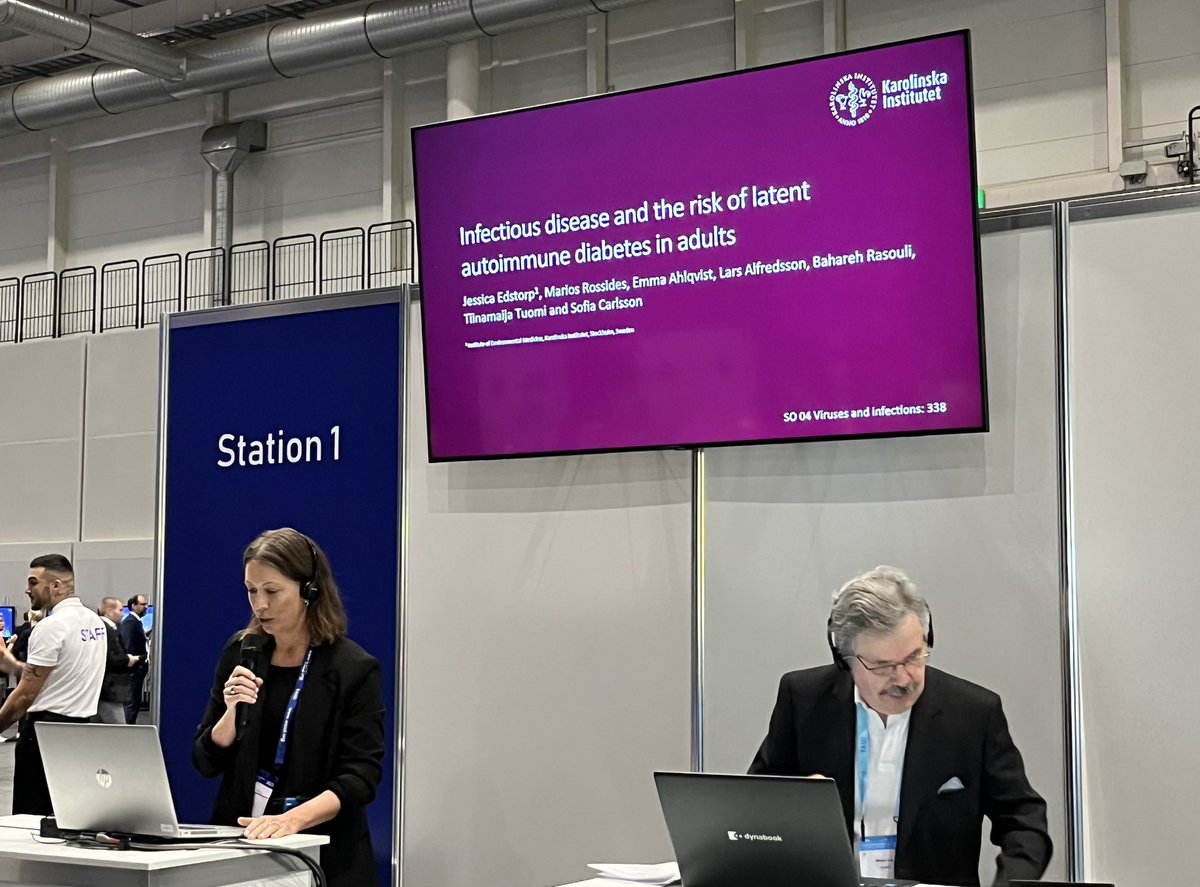
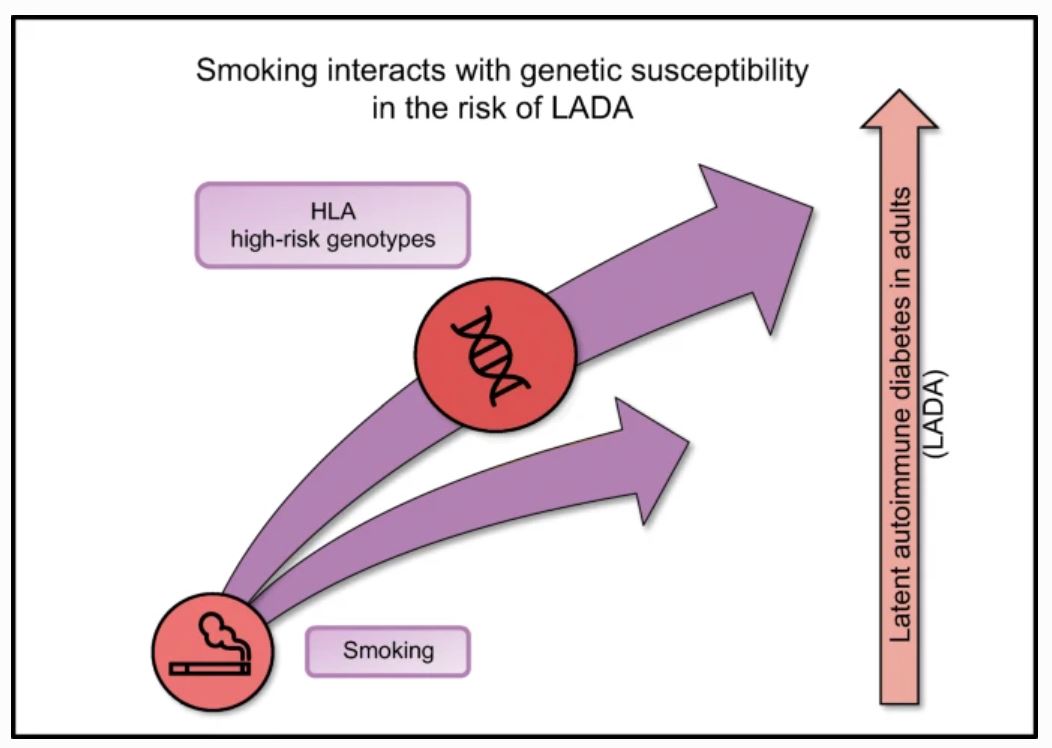
A study by @Jessica_edstorp et al. (2022) found that people who smoke or use smokeless tobacco have an increased risk of developing #LADA. 🚬
The risk was higher in people with high-risk #genes for #autoimmune diseases.
Full text: https://t.co/ptX3WG8zj0
#WorldDiabetesDay
In honour of #WorldDiabetesDay, we'll share facts about #LADA and research findings from the group.
#LADA is a type of #diabetes with onset in adult years and is characterised by features of both #T1D and #T2D.
Learn more about the ESTRID study
👇🏽
https://t.co/qfVoLefI5e
A study by @yuxia_wei et al (2022) found that low birth weight and adult #obesity increase the risk of #LADA, using mendelian randomisation to examine the association between birth weight, obesity & the risk of #LADA.
Full text: https://t.co/h31XZCWJX9
#WorldDiabetesDay
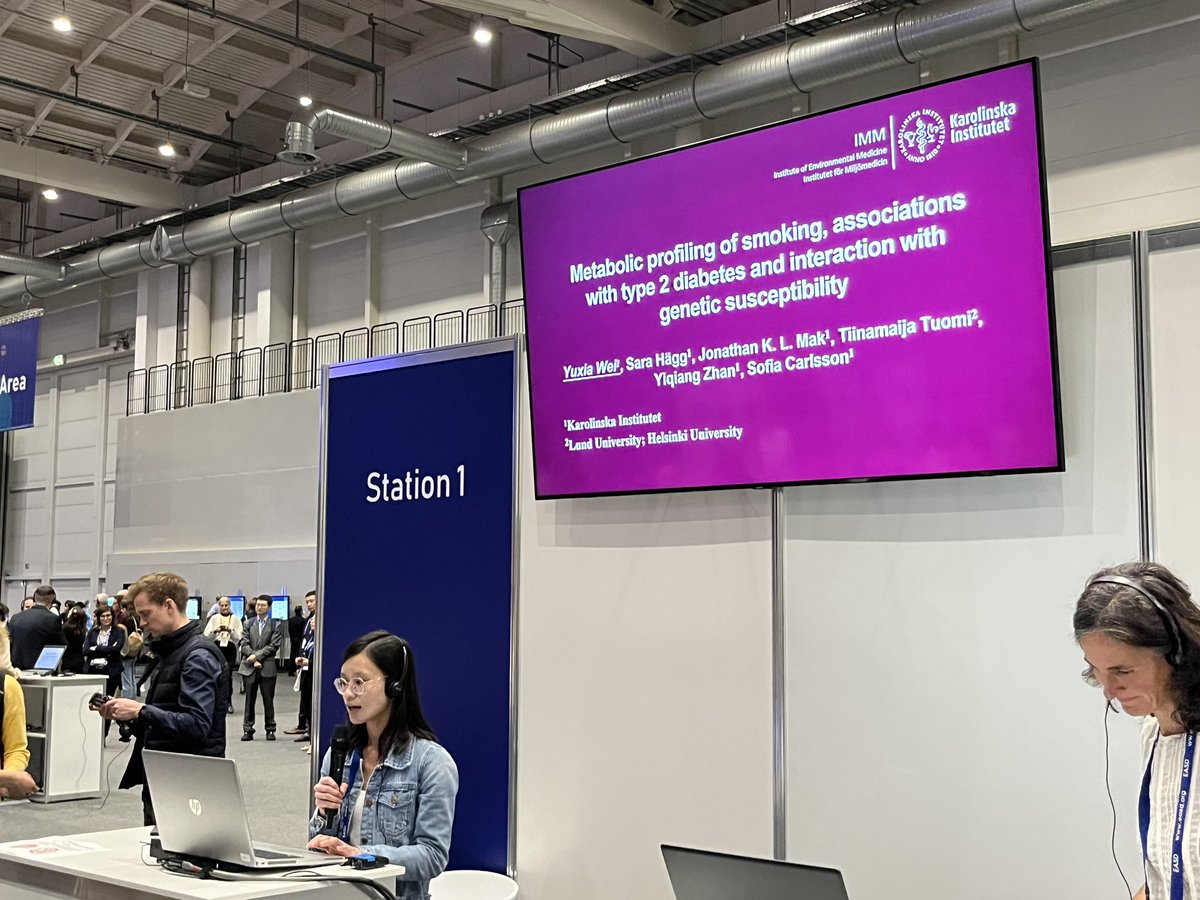
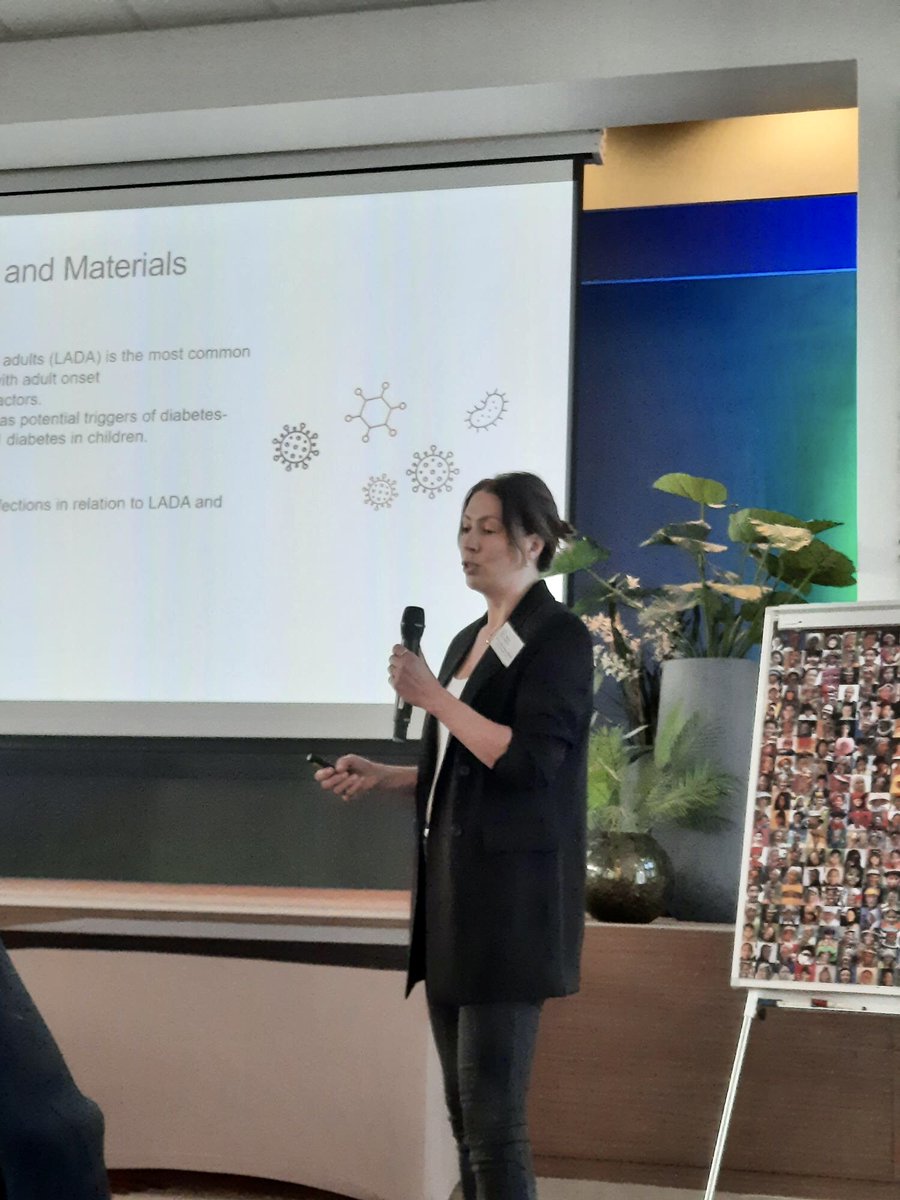
@yuxia_wei presenting her study on metabolic profiling of #smoking and #T2D.
The results show that smoking affects a wide range of metabolites, which can mediate the excess #diabetes risk in smokers.
#EASD#EASD2023
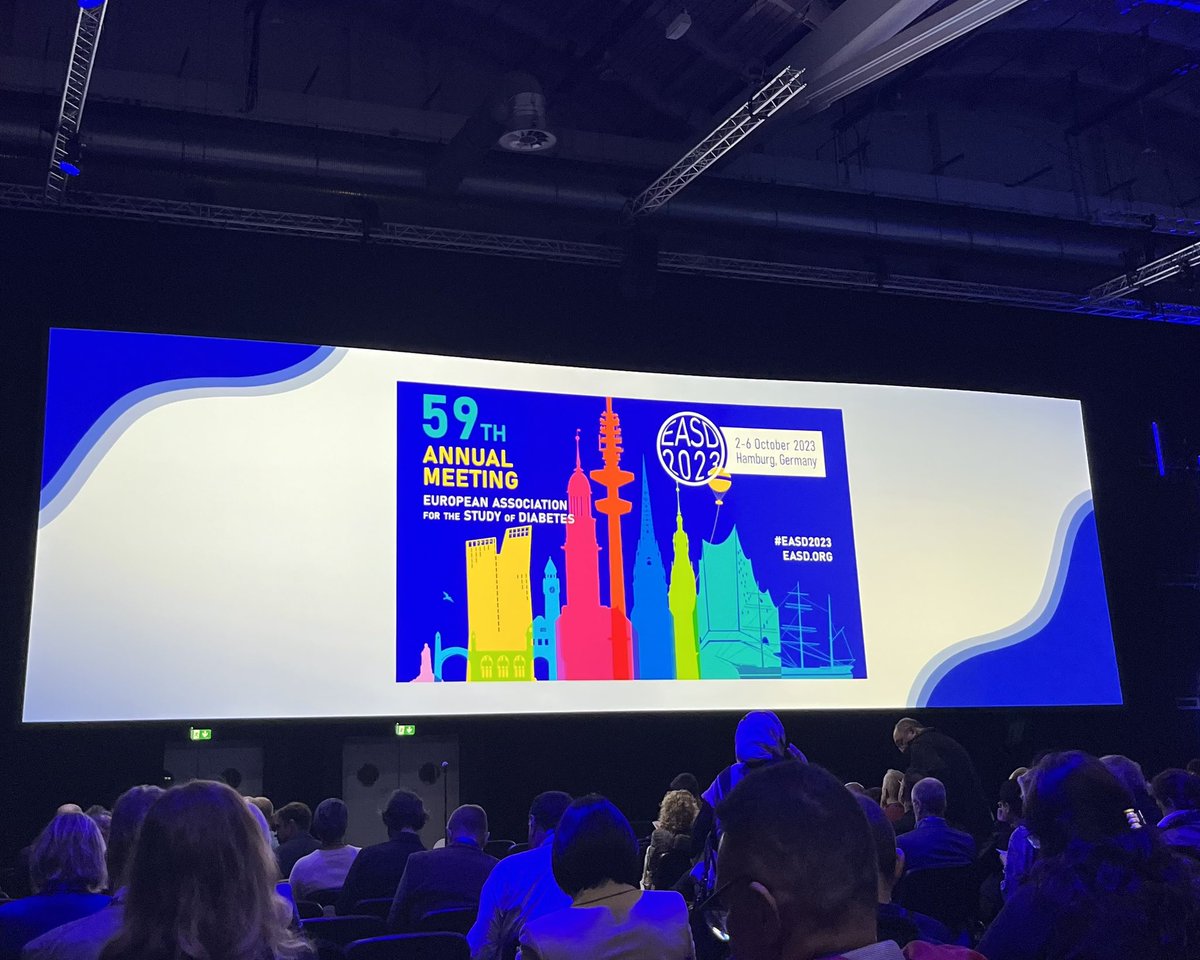
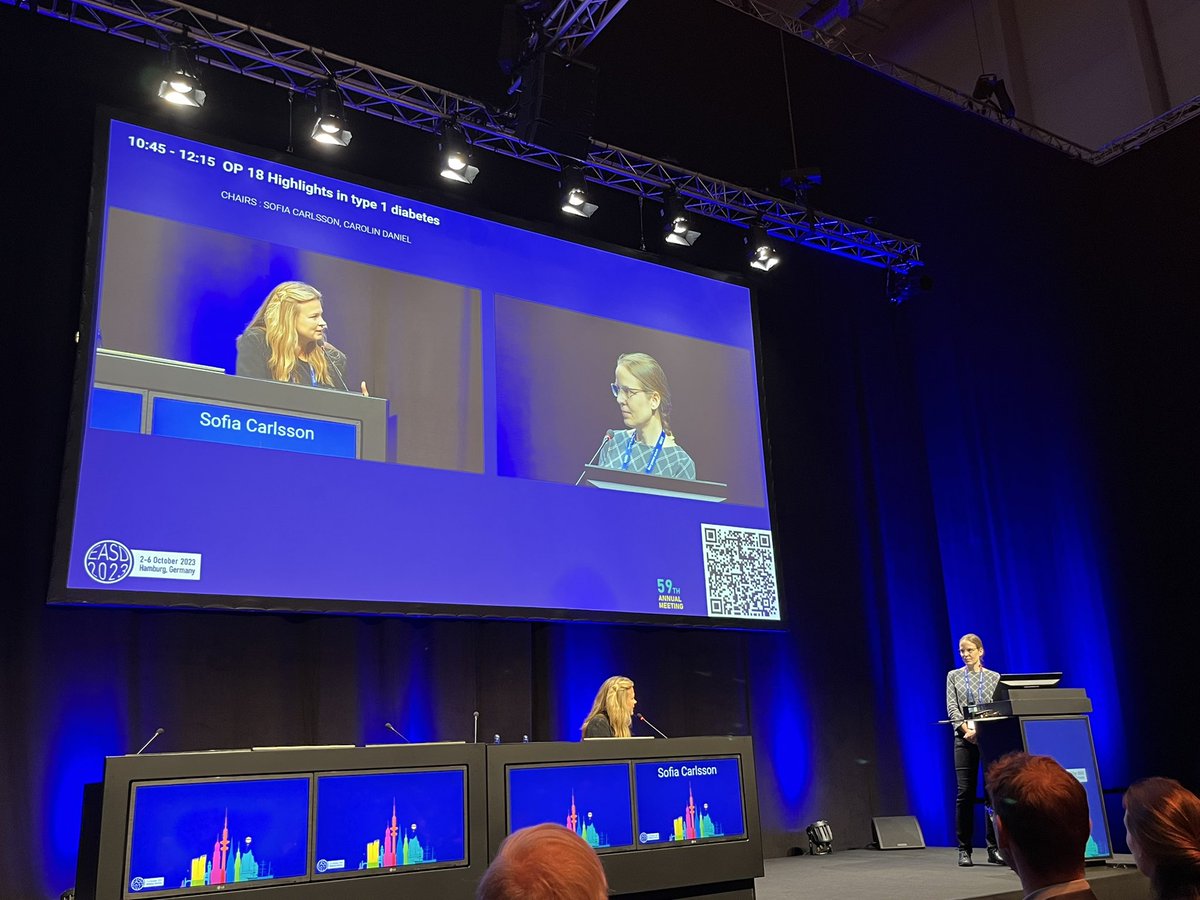
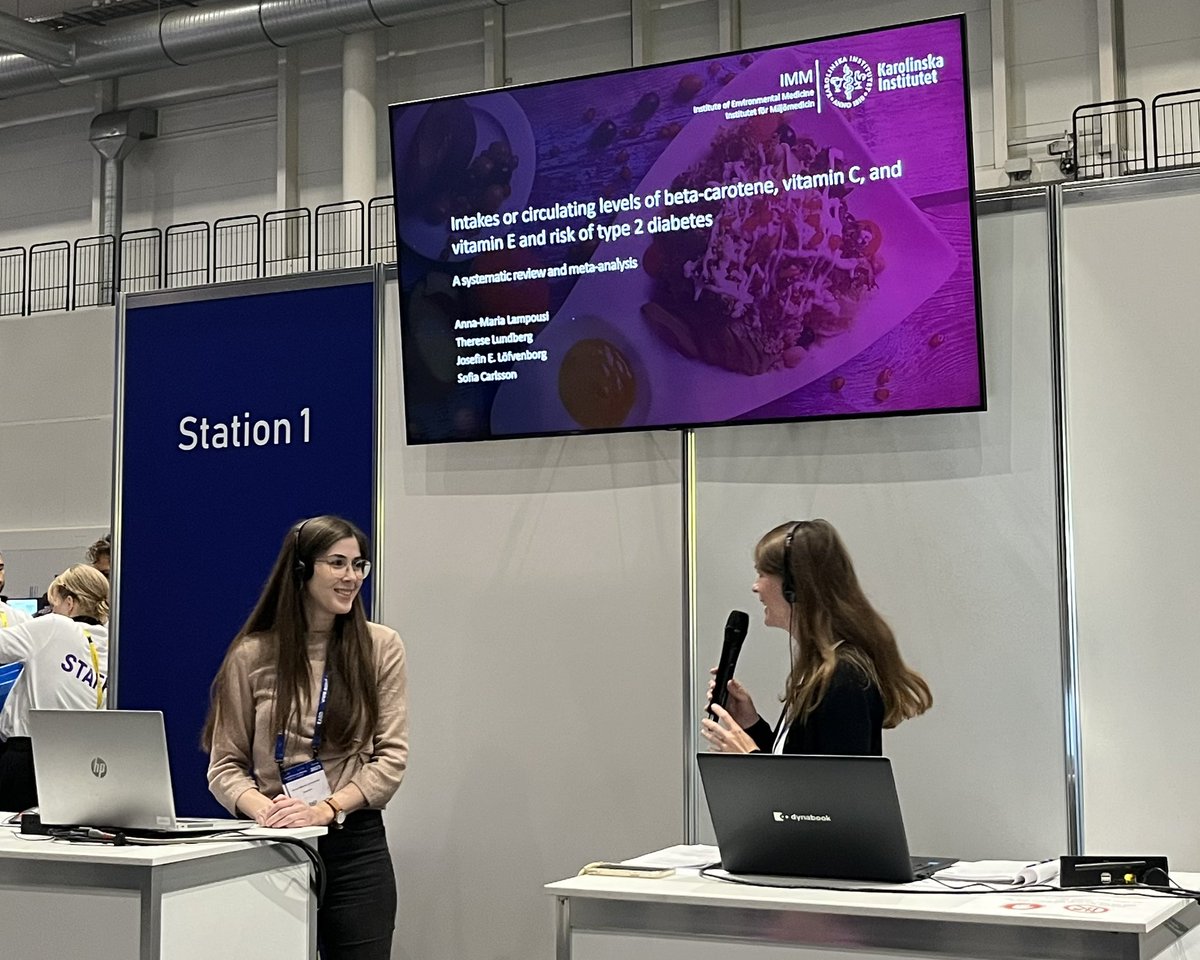
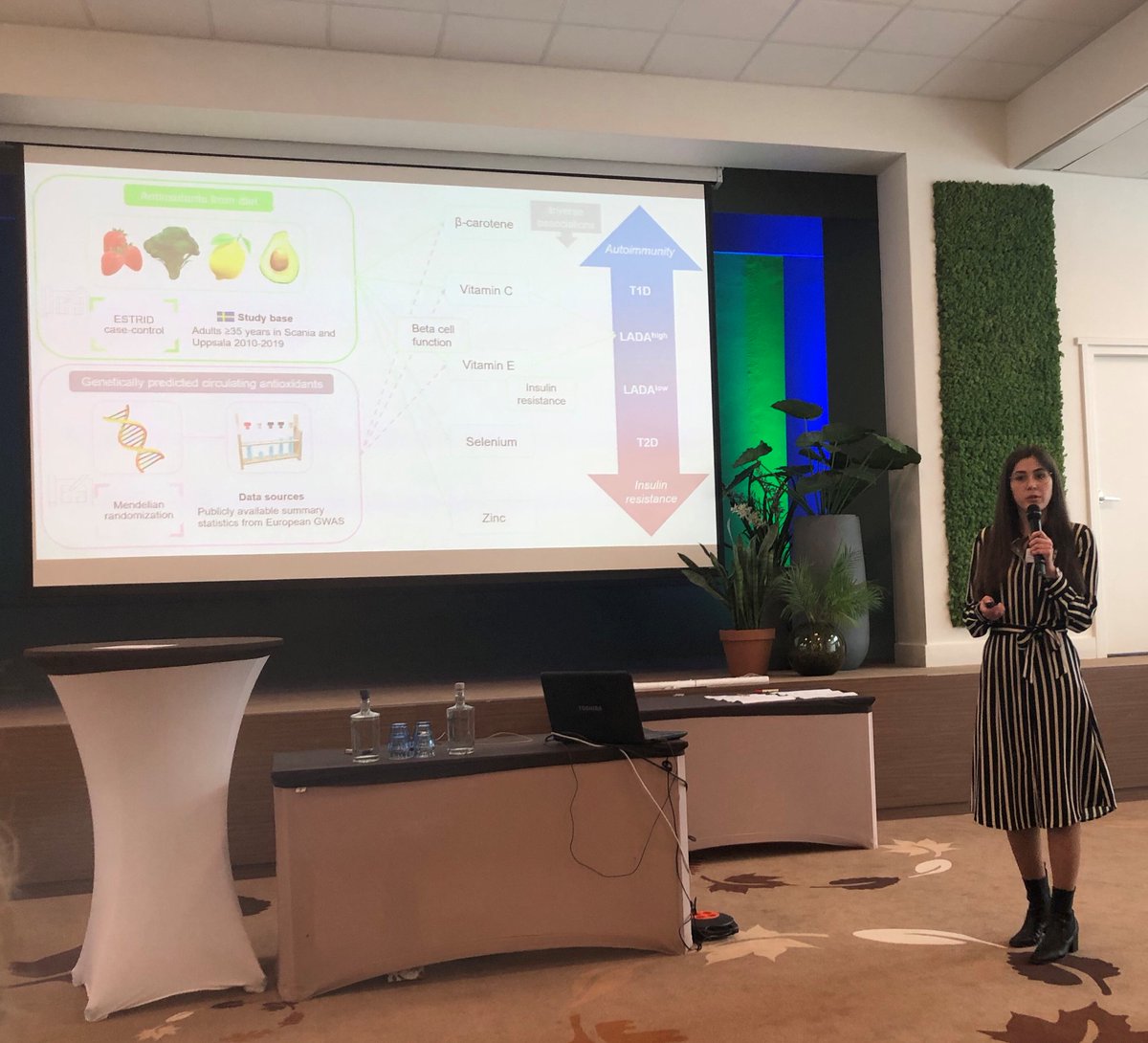
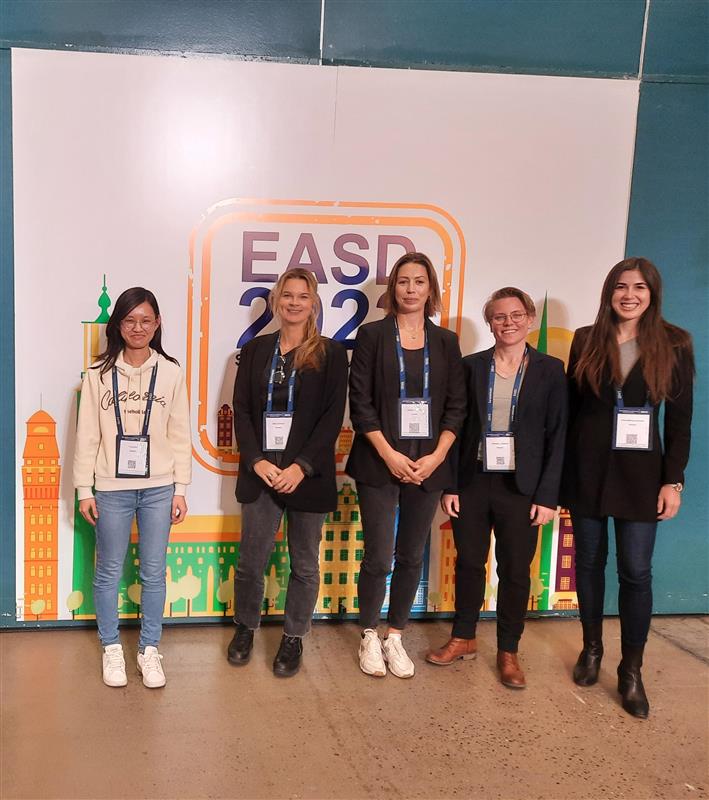
This week marks the 59th Annual Meeting of #EASD in Hamburg. The ESTRID team is on site and excited to hear and share the newest #diabetes research.
#EASD2023#T1D#LADA#T2D
Our new article on smoking and genetic susceptibility to type 2 diabetes and related traits in LADA and type 2 diabetes is a featured highlight in the current issue of Diabetes Care! #diabetes#diabetescareADA#estrid#lada
https://t.co/VbwCBPSpyu
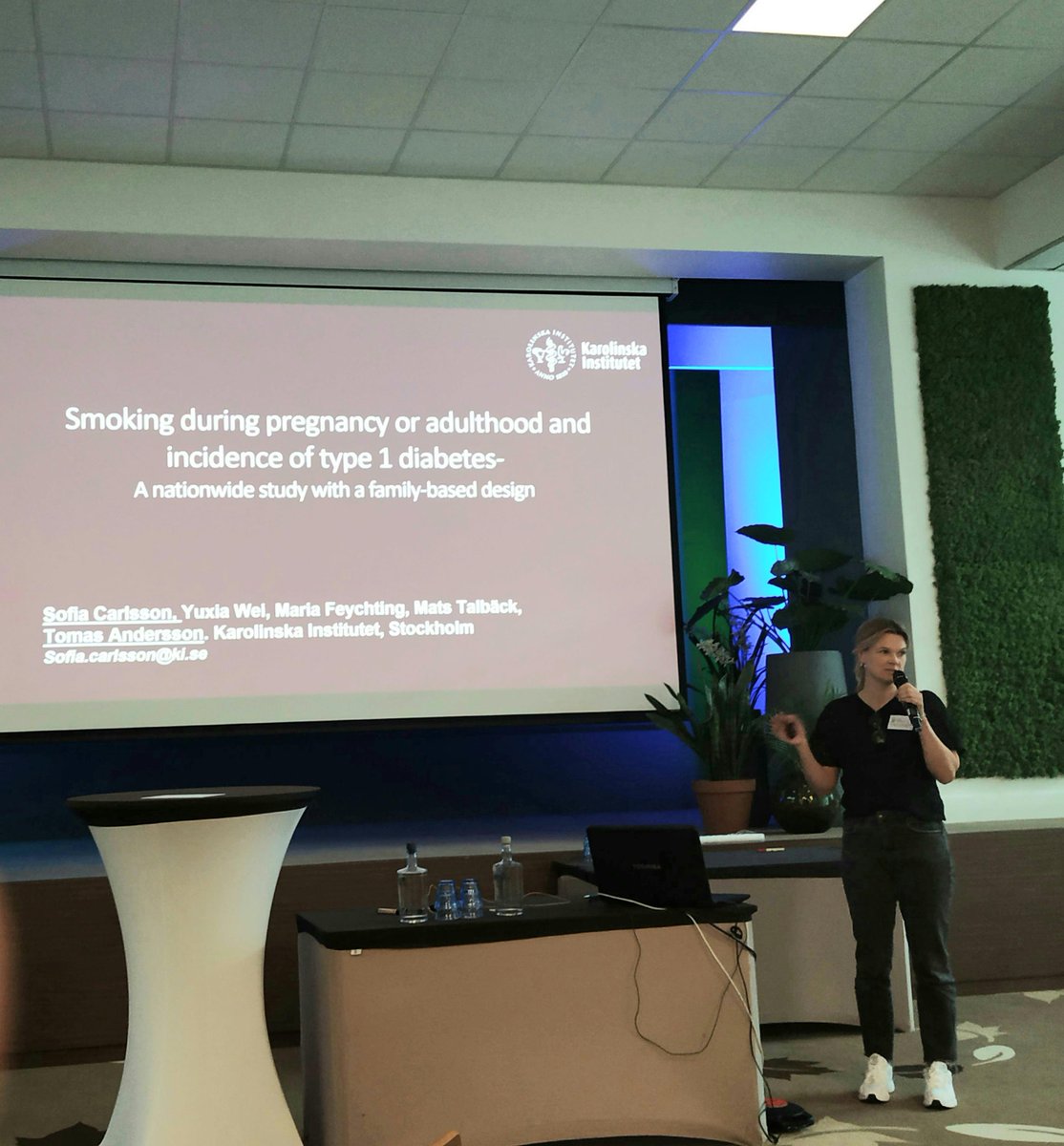
A new study shows that both #smoking and using smokeless #tobacco increase the risk of developing latent autoimmune #diabetes among adults (LADA).
#sciencenewsdk
https://t.co/oZiUr5WdlF
Our article “Smoking, use of smokeless tobacco, HLA genotypes and incidence of latent auto immune diabetes in adults” is in the January 2023 issue of Diabetologia.
Congratulations to @Jessica_eds on her presentation about interaction between tobacco use and genetic sucseptibility for The risk of #LADA and #T2D#EASD2022
@PhDEducation Interesting! What would be the possible postive effects of urban greenness on cardiovascular health and why? Is it because of increased physical activity or because of other factors, and is this linked to socioeconomic inequalities in your data?