El #autismo no debe ser un trastorno según la RANME ¿Es el autismo una discapacidad o una identidad? Un análisis crítico al comunicado de la RANME
La Real Academia Nacional de Medicina de España (RANME) en un comunicado, publicado el 29 de abril en https://t.co/pbg1A1CKU8
On the last day of the PGC #Bipolar work group take over, we want to focus on the people living with bipolar disorder every day. The Bipolar Commission and charity @BipolarUK has spent five years gathering evidence on the state of bipolar care in the UK. Here's what they found:
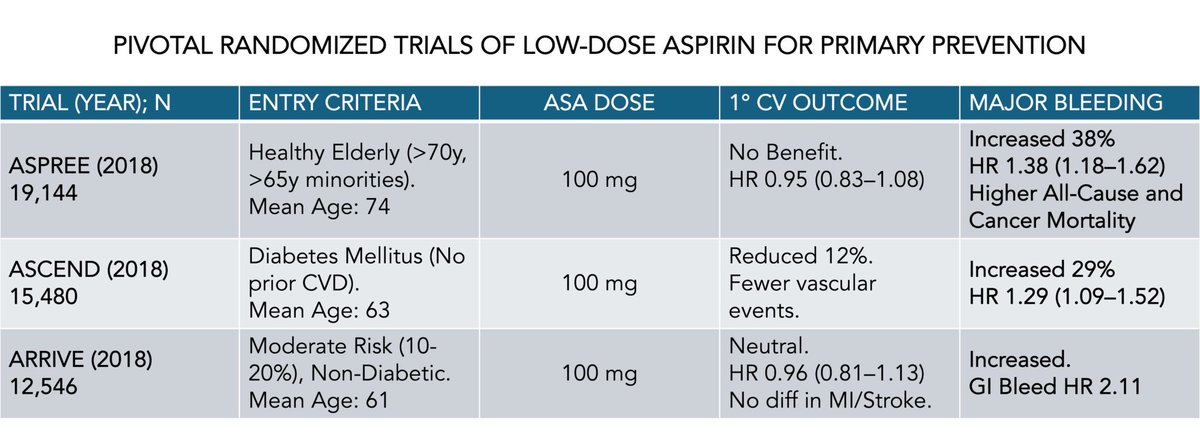
🧵 ¿Debemos seguir usando aspirina en prevención primaria? 💊
Tres grandes ensayos randomizados nos dejaron una respuesta clara… y no es la que esperábamos. Abro hilo científico 👇🧠📉
Do shared genes blur the lines across 14 psychiatric disorders? YES, according no a new paper in Nature. Genetic landscape refers to the full pattern of shared and unique DNA variants that influence risk across multiple conditions, rather than a single diagnosis. Strom and colleagues describe in a new paper in Nature how large scale genomic analyses across more than one million cases reveal deep genetic overlap among 14 psychiatric disorders.
Key Points:
- Shared genetic risk dominates as five major genomic factors explain about two thirds of inherited risk across the disorders.
- Schizophrenia and bipolar disorder cluster tightly together while depression, PTSD and anxiety form an internalizing group w/ very few disorder specific genes.
- Broad shared genes relate to early brain development, while more specific patterns map to excitatory neurons or oligodendrocyte biology, and are more dependent on the factor.
My take: As we amass gigantic datasets, looking at how genes blur can be super informative. Please read this paper and decide for yourself, as I am biased w/ a small part of the data drawn from our institutional collaboration (Obsessive-Compulsive Disorder and Tourette Syndrome Working Group of the Psychiatric Genomics Consortium). 1- Many psychiatric diagnoses share the same genetic roots, which may help explain why symptoms frequently overlap. 2- Genes linked across disorders tend to act early in brain development rather than appearing later in life. 3- Some groups of conditions like schizophrenia and bipolar disorder are genetically closer than their labels suggest. 4- Understanding shared biology could help health care providers target treatments that work across multiple conditions. 5- Will future care models move beyond rigid categories toward biology informed approaches that better match how our brains actually work?
https://t.co/NzKXNrvbHt @FixelInstitute@ParkinsonDotOrg@SfNtweets@movedisorder@Nature@APA@AmerMedicalAssn
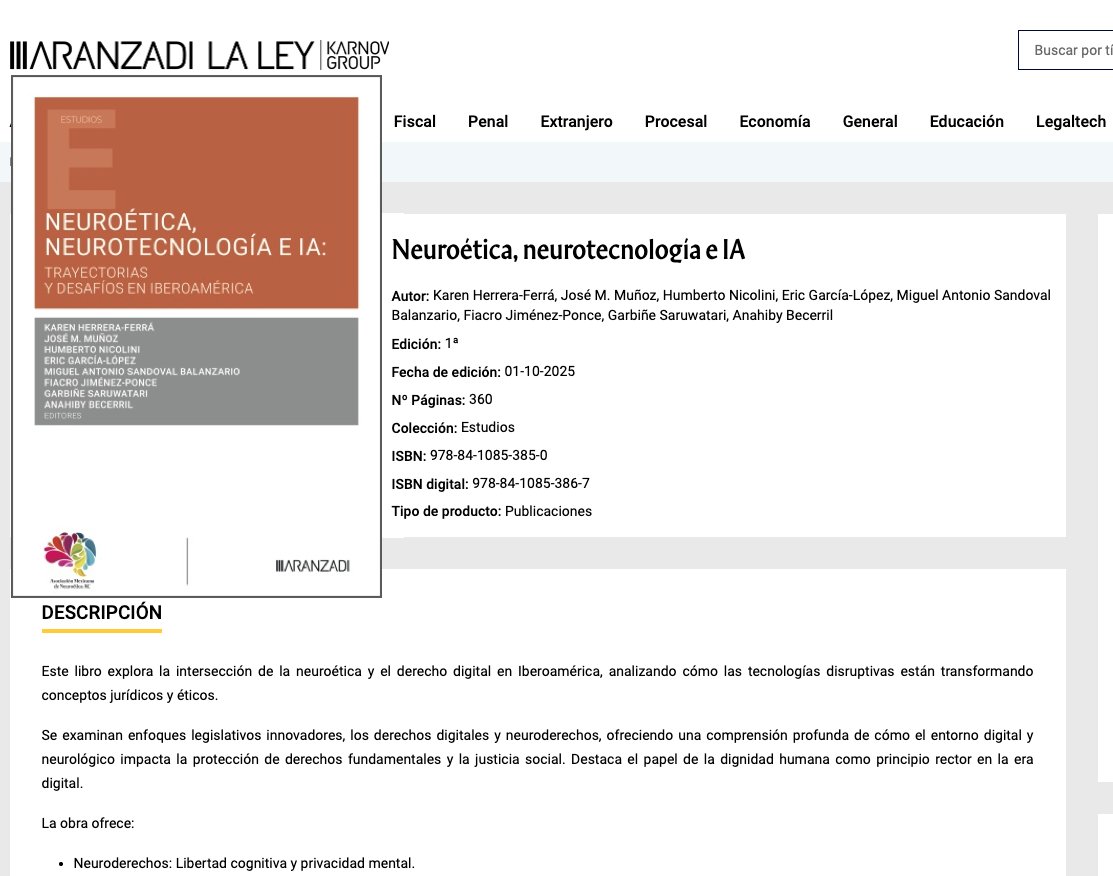
Nuevo libro: Neuroética, neurotecnología e IA
https://t.co/xAahIM5ZFy
H/T @aranzadilaley@NeuroeticaMex
Para mí es un honor formar parte del equipo de autores y editores (@KarenFerra_@Jhnicolini@FiacroP, entre otros/as, de esta nueva obra colectiva.
Le invitamos a leerla.
Don't miss Dr. Sandra Sanchez-Roige's groundbreaking talk on "Bringing Addiction Genetics into the clinic: Are we There Yet?". Learn about the latest advances in psychiatric genetics and precision psychiatry. #WCPG2025
Les comparto este trabajo que acaba de salir Great news – our OCD GWAS has been published today in Nature Genetics: https://t.co/W0zfDyhOkT. The paper is open access,
A 2024 Science study introduced “Evo”—a #MachineLearning model capable of decoding and designing DNA, RNA, and protein sequences, from molecular to genome scale, with unparalleled accuracy.
Evo’s ability to predict, generate, and engineer entire genomic sequences could change the way synthetic biology is done. Learn more on #DNAday: https://t.co/KMfp4HL5h5