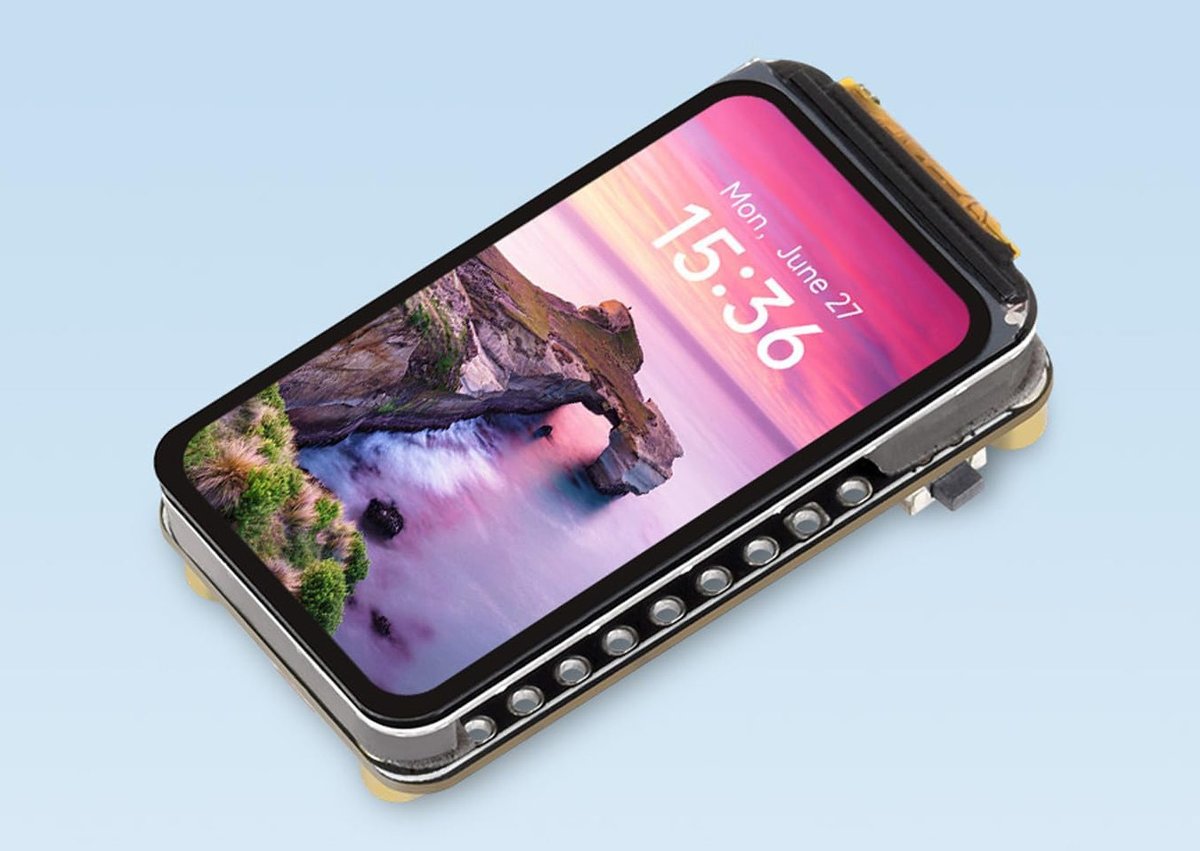
ESP32-C5 dual-band WiFi 6 and BLE 5.0 board with a 1.47-inch color LCD.
https://t.co/WFRXF1qzOU
@Waveshare00 ESP32-C5-LCD-1.47 is the first LCD board we've seen based on the new ESP32-C5 SoC. It features a 1.47-inch 262K-color display with 320 x 172 resolution, 4MB of flash, an RGB LED, a microSD card slot, and two 9-pin headers for GPIO expansion.
The company provides instructions to get started with the ESP-IDF framework and the Arduino IDE. Older projects for the previous-generation ESP32-C6-LCD-1.47 board might also work with some modifications for 5 GHz WiFi.
LinHT Rev B turns a Retevis C62 donor shell into a Linux-based UHF SDR handheld.
The revised board adds:
• An internal PA targeting ~5 W at 435 MHz
• Variable RX attenuation
• GNSS
• USB-C charging
• Improved power, grounding and layout
No VHF yet. The team is prioritizing RF stability and manufacturability before adding another band.
Rev B is still under test—not a finished or certified product.
https://t.co/4TH5uPZ83Z
#hamradio #SDR #M17 #Linux
📡 RF-Clown – Open-Source BLE & Bluetooth Research Platform
RF-Clown is an open-source ESP32 and nRF24L01-based project designed for studying Bluetooth and BLE communications in controlled, authorized environments. It features a custom PCB, OLED interface, triple nRF24 modules for extended RF coverage, external antennas, rechargeable battery support, and fully open hardware and firmware.
The project includes PCB files, schematics, precompiled firmware, and source code, making it a useful resource for learning RF protocols, embedded development, and wireless security research.
🔗 https://t.co/BvqZ3cCJBf
Note: Use only in environments where you have explicit authorization. Interfering with wireless communications may be illegal and disruptive.
#CyberSecurity #EmbeddedSystems #ESP32 #BLE #Bluetooth #OpenSource #HardwareHacking #RFSecurity
Real-time RF signal intelligence. Under 1W. 20+ modulation types.
>85% accuracy. No cloud. Battery-powered. Great coverage from Neetika Walter at @IntEngineering
Read the full release → https://t.co/zRBZ8IYvc0
#AKD1500#NeuromorphicAI#SIGINT#EdgeAI
Open sourcing KENSAT 🤖🛰️
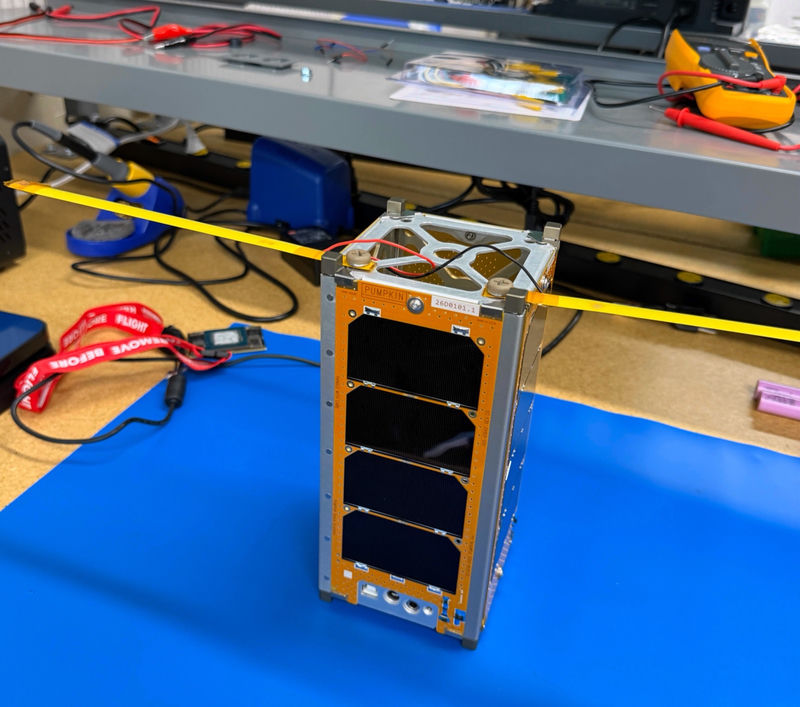
KENSAT is a 2U CubeSat that runs an LLM in orbit. AI inference is run on a NVIDIA Jetson and downlinked to Earth with RF. Launching on the SpaceX Falcon9 in October.
The repo includes everything - from its firmware, schematics and PCBs.
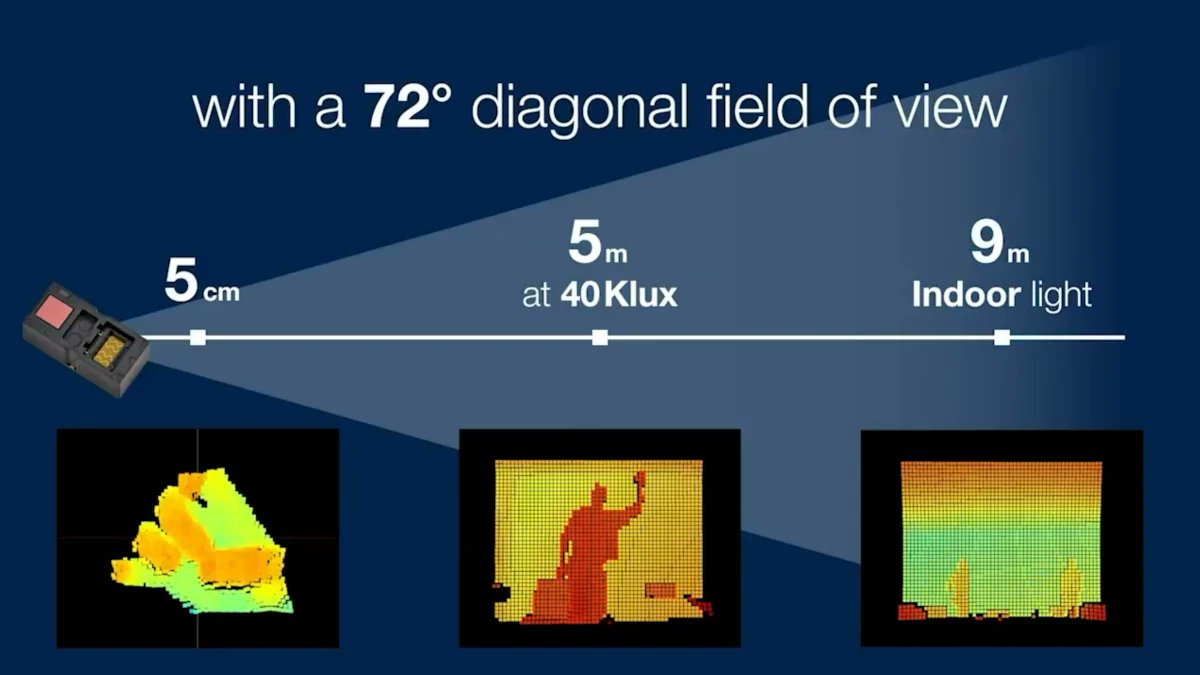
New 3D ToF LiDAR sensor with 5cm to 9m range, 2.3K zones resolution, 100 HZ frame rate.
https://t.co/I1MOdTs7FJ
@ST_World VL53L9CX is a tiny (12.8 x 6.1 x 4.6 mm) ToF module acting like a mini 3D scanner with 2268 zones. It targets a range of applications in robotics, industrial automation, smart buildings, AR/VR, and healthcare.
The module interfaces to the host over MIPI I3C or CSI to transfer 2D and 3D maps, and the company provides two evaluation boards.
GNSS Disciplined PULSAR Phase Noise Multi Clock Standard on Stock 😎
Offers super clean 10MHz, 100MHz & 1GHz at the same time.
Incl. PPS & GNSS data stream. USB powered.
More at https://t.co/fsZImUMB6O
#aaronia#rf#tech
The processing board from my Framework SDR and the single ADRV9009 AFE board fit nicely in a Jetson T5000 footprint 🙌 Should make a nice sensor fusion platform with plenty real-time processing power and the T5000
https://t.co/vbOuiVZS3g in this paper (https://t.co/O1SB3RFpHE), a 14 GHz LNB can capture signals from Starlink terminals. Thanks to Starlink’s rapid expansion across Europe, I was able to perform this experiment myself (Yes I have a Starlink mini).
🌌 Monitorea la constelación de Starlink en tiempo real desde tu propio navegador
La escala de la red satelital de SpaceX es difícil de dimensionar solo con palabras. Ver miles de dispositivos orbitando el planeta en tiempo real ayuda a entender el verdadero impacto de la infraestructura aeroespacial moderna.
El repositorio de código abierto starlink-viz te permite desplegar un globo terráqueo interactivo en 3D que rastrea y renderiza la posición exacta de cada satélite Starlink utilizando telemetría oficial.
.
🛠️ La pila tecnológica y capacidades del proyecto:
• Datos de Telemetría Reales: El sistema consume directamente los conjuntos de datos TLE (Two-Line Element) de CelesTrak, los cuales contienen las variables matemáticas necesarias para calcular la posición y velocidad de los objetos en el espacio.
• Renderizado 3D con WebGL: Utiliza la librería Three.js para renderizar la Tierra y las miles de órbitas de forma fluida, aprovechando la aceleración por hardware de la tarjeta gráfica directamente desde el navegador.
• Interactividad de Órbitas: La interfaz web permite al usuario hacer zoom, rotar el planeta y hacer clic sobre cualquier satélite específico para desplegar su identificador y vector de trayectoria actual.
• Despliegue Local Inmediato: Al estar construido puramente con tecnologías frontend (HTML/JS), el proyecto no requiere configuraciones pesadas de backend; basta con clonar el repositorio y abrir el archivo index para ver el radar funcionando.
.
Romper la barrera de la ciencia de datos espaciales utilizando herramientas web estándar es el ejemplo perfecto de cómo el código abierto pone la ingeniería de datos avanzada al alcance de cualquier desarrollador.
Dejo el enlace al repositorio oficial en la sección de comentarios.
Guarda este post en tus marcadores si te apasiona el desarrollo frontend, los gráficos 3D o la tecnología aeroespacial para probarlo este fin de semana 🔖
#EditorsChoice
📖 Performance Analysis of Space-to-Ground Downlink for Polarization Shift Keying Optical Communications with a Gaussian-Schell Model Beam
✍ By Jiajie Wu et al.
🏘️ From @ZJU_China Huzhou University @HIT_China
👉 10.3390/photonics12070643
#Photonics#Optics