VP Education | Bangor University SU Driven by fairness, accessibility & student voice. Fighting for better timetables, lower costs & real change. #Students1st
🚨 BREAKING:
Claude can now explain any complex topic like a university professor (for free).
10 Claude prompts to learn anything 10× faster:
(bookmark it)
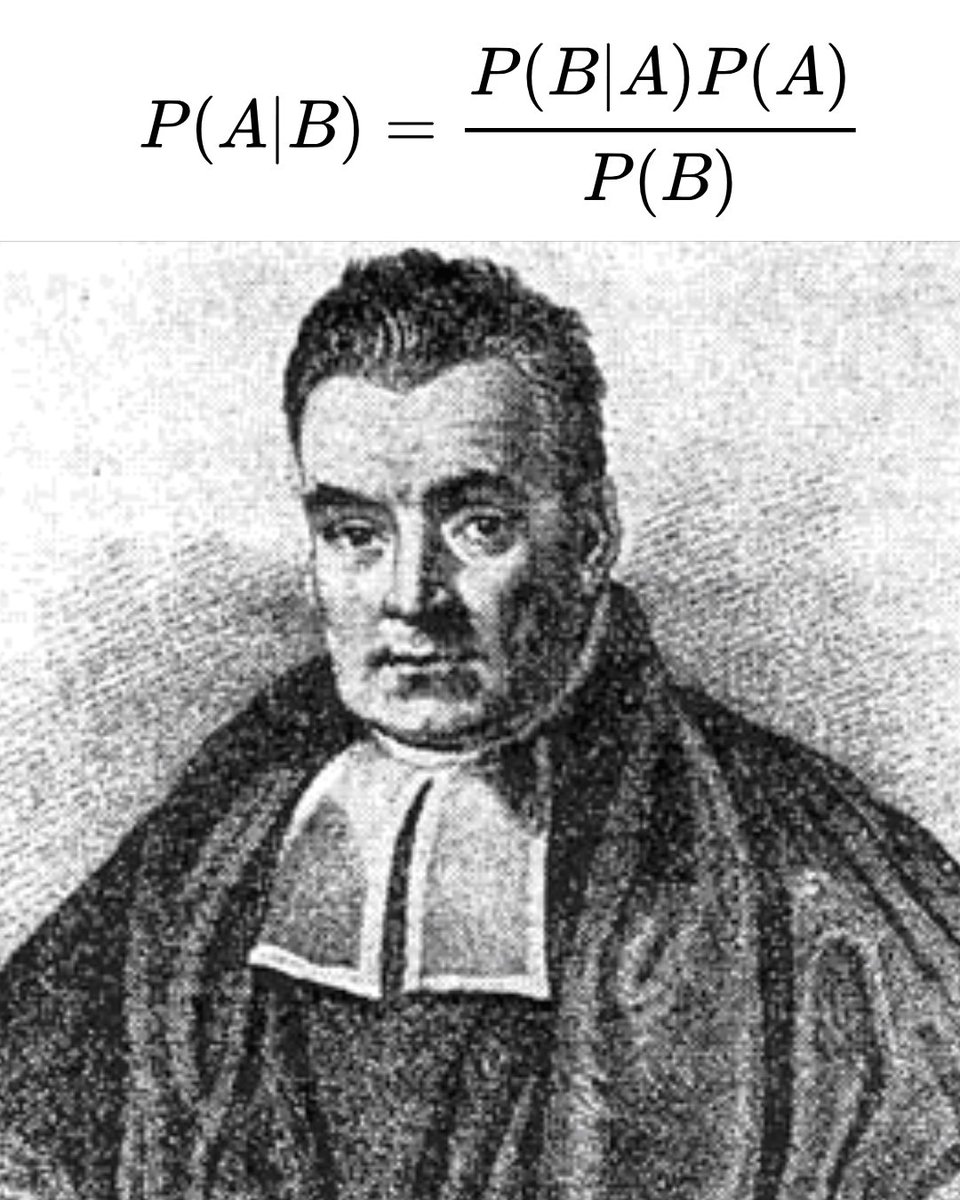
Bayes’ theorem is probably the single most important thing any rational person can learn.
So many of our debates and disagreements that we shout about are because we don’t understand Bayes’ theorem or how human rationality often works.
Bayes’ theorem is named after the 18th-century Thomas Bayes, and essentially it’s a formula that asks: when you are presented with all of the evidence for something, how much should you believe it?
Bayes’ theorem teaches us that our beliefs are not fixed; they are probabilities. Our beliefs change as we weigh new evidence against our assumptions, or our priors. In other words, we all carry certain ideas about how the world works, and new evidence can challenge them.
For example, somebody might believe that smoking is safe, that stress causes mouth ulcers, or that human activity is unrelated to climate change. These are their priors, their starting points. They can be formed by our culture, our biases, or even incomplete information.
Now imagine a new study comes along that challenges one of your priors. A single study might not carry enough weight to overturn your existing beliefs. But as studies accumulate, eventually the scales may tip. At some point, your prior will become less and less plausible.
Bayes’ theorem argues that being rational is not about black and white. It’s not even about true or false. It’s about what is most reasonable based on the best available evidence. But for this to work, we need to be presented with as much high-quality data as possible. Without evidence—without belief-forming data—we are left only with our priors and biases. And those aren’t all that rational.
10 books to help you become a better academic writer so you can write a lot and publish a lot:
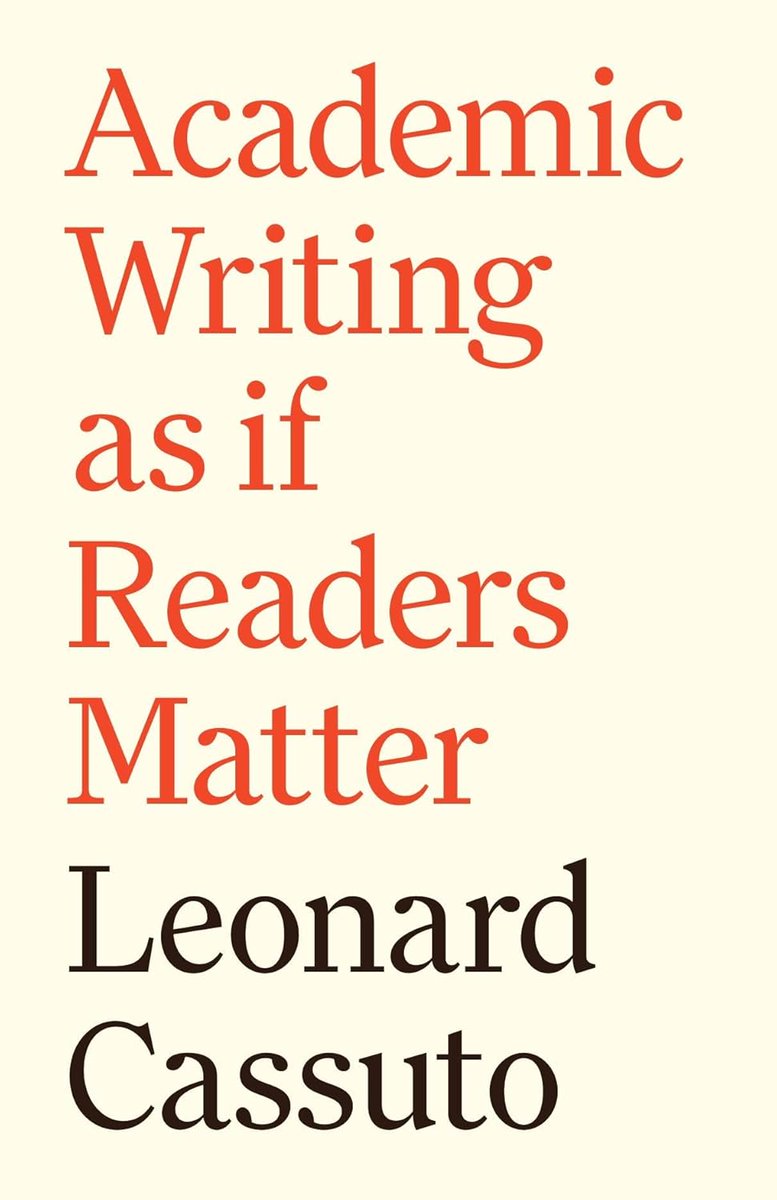
1. Academic Writing as if the Reader Matters by Leonard Cassuto
Practical tips on how to make your academic writing more engaging and readable. Examples from the arts and sciences.
SGS AUDITORIUM:
St. Paul’s SHS with 61 points at the end of their contest emerged as the highest scorer of the day.
Congratulations on receiving the @Pepsodent_ghana Highest Scorer Award of GH₵ 1,000.00.
#NSMQ2025#NSMQPrelims#Primetime
The folder below contains documents that will help you prepare effectively and efficiently for your fully-funded scholarship applications.
https://t.co/bVNegGwDA6
The question is, "Are you ready to do the work?"
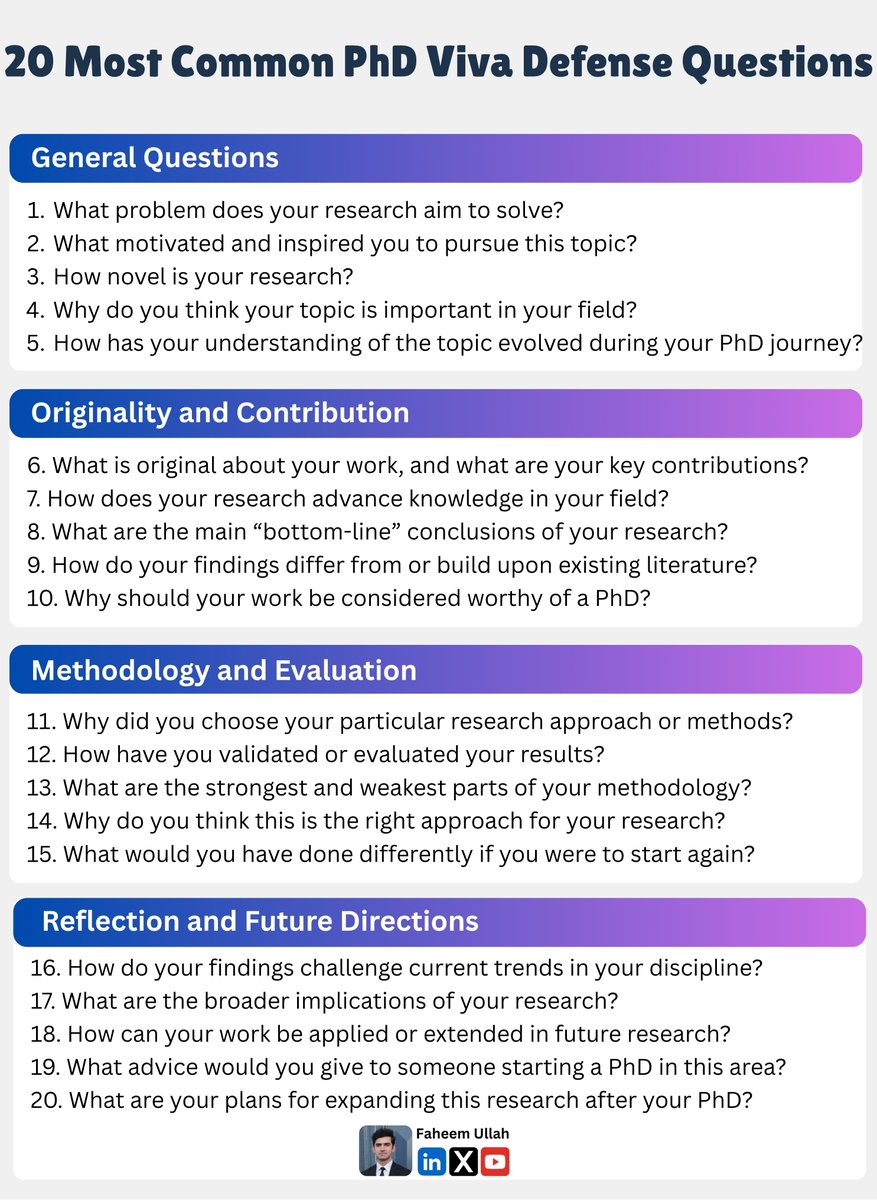
PhD Students - Here are the questions you will be asked in your defense
𝐆𝐞𝐧𝐞𝐫𝐚𝐥 𝐐𝐮𝐞𝐬𝐭𝐢𝐨𝐧𝐬
1. What exact problem you solved?
2. What motivated you to solve this problem?
3. How novel is your research?
4. What's the importance of this research?
5. How your understanding of the topic evolved?
𝐎𝐫𝐢𝐠𝐢𝐧𝐚𝐥𝐢𝐭𝐲 𝐚𝐧𝐝 𝐂𝐨𝐧𝐭𝐫𝐢𝐛𝐮𝐭𝐢𝐨𝐧𝐬
6. What is original about your research?
7. How your research advanced knowledge?
8. What are the key findings?
9. How your findings differ from existing findings?
10. Why your work is worthy of a PhD?
𝐌𝐞𝐭𝐡𝐨𝐝𝐨𝐥𝐨𝐠𝐲 𝐚𝐧𝐝 𝐄𝐯𝐚𝐥𝐮𝐚𝐭𝐢𝐨𝐧
11. Why you chose the specific research methodology?
12. How you evaluated your approach?
13. What are the strengths/weaknesses of methodology?
14. What should you have done differently?
15. Why your approach is the right approach?
𝐑𝐞𝐟𝐥𝐞𝐜𝐭𝐢𝐨𝐧 𝐚𝐧𝐝 𝐅𝐮𝐭𝐮𝐫𝐞 𝐃𝐢𝐫𝐞𝐜𝐭𝐢𝐨𝐧
16. How your findings challenge current trends?
17. What are the implications of your research?
18. How can your work be extended in future?
19. Any advice for future PhD in this area?
20. What are your future plans for this research?
Any other question you'd like to add?
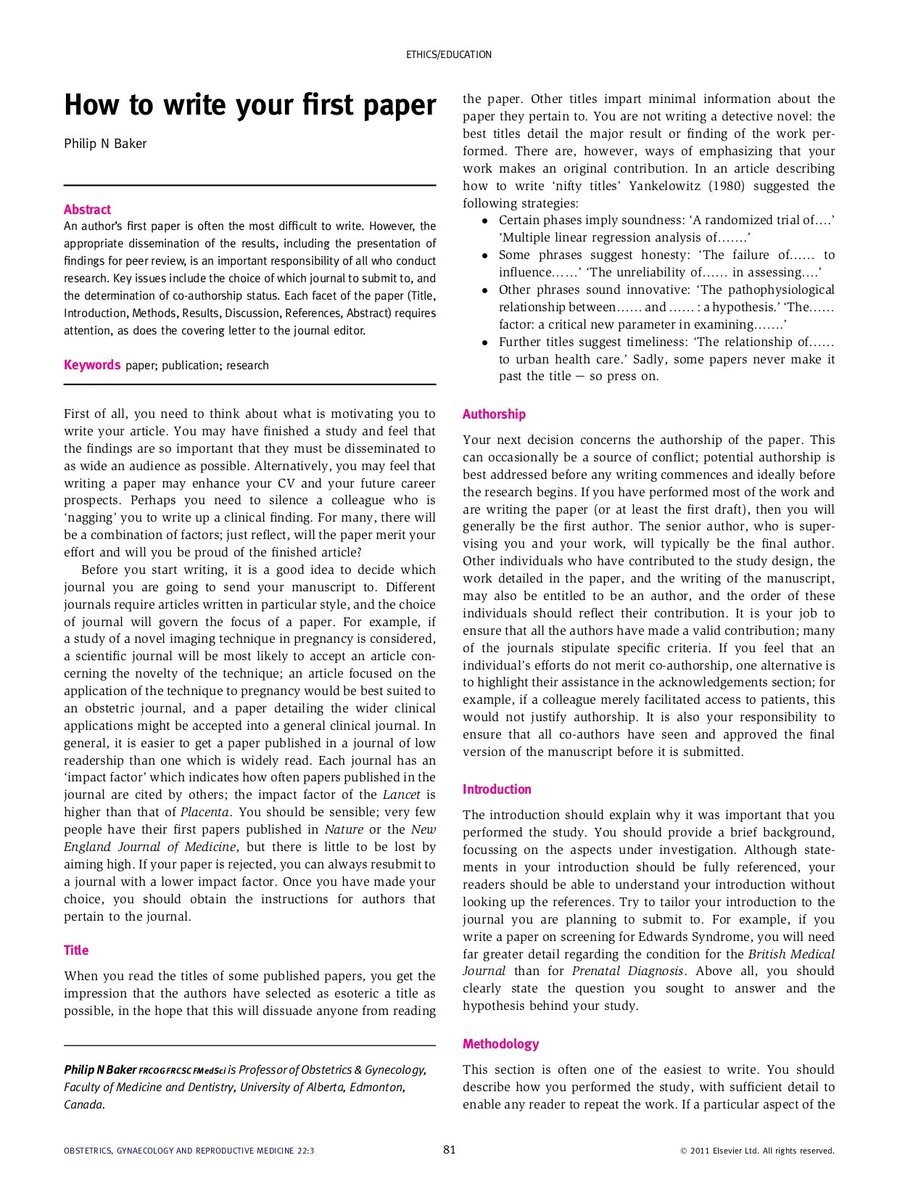
PhD Students - Which tense to use in your research papers?
Inconsistent tense usage is a common mistake.
And it matters more than you think.
Do you want to use the right tenses in your paper?
Here is a breakdown you can use right away:
↳ 𝐀𝐛𝐬𝐭𝐫𝐚𝐜𝐭
Present tense → To state what the paper shows overall.
Past tense → To summarize what you did and found.
↳ 𝐈𝐧𝐭𝐫𝐨𝐝𝐮𝐜𝐭𝐢𝐨𝐧 / 𝐋𝐢𝐭𝐞𝐫𝐚𝐭𝐮𝐫𝐞 𝐑𝐞𝐯𝐢𝐞𝐰
Present tense → For general facts and accepted knowledge.
Past tense → For specific prior studies.
↳ 𝐌𝐞𝐭𝐡𝐨𝐝𝐬
Past tense → To describe what you did.
↳ 𝐑𝐞𝐬𝐮𝐥𝐭𝐬
Past tense → To report your findings.
Present tense → When referring to tables and figures.
↳ 𝐃𝐢𝐬𝐜𝐮𝐬𝐬𝐢𝐨𝐧
Past tense → To restate your findings.
Present tense → To interpret what they mean.
Future tense → To recommend next steps.
↳ 𝐂𝐨𝐧𝐜𝐥𝐮𝐬𝐢𝐨𝐧
Present tense → To highlight what is true now.
Past tense → To recap what was done.
Future tense → To show next directions.
Go through your draft section by section.
· Ask yourself:
· Am I consistent?
· Am I signaling the right meaning?