Excited to share our latest research published in Env. Res.: Ecology! We quantified successional pathways in the Amazon following major windthrow events to better understand forest resilience.
Open access link: https://t.co/P8bK9sKzIG
#TropicalForests#EcosystemRecovery
🥳 Curious about how to get from satellite data to Biomass? Join our EEBIOMASS Summer School, which will be held from May 12-16 in Jena, Germany. Visit https://t.co/Ql6n1P9gZ1 to get more information.
👉Apply here https://t.co/E3Y3PDDo6D until March 23)
Los derribamientos de árboles por viento, también conocidos como windthrows, incrementaron cuatro veces en el Amazonas entre 1985 y 2020. https://t.co/YsnwZKnOwQ
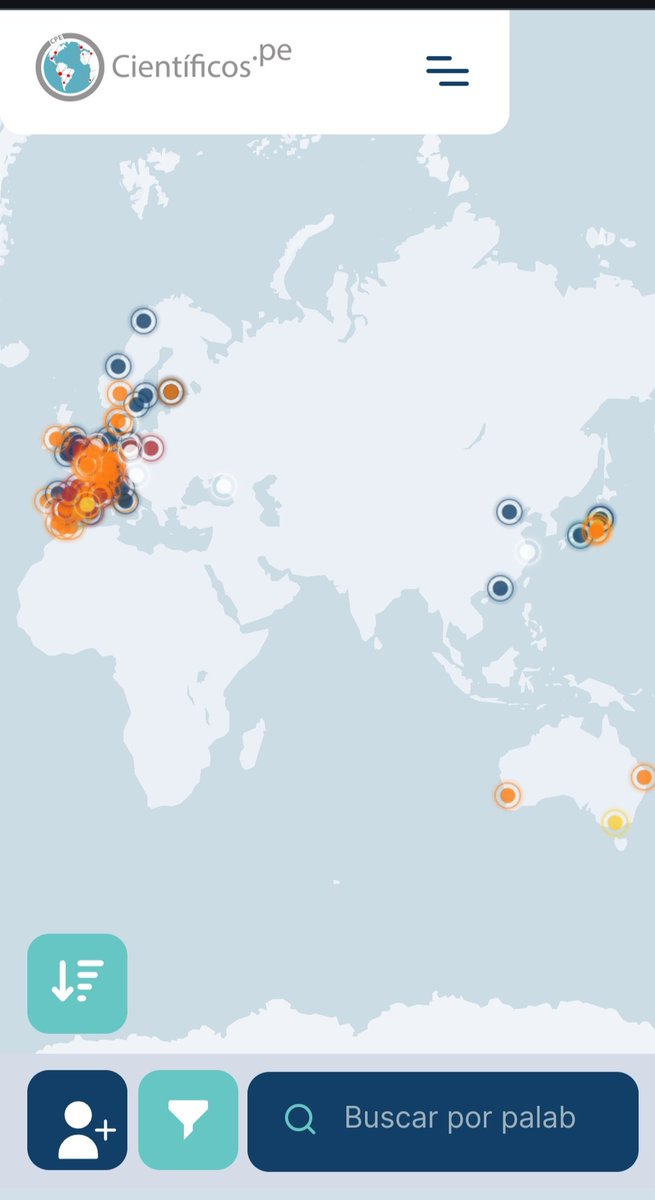
Estamos mejorando nuestro MapaH! La actualización tomará unos dias pero ya tenemos al 50% de los participantes. Ahora podrán subir sus CV, contactar investigadores, subir una foto y subir ofertas laborales!! Únete! https://t.co/lArLjEihVP @mapahnet
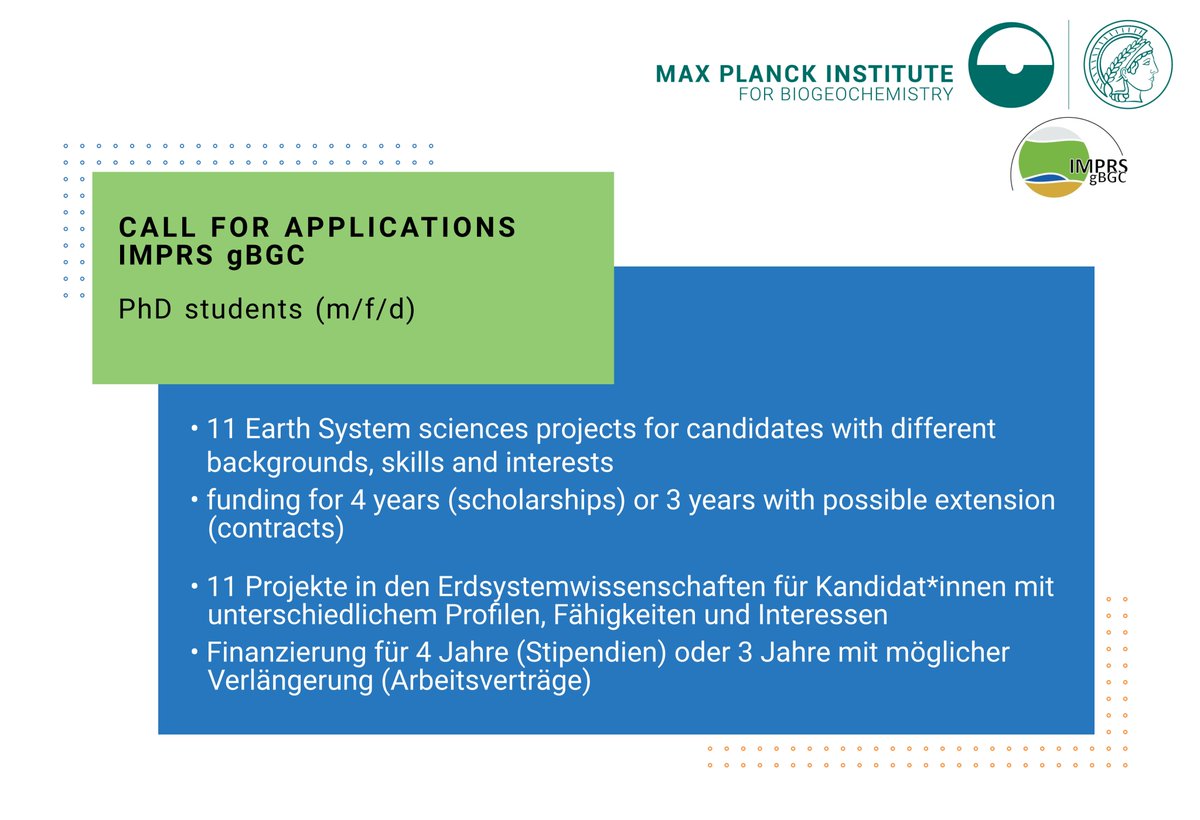
🇬🇧Attention students! Our graduate school opened its call for applications. Apply now for #phd positions until 📅July 28.
We have projects for people with backgrounds ranging from physics to computer sciences to ecology, chemistry & geosciences.
https://t.co/HmffkDdk3g
"Back then, scientists tried to publish interesting research, it didn't really matter where it was published, because other scientists actually READ the papers"
#PlantSciJobs
20 PhD positions: Life sciences - International Max Planck Research School (IMPRS) "From Molecules to Organisms", Tübingen, Germany
https://t.co/uMkRecQlCC
@FabienWagner@CTrees_org@NICFISatData based on the shape pattern and extension it could be a huge windthrow event. Currently; these events are more frequent in the northwestern amazon.