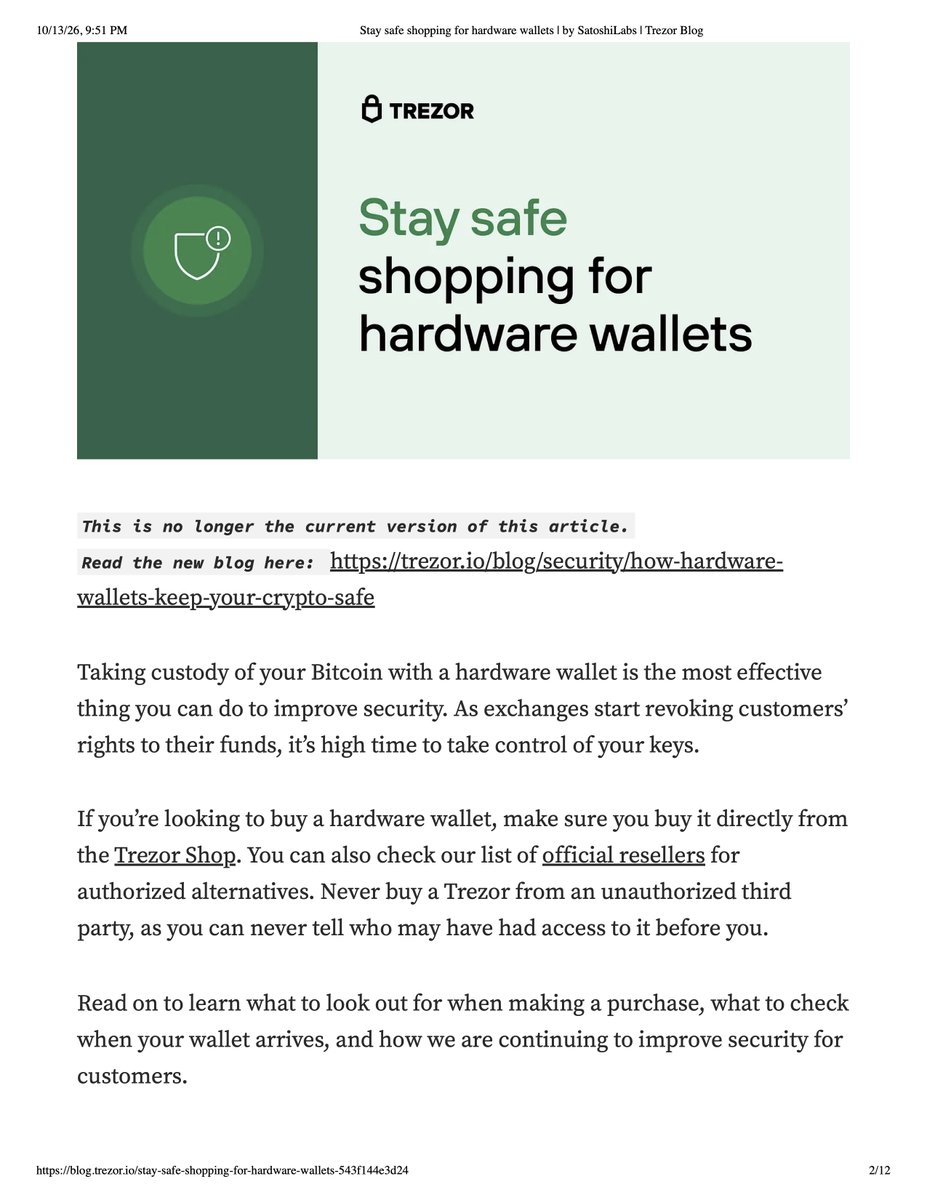
When I wrote this👇 2 wks ago Trezor criticized it because the wallets in story were sold by unauthorized sellers not authorized ones. Yesterday Trezor announced that a Trezor Safe 5 wallet sold by CryptoBilis - an authorized seller - was also compromised https://t.co/OVRsvAbJMg
It's time to put my Adventures of Wallet Hacking series to bed, but not before one final chapter! Free livestream for all courtesy of @unicampoficial LICS Cybersecurity League. Announcement here: https://t.co/U28EZfChta
AVTOKYO2026まであと1ヶ月! 1 month to go!
スピーカーとタイムテーブル公開しました。
Speakers & timetable are up!
https://t.co/KJFGjnLGrJ
https://t.co/rum0A5m11a
11/21(土) 渋谷TK NIGHTCLUBで会いましょう🍻
See you in Shibuya!
#AVTOKYO
I made a page listing all the Ledger implants I've seen and confirmed from public reports and images posted to X for reference. There's a "Report new case" link if you see anything missing.
https://t.co/e0ym42nUJI
While the devices are indeed similar to the Kaspersky discovery in 2022, they are certainly variations and not the "exact fakes on Russian marketplaces" as you claim.
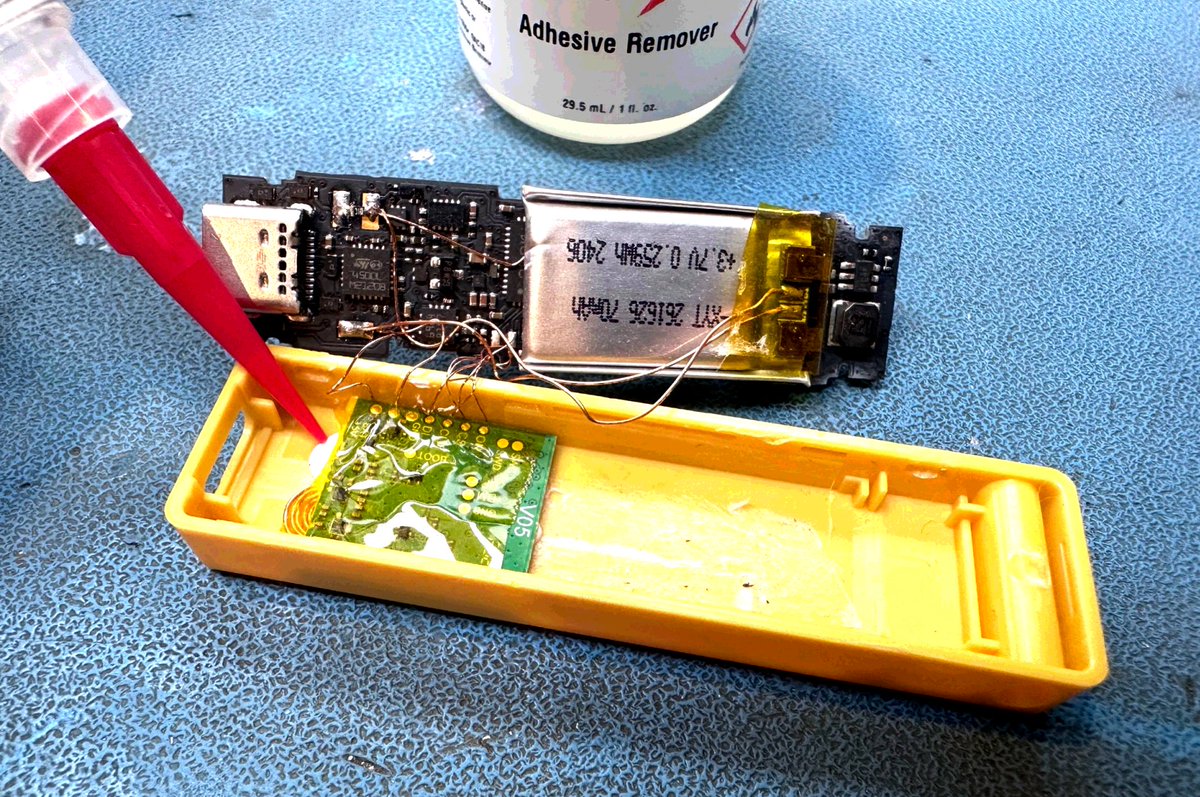
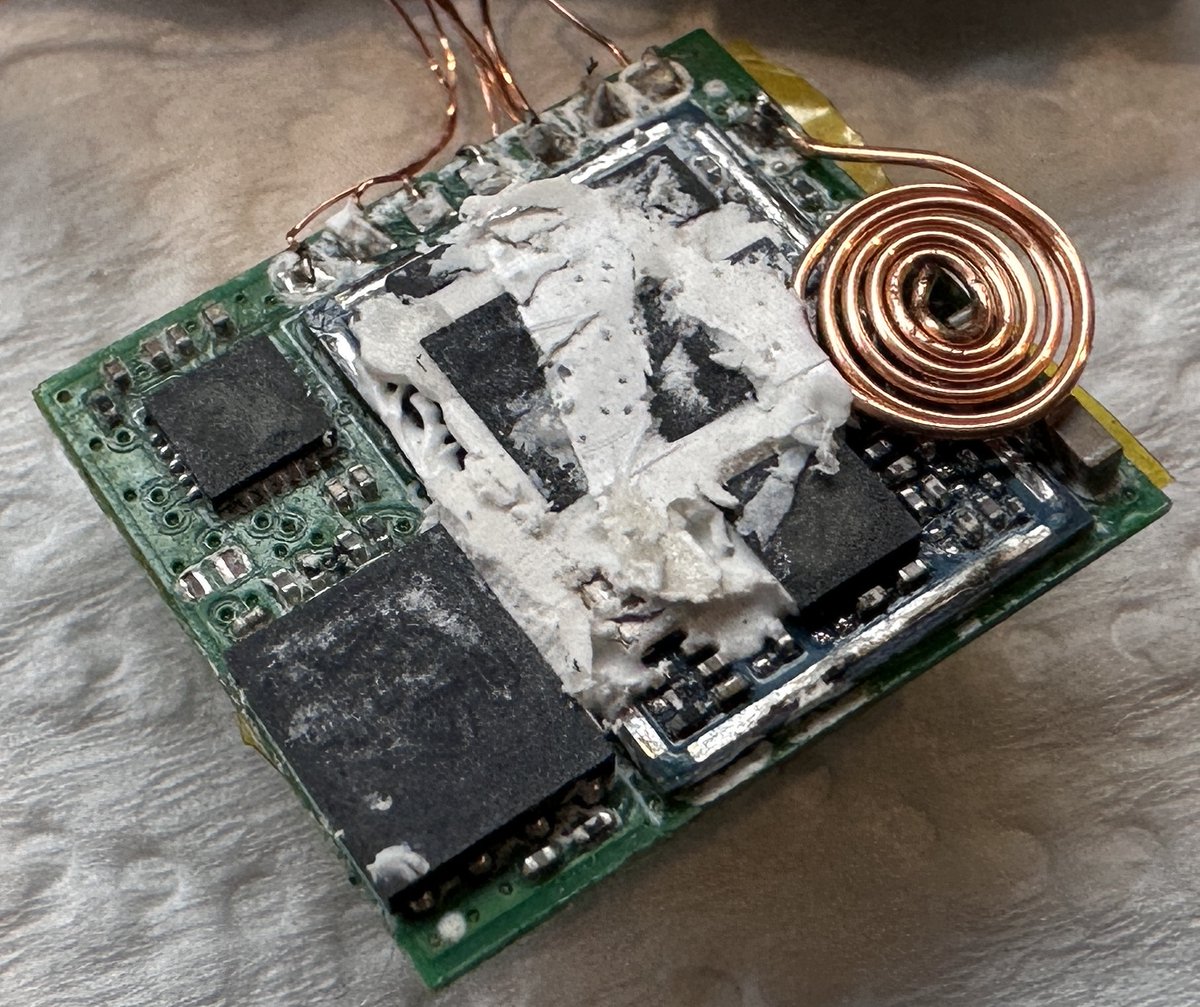
On the compromised Model T purchased through Facebook Marketplace in Canada in 2025, official firmware is stored on an external microSD card that is soldered to the internal connector, which the malicious firmware in the microcontroller then uses in an attempt to pass the firmware integrity check. As shown in Kim's article, when I submitted details about this device to @Trezor, your own technical team responded with "The use of a replaced MCU and modified firmware, together with an external microSD card containing legitimate firmware for the integrity check, is a particularly interesting variation on those earlier devices," which implies that this is a new iteration.
On the compromised Trezor One purchased through a TikTok shop in August 2026 and shipped from China, it uses a microcontroller with twice the size of internal Flash as is needed (though marked as an STM32F205RET6 containing 512KB Flash, I extracted 1MB of Flash from the device), half containing the malicious firmware and half containing official firmware that is used by the malicious firmware in an attempt to pass the firmware integrity check. This unit is detected by the integrity check on the latest version of Trezor Suite, though allows the user to continue using the device regardless, which is why the original owner had his funds stolen.
It appears to me that malicious devices are still available in the wild and are not only originating from Russia. Whether or not they come from authorized resellers, users should be kept aware of the risks with more proactive education than a warning buried in a blog post which, until yesterday, was marked as "This is no longer the current version of this article."
For those questioning the integrity of @KimZetter, I've been sharing my research with her for almost 20 years and she is a stalwart journalist in the security community.
Despite claims by Trezor today that none of its crypto devices have been compromised - unlike the devices of Ledger, its competitor - hardware hacker @joegrand says he found implants in two Trezor devices and reported this to Trezor in August. My story: https://t.co/h5EAN8S1Qk
Ledger was warned last March about implants by hardware hacker @joegrand but apparently did little because no one had yet used implants to steal crypto. That changed last wk with the heist of hundreds of accounts. There is evidence stolen seeds were sent to servers in Hong Kong
Someone embedded hardware implants in Ledger crypto wallets to steal the randomly-generated seed phrases that protect crypto accounts. They used the stolen seeds last week to hijack $100 million in crypto from 300+ crypto accounts. I dug into the mystery https://t.co/wwZEZA2nDm
I've put together a research page on the Ledger implants I've found in order to organize my findings and future research. The next steps will be to analyze each SIM card as well as each MCU (firmware extraction, etc).
https://t.co/OL3WftVLG3
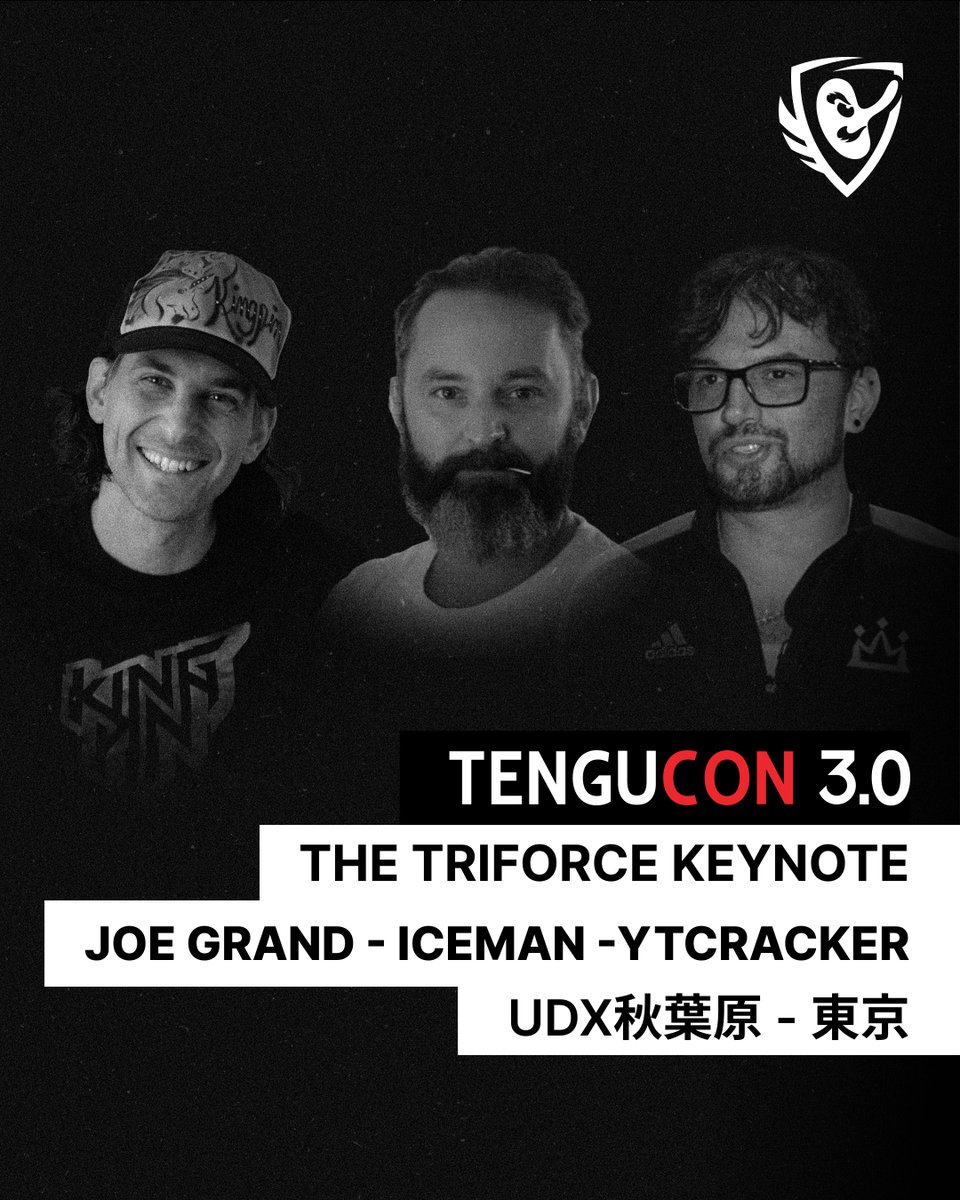
👺 Triforce Keynote confirmed for TenguCon 3.0.
Joe Grand (Kingpin), YTCracker, and Iceman will join us for a special 60 minute keynote session.
Three unique perspectives. One stage.
More details soon.
#TenguCon#hackerculture#joegrand#YTCracker#Iceman
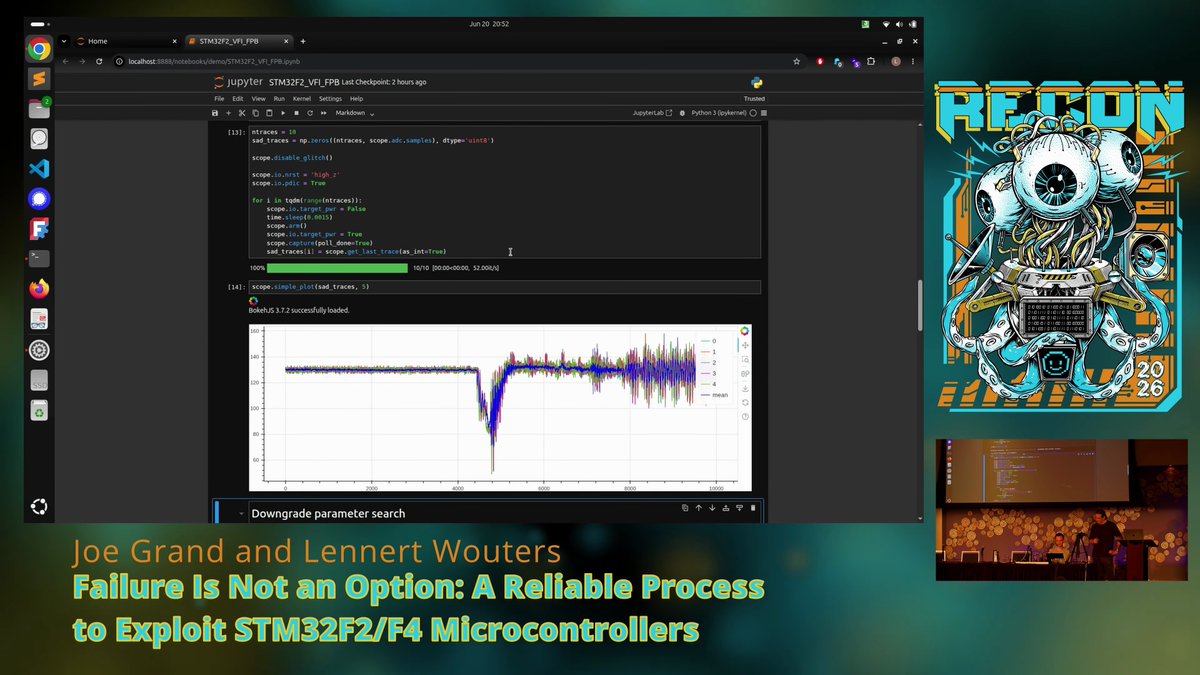
For over three years, @LennertWo and I have worked on improving fault injection attacks against STM32F2 and STM32F4 devices to make them more repeatable and reliable. It's been a roller coaster of late nights, bricked chips, and questioning our life choices, resulting in over 100 million total glitches, a new attack strategy, and flash memory recovery from dozens of locked targets with a 100% success rate. I'm super proud of what we've done and happy to officially share it with the world!
https://t.co/4FpA733UU5
https://t.co/KMyrd7Gi2x
https://t.co/0z2osFwFOf
Just released MCPGULATOR, an MCP server for JTAGulator.
Lets MCP-compatible AI agents directly interact with hardware for UART identification, JTAG pin discovery, SWD ID, GPIO operations, baud rate enumeration, and automated probing workflows.
https://t.co/5lOm7c1pjZ
Video from my Reverse Engineering a Ledger Nano X Hardware Implant talk (@hardwear_io) is up along with firmware extracted from the implant! https://t.co/90F35XPLnr