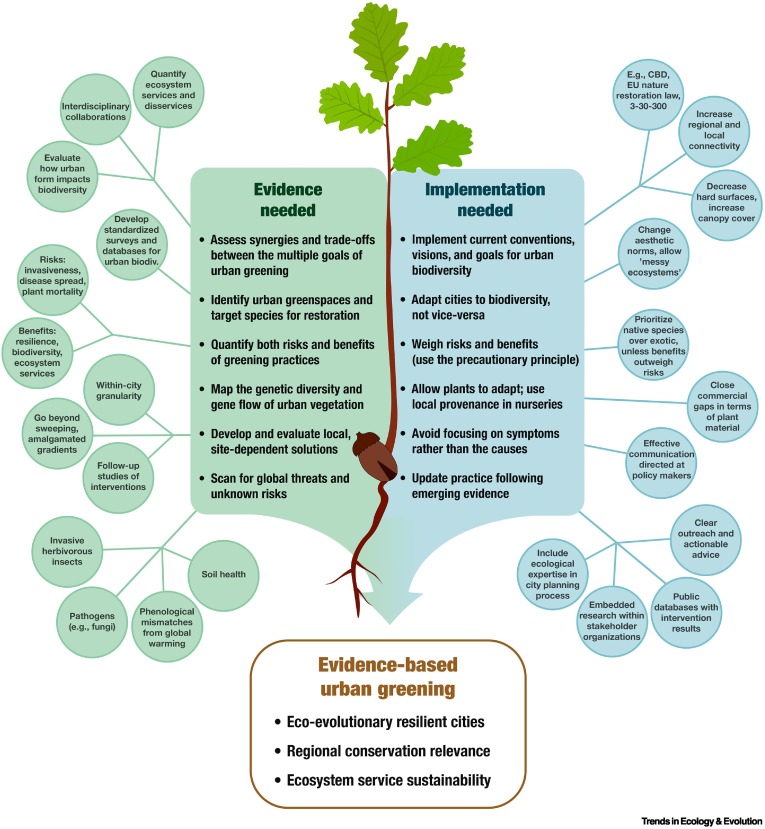
Very happy that our new paper in TREE is out today! We call for a paradigm shift toward evidence-based urban greening. Cities are key battlegrounds in the fight against biodiversity loss, but current planning often falls short. We outline the scientific case and a way forward.
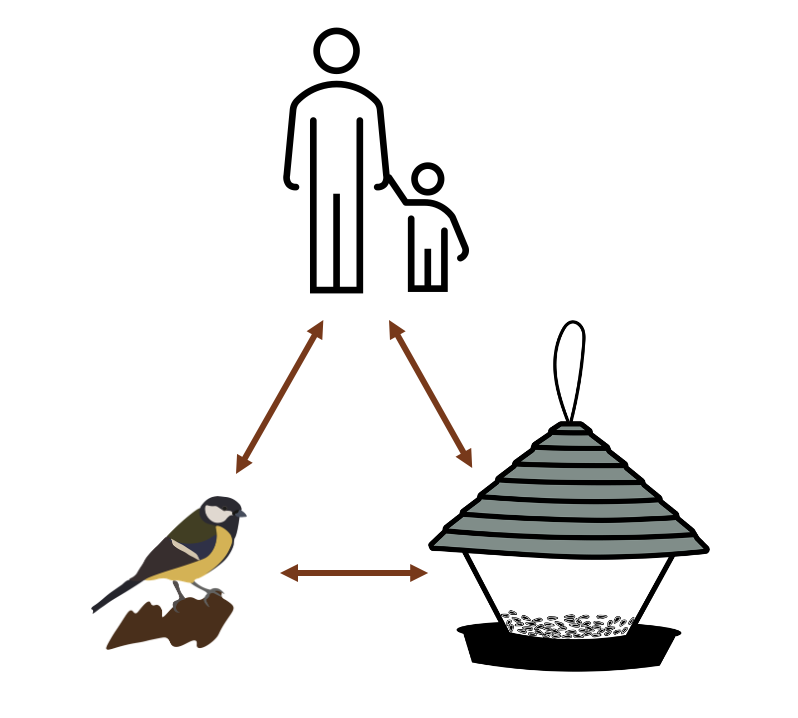
How can we reconnect children with nature? Could bird feeding remedy the extinction of experience, and does urbanization affect it all?
Very excited about our new paper in @PaN_BES –some of the most rewarding research I’ve been part of!
@CarolineIsak
https://t.co/HHr0GsIHID
6/6 #BOU2024#Sesh6
Bird feeding can partly remedy nature disconnection but is context-dependent and needs guiding adults as role models. Children in areas w/ low socioeco status and local nature benefit the most: scientists can contribute through outreach and citizen science
1/6 #BOU2024#Sesh6
We often discuss the impact of anthropogenic food on birds, but what is the impact of bird feeding on people? Notions like the extinction of experience and pigeon paradox suggest we need to reconnect to nature, especially children growing up in cities
5/6 #BOU2024#Sesh6
Local greenspace positively impacted children’s self-assessed wellbeing and children with the least nature at home, showed better post-intervention species knowledge than average, effectively gaining more from bird feeding. Teachers had a pivotal role too
6/6 #BOU2023#Sesh5
In conclusion: NN trees support less food for breeding birds & city birds avoid them, and rightly so. Phenological mismatches in urban food webs remain to be explored and long-term studies of urban ecosystems are needed for general conclusions.
1/6 #BOU2023#Sesh5
Passerine birds tend to have fewer nestlings and nestlings that weigh less in cities. This is likely due less food in urban areas (caterpillars & spiders). Here, we looked at how urban vegetation possibly modulates this bottom-up effect
5/6 #BOU2023#Sesh5
So native trees are better for urban birds? Yes – but here phenology matters: native trees vary in their effects within and across years. So what constitutes a good territory changes with time; this means there’s a risk for phenological mismatches
"Om man vill höra mer fågelkvitter på våren tror jag valet av stadsträd är en viktig faktor. Ökar man antalet inhemska arter i parker och grönområden kommer våra småfåglar sannolikt att trivas bättre." Läs mer om långtidsstudien av @JohanKJensen1 https://t.co/WWqSJ6XSqa
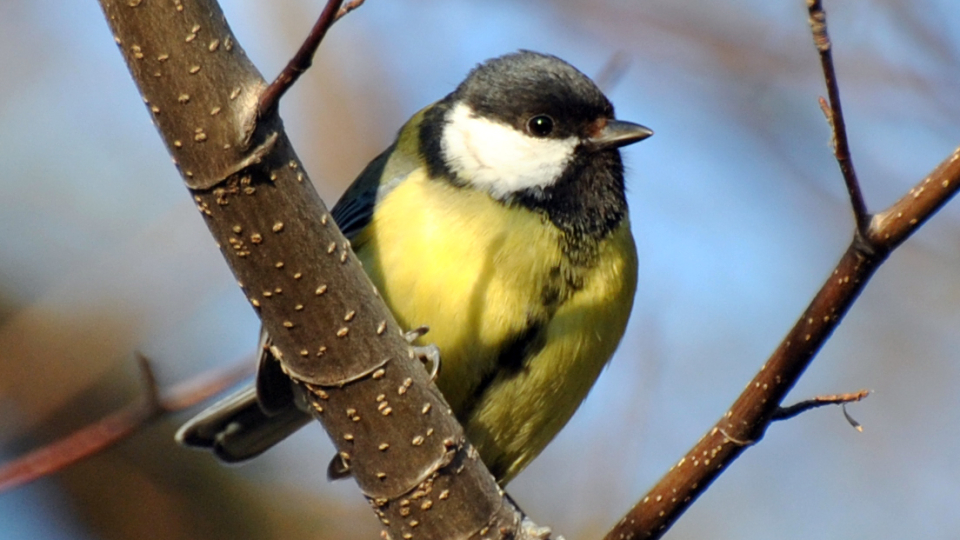
How important are city trees to birds? Here, we took a look at the finer details of urban green space. Using tit breeding data, we found tree species effects vary within & between years, but nonnative trees were consistently negative. New paper out!
https://t.co/JsenLpMee7