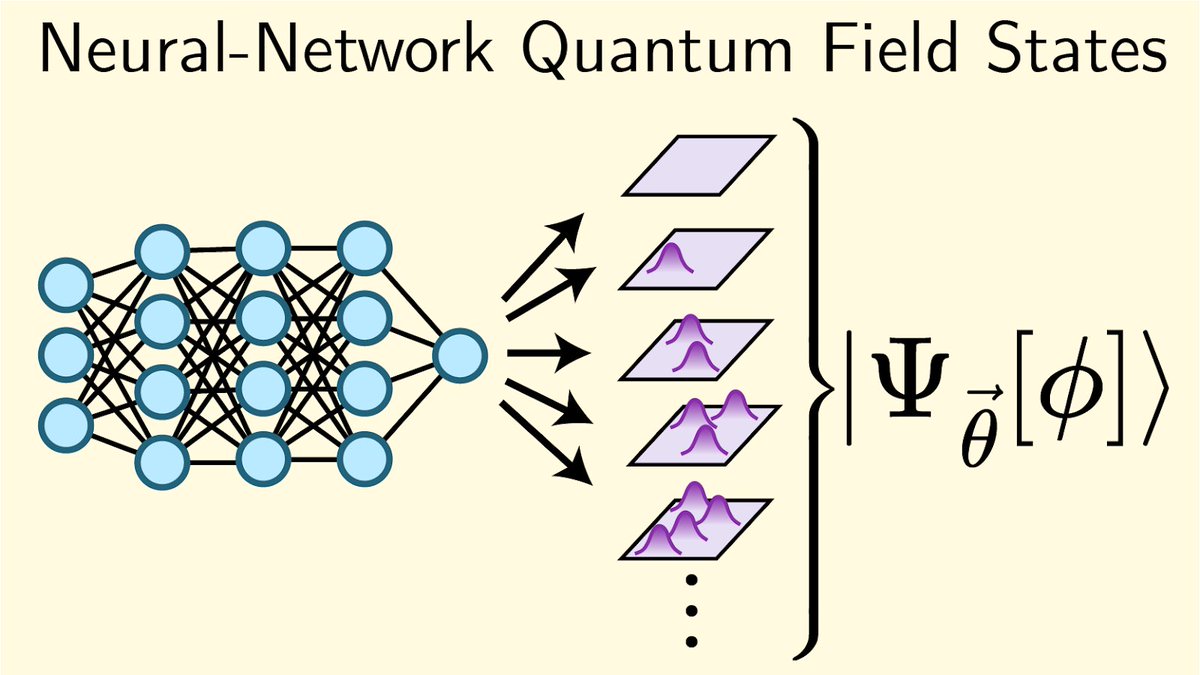
A recent passion project of mine has been to communicate a research result through an animated video, in an intuitive and pedagogical format. I’m happy to finally share this video, in which I discuss our recent work on neural-network quantum field states:
https://t.co/UPy91UZdSM
We solved a 𝟯-𝗱𝗲𝗰𝗮𝗱𝗲 𝗼𝗽𝗲𝗻 𝗽𝗿𝗼𝗯𝗹𝗲𝗺 in quantum information! When the output is quantum, 𝗰𝗼𝗵𝗲𝗿𝗲𝗻𝘁 𝗽𝗿𝗼𝗰𝗲𝘀𝘀𝗶𝗻𝗴 can need 𝗲𝘅𝗽𝗼𝗻𝗲𝗻𝘁𝗶𝗮𝗹𝗹𝘆 𝗳𝗲𝘄𝗲𝗿 𝘀𝗮𝗺𝗽𝗹𝗲𝘀 than any 𝗶𝗻𝗰𝗼𝗵𝗲𝗿𝗲𝗻𝘁 𝗽𝗿𝗼𝘁𝗼𝗰𝗼𝗹.
𝗖𝗼𝗵𝗲𝗿𝗲𝗻𝘁 𝗤𝘂𝗮𝗻𝘁𝘂𝗺 𝗜𝗻𝗳𝗲𝗿𝗲𝗻𝗰𝗲: https://t.co/wvHPnS5iCj
𝗤𝗣𝗔, 𝗔𝗿𝗯𝗶𝘁𝗿𝗮𝗿𝘆 𝗘𝗶𝗴𝗲𝗻𝘀𝘁𝗮𝘁𝗲𝘀 & 𝗠𝘂𝗹𝘁𝗶𝗽𝗹𝗲 𝗢𝘂𝘁𝗽𝘂𝘁𝘀: https://t.co/AFOVUHWsWe
Tutorial: A pedagogical guide to hybrid qubit-oscillator processors unlocks their potential as a powerful new paradigm in quantum computing.
https://t.co/e8ZB8CuUMc
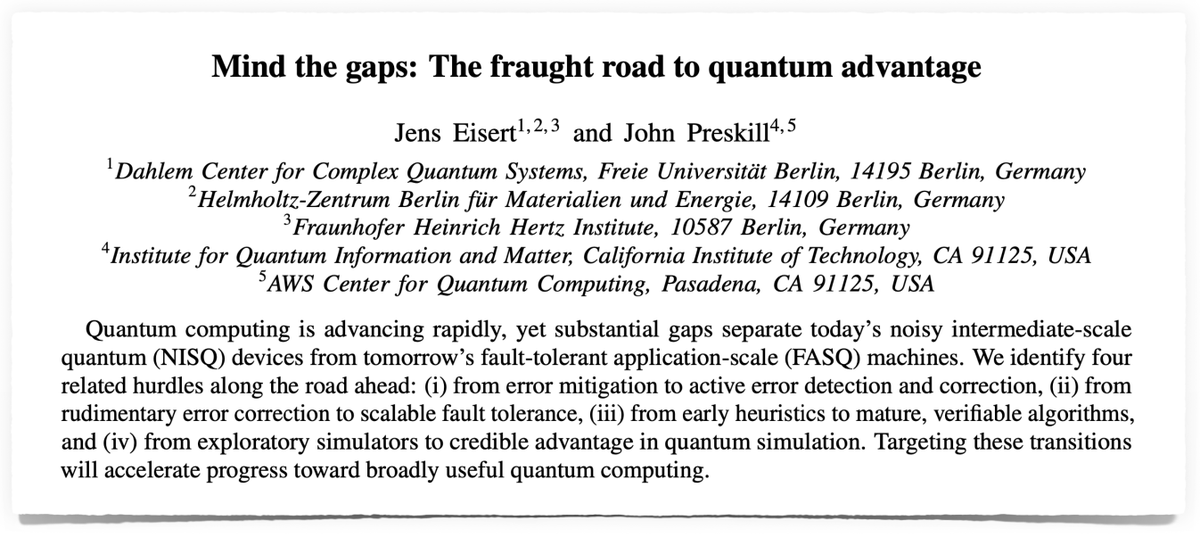
Over the recent weeks and months, @preskill and I sat down to think about where we are in quantum computing. While the noisy intermediate-scale quantum (#NISQ) era — a term coined by John in 2018 — is just unfolding as we speak, the time seems right to look ahead to the next steps to come.
https://t.co/aSWIa4Z6CA
In this perspectives article, we try to sketch the fraught road to quantum advantage — the path toward fault-tolerant, application-scale quantum (#FASQ) computers. There are several gaps ahead of us, and we try to faithfully and honestly hint at how one may be able to "mind those gaps", and suggest a few important intermediate steps along the way.
I have been impressed by the ease and efficiency with which we have been able to put this together. Warm thanks to John for the great collaboration and wonderful team work.
Decoding + state preparation is all you need for Hamiltonians
https://t.co/03P0sBAAEj
In 2024, we learned that classical optimization problems reduce to decoding. Do quantum optimization problems also yield to this technique? Are Hamiltonians hiding useful code structure?!
The infectious enthusiasm of my wonderful co-authors (@RobertHuangHY, Soonwon Choi, @JarrodMcclean) drove this upbeat assessment of “The Vast World of Quantum Advantage."
https://t.co/ftX03fQp2N
It’s been a very happening first half of the year— happy to share that I’ve defended my thesis, graduated, and celebrated with an expedition to the Arctic! 🥳
Here is an article https://t.co/Aoeol5z6yh written by @kimmartineau@IBMResearch about @DimaKrotov and his works on Dense Associative Memories or modern Hopfield Networks, which extend the works done by the great @HopfieldJohn. It tells a wonderful story on how Hopfield Networks were revitalized. Check it out!
Shoutout to @Ben_Hoov and @Leokoz8, who are also in the article.
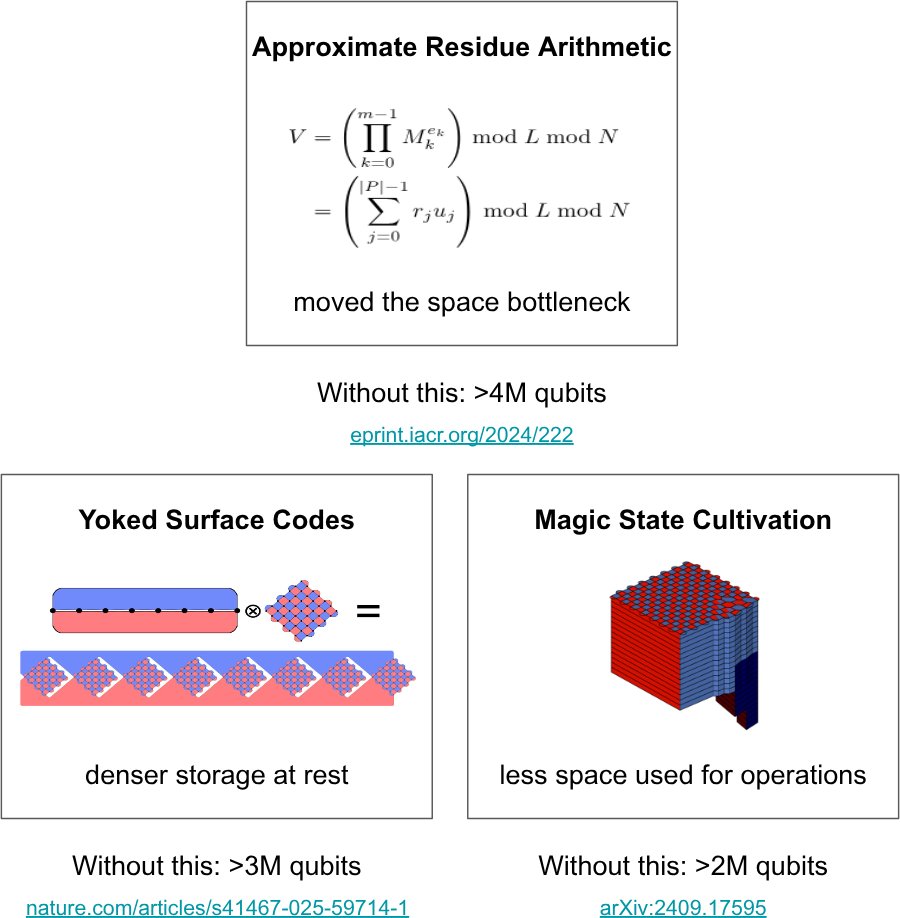
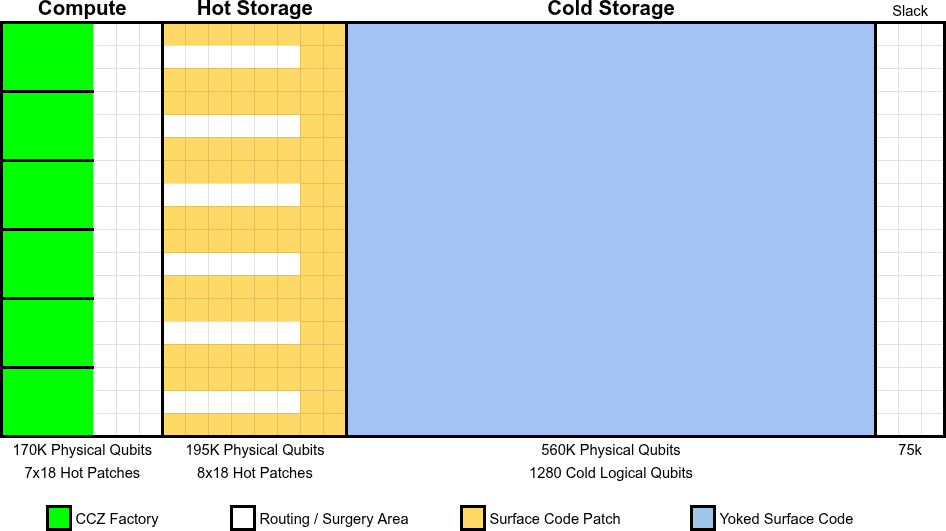
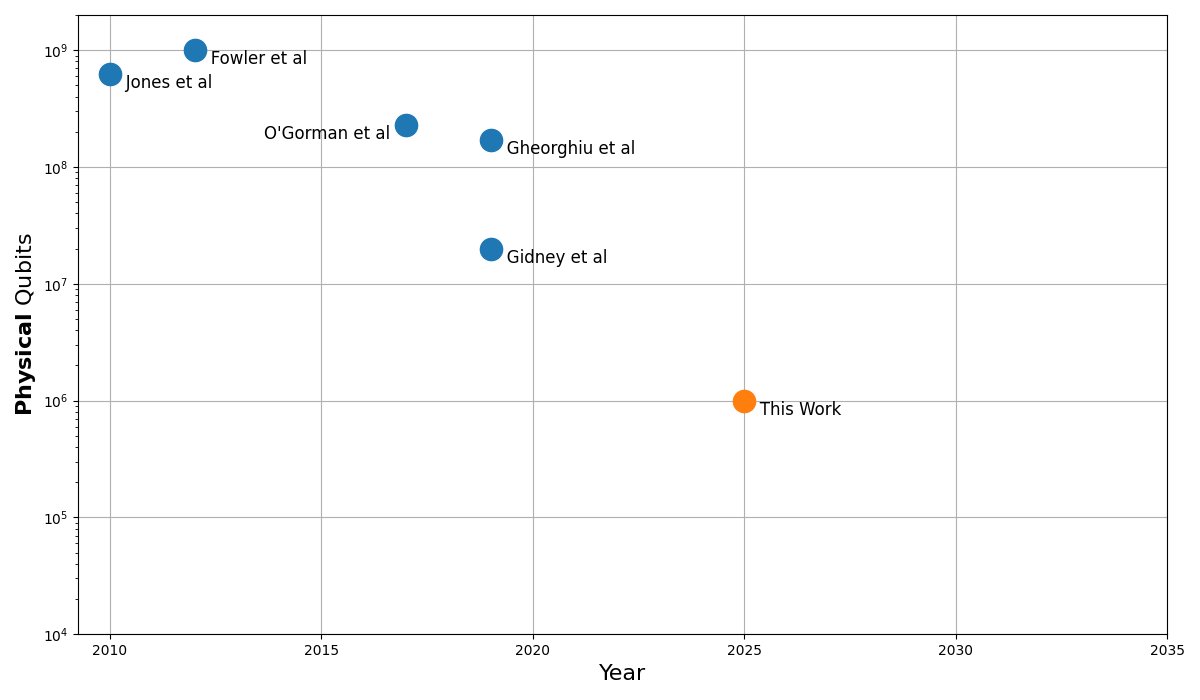
I'm often asked if I'll redo the 2019 quantum factoring estimate. Denser storage by yokes, smaller magic factories by cultivation, slimmer approx arithmetic by Chevignard et al… surely the cost is lower now?
Yes, it's lower now.
https://t.co/yZGrKETInF
https://t.co/1OROIX3kab
Take a look at our latest work on non-abelian quantum signal processing: https://t.co/rM9MNPQ1gl
Excited to share that I’ll be presenting it at #TQC_2025 this year!
The most viewed video I've ever made is a short about two colliding blocks computing π. I just made a new edition of the explanation for why π shows up there, setting things up for a (coming soon) follow-on connecting it to quantum computing.
https://t.co/xbk1Juo31g
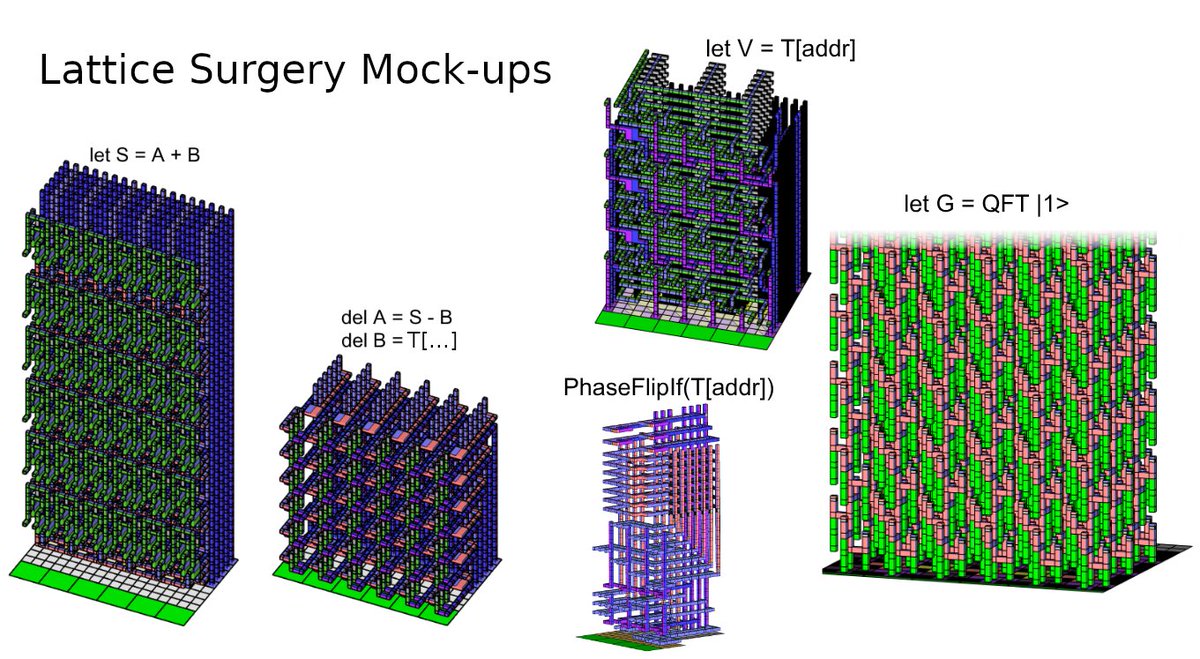
🛠️ if interested in recent designs for fault-tolerant quantum computing, stop by our session
Thursday March 20th 3:12-3:48 PM :)
https://t.co/bRwLqB8Ucu
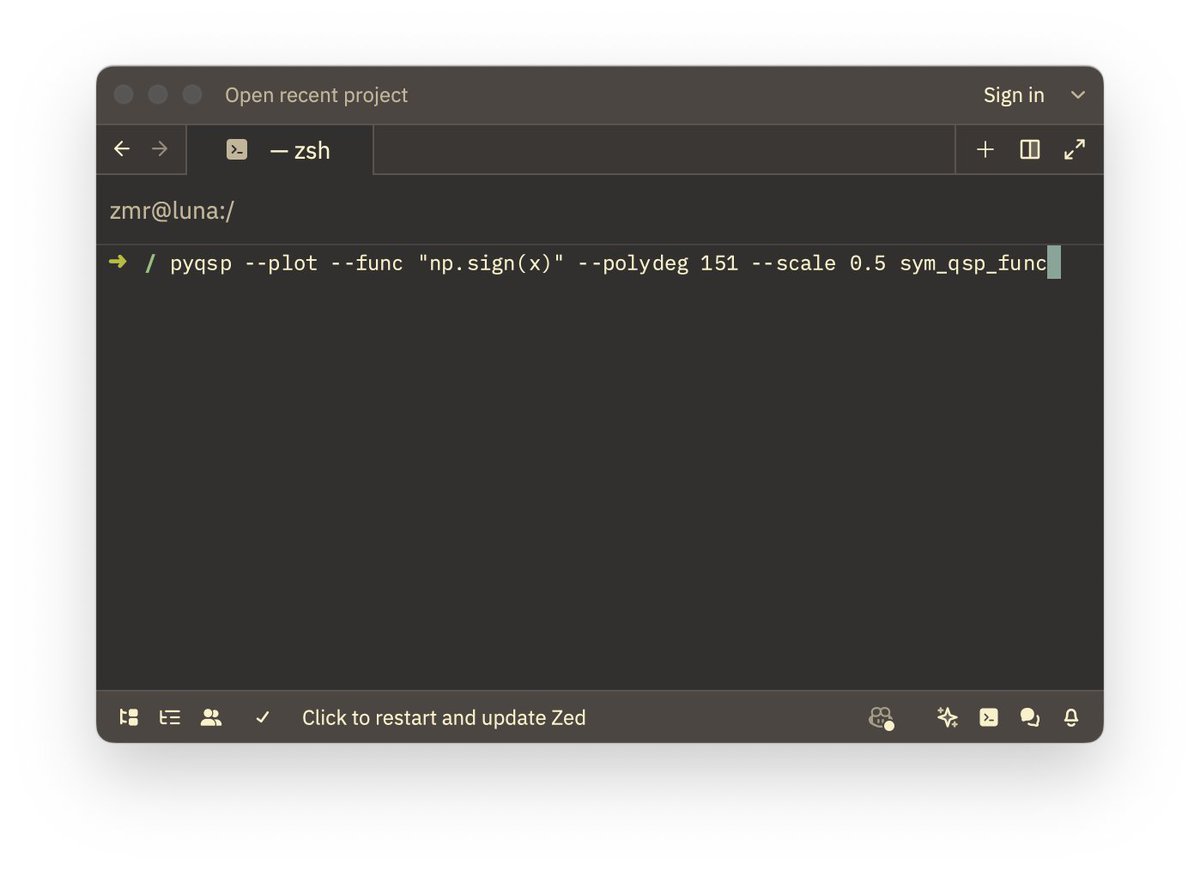
Attention quantum signal processing (QSP) ⚛️ and Python 🐍 enjoyers: emerging from radio-silence to say that the pyQSP package 📦 (https://t.co/WZuy2MKc4i) has been overhauled to greatly improve numerical stability, incorporate better phase-finding methods, and be easier to use!
It turns out optimal transport is easy! The "Spectral EMD" lets you compute optimal transport quickly and exactly in closed form -- incredibly useful for QCD and collider physics!
https://t.co/20RMGhfmwg