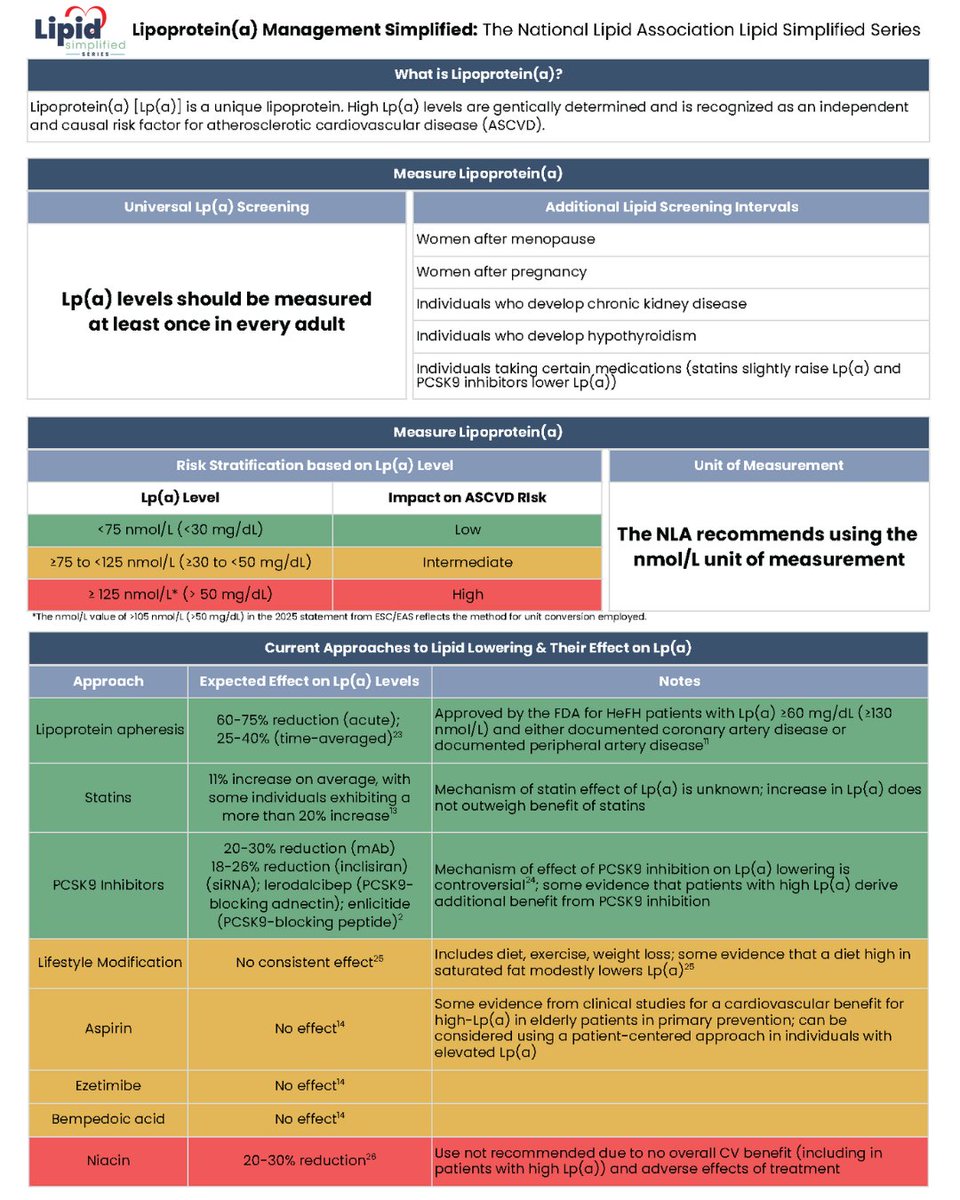
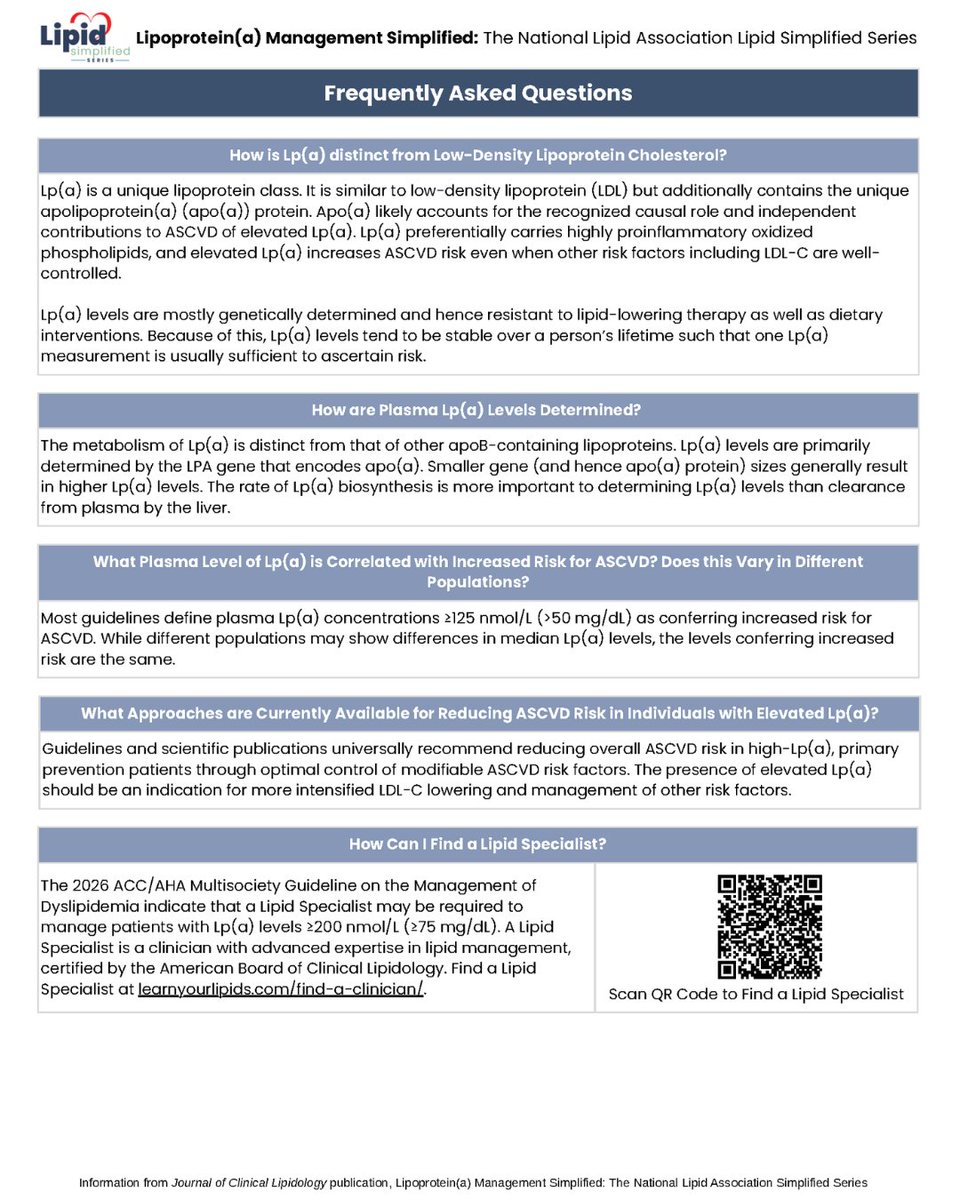
In honor of #CholesterolMonth, the NLA is proud to release the second installment of the Lipids Simplified Series: Lipoprotein(a) Management Simplified.
Following the success of our LDL-C Management Simplified publication, we felt there was no more timely or necessary topic to tackle next than Lp(a).
Authored by leading Lp(a) experts Marlys L. Koschinsky, PhD, FNLA and Christie M. Ballantyne, MD, MNLA, this article and accompanying infographic are designed to distill the complexity surrounding Lp(a) into clear, actionable guidance for clinicians. Our goal is simple: make this essential science more accessible and easier to apply in everyday practice.
🔗 Access the full article and infographic at https://t.co/zklsaxqHYT.
👉 You can find this and other NLA articles under the Articles section of our newly launched https://t.co/YXK2PcYyAB.
Stay tuned... more topics in the Lipids Simplified Series are on the way!
#LipoproteinA #Lpa #ASCVD #CardiovascularPrevention
@CBallantyneMD@MarlysLPA
What is familial hypercholesterolemia, or FH?
FH is a common, life-threatening genetic condition that causes high LDL cholesterol. Because the body cannot clear LDL cholesterol as effectively, cholesterol can build up in the walls of the arteries over time, increasing the risk of early heart disease, strokes, and heart attacks.
Learn more about FH here: https://t.co/qWBY4u5K5h
#FHAwarenessDay #CholesterolEducationMonth
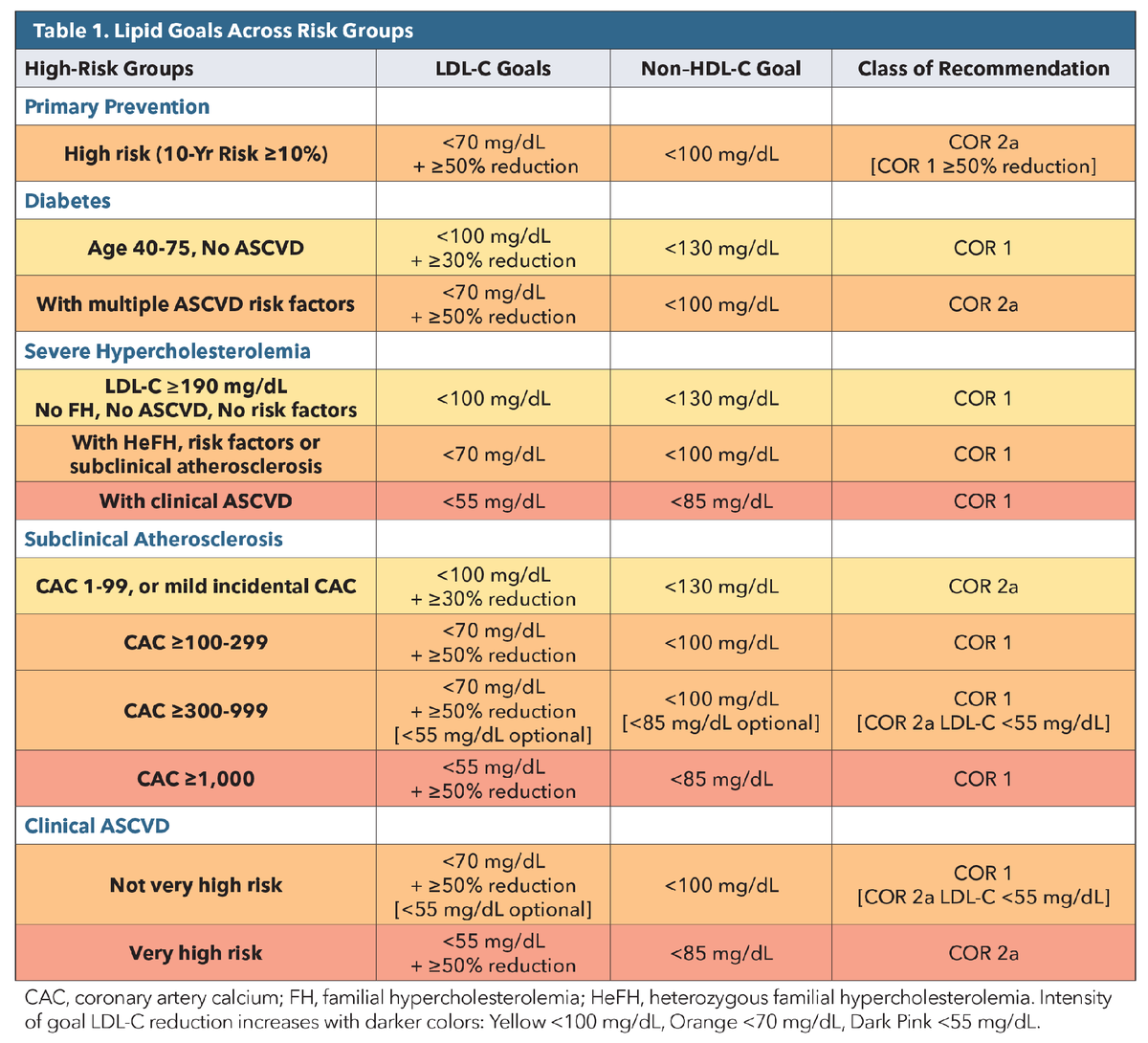
Getting patients to LDL-C goals remains one of cardiology's biggest challenges. Explore practical strategies for applying the 2026 Dyslipidemia Guideline & closing treatment gaps in high-risk patients. 📈🫀 https://t.co/aV6ZVhBrfM
#ClinicalGuidelines#CardiologyMag#CardioSky
Fifty-five observational studies including over 7 million patients were analyzed. Statin use significantly reduced the risk of dementia compared to nonusers (hazard ratio [HR] 0.86; 95% confidence interval [CI]: 0.82 to 0.91; p<0.001). It was also associated with reduced risks of AD
Rosuvastatin demonstrated the most pronounced protective effect for all cause dementia among specific statins (HR 0.72; 95% CI: 0.60 to 0.88). The findings underscore the neuroprotective potential of statins in dementia prevention. Despite the inherent limitations of observational studies, the large dataset and detailed sub group analyses enhance the reliability of our results. @nationallipid@foundationofnla@society_eas@ASPCardio@FamilyHeartFdn@fhpatienteurope #statins
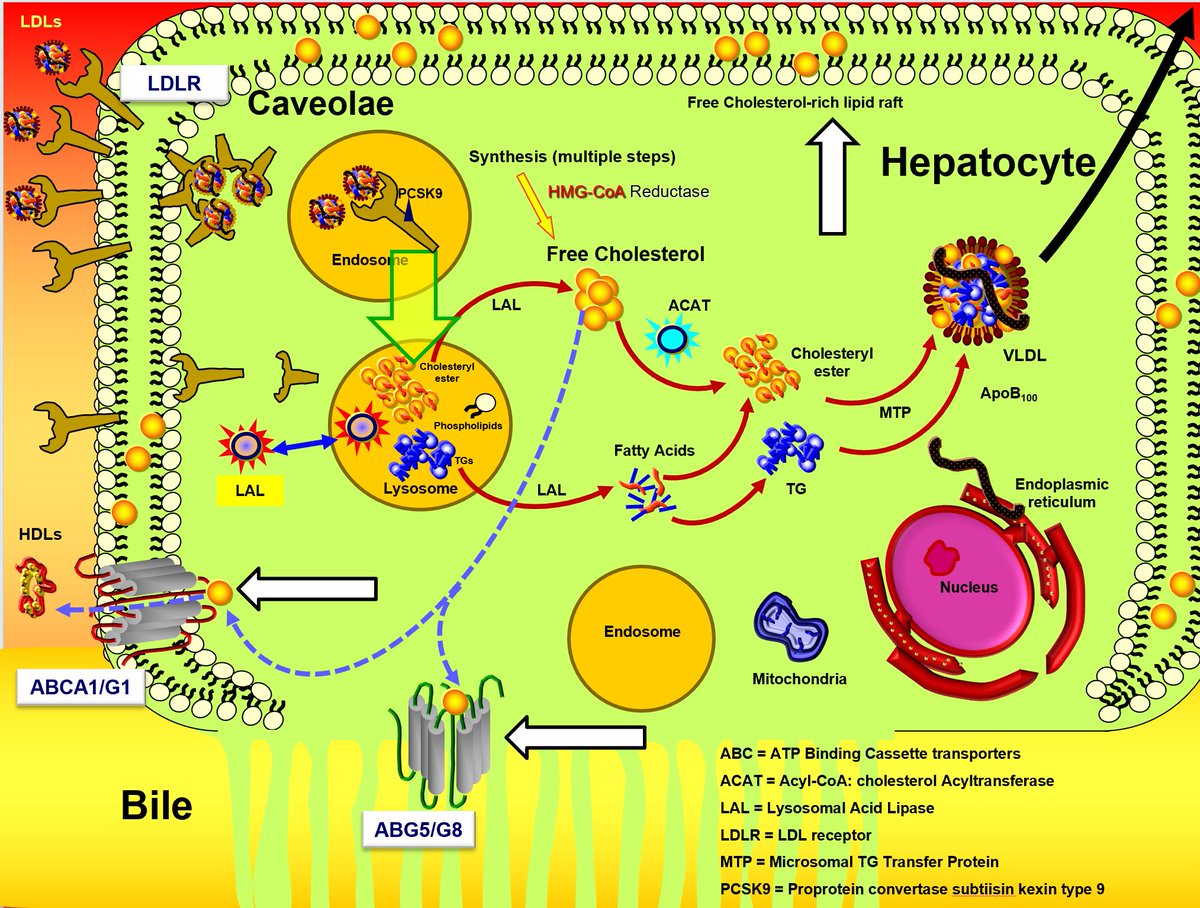
Wonderful new article (MANDATORY READING FOR LIPIDOLOGISTS) authored by Justine Cole from Sniderman's group looking at hepatic cholesterol homeostasis -- Despite long-standing teaching, LDL particles do not deliver cholesterol in any significant quantities to peripheral cells. Therefore, LDL plays no significant role in net cholesterol transport. Moreover, even in normal individuals, the LDL receptor pathway is not the dominant pathway by which LDL is removed from plasma because its net effective transport capacity is so limited. Below is one of my older graphics on hepatic cholesterol homeostasis which I will have to update showing other non-LDLR pathways of how cholesterol gets back to the liver. https://t.co/IhsXfV6b2U @nationallipid@foundationofnla@escardio@ASPCardio@atherosociety@TheEndoSociety@LipidJournal@RZubiranS
@agingdoc1 Should prevention focus less on whether LDL crosses a diagnostic threshold and more on cumulative lifetime exposure to atherogenic particles? Lifetime LDL exposure may be a better model of atherosclerosis biology.
Normal LDL-Cholesterol Levels Are Associated With Subclinical Atherosclerosis in the Absence of Risk Factors
"These findings support more effective LDL-C lowering for primordial prevention, even in individuals conventionally considered at optimal risk."
https://t.co/JGaMkCcVwM
👉 Atherosclerosis is complex.
Its root cause is not.
→ Inflammation modifies the response.
→ Hypertension accelerates the damage.
→ Diabetes amplifies the risk.
→ Smoking fuels the process.
👆But without apoB-containing lipoproteins entering and being retained in the arterial wall, there is no atherosclerotic plaque.
👉LDL is not just another risk factor.
It is the main causal driver of atherosclerosis.
No cholesterol deposition. No plaque.
@society_eas