Anthropic maintains that it is entitled to train for free on all the world’s output, even if the author objects. But if a competitor trains on Anthropic’s output after paying for it, that is IP theft. The hypocrisy is breathtaking.
I don’t need a code editor anymore. I need a code observatory.
Something that shows me the structure of the codebase, lets me navigate symbols and references, review diffs and tests, and edit code when I actually need to.
It should continuously review changes in the background, track complexity, coverage, code size, duplication, and readability, detect architectural drift and regressions, and show exactly which APIs, behaviors, and tests are affected.
Does something like this already exist?
What would be the best model to review Sol Ultra's work here? I want to be defensive against over engineering.
I typically reach for Fable, though Opus 5 is out now but I haven't tried it yet. Alternatively, I have Grok 4.5 tokens I can burn.
Port is still going. The easy path would’ve been to put the relay in a Cloudflare Container, but I want to take full advantage of CF's primitives.
The plan is to reuse as much of Buzz’s Rust core as possible, via workers-rs and wasm. That includes bringing the shared Nostr protocol, filters, auth, and event semantics into the Worker.
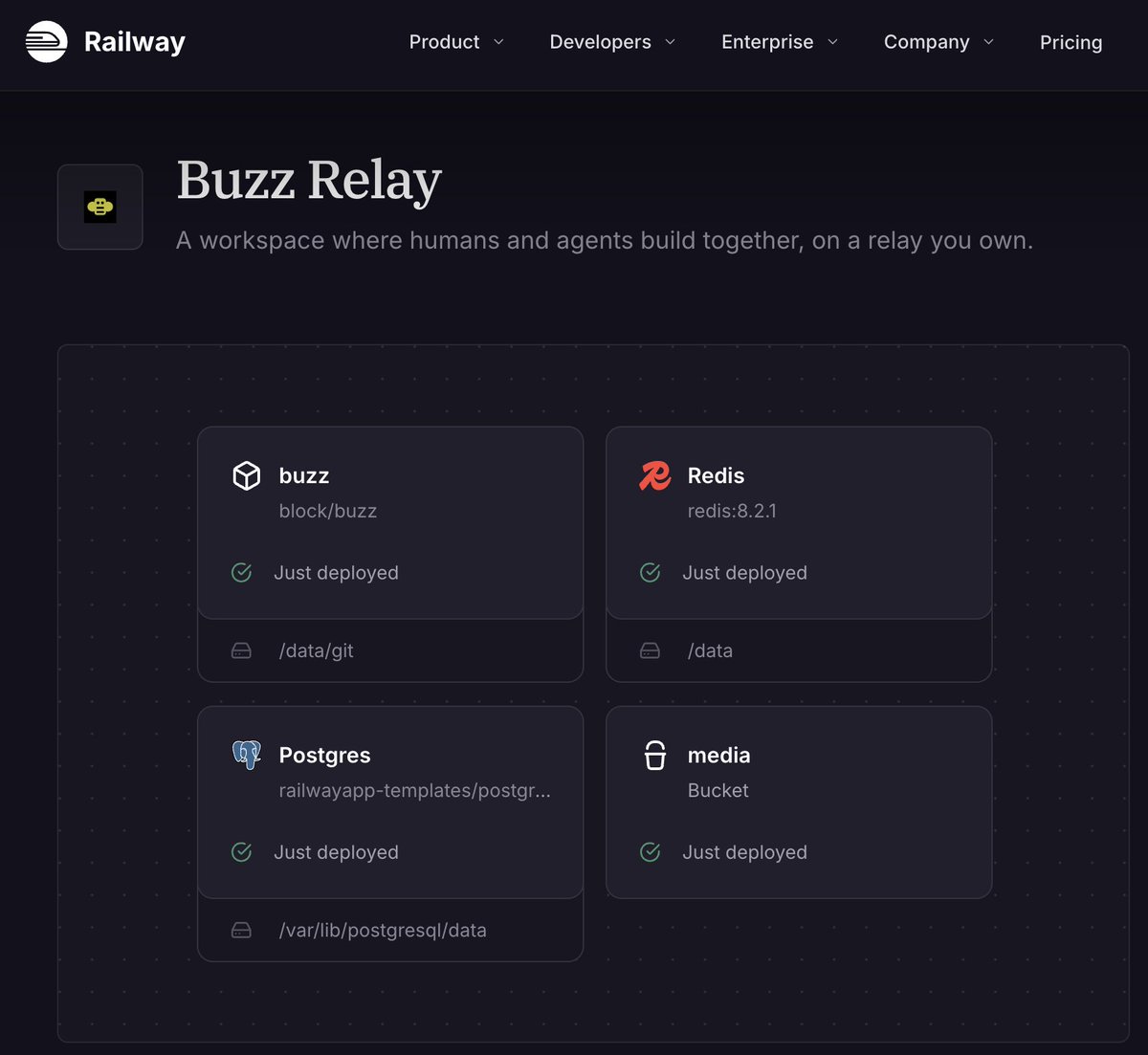
DOs are per community, handle WS+hibernation, and use SQLite instead of Redis for coordination.
Agents will run in Cloudflare Sandbox containers.
Postgres stays Postgres via PlanetScale + Hyperdrive, and S3 maps cleanly to R2.
Is there a word for when you deliberately forgo stating obvious caveats, and the first response is a rebuttal mentioning every obvious caveat, and now you have to spend 5 mins saying “yes, of course” before you’re allowed to return to what you were actually talking about?
.@nikitabier and co are cooking with quality of life updates to the iOS app.
The char counter is no longer ambiguous if the 280th char was included in the short post limit.
Also, I can now edit posts. The option was never available to me, it was odd.
@BillAckman@BarackObama@HillaryClinton They realized that importing voters who are dependent on government handouts was a sure way to single-party socialist rule forever
Port is still going. The easy path would’ve been to put the relay in a Cloudflare Container, but I want to take full advantage of CF's primitives.
The plan is to reuse as much of Buzz’s Rust core as possible, via workers-rs and wasm. That includes bringing the shared Nostr protocol, filters, auth, and event semantics into the Worker.
DOs are per community, handle WS+hibernation, and use SQLite instead of Redis for coordination.
Agents will run in Cloudflare Sandbox containers.
Postgres stays Postgres via PlanetScale + Hyperdrive, and S3 maps cleanly to R2.
@samgoodwin89 In fact, I would like a "(Alchemy logo) Deploy to CF" button more than distribute via npm.
Button brings you to a form with required params, then deploy. Hosted on Workers ideally.
@samgoodwin89 >Can easily build this with Alchemy on Cloudflare and distribute on NPM
We had a similar discussion about SolStatus back in the Alchemy v1 days. Any guidance on what this looks like with v2?
@samgoodwin89 I couldn’t fit in a bit about cost in OP, but 100% agree. There’s 0 billing mental overhead with running on Cloudflare. My agents and I can deploy unlimited software there and in six months if I’m not using it, it doesn’t affect me. Wrote more on that here https://t.co/SvyzVP0JXG
Simply being "agent-friendly" isn't enough, there's downstream UX to consider.
In the age of limitless personal software you need to be "agent-adjacent-friendly".
You're now competing with an all-time low of mental bandwidth. Attention and $ too, but those were always scarce.
Was thinking about standing up Buzz, but I just can't be bothered to manage four more components.
This is why I love building on Cloudflare—this would be one worker/DO and the others would be managed infra. I don't have to worry about scaling, maintenance, etc.