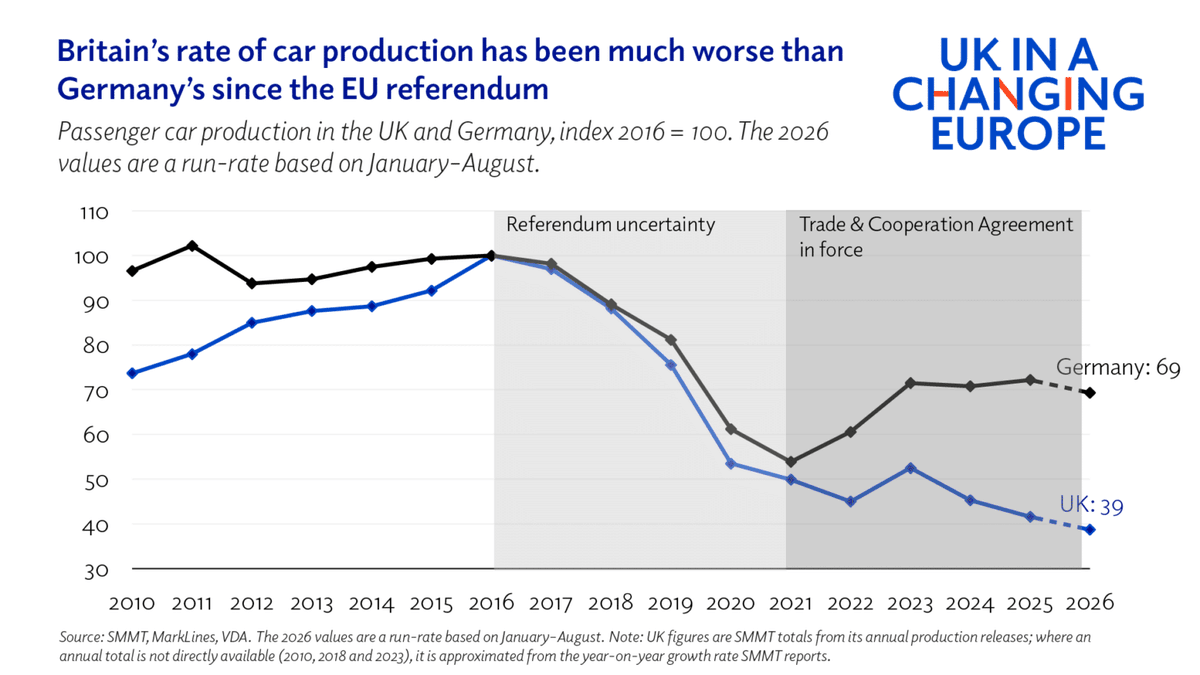
@MattCJBaker@Eddystone506@CaptainSwing666 The decline of the British car industry came in two Brexit stages.
1. Uncertainty post-referendum weakened the industry
2. Trade arrangements that replaced EU membership did lasting damage.
https://t.co/zkptL75BT4
@alexanderrX_@AnthonyTeasdale No other big city in Britain outside London has anything like the west end. Clifton in Bristol is the nearest. Certainly nothing vaguely comparable in Manchester or Leeds.
Placeless car-dominated sprawl. Fails to adequately address the street or take advantage of the opportunities presented by its canalside location. Not dense enough, too much road and too much parking given that the occupants are the least likely demographic to own them. Object.
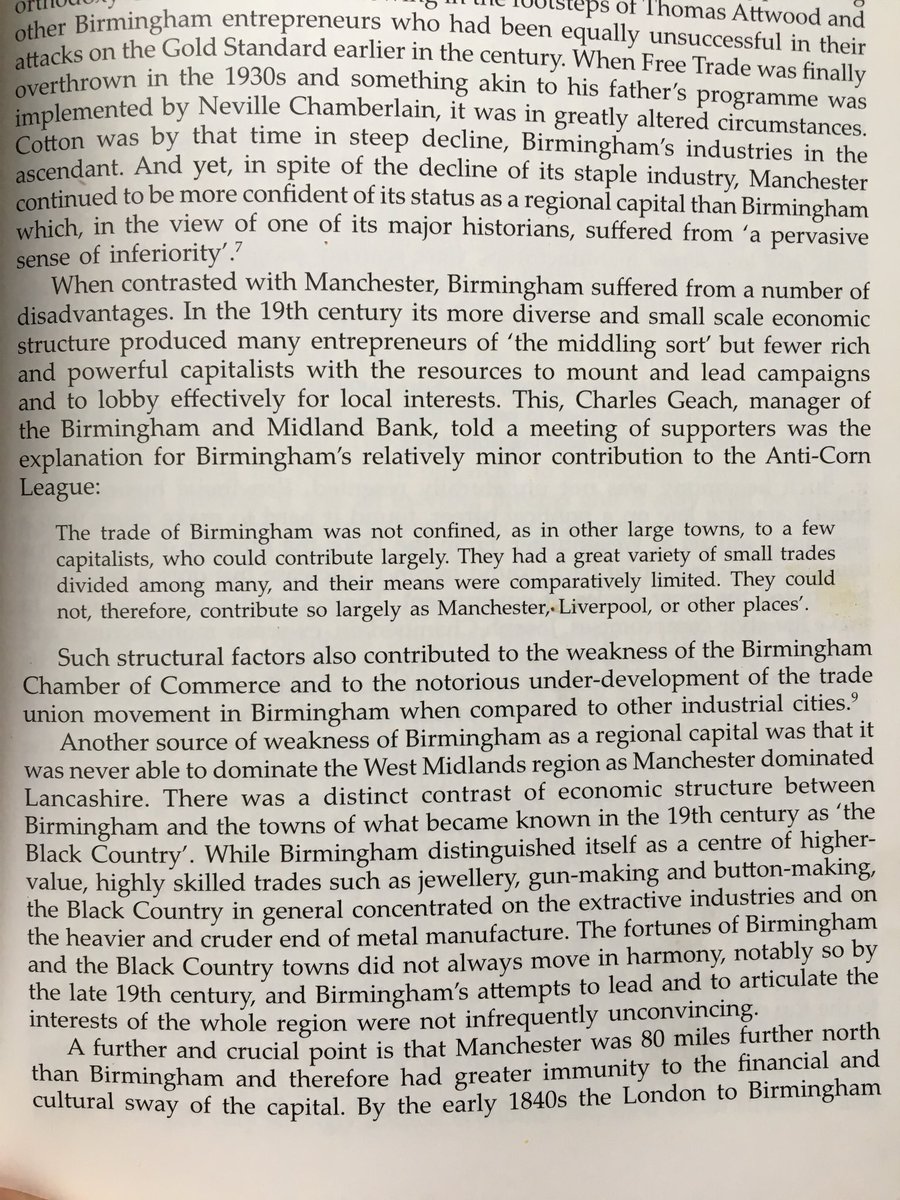
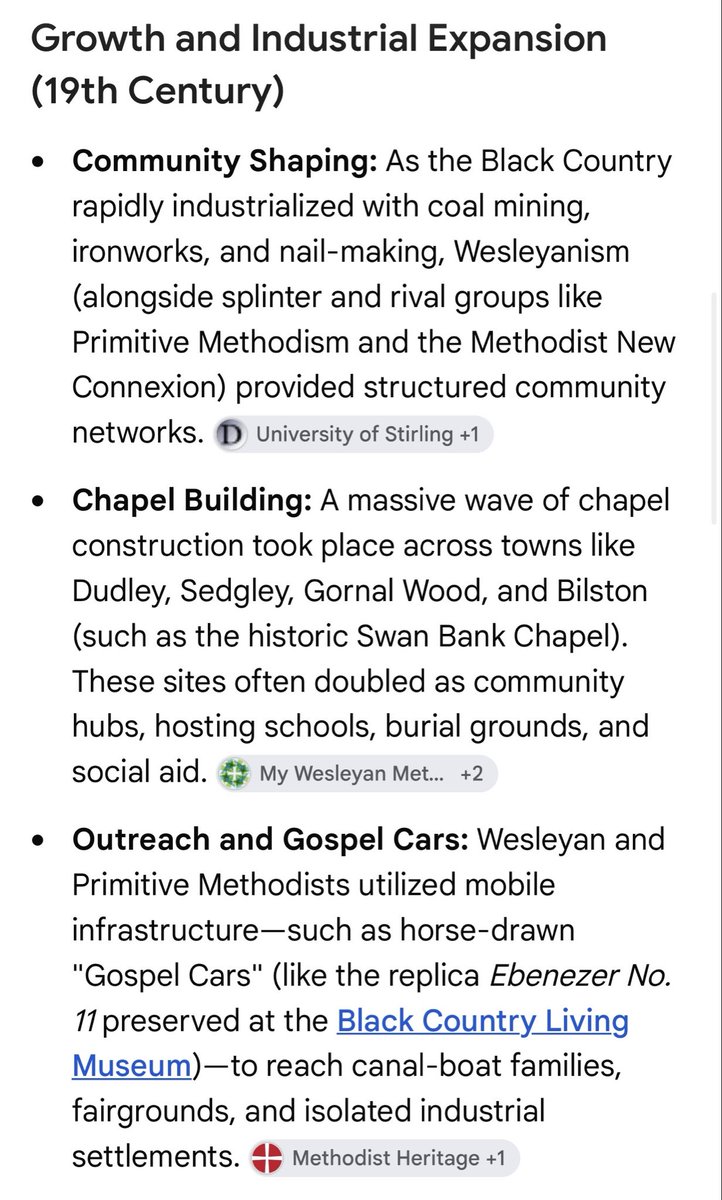
If you go back to 1900 or so, the average Black Country worker was Methodist, relatively unskilled a trade union member, voted for the emerging Labour Party and worked for a big enterprise in coal or basic metal production with no chance of him becoming an owner. In contrast….
@BigBangBigMak@AlanJi73069669 Having said that, looking at the number of registered voters in the 1900s, I reckon more than half of Brummie men had a vote.
@TheIanHalstead@WaterOrtonSteve I’ve heard an argument (no idea if it’s true) that the forced relocation of car plants to Merseyside led to the spread of militancy to Birmingham - which had previously had very calm labour relations
@WaterOrtonSteve Nuance is hard in a tweet! Yes of course. But on average Black Country industries were heavier and “cruder” than Birmingham trades, requiring more unskilled labour.
@stowlawn Until the mid 20th C Brum had a much smaller Irish Catholic population per head than almost any other industrial centre. Wolverhampton had a bigger share! The modern identification is entirely due to huge post war migration
@is_glasgow That’s not the same thing though. I’m talking about two geographically adjacent areas which are now assumed by many outsiders to be “one place” but have entirely different social and economic histories. I didn’t mean sectarian divides.
@MagnaAulae@Arthur_Paneal St Anne’s in the gun Quarter 1774. St Bartholomews on Carrs Lane 1749. St John’s Deritend 1735. Christ Church New Street 1805. St Mary’s handsworth. Loads of 18th c churches in the inner suburbs, now demolished.