Can we use remote sensing observations to estimate phenology and crop growth at field scale? In this paper we demonstrate the benefits to integrate field and earth observations to calibrate crop models under sub-optimal growth conditions.
https://t.co/GEtRz7R0eS
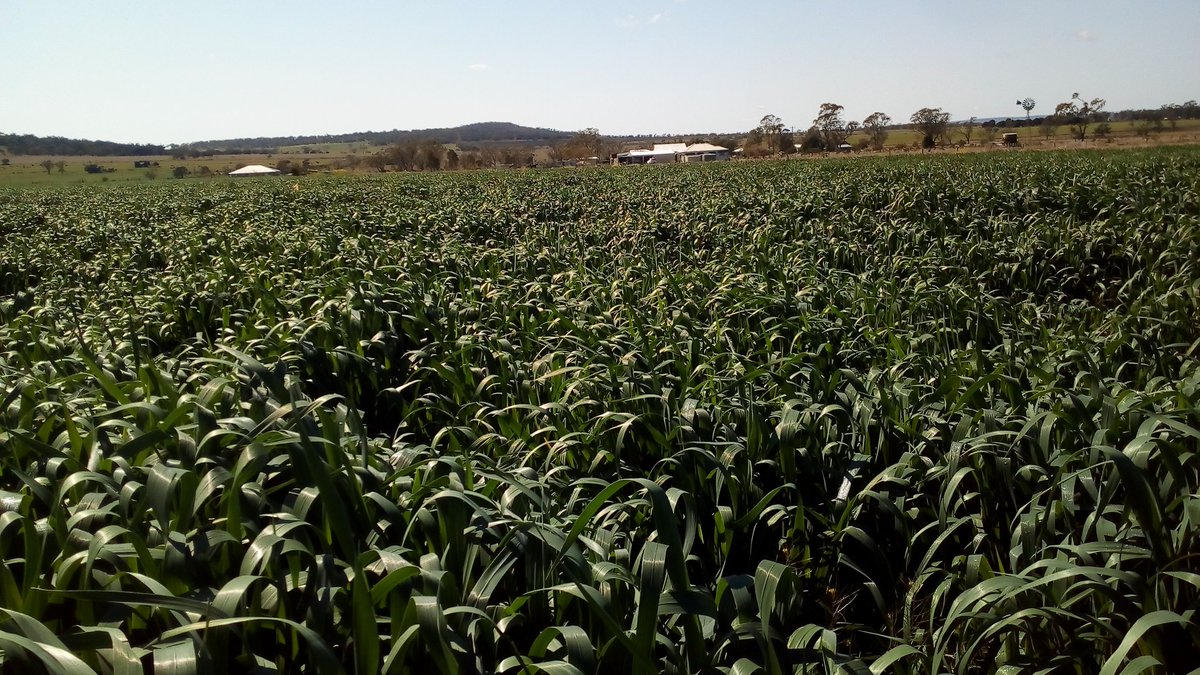
This might be the biggest oat crop that I have grown. It is destined to end up as small hay bales. But before that happens @GIrisarri@JonathanJOjeda & I are going to use it to further our collaborative work integrating #APSIM with earth observation for better crop management
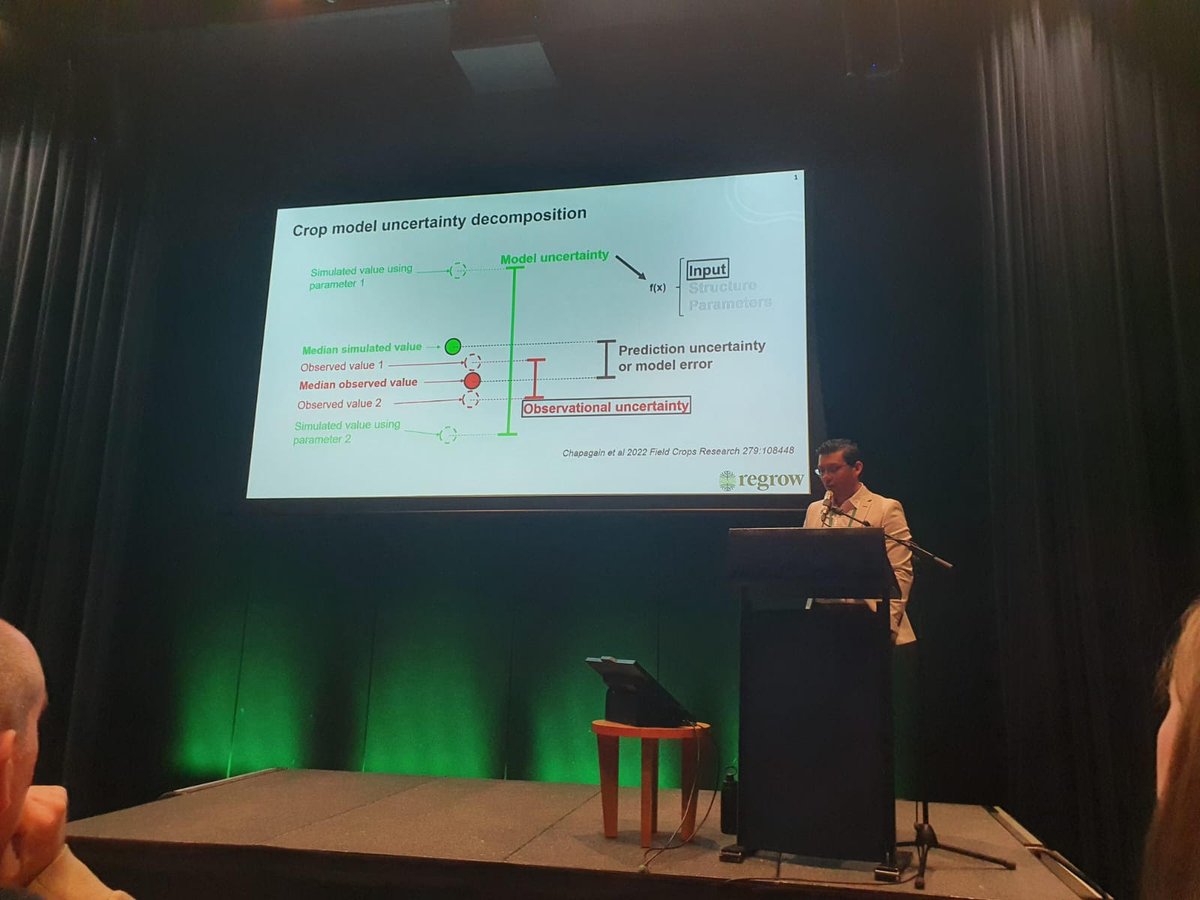
It is a pleasure to share with you some photos of my two presentations at the Australian Agronomy Conference in Toowoomba, AU. I talked about crop model uncertainty quantification and a Python package to automatically download gridded-climate data for crop model applications.
@rac_aus Comparto primer publicacion realizada en colaboracion entre UBA-IFEVA-UTAS-Regrow-USQ bajo el programa DFAT-COALAR en remote-sensing y crop modelling (colaboracion realizada 100% virtual!).
https://t.co/Xnq8OnTvf9
Can we use remote sensing observations to estimate phenology and crop growth at field scale? In this paper we demonstrate the benefits to integrate field and earth observations to calibrate crop models under sub-optimal growth conditions.
https://t.co/GEtRz7R0eS
Ayer en el programa de Lanata, levantaron el hilo de Tweeter sobre el acopio. Fue una excelente entrevista y me demostró que vale la pena usar horas de ocio para intentar comunicar al agro. Espero haber estado a la altura!
Abajo link a la nota 👇
https://t.co/2XHTeIKbSA
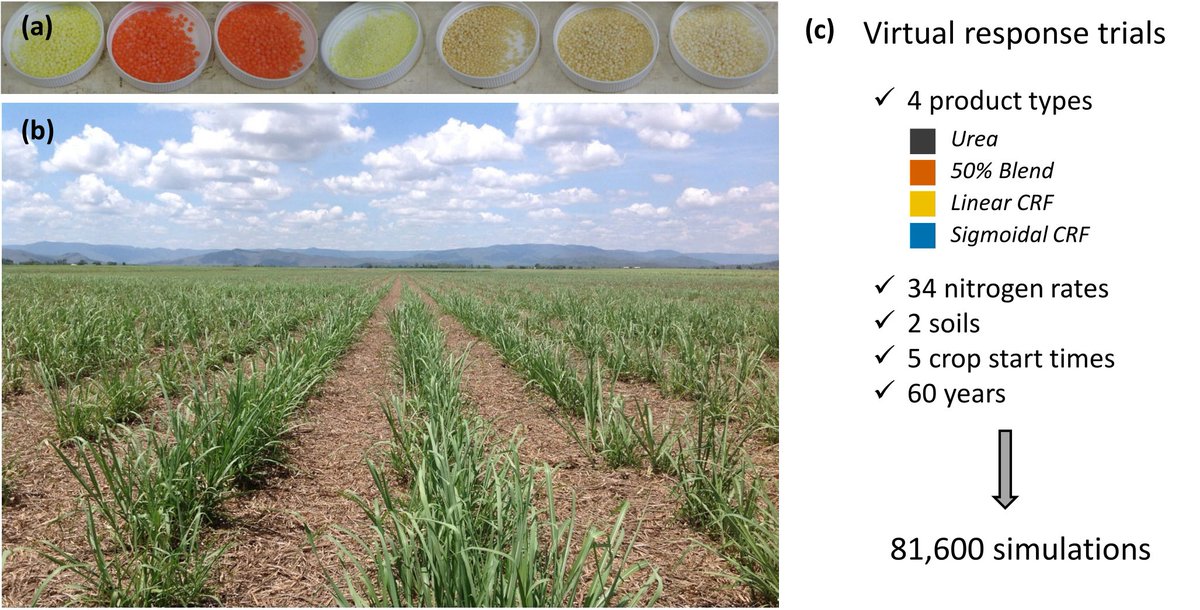
Why are the benefits of enhanced-efficiency fertilisers inconsistent in the field? Pleased to share this paper on our #apsim simulation analysis identifying prerequisite conditions. Published with @SpringerNature in @ASD_INRAE. Read more here: https://t.co/TJ2Qs9i2SE
I'm excited to share our latest paper https://t.co/Qy8UYhmhVb . We show the importance of light quality in defining yield potential in wheat. Fantastic team effort @CSIRO & @BASFAgro#Gent#futurecrops@PlantCellEnvir
Global wheat production could benefit from closing the genetic yield gap
Optimizing local wheat cultivars using the #wheat#model Sirius
https://t.co/z6Axc33QRB via Nature Food
In some environments yield responses to N fertilization can rely more on kernel weight than kernel number changes. Analysis of ARG, US, and🌎 data with @PituBorras and @SArchontoulis@aapresid@isuagronomy@OficialGimuce
link: https://t.co/8hmCwYJ8tm
@yieldata@leodebenedictis@eduardo_rollero@franpugno@icardinalee Estaría bueno ver el mismo gráfico pero para distintos lotes cercanos a pergamino y analizar la variabilidad espacial de la temperatura y cómo afecta la suma térmica en los cultivos y por ende la fenologia. Están usando alguna base de datos de grilla para las predicciones?
@abbate_pablo Muy buen trabajo @abbate_pablo et al., pregunta los datos de temperatura y precipitaciones que usaron para la creación de las zonas consideran la variabilidad espacial de ambas variables para una misma zona o región? Existen datos climaticos de grilla en base a las bases de Inta?
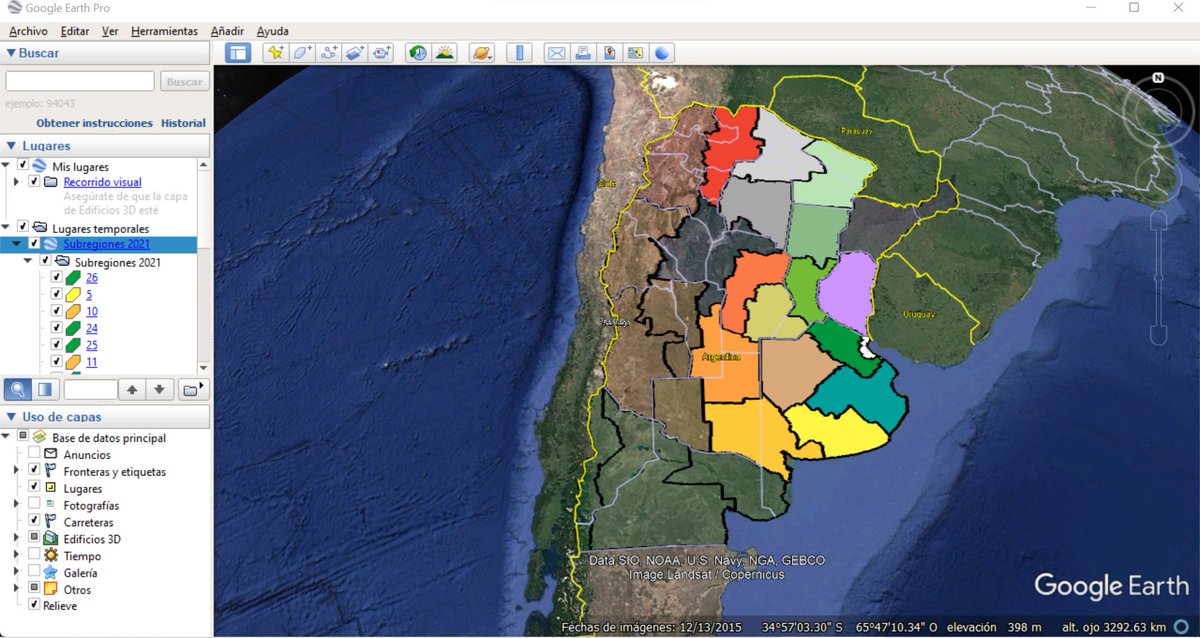
Les hago llegar el link al Nuevo Mapa de Subregiones en formato KMZ, compatible con Google Maps, que hicimos con Cristian Zajac de AG-SAT. Con esta versión pueden superponer capas del mapa más fácilmente que en GIS. https://t.co/1QOQ9XaLav
Can we use remote sensing observations to estimate phenology and crop growth at field scale? In this paper we demonstrate the benefits to integrate field and earth observations to calibrate crop models under sub-optimal growth conditions.
https://t.co/GEtRz7R0eS
@KeithPembleton Yes, we should write another paper demonstrating that you can start from scratch with a project and get outcomes and make friends virtually!