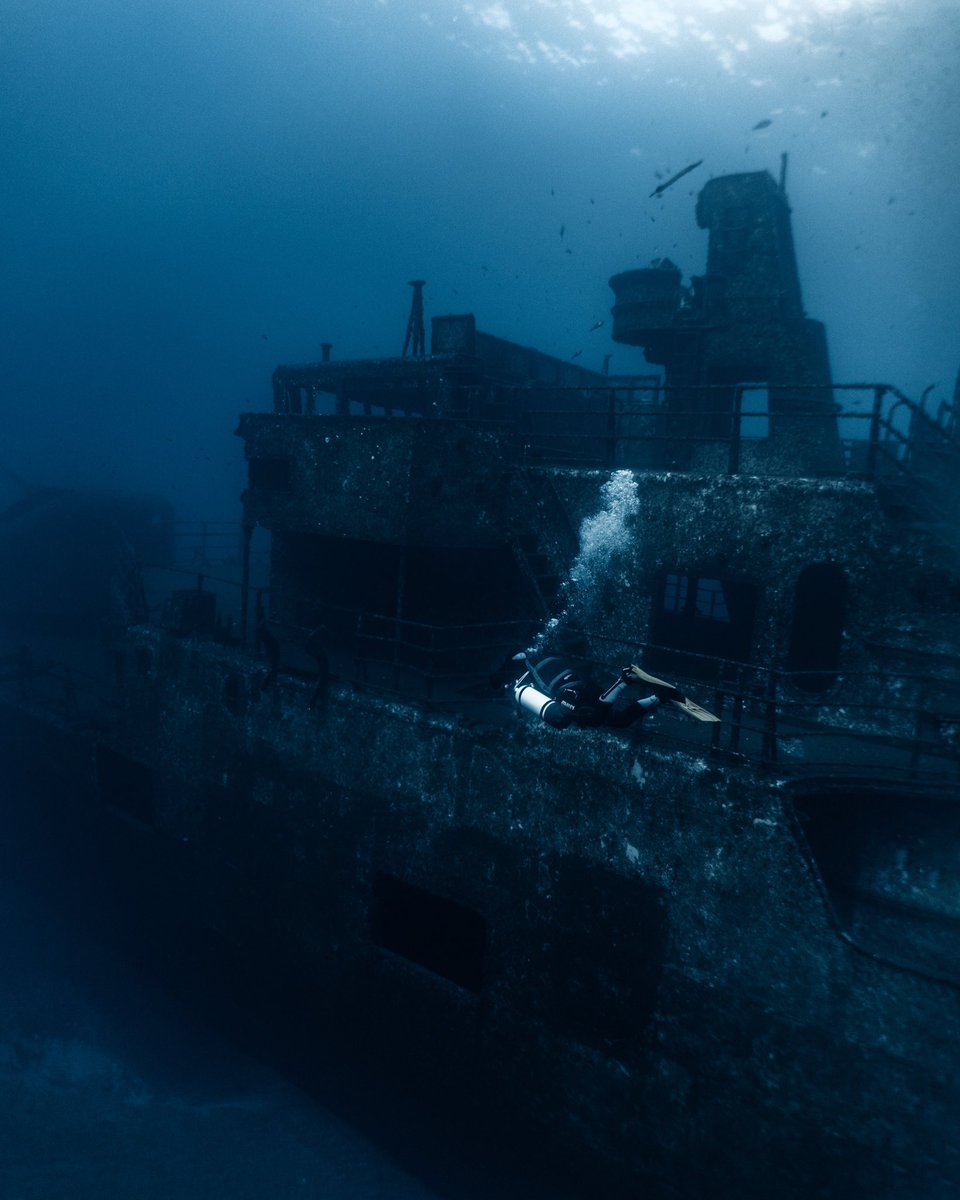
Filmed our marine science in society video today! We experienced noise pollution first hand as we watched thousands of people board a giant cruise ship. Although sound travels 4 times faster in water, so I’m sure our fishy friends heard it much more than us!
Coral reefs are particularly susceptible to storms. For instance, coral reefs off the coast of St. John, the smallest of the U.S. Virgin Islands, declined 1-4% after Hurricanes Maria and Irma.
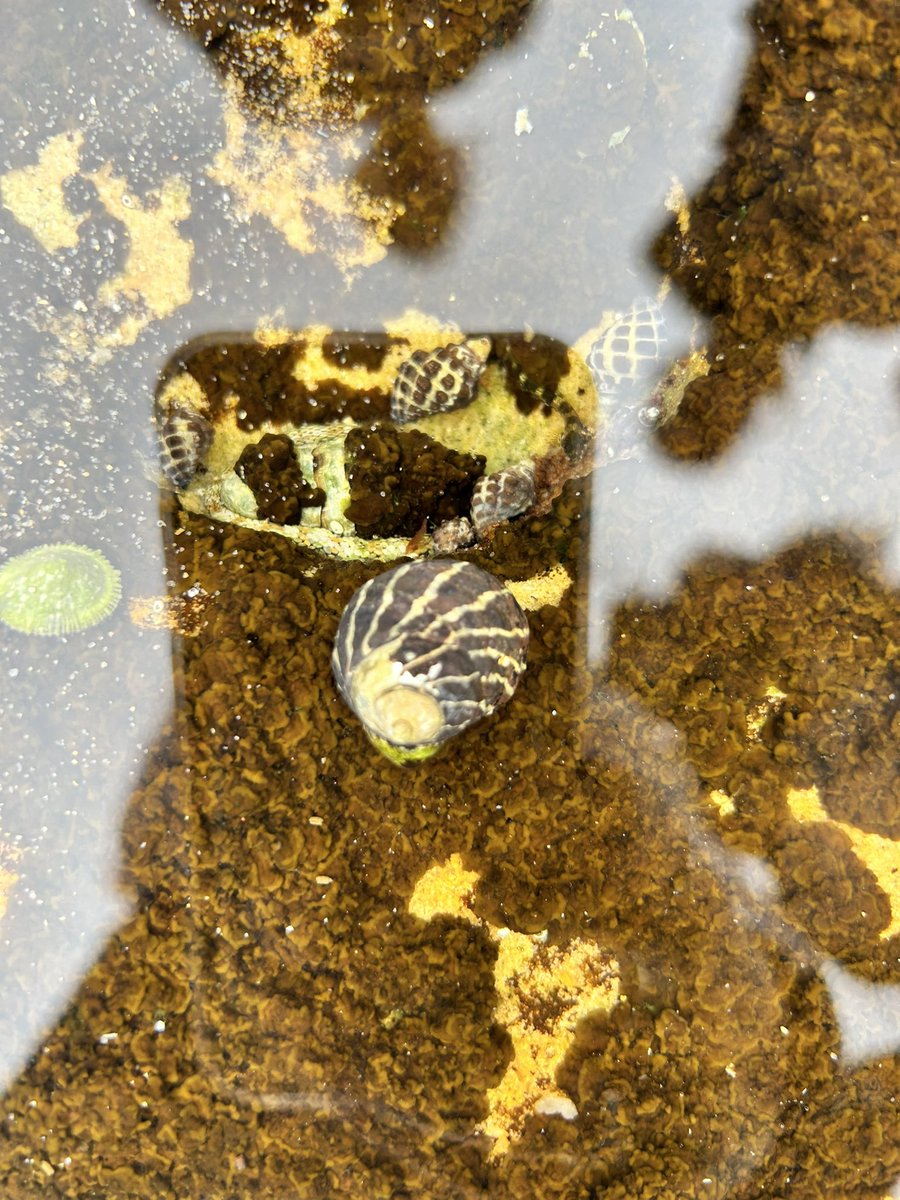
Most sea snails are herbivores implying that they entirely feed on sea plants. The algae plant is the most popular source of nutrient among the sea snails.
Rips can be used by surfers to get out into the waves. However, they can be incredibly dangerous. There are three primary ways of identifying a rip. 1. Deeper and/or darker water 2. Fewer breaking waves 3. A different wave texture
No seafood caught west of the Sydney Harbour Bridge should be eaten. Seafood east of the Sydney Harbour Bridge generally no more than 150g per month should be consumed. The water is toxic! Agent Orange was being manufactured in the area and leaked into the harbor in the 1900s
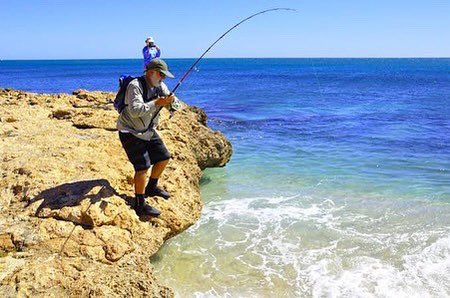
Rock fishing is a popular past time in Australia and New Zealand. However, On average, at least 13 people die per year as a result of rock fishing. It ranks third for the number of deaths for an individual activity.
Giant anteaters do not have teeth; instead they have tongues that can reach as mich as 610 mm in length! As long as the tongue is, it is relatively narrow over the entirety of its length. They also have the largest ratio of predator to prey size of any land animal!
Dugongs are referred to as sea cows because they use their strong, cleft upper lips to graze on sea grasses they uproot from the seafloor. However, their closest land relative is the elephant!
Fun fact! Crabs talk with their claws! Stridulation is the process of making sounds by rubbing specific body parts together, just like when insects rub their legs together.
Went to the beach and saw the various levels of low tide and high tide! It was awesome to see the marine habitat meeting with the land. Also interesting to see how the water has impacted the shape of the surrounding rock formations!
went to the SEA life aquarium and saw 15 different species of sharks! it was interesting to see them coexisting in a habitat with all different kinds of other fish and marine animals! #MarEnvS20
We need to recognize that beach conservation and the protection of our oceans needs to be a group effort. We cannot simply see it as the job of our leaders to work towards change, we must actively be apart of the change as we move forward.
It is important to recognize that plastic bags one of the most dangerous pieces of debris for sea turtles. Turtles often mistake the plastic bags as their favorite prey, the jellyfish.
Did you know that in 2021 our conservation team found plastic bags to be in the top 10 most commonly found marine debris items on our beaches?
Seal your food sustainably with our Stasher sandwich bag 🥪
https://t.co/KPuiJet1MP
Participating in a beach cleanup is such an easy thing to become a part of that makes such a big difference! Great to see people making an effort to preserve the beauty of our oceans!
Hope to see these colorful reefs continuing to thrive! Coral bleaching has become such a prevalent issue that not many of these reefs will exist in the near future at this rate!
Amazing to see the animals working cohesively. In a 3 dimensional world such as the ocean, it can be difficult to catch fish floating through the empty space of the water. Thus, animals have to come up with strategies to make hunting easier!