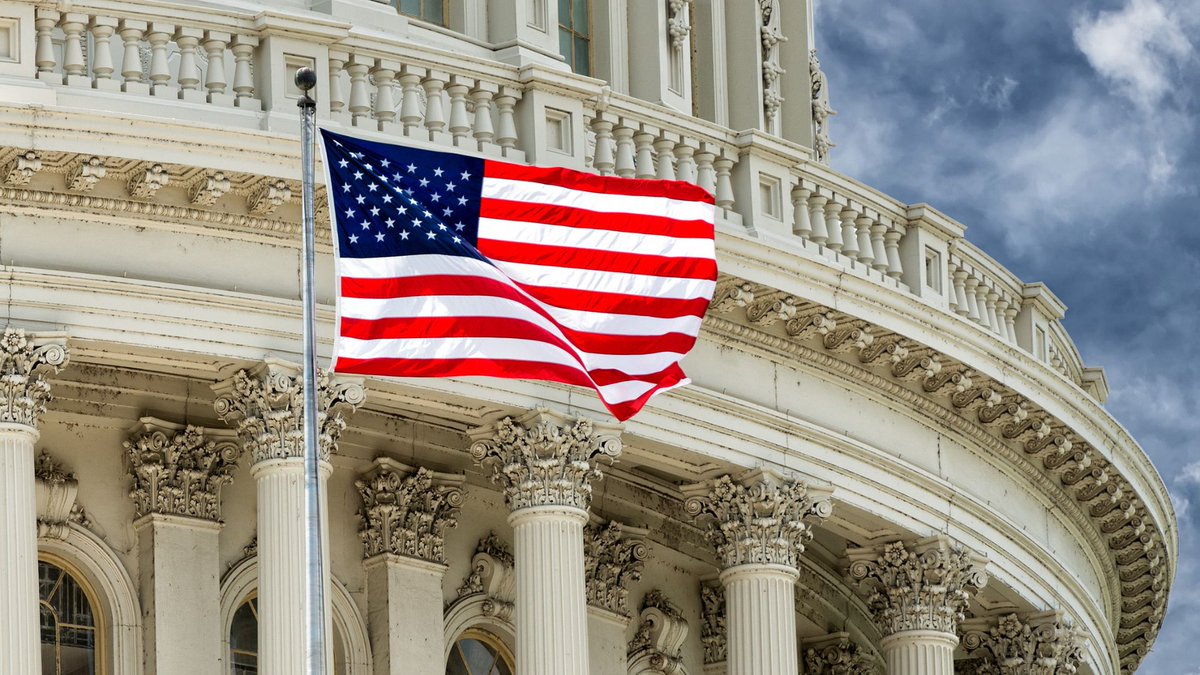
NEW: US Congressmen Self, Torres, and Lawler introduce a Congressional Resolution supporting Kosovo's NATO membership.
"Adding Kosovo to the NATO alliance is essential to safeguarding the national security interests of the US in Southeastern Europe," Congressman Self stated.
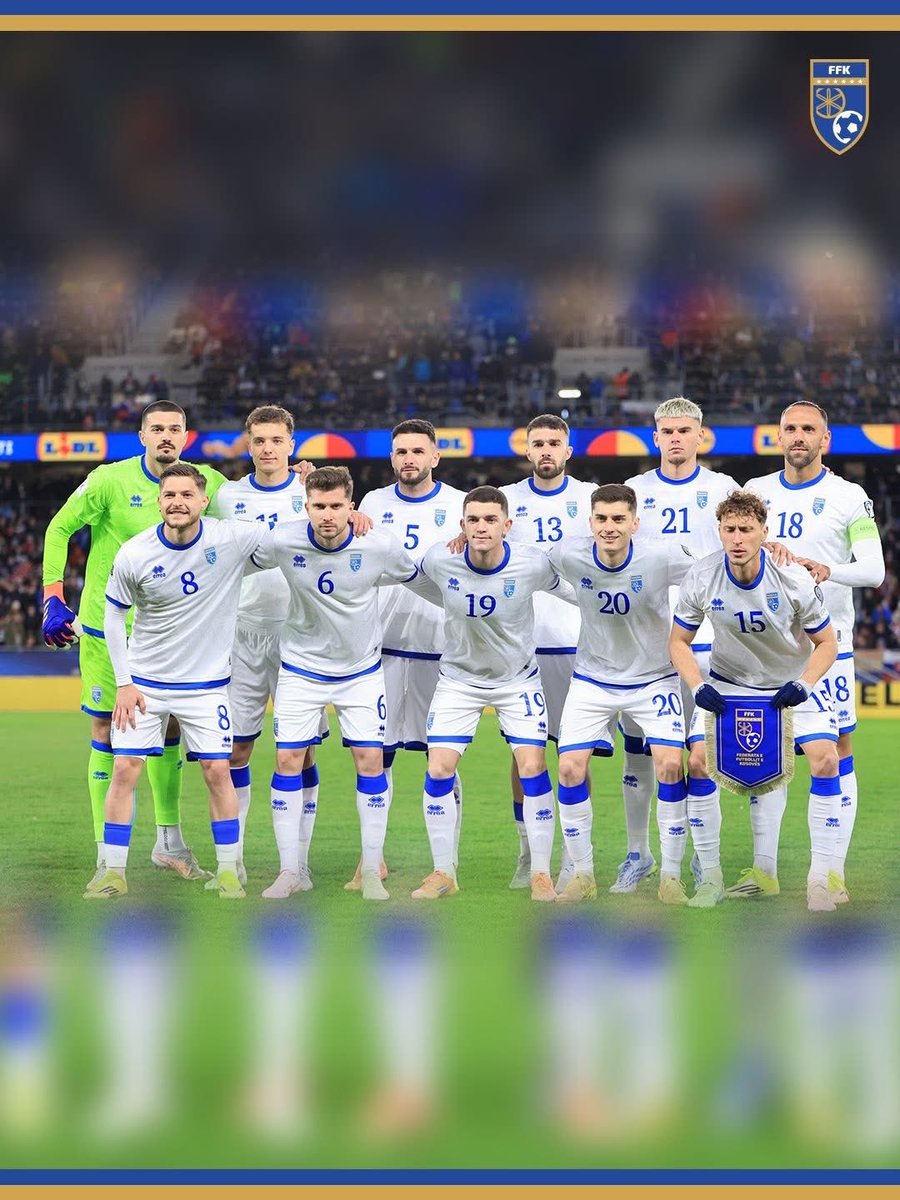
Today, our country echos with one heartbeat, one voice, one dream: behind our fantastic @FFK_KS team!
One match away from the #FIFAWorldCup! Whatever the result, our players have already made a whole nation stand taller, believe stronger, and dream bigger.
We also proudly welcome our Turkish friends for this historic night of football and friendship.
Forca Dardanë! Forca Kosova! 🇽🇰
Japan is gifting the United States an additional 250 cherry blossom trees to celebrate America's 250th birthday! 🌸 We'll use this logo when celebrating Japan-US friendship! 🇯🇵🇺🇸
NEW
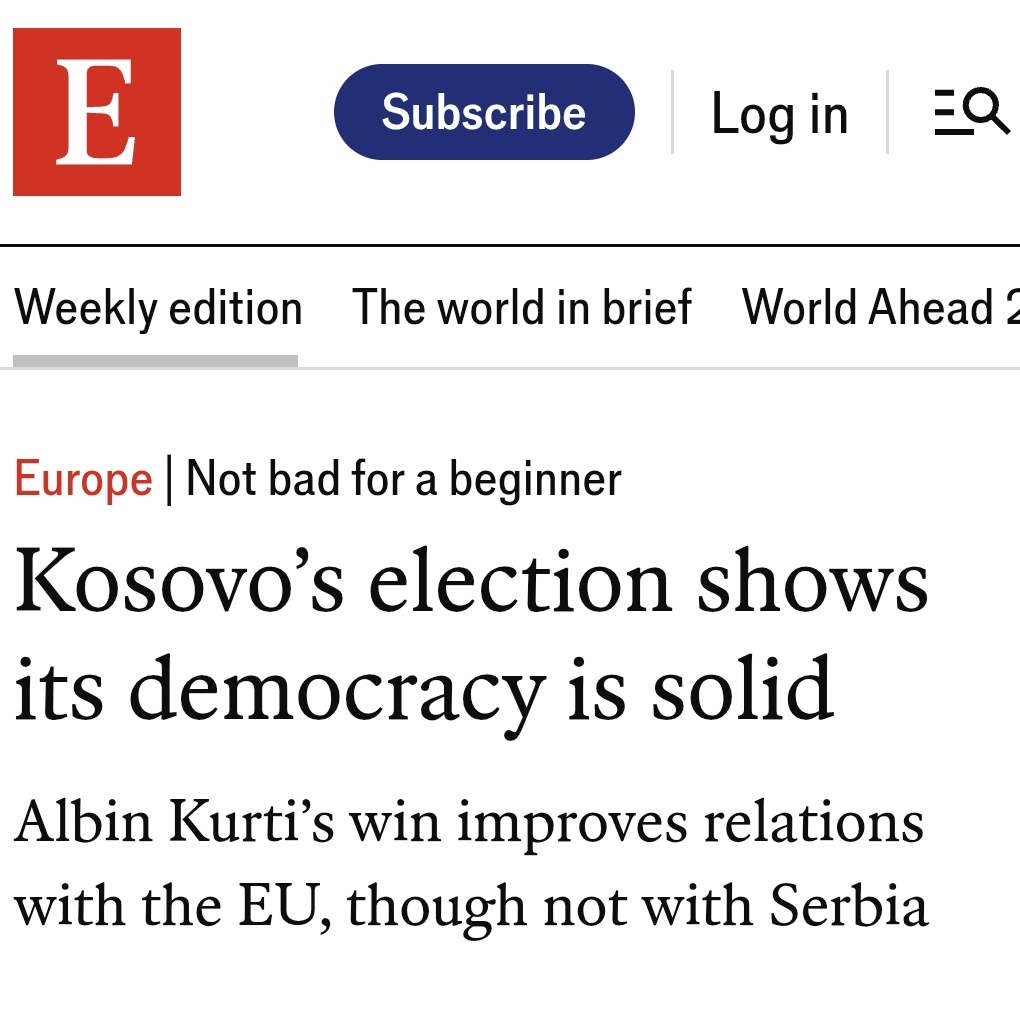
Kosovo PM Kurti told ambassadors that integrating the parallel education and healthcare systems into the country’s legal framework will be the next step.
The No Funds for NATO Invasion Act would:
- Prohibit any federal funds from being made available for the invasion of a NATO member state or any territory protected by Article 5 of the North Atlantic Treaty.
- Prohibit any officer or employee of the United States from taking any action to execute an invasion of a NATO member state or any territory protected by Article 5 of the North Atlantic Treaty.
https://t.co/ZgwGhoZDCU
Kosovo President Osmani:
We have dismantled Serbia’s propaganda by reconfirming Kosovo’s recognition by around 20 countries that Serbia had claimed had ‘de-recognized’ us.
Only one country did not respond.
There is one more salient point to be made re: yesterday’s secessionist paramilitary marches in Banja Luka in Bosnia and Herzegovina (BiH): the absurdity of the “January 9” date as a holiday to mark the founding of the RS entity at all.
1. As a matter of both Bosnian domestic law and international law (i.e. the Dayton Peace Agreement) the self-declared breakaway territory which existed between 1992* and 1995 is not the same polity as the contemporary RS entity.
The former was an internationally unrecognized territory, a de facto occupation regime of the Federal Republic of Yugoslavia of the sovereign, and internationally recognized territory of the Republic of Bosnia and Herzegovina (RBiH). The latter is a sub-national entity within the post-war Bosnian state – which, unlike the RS entity, according to the country’s constitution and the Dayton Agreement – is an explicit continuation of its legal character.
Thus, while the modern Bosnian state traces its constitutional lineage to, at least, November 25, 1943, the RS entity, legally, can only be said to date to November 21, 1995 (i.e. the initialing of the Dayton Agreement) at the earliest.
Moreover, the legal existence of the RS entity is entirely dependent on the state of BiH and its existing constitutional regime. That is, if the Dayton constitution were to be dissolved or amended, the RS entity would cease to legally exist, the BiH state would not.
*As I will show below, the criminal political enterprise which resulted in the formal declaration of the RS actually began in 1990-1991, not 1992.
2. It is legally significant for the contemporary RS entity that the wartime and post-war RS are not the same political entity because if they are, then the latter may be determined to be legally responsible for the extraordinary crimes, atrocities, and genocide that were committed by its political and military leadership during the period between 1992 and 1995, i.e. that it might owe reparations to the Bosniak and Croat communities which were destroyed by the then leadership.
Bizarrely, by insisting that the entity’s legal linage dates to 1992 and not 1995, the Dodik regime is unnecessarily legally implicating its own government in potential future criminal proceedings.
3. What occurred on January 9, 1992, and what is the significance of the date? On January 9, 1992, the Bosnian Serb assembly adopted a declaration on the Proclamation of the “Republic of the Serb People of Bosnia and Herzegovina” (Republika srpskoga naroda Bosne i Hercegovine).
But wait, when had this “Bosnian Serb assembly” been created?
Now we get to the nub of the matter: the then Serb Democratic Party (SDS) under the direction of genocidaire Radovan Karadizc, and his boss Slobodan Milosevic, had initiated the creation of a secessionist regime within what was then still the Socialist Republic of Bosnia and Herzegovina (SR BiH) years before the RBiH declared its independence from the Socialist Federal Republic of Yugoslavia (SFRJ).
Every step in the creation towards that regime was itself illegal under Yugoslav law. Not least of all because throughout each successive episode in this series of escalatory steps, the SDS and its proxies stated clearly their intent to initiate the forcible unmixing of peoples within BiH, with a particular focus on the expulsion and extermination of the Bosniak community.
Thus, contra the claim that it was the SDS and Belgrade et al who were protecting the constitutional order of the SFRJ, it was they themselves who were violating it most egregiously through the creation of entirely parallel institutions, in the SR BiH and SR Croatia, while attempting to do the same in Slovenia, and having successfully engineered de facto coups in Kosovo, Vojvodina, Montenegro, and Serbia itself during Milosevic’s purported “anti-bureaucratic revolution”.
4. In the specific case of the SR BiH, the first step towards this secessionist-occupation regime came through the establishment, by the SDS and its various front groups, of the so-called “Serb National Council of Bosnia and Herzegovina” on October 13, 1990.
During the next year, the SDS and the Belgrade security services began intense preparation for war – nearly two years before the formal onset of hostilities – most obviously through the development of the so-called “Frame Plan” (Plan Ram), which has been widely documented at the ICTY and in the historical and academic literature, as well as the declassified memos of the CIA and other relevant intelligence agencies.
In October 1991, SDS delegates walked out of the parliamentary assembly of the SR BiH and declared the establishment of the aforementioned “Serb Assembly,” which they quickly followed up by unilaterally declaring the creation of so-called “Serb Autonomous Oblasts” (SAOs), at least five of them, which comprised nearly a third the SR BiH’s territory.
On November 10, 1991, the SDA organized a referendum – half a year before the S/RBiH independence referendum – asking whether the Serb people of the SR BiH and the self-declared SAOs wished to remain part of the SFRJ. That then eventually resulted in the merger of the SAOs into the so-called “Republic of the Serb People of Bosnia and Herzegovina,” which itself was eventually renamed to just to the “Republika Srpska” in 1992.
Except for the creation of the Serb National Council, every subsequent step in the SDS trajectory was illegal and was struck down by the then courts of the SR BiH. In other words, the entire project, from Day One was an assault on the constitutional order: first of the SR BiH, and therewith also the constitutional order of the SFRJ, then the constitutional order of RBiH (which, again, was a recognized member of the UN from April-May 1992 onwards), and since, under the leadership of Dodik’s SNSD, on the constitutional order of the post-Dayton BiH state.
More comically still, as shown, the criminal enterprise which is celebrated on January 9 by the Banja Luka authorities did not even politically begin on January 9, 1992.
In sum, whether evaluated legally or morally, it is readily apparent that the “January 9” and entire Serb nationalist project in which it is embedded are synonymous with the deliberate and planned aggression against BiH and the ensuing genocide against the Bosniak community, in particular.
Additional (Not Exhaustive) Reading:
- Edina Becirevic, “Genocide on the Drina River” (2014)
- Robert Donia, “Radovan Karadzic: Architect of the Bosnian Genocide” (2014)
- @markoah, “The History of Bosnia: From the Middle Ages to the Present Day” (2007)
BREAKING
Nenad Rasic is elected Deputy Speaker of Kosovo's Parliament.
This marks the first time since 2013 a Kosovo Serb who is not part of Srpska Lista is elected Deputy Speaker.
🟢 71 votes in favor
🟡 24 abstentions
🔴 9 against
Kosovo has launched a 3-year project to record over 1,000 audio testimonies from survivors and witnesses of some of the worst massacres committed by the Milosevic regime.
Well there we go. @OHR_BiH will be implementing election changes that will solely be based around the population numbers of the "constituent peoples" i.e Bosniaks, Serbs, & Croats.
"The others": Roma, Jews, Turks, Albanians, Macedonians, Montenegrins, Poles...etc are ignored.
Today marks the collective burial of the victims of genocide in Prijedor. 16 victims's remains will find their final resting place today in Prijedor, 30 years after the genocide. The youngest victim to be buried this year is Husein Jakupovic, who was 19 when he was killed.