@UCS_GCDMX@C5_CDMX@PabloVazC@SSC_CDMX Calle 1812 esquina Av. Lorenzo Boturini.. las motos huyeron sobre avenida Lorenzo Boturini rumbo a calzada de la Viga
@ticketelhamster@jungle4eva@ocesa_total Hay priority pero me sale esto: Por favor, verifica tu código de promoción/contraseña o valida la disponibilidad de boletos existente
Our Mexico City desk can confirm that Pemex and senior Mexican government officials privately acknowledge that the spike in crude prices near $100 and the paralysis risk in the Strait of Hormuz expose a structural vulnerability in Mexico’s energy system that is far more severe than the government publicly admits.
Roughly 20% of global oil flows move through the Strait of Hormuz, making any disruption a systemic shock to global energy markets. The current price surge reflects the market beginning to price in that risk. If Iran mines the strait or tanker traffic remains constrained, the shock would not remain confined to oil markets. It would propagate through refined fuels, petrochemical products, insurance, and global trade simultaneously.
Mexico enters this environment with an unusually fragile energy balance. Despite being an oil producer, the country depends structurally on imported fuels and imported natural gas. The United States exports more than 1.9 million barrels per day of refined petroleum products to Mexico, covering over 70% of the country’s gasoline, diesel, and jet fuel consumption. In parallel, CFE´s electricity production has become structurally dependent on U.S. pipeline gas.
Approximately 74% of Mexico’s natural gas demand is satisfied through imports from the United States, most of it flowing from Texas shale basins. This dual dependency means Mexico’s energy security is effectively externalized.
Under normal conditions, that dependency is manageable because U.S. supply is abundant and cheap. In a war-driven energy shock, however, the system becomes exposed. Oil above $100 immediately raises refined product prices in the Gulf Coast market where Mexico buys most of its gasoline. At the same time, global LNG competition and oil-linked contracts tend to push natural gas prices upward. Mexico does not maintain significant strategic reserves of gasoline or natural gas to buffer these shocks. If global prices spike while domestic prices are artificially suppressed, the imbalance manifests not as higher prices but as shortages.
The current discussion inside the Mexican government about using the IEPS tax mechanism or pressuring fuel distributors to hold gasoline below 24 pesos per liter reflects exactly this risk. Fiscal subsidies or price caps can temporarily dampen inflation, but they do not change the physical supply constraint. When governments suppress prices during supply shocks, consumption remains high while suppliers reduce deliveries or divert fuel to higher-paying markets. This results in shortages, rationing, and fiscal strain. Mexico experienced a version of this dynamic in 2022, when fuel subsidies cost the treasury more than $15 billion.
The strategic concern becomes more acute if the Hormuz crisis escalates into a prolonged conflict between Iran and the United States. In that scenario, Washington’s political and military focus would shift heavily toward the Middle East. Energy markets would tighten globally, and the United States would prioritize domestic stability and allied supply chains critical to its own industrial base. Mexico’s heavy reliance on U.S. fuels and gas means that any tightening of Gulf Coast supply would immediately propagate south through pipeline and shipping networks.
The paradox is that Mexico remains an oil producer while lacking fuel security. The country produces crude but lacks sufficient refining configuration and capacity to meet domestic demand, forcing it to export crude while importing gasoline and diesel. At the same time, the power sector increasingly runs on imported natural gas. This combination leaves Mexico exposed to exactly the kind of external shock now emerging from the Middle East.
If the Sheinbaum administration does not begin securing strategic fuel reserves, alternative supply arrangements, or emergency storage capacity, the country risks entering a supply shock environment within weeks if the conflict persists. Rising global prices, combined with domestic price suppression, would push Mexico toward the classic symptoms of energy stress: fiscal drain, fuel shortages, electricity cost spikes, and inflationary pressure across transport and agriculture.
The problem is no longer oil prices alone. It is the structural fragility of Mexico’s hydrocarbon balance. A prolonged disruption in global energy markets would expose how little buffer the country has built into its system. Without rapid contingency planning, the combination of global war risk, price suppression, and external energy dependence could push Mexico into a full supply shock scenario.
@MoraErica En el ámbito de litigio electoral, la mayoría de las sentencias cuentan con estos formatos. Ojalá que esta área de oportunidad pueda ser aprovechada en la demás especializaciones de la impartición de la Justicia en México.
Vean este ESPECTACULAR póster de la TRIPLEMANIA XXXIII muy al estilo de los 2000 cuando AAA vivía una época espectacular, esta inspirado en el de la edición número 15.
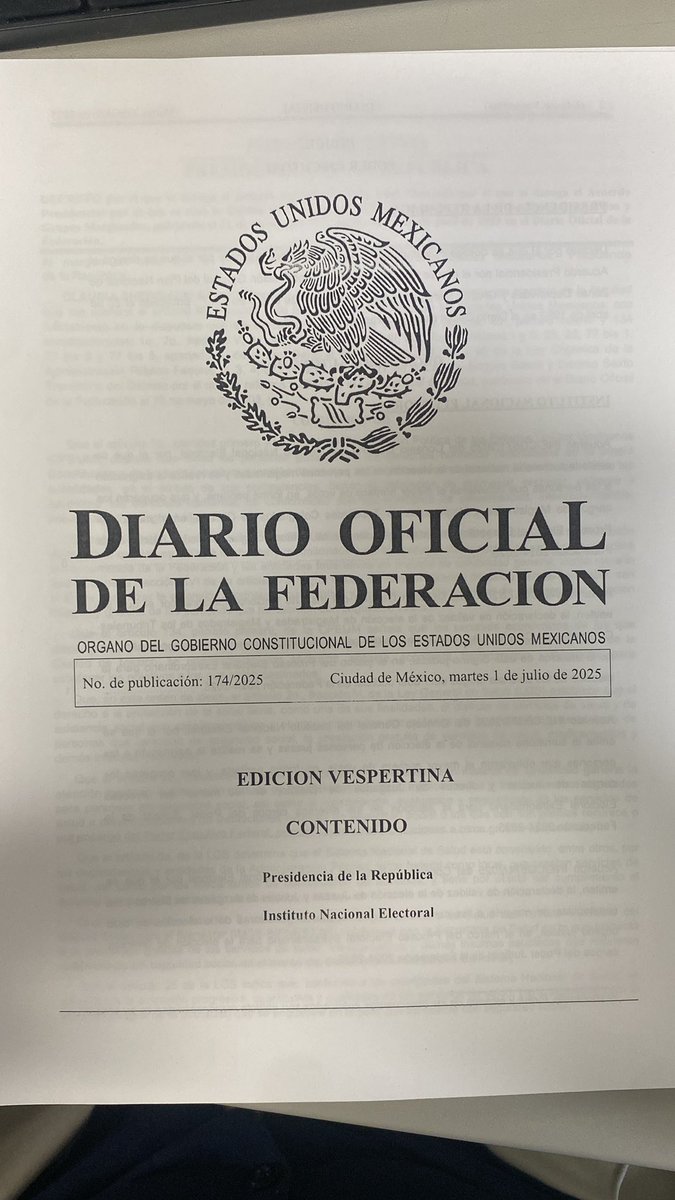
Seguro Popular, INSABI, IMSS-Bienestar. Historia de un fracaso que concluyó con un Decreto publicado el 1 de julio de 2025.
Aquí te cuento el chisme del adiós al #IMSSBienestar
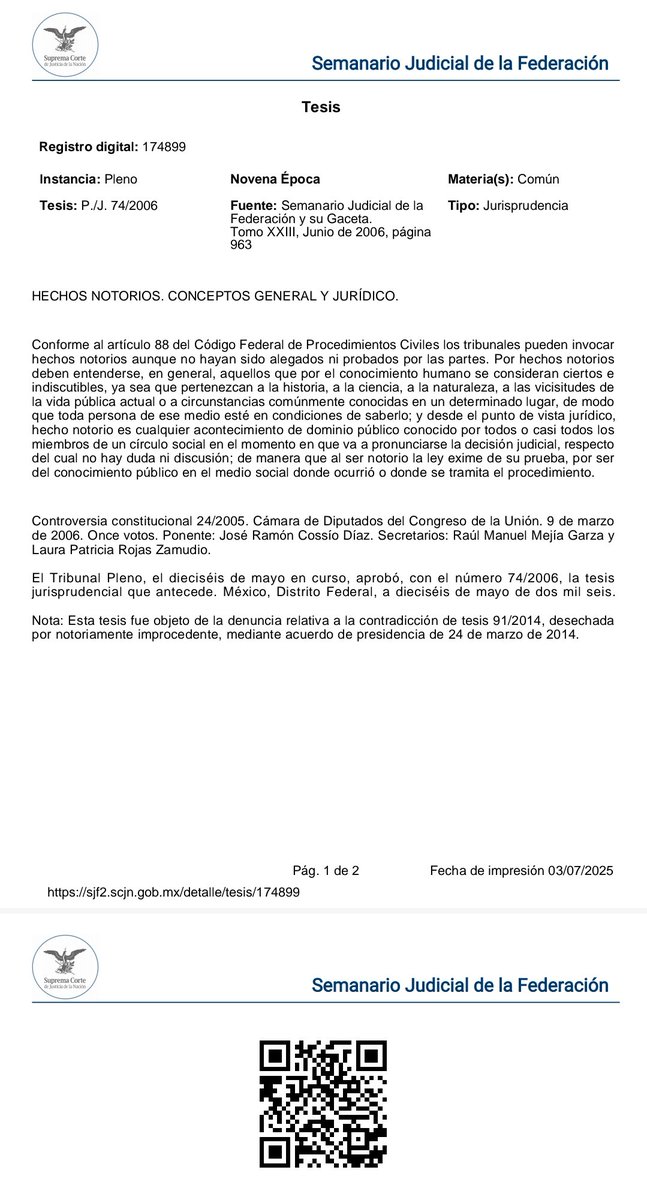
Por la irresponsabilidad del Consejo de la Judicatura de la Ciudad de México, al no publicar los acuerdos de suspensión de términos procesales, les recuerdo la figura de los Hechos Notorios, colegas abogadxs.
Ante la imposición y la cerrazón, que impere la razón.
Las autoridades del Poder Judicial de la CDMX nos están dando migajas de salario cuando nos tienen trabajando en condiciones de explotación, pero no sólo son deficiencias salariales a las que nos enfrentamos, estás son sólo algunas. 🧵