Real-time spectral rendering of the atmosphere using Radiance Cascades with rainbows and refraction.
Light paths are allowed to bend and create complex dispersion as well as atmospheric lensing.
#graphics folks, what are some interesting missing features / unsolved problems / etc. in shader compilation / optimization / profiling / tools? One of my students wants to do something like this for their masters degree.
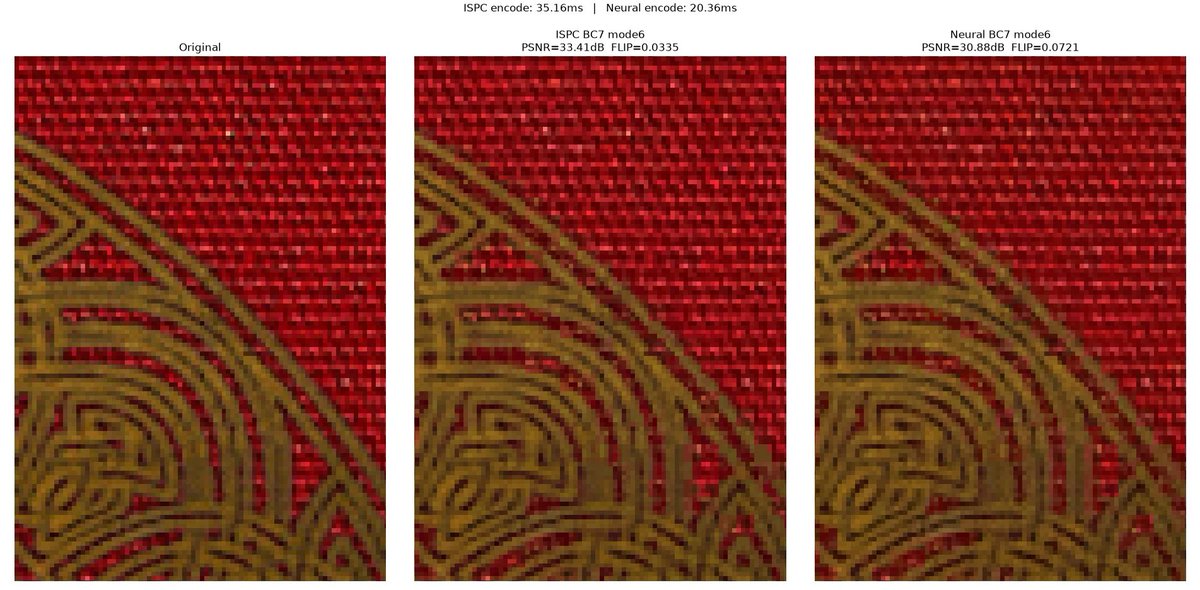
BVH Encoding for Neural-Assisted Ray Tracing
Daniel Meister, Takahiro Harada
(AMD - Advanced Micro Devices, Inc.)
https://t.co/tS0B7KMUzl
Abstract:
We propose a novel input encoding method of 3D positions for neural networks used in ray tracing algorithms. Our encoding technique utilizes the bounding volume hierarchy (BVH), which serves both as an acceleration data structure for ray tracing and as a spatial data structure for indexing learnable latent feature vectors. Our method naturally adapts to scene geometry, supports general geometric primitives, and maintains a bounded memory footprint independent of scene complexity. We demonstrate an application of our technique in the context of neural radiance cache (NRC).
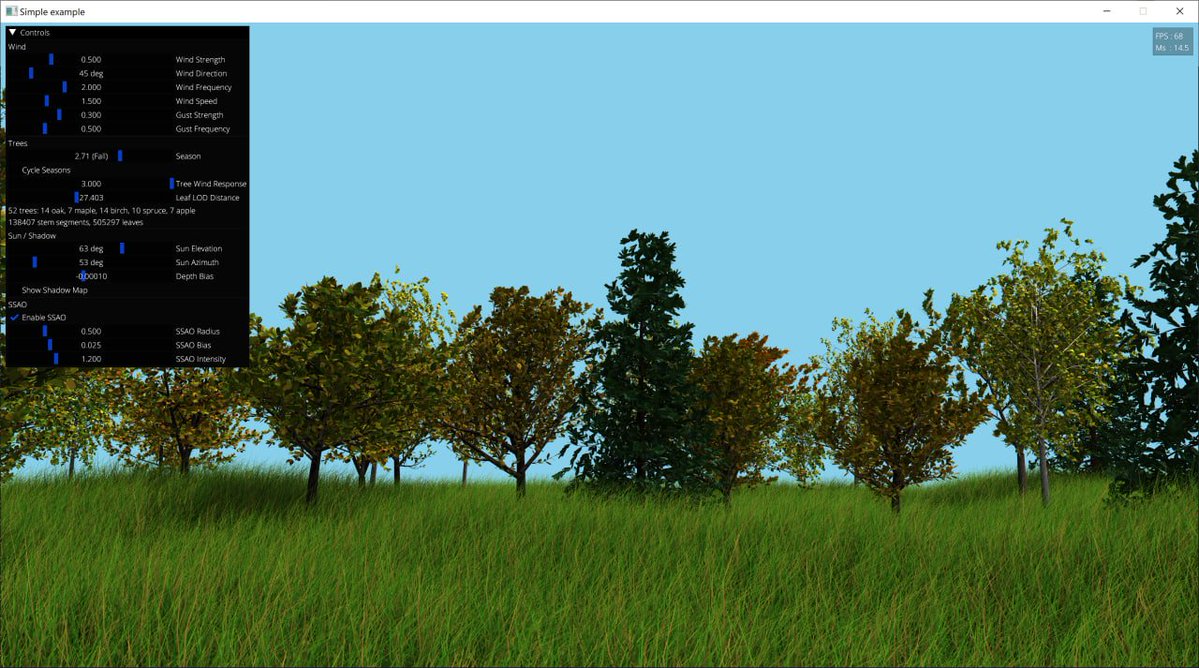
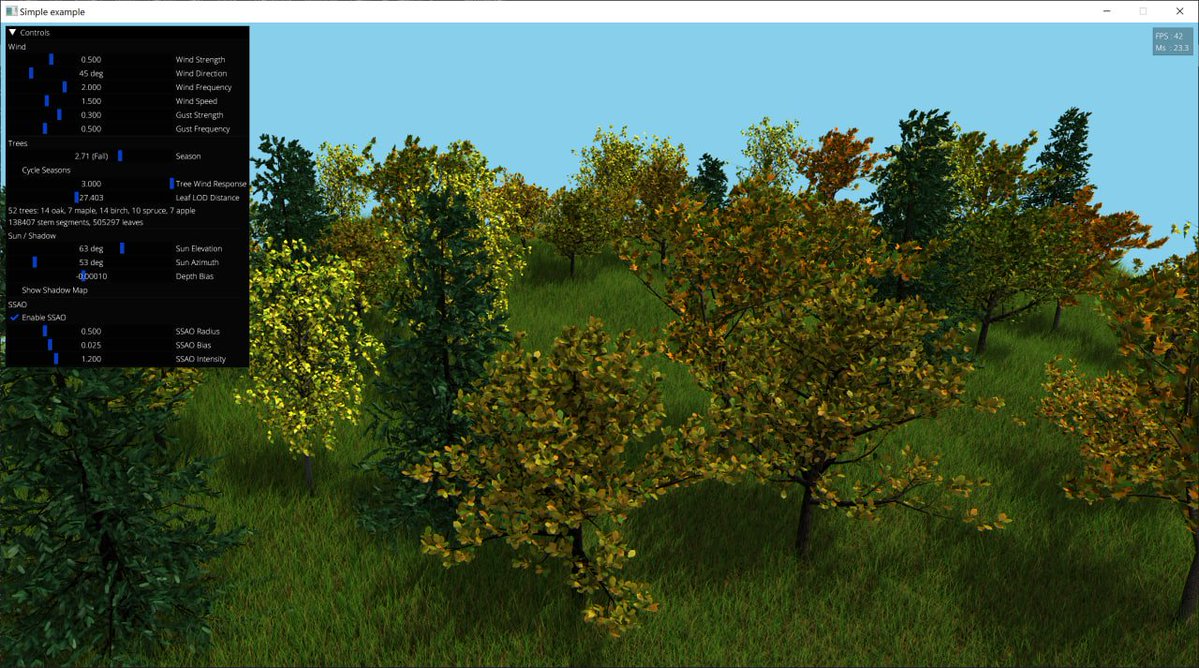
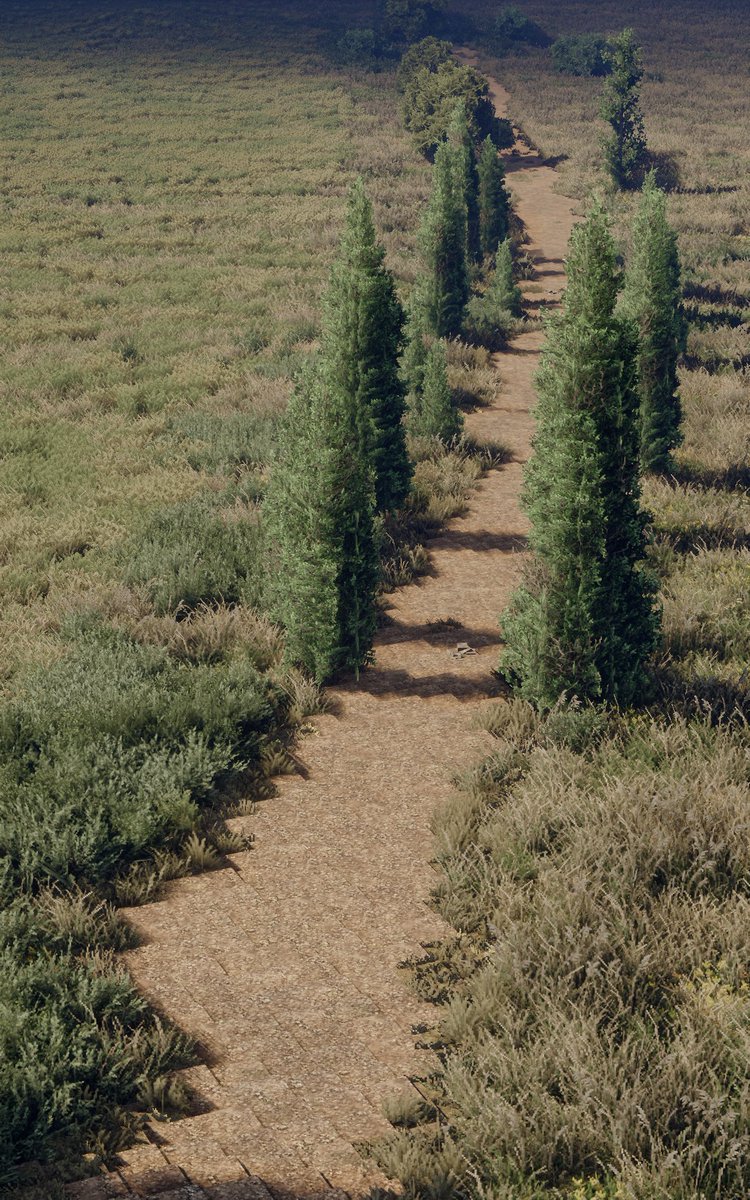
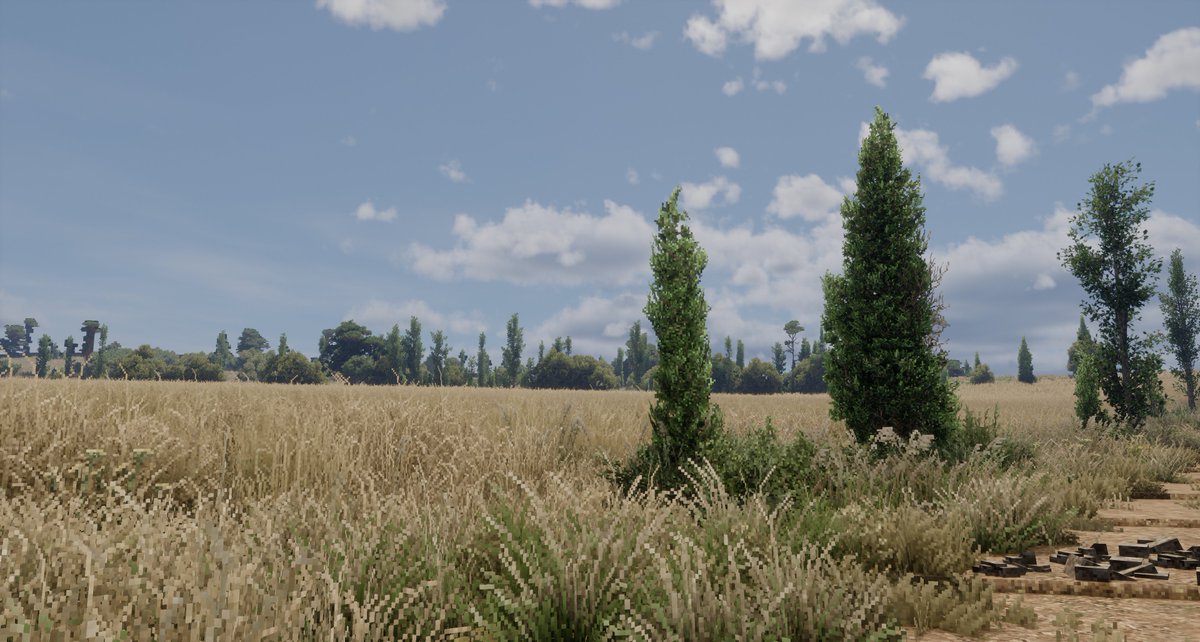
I have a separate repo where Claude and AI agents can run wild with minimal supervision. 🌳 Vibe-coded a demo with Weber–Penn trees, Bezier leaves, procedural bark, changing seasons, and wind animation.
https://t.co/NdPl6BHahB
For all parts of the project meant to be seen or used by another human, you should write the prose manually in your own voice, design the interface manually, and make choices that respect the target human's time, attention, and intelligence.
MicroSDF: Microfacet-Driven Hybrid Neural SDFs for Mixed-Reflectance Surface Reconstruction
Lejia Ye, Yuhua Xu, Yulan Guo, Lian Xu, Xiaohu Zhang
https://t.co/jwlr34KyZH
Abstract:
Accurate 3D reconstruction in real-world environments remains a significant challenge due to the coexistence of reflective and non-reflective surfaces, which pose distinct modeling demands. Existing methods often treat these surface types separately, limiting their generalizability and physical plausibility. To bridge this gap, we propose MicroSDF, a novel neural implicit framework that facilitates geometry and reflectance modeling through microfacet theory. Our approach incorporates three core innovations: (i) a microfacet-guided geometry model that extracts multi-scale surface normals (macroscopic and microfacet) from a signed distance field (SDF), regularized by a proposed microfacet normal consistency loss to enforce physically plausible surface orientations; (ii) an enhanced dual-branch color model, where the specular branch leverages the microfacet normals to model high-frequency reflectance, and the vanilla branch, unlike prior works, uses reflection direction (instead of viewing direction) to better model diffuse and low-frequency specular components; and (iii) a detection-guided color blending strategy that adaptively fuses the color outputs based on reflection priors, providing more physically intuitive blending than implicitly learned blending weights. Combined with a tailored multi-stage optimization scheme, the proposed MicroSDF achieves robust and high-fidelity reconstruction across reflective and non-reflective surfaces. Extensive experiments on DTU, Shiny Blender, Ref-NeRF, and DeepVoxels datasets demonstrate state-of-the-art performance, establishing a new direction for physically grounded neural reconstruction.
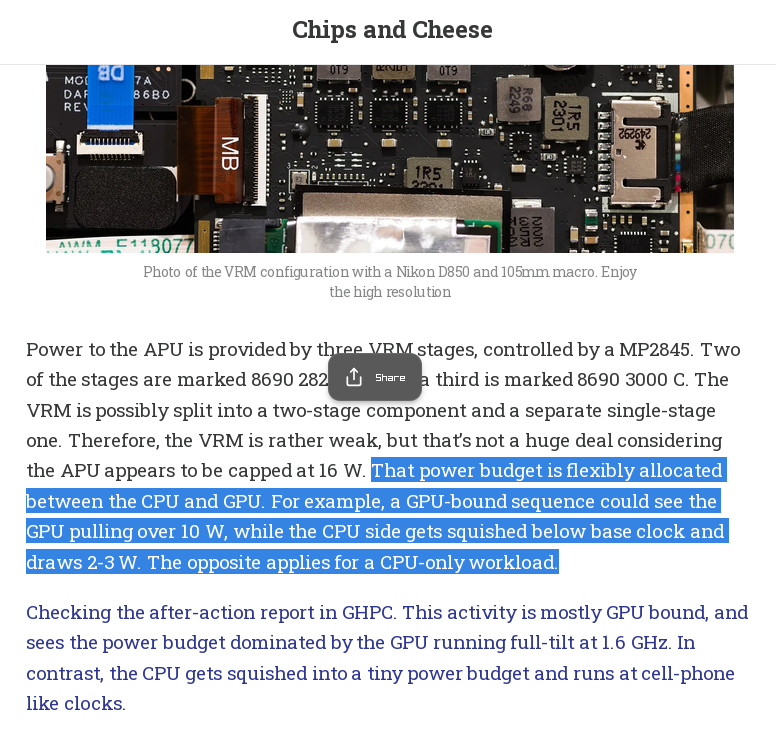
@SebAaltonen Required reading for Steam Deck optimization: https://t.co/M5zYEvaIgn - the HW has very flexible power slosh, so if you want the GPU to run well, the CPU should be forced to the lowest power state
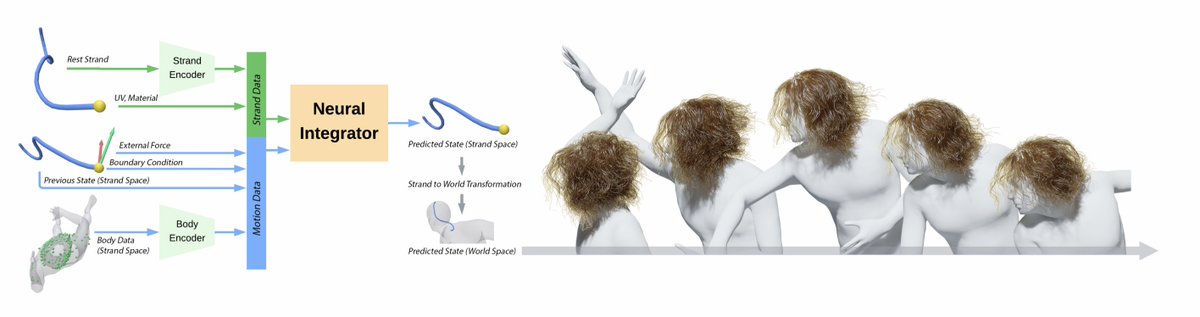
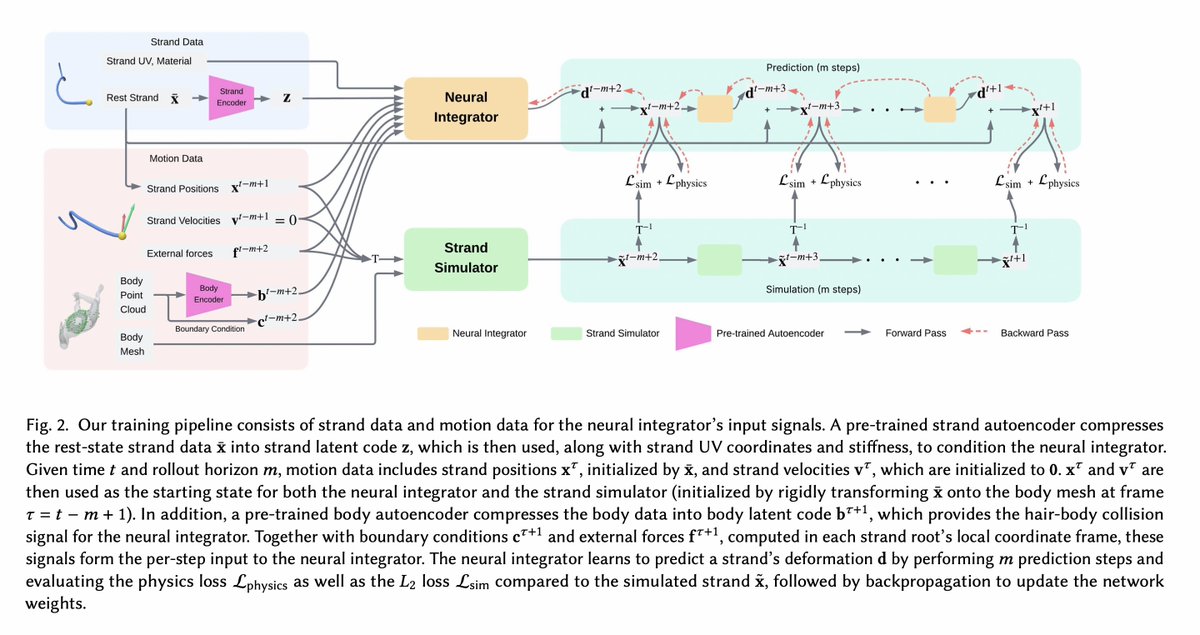
Neuroll: Real-Time Neural Strand-Based Hair Simulation via Simulator-in-the-Loop Unrolling
Gene Wei-Chin Lin, Jessica Jia-En Lee, Yu Ju (Edwin)Chen, Egor Larionov, Tuur Stuyck
https://t.co/nHE9wGazX9
Abstract:
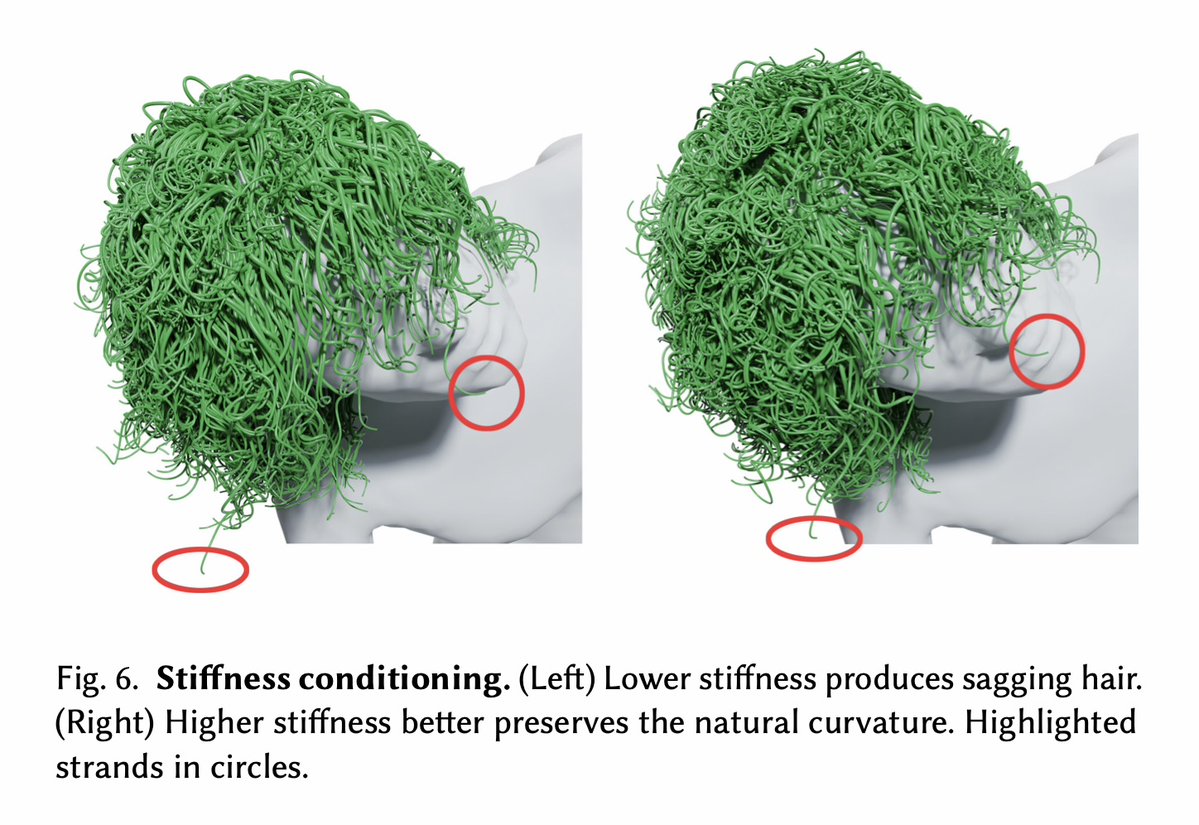
Time integration has been the cornerstone of physics-based animation that enables the simulation of complex interactions between rigid and deformable objects, including the motion of hair. Despite recent advances with optimized time integration that enabled thousands of hair strands to be simulated in real time, achieving the same performance on commodity hardware remains infeasible due to the computational demands of resolving complex dynamics and interactions between thousands of individual strands. With the rise of learning-based techniques, the offload of time integration to neural networks helps to achieve significant performance gains, making these approaches suitable for real-time applications such as gaming and virtual avatars. However, state-of-the-art neural techniques tend to produce less physically plausible motion and oftentimes fail to generalize to out-of-distribution scenarios. Inspired by classical time integrators, we design a neural counterpart that mirrors their input-output formulation -- taking previous hair states, material stiffness, and collision geometry as the inputs for the neural time integrator, which is then trained via a self-supervised, simulator-in-the-loop method with randomized unrolling horizons. By formulating training in each strand's local coordinate frame, we obtain a network that generalizes across multiple dimensions, including hairstyle, material property, body motion, and body type. Our method inherits the benefits of a strand-based neural simulator, and hence is density-independent, lightweight, memory-efficient, and performant. Our neural hair integrator produces stable long-horizon rollouts and can be naturally extended to support quasi-static simulation simply by resetting hair states.
"A Spatio-Temporal Acceleration Framework for Order-Independent Transparency" uses spatial transparency variance and temporal reprojection to reduce the pixel shading rate for OIT techniques https://t.co/mNjJyleHU9
AMD Advanced Media Framework (AMF) SDK v1.5.3 is now available!
🆕 Color matrix support for VideoConverter & VideoDecoder.
🔄 Rotation support for VideoConverter, and more.
🔧 Requires AMD Software: Adrenalin Edition 26.9.2 or newer.
Download now 👇
https://t.co/GGI9791QUb
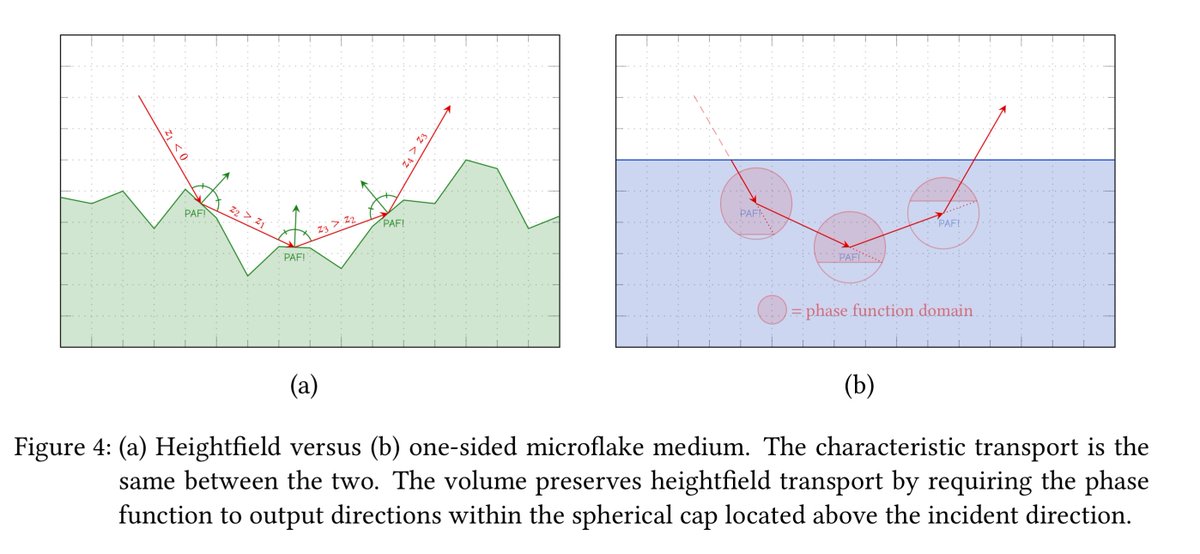
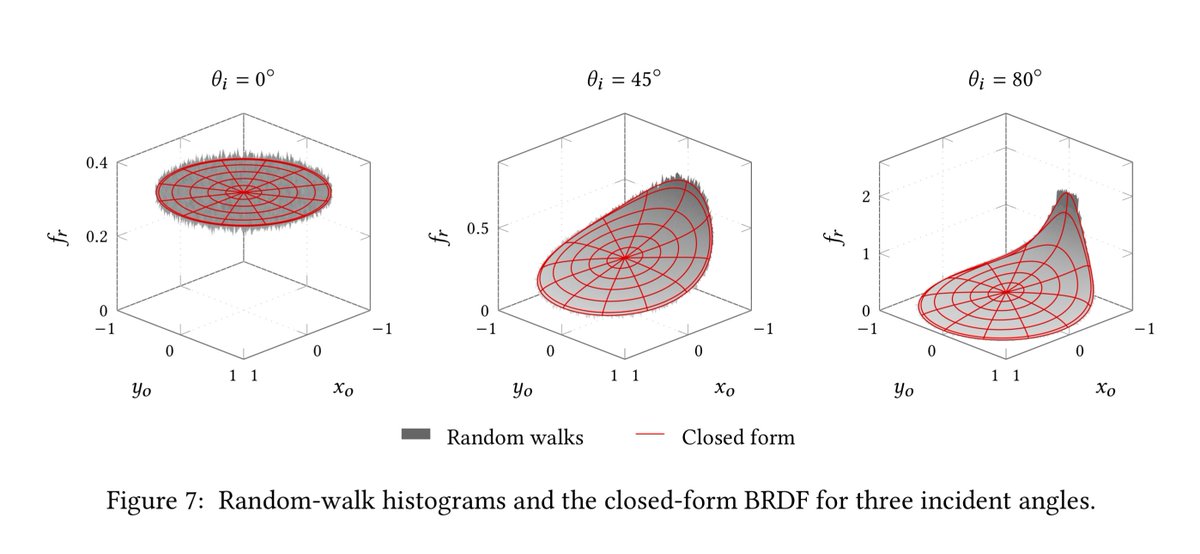
An Elementary Expression for Multiple Scattering in Homogeneous Microflake Media
Jonathan Dupuy
https://t.co/RZjzXsZiML
Abstract:
We derive a novel diffuse-like BRDF based on microfacet theory. Its main novelty lies in the fact that it admits an elementary expression for both evaluation and importance sampling, while accounting exactly for all scattering orders under the Smith shadowing assumption. As such, it is the first to settle the question of whether such a construction was possible. In practice, the BRDF produces Lambertian reflectance at normal incidence and progressively concentrates reflected light around the mirror direction as incidence approaches grazing. We showcase this effect by comparing rendering results against Lambertian and state-of-the-art stochastic microfacet BRDFs.