La gente con plata en este país está siempre muy preocupada por el derecho a la libre circulación cuando hay protestas de campesinos, choferes, maestros, etc. Pero a la hora de buscar a sus chicos del colegio se olvidan completamente, no era tan malo bloquear la calle ra'e.
Nunca leí una política de gestión de datos bancarios TAN intrusiva como la de UNID de @uenopy.
¿No creen que se les fue la mano para hacer una política abiertamente contraria a principios de minimización de datos y de protección de datos? ¿No deberían informar a los clientes para qué los usan, cuáles son esos "terceros" y qué uso comercial puntual les dan a los datos?
Es más, en la App del Banco insisten sin dar escape, a que suscribas el leonino cambio de reglas a UNID, haciendo una transferencia internacional de datos a una sociedad en EEUU llamada Itti USA LLC. Incluso, traslada al cliente toda responsabilidad de los vicios de seguridad de la interfaz porque hayas revelado tu numero de cuenta.
¿Es un banco, un data broker o una agencia de inteligencia? ¿O ambas cosas?
Es más, más ruido me hace que mismo grupo empresarial este vendiendo al Estado sistemas de vigilancia. ¿En que momentos se rompieron las fronteras del sentido común? ¿Hay un límite? ¿Cómo confiar cuando la reglamentación y la interfaz de uso excede a la autonomía del usuario?
No siempre hay que ganar elecciones para triunfar. A veces, perder resulta mucho más rentable. Qué gran ejemplo el de Peña, convirtió una derrota política en la mayor victoria financiera de su vida.
To build this dam, engineers first drowned a waterfall twice the size of Niagara. You could hear it roaring from 20 miles away. Then they made one of the world's biggest rivers move out of the way, just to clear room for the construction site.
It's the Itaipu Dam, on the Paraná River where Brazil meets Paraguay. Work started in 1975, and the first job was the river itself. Crews spent three years carving a 1.2-mile channel through solid bedrock, 500 feet wide and 300 feet deep.
They hauled away 50 million tons of earth. In October 1978, they set off 58 tons of dynamite, forcing the Paraná into a brand new path. Only then could the dam itself start to rise.
The structure ate roughly five times the concrete used for the Hoover Dam, plus enough steel to rebuild the Eiffel Tower 380 times over. On one day in November 1978, the site poured concrete fast enough to put up a 10-story apartment building every hour for 24 hours straight. The main wall is 643 feet tall, the height of a 65-story tower. It runs almost 5 miles across the river.
The bill came to $19.6 billion in 1970s money, roughly $60 billion today. About 40,000 people lost their homes when the reservoir filled. And in October 1982, when the water rose in just 14 days, it drowned Guaíra Falls, a chain of 18 waterfalls on the Brazil-Paraguay border that carried double the water of Niagara. Months earlier, a footbridge over the falls had collapsed under crowds of last-look tourists. Twenty-six died.
In 2016, the dam produced as much electricity in a single year as New York City uses in two. That set a world record only broken in 2020 by China's Three Gorges Dam, which has 60% more generating power but sits on a river that runs low for half the year. Since 1984, Itaipu has put out more electricity than any single power plant in human history. It supplies around 90% of Paraguay's electricity and roughly 10% of Brazil's, from one wall of concrete. The final construction loan was paid off in February 2023, almost 50 years after the treaty was signed.
Brad Pitt spent a full year preparing for this scene. Two to three hours in the gym daily, then two more hours of sword work on top of that. He gained 30 pounds of muscle. And the reason every second of training shows on screen comes down to one decision most people don't know about.
Sword Master Richard Ryan designed a completely different fighting style for every principal character in the film. Achilles fights like a predator. Short explosive bursts, closing distance in a blink, always attacking. Hector fights like a soldier. Measured footwork, shield discipline, conserving energy because he's used to surviving long battles, not ending them in seconds.
The choreography tells you who wins before a single blow lands. There's a specific moment where Achilles uses the same leaping overhead strike that killed Boagrius in the opening scene. Hector gets his shield up just barely in time. That beat communicates everything: Hector is the best conventional fighter alive, and it still isn't enough. The gap between elite and supernatural, shown in half a second of choreography.
No stunt doubles. Both actors performed the entire duel themselves. Simon Crane, the stunt coordinator from Braveheart and Saving Private Ryan, built the sequence so meticulously that editor Peter Honess barely had to cut. You can track every spear, blade, and shield in every frame. In 2004, when most action movies were already drowning fight scenes in shaky cam and fast edits, Troy went the opposite direction and let you watch.
Pitt tore his actual Achilles tendon during production. The guy playing Achilles got taken out by his Achilles. Sometimes the universe writes better material than the screenwriter.
Twenty-one years later and nothing in the sword-and-sandal genre has topped it. The budget was $175 million. The training was a year. The fight is four minutes. Every dollar and every hour landed on screen.
The Achilles vs Hector duel in Troy (2004) is where the movie fully locks in. Brad Pitt fights with this terrifying speed while Eric Bana makes Hector feel exhausted and honorable all at once. Still one of the cleanest sword fights put on screen
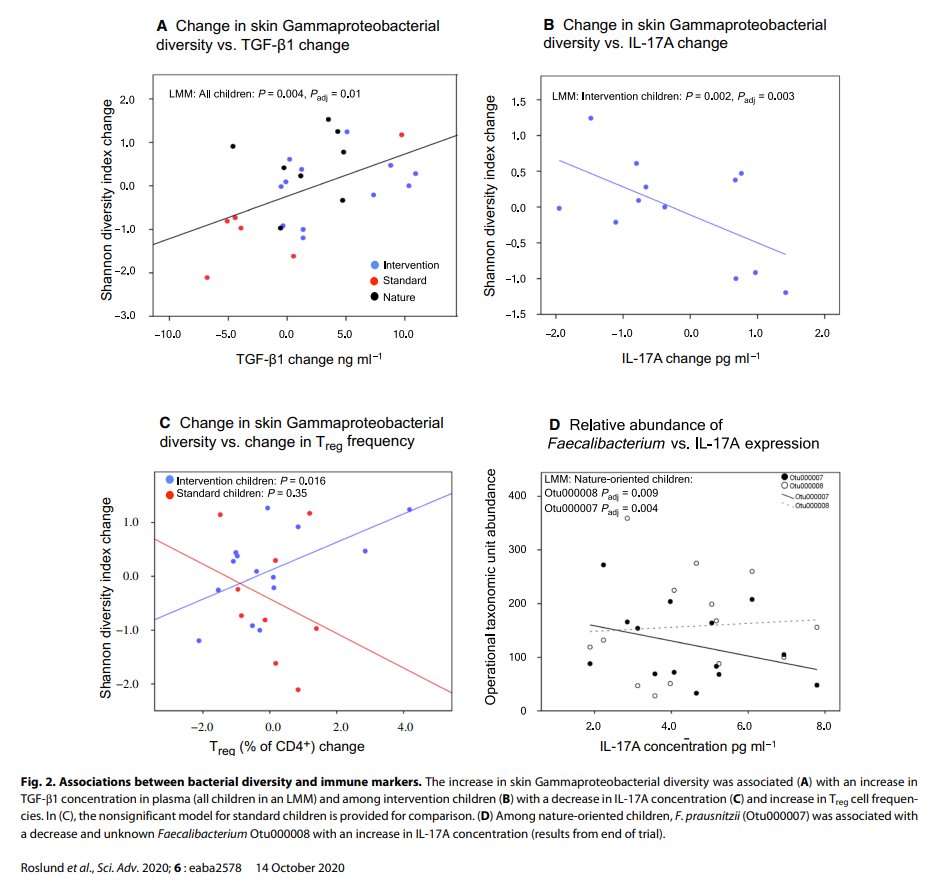
En Finlandia cambiaron los materiales sintéticos (caucho sintético, asfalto, plástico...) de los patios de las guarderías por suelo forestal, césped, musgo y arbustos; y los niños mejoraron su sistema inmune en sólo 28 días: mayor diversidad microbiana, más células T reguladoras, aumento de marcadores antiinflamatorias y mayor equilibrio inmunológico.
A los 2 años los beneficios persistían y se observaron mejoras adicionales: menos bacterias patógenas como Streptococcus en la piel y menor abundancia de bacterias asociadas a inflamación en el intestino.
Villeros del bañado sur volvieron a robar cables y causaron el apagón de toda la franja de luces públicas de la Costanera sur.
Ya es insostenible intentar tener a estás personas en esa zona, nada funciona con estos peladores de cables y cobre