“Digital writing tools can change the ‘how’ and the ‘why’ for all types of learners. By providing more accessible modes for researching, thinking, capturing, writing, and sharing we invite all students to own the learning.”
Read more from @KristinZiemke: https://t.co/xxaeBAXG64
"By defining reading as mastery of arbitrary skill sequences, pupils who read widely and with good comprehension may be undervalued, while pupils who perform well on isolated skill tests but who can't or don't care to read are lulled into complacency."
-the late Ken Goodman
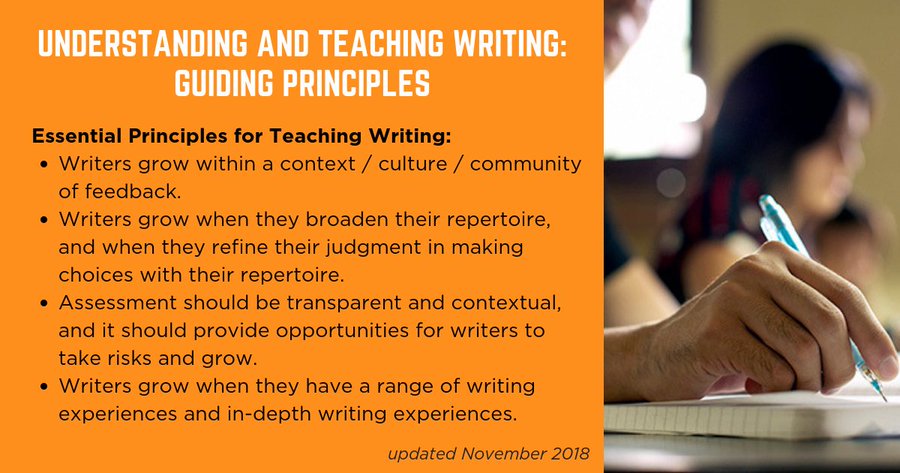
The NCTE Position Statement UNDERSTANDING AND TEACHING WRITING: GUIDING PRINCIPLES reminds us that “Everyone is a writer….They may collaborate with each other in different stages of writing, from drafting to revision to publication.” https://t.co/26JJnYmF9a #WhyIWrite
📊Research has found that classrooms differ a great deal in quality of discussions--and those differences impact comprehension development. Please see below for examples of differences. For a self-assessment and guide to quality talk about text, see https://t.co/hWnyoFVV17
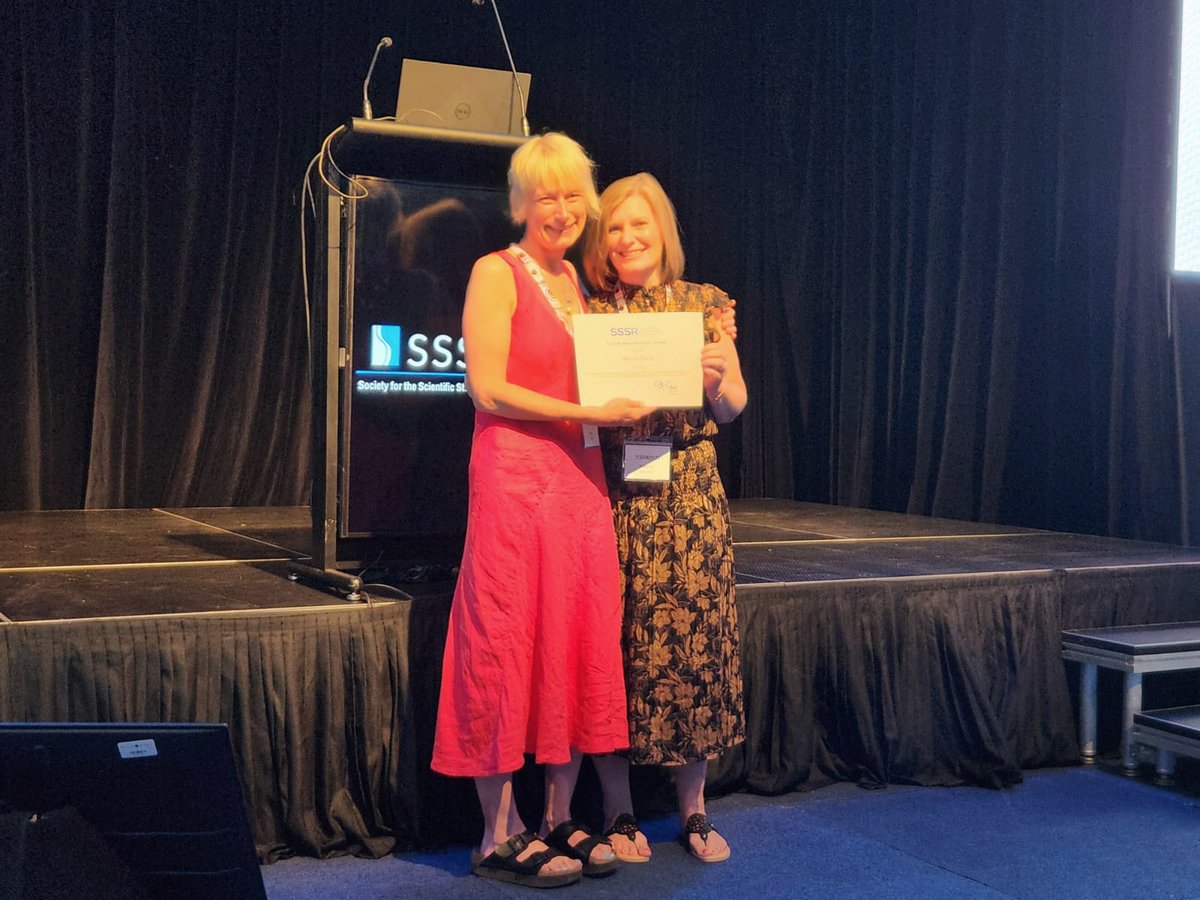
Congratulations to Shayne Piasta (right), professor of reading and literacy in early and middle childhood education, on receiving the first Carol Connor Mid-Career Award from the Society for the Scientific Study of Reading! @sssreading#sssr2023@OhioStateTLAS
@jamie_lipp@GovMikeDeWine@OHEducation I appreciate your tweets about reading instruction. I hope those who need to hear these messages are paying attention.
"As researchers in literacy education, we are particularly concerned when research is appropriated selectively, or misrepresented, to argue for a scientific certainty about how to teach every child to read..." (Reinking, Hruby, & Risko, 2023) @GovMikeDeWine@OHEducation