When the songwriter hands the award to the person who made her song immortal
Is the greatest success sometimes not about holding the spotlight, but about gladly watching someone else light it up?
In the video, Dolly Parton stands on the 1994 Grammy stage, envelope in hand, reading the winner’s name. Whitney Houston walks up in a white dress and receives the trophy from the very woman who wrote “I Will Always Love You.” The two of them smile at each other. There is no distance, no awkwardness. Just genuine joy as a song finds its most perfect voice.
Behind that moment sits a story few people pause to consider. Dolly wrote the song in 1973 as a gentle farewell. Twenty years later, Whitney turned it into a worldwide ballad that sold millions and became one of the songs most closely tied to her name. Many songwriters might have felt overshadowed by such a cover. Dolly did not. She spoke openly of her pride and even used some of the royalties from Whitney’s success to invest in a community. The award presentation stopped being a formality. It became a mutual recognition.
It reveals something deeply human: the ability to rejoice in another person’s success. Not everyone can do that. Many fear being outshined. But when someone is secure enough to see their own work grow larger through someone else’s talent, both sides are set free. Dolly lost nothing. She only gained.
To me, the moment is beautiful because it needs no explanation. Two women, two styles, two generations, standing together inside the same song. One wrote the feeling of goodbye. The other sang that feeling into immortality. Neither had to win. Both already had.
The concrete lesson is clear: when you create something true, you do not have to keep it only for yourself. The more you allow it to live through others, the larger it becomes—and so do you.
What do you feel when you watch someone else take something you made and make it even better—is it a loss, or a gift?
Un hombre que jamás había vivido.
En 2003 Michael Jackson le contó a un amigo que su sueño era ir a un supermercado a comprar como alguien normal. Ese amigo era dueño de un supermercado, lo cerró y recreo toda la experiencia para que MJ sienta que era ir de compras.
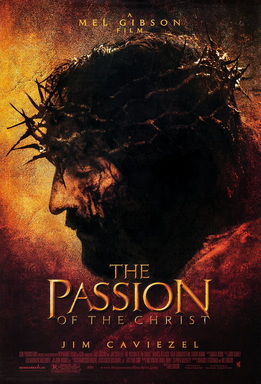
>Be Mel Gibson
>Decide to make a movie about the last 12 hours of Jesus' life
>The entire industry tells you it’s a career-ending mistake
>No one wants to fund it
>Funds it himself out of his own pocket, $30 million
>Make it in Aramaic and Latin so it's historically authentic
>Refuse to water down the brutality of the sacrifice or the reality of the spiritual warfare
>It becomes the highest-grossing R-rated film in history at the time grossing over $600 million
>Millions of people are moved to repentance and tears in the theater
>Mass conversions follow
>Proves that the Truth doesn't need "modernizing" to be relevant
This us what true art looks like in movie format.
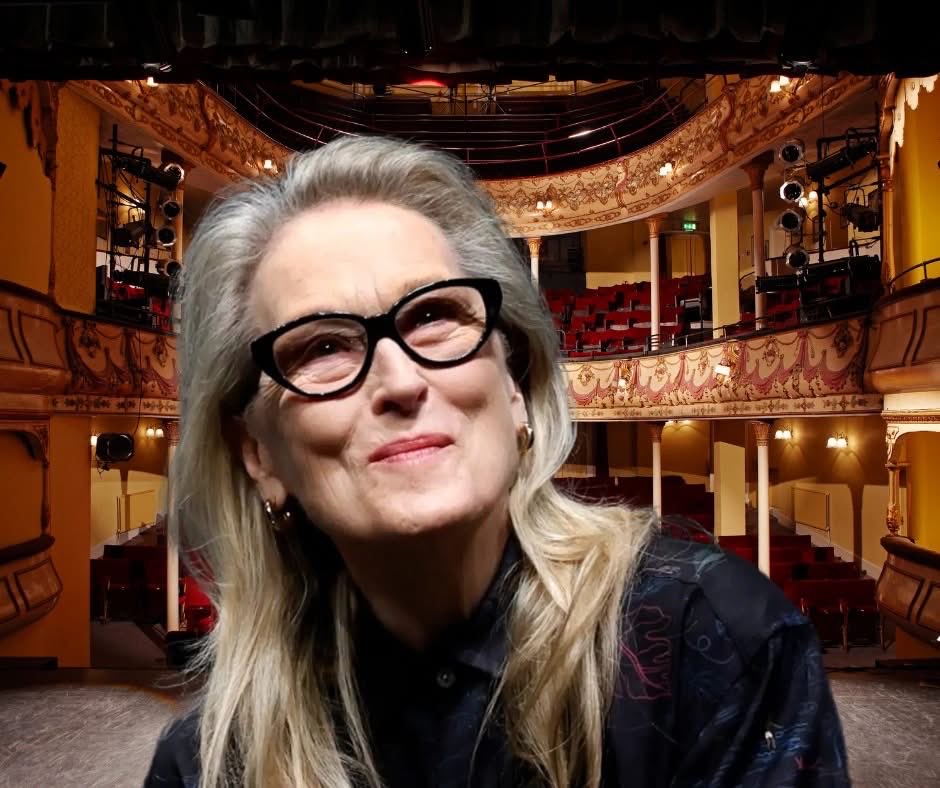
Dijo una vez Meryl Streep: “Envejecer no es para los débiles. Un día despiertas y te das cuenta de que la juventud quedó atrás, pero con ella también se van las inseguridades, las prisas, la necesidad de complacer. Aprendes a caminar más lento, pero con más certeza. A despedirte sin miedo, a valorar a quien se queda. Envejecer es soltar, es aceptar, es descubrir que la belleza nunca estuvo en la piel, sino en la historia que llevamos dentro.”
Los niños y las niñas deberían soñar con ser como Mariano Barbacid y su equipo en vez de querer ser tontos que se graben haciendo vídeos sexistas o anunciando productos que no necesitas en RRSS.
Menos futbolistas y más científicos.