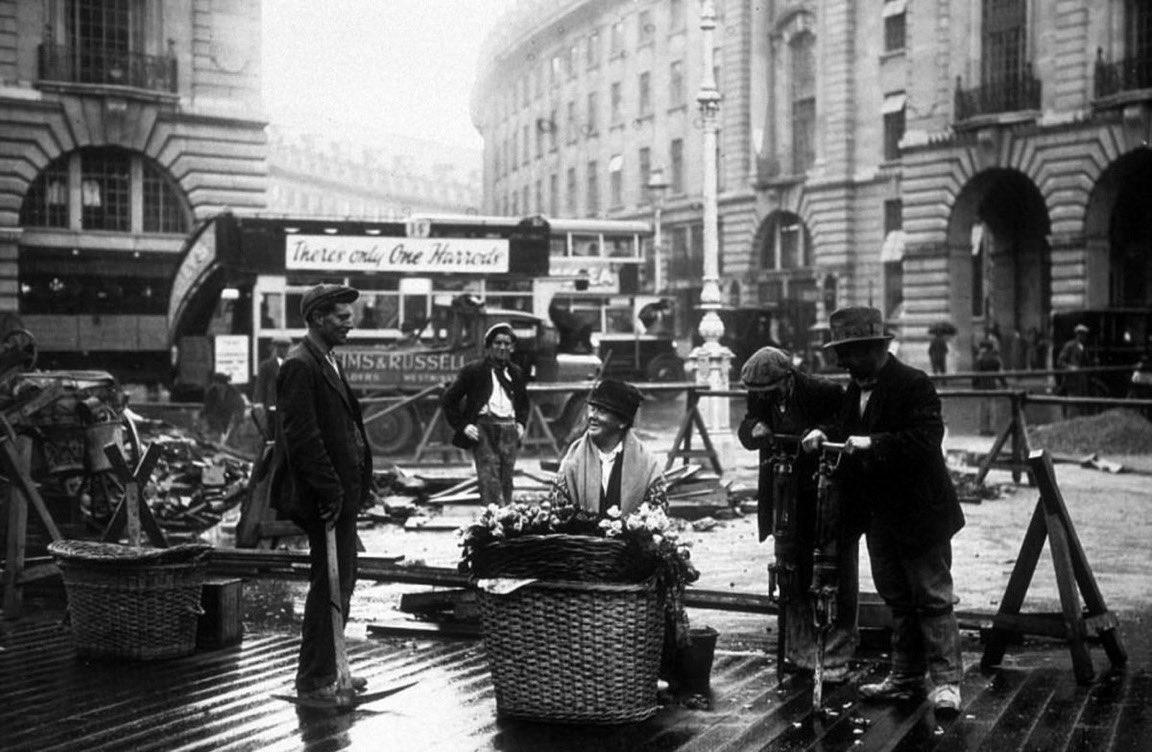
Workmen in Piccadilly Circus use drills to lift a wooden street surface. Much of London’s roads were covered in wood rather than cobbles to reduce noise - a practice that continued well into the 20th Century. In 1937, the new Chelsea Bridge was covered in a wooden carriageway… #history #london
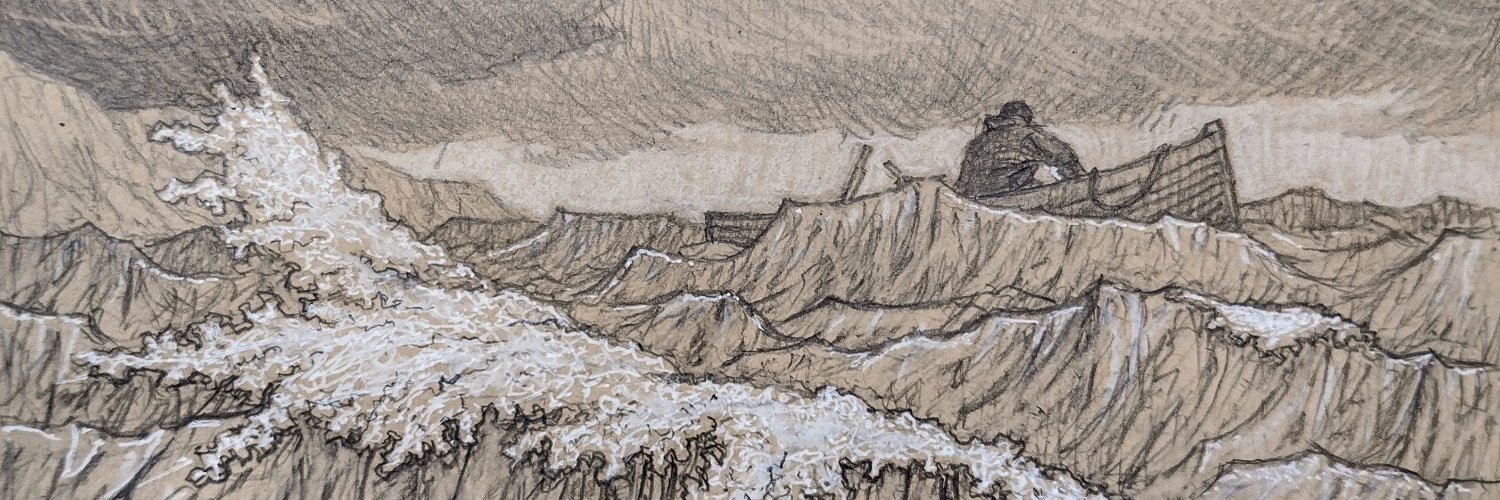
@ahistoryinart I like Blamey's work but this one in particular has a special meaning to me having worked as a model maker. I can vouch for its accuracy.
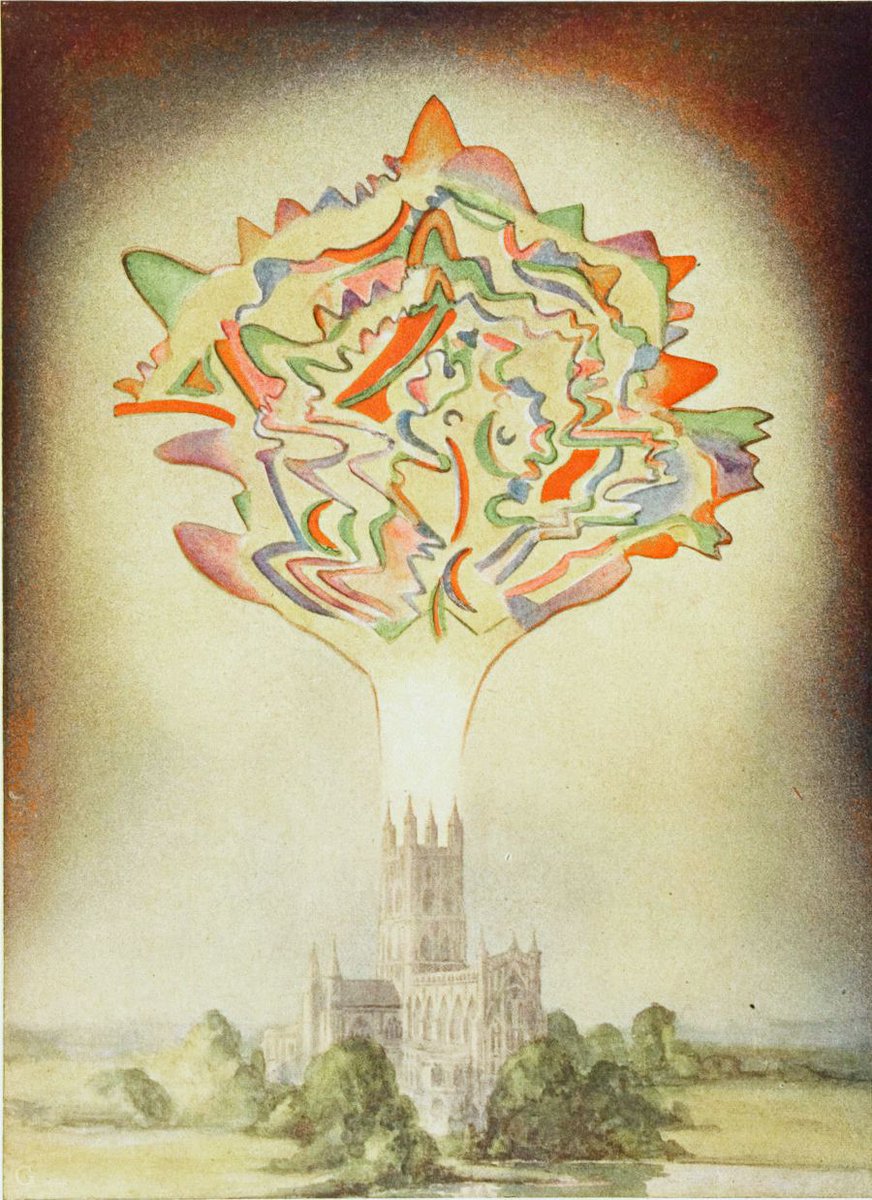
Socialist, theosophist + women's rights activist Annie Besant was born #onthisday 1847. Read @ResObscura on her book Thought-Forms (1901), an intriguing work grounded in the theory that ideas, emotions, and even events, can manifest as visible auras https://t.co/lzP8acsZRz #OTD
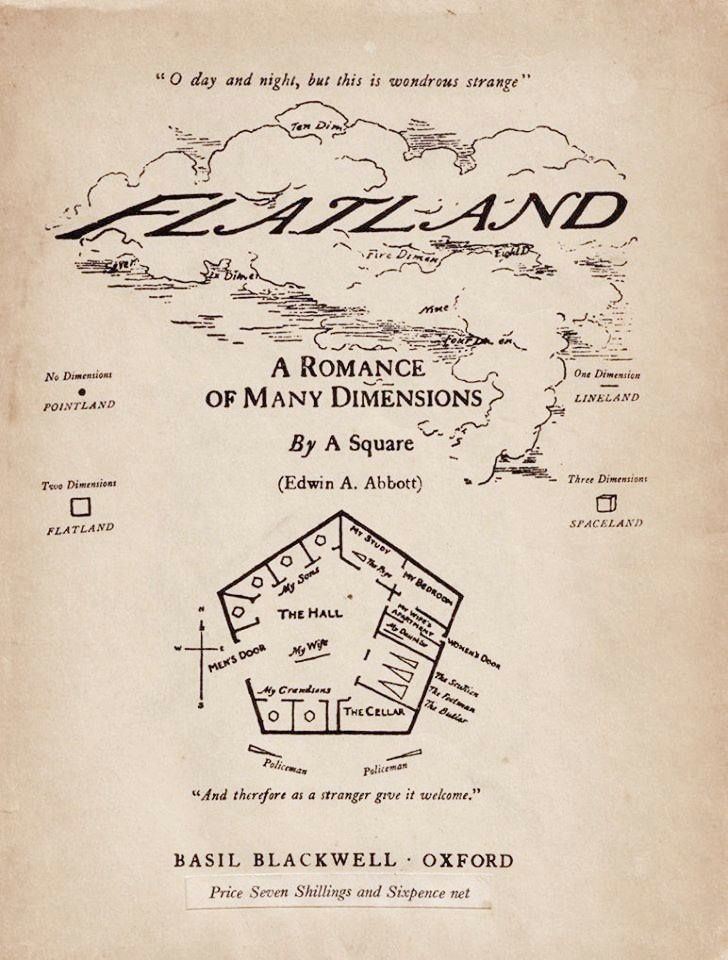
Born #onthisday in 1838, theologian and schoolmaster Edwin Abbott Abbott, who in 1884 published the remarkable Flatland: A Romance of Many Dimensions, perhaps the first ever example of “mathematical fiction”. More on the book here: https://t.co/yqNYNkD0ls #OTD
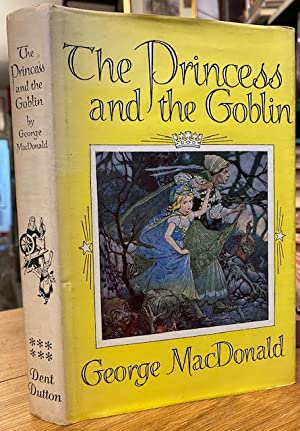
VICTORIAN GOBLIN NOVELS ‘The Princess and the Goblin’, a fantasy novel by George MacDonald published in 1872, a key influence on Tolkien, and ‘Davy and the Goblin’ by Charles Carryl, 1885. #FolkloreSunday#31DaysOfHalloween
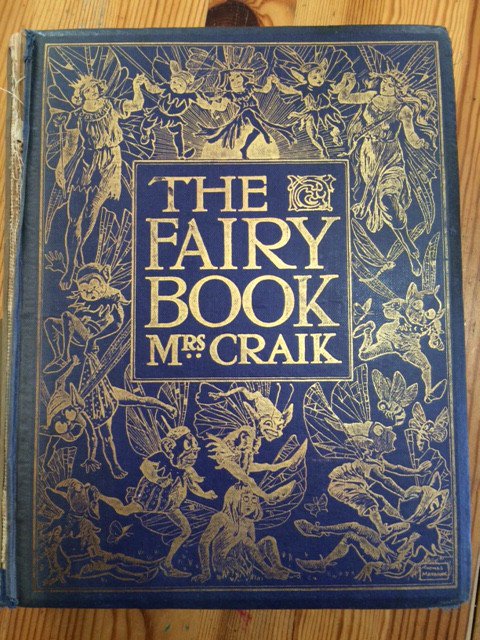
VICTORIAN FAIRY BOOK Mrs Craik's The Fairy Book, 1869 was a precedent to Andrew Lang’s Fairy Books. You can still find Dinah Craik's books, now very collectable, often illustrated by Warwick Globe #gothicspring
How about this for a Christmas present? It's the cloth binding for ‘Leaves from a Christmas Bough’ (1867), a book of verses illustrated with chromolithographs https://t.co/4zwU7N8dfD. Can't help just coveting the cover though!
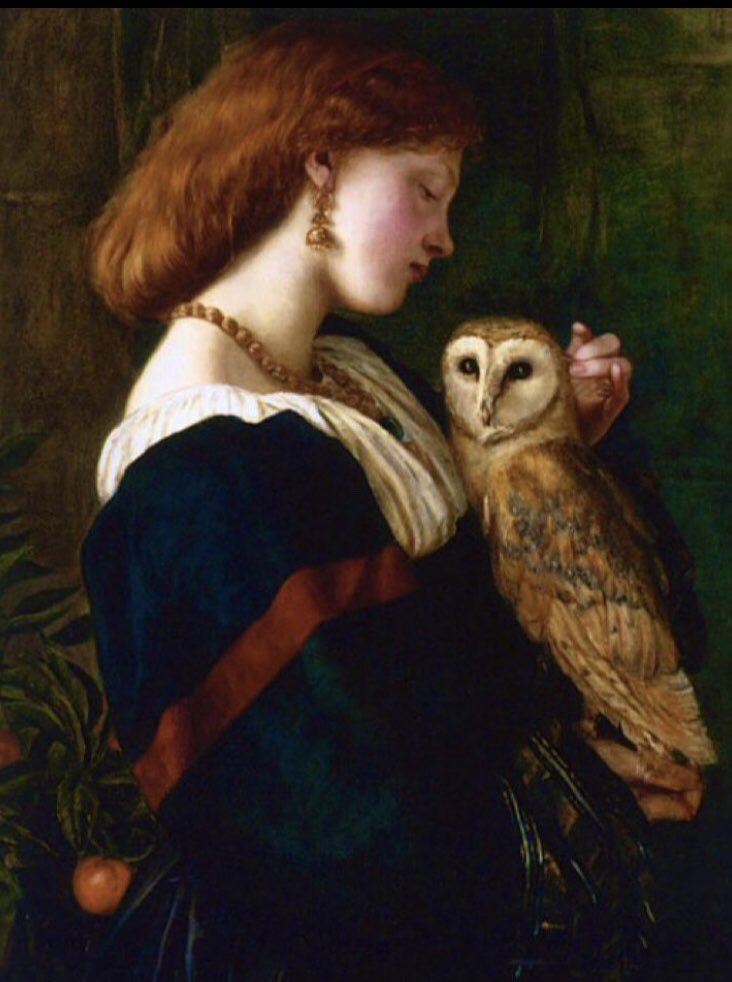
It is said Rossetti saw his wife Lizzie Siddal’s ghost every night for 2 years after her death in 1862. Her ghostly visits surely increased after he had her body exhumed to retrieve his poems. Reports said her red hair had kept growing & now filled her coffin. #MythologyMonday
@DownsTrader That's interesting. Ann Thwaite also wrote a biography of Edmund and this led her to researching his father. She suggests P. H. was much more attentive and loving than in Edmund's book. Undoubtedly through a straight-jacket of religion.