✨ Effortless forms, with standards. 🧙♂️
Auto-generates forms declaratively, thx to JSON schemas.
Works with Lit, Solid, Vue, Svelte, React, Astro, TypeScript,…
Made this library open source❣️
💡Use cases:
CRUDs, CMSes, form builder, user-generated dynamic inputs, you name it…
Ever felt the need to author HTML literals in JS, but using JSX?
All that by burning a substantial amount of pesky, boilerplate-y helpers?
Read my experience seeking this Graal and try the code if you like living on the edge 😏:
https://t.co/jr7InRgKoU
Experimenting with an hybrid Hooks x Signals reactive API. I poked around as a total profane, assisted by ChatGPT, to emulate Functional Components ergonomics in Lit-ish runtimes, because why not?
https://t.co/OcVJlaYWuk
Rizzed DX for Custom & Standard Elements in @solidjs JSX:
👉 Fresh MDN for Standard Tag/Attr/Event
👉 attr:/bool:/prop:/on:/on proxy
👉 Attr/Prop/Event (TS, JSDoc, Completion, Go-to-Def…)
👉 Slots Completion
👉 Unknown Tag, Excess Attr (even w. hyphen)
👉 Custom/Std Style Props
🧑💻 Realtime analysis enabling these language features in @astrodotbuild files:
💡 Hover Quick Info
👉 Custom element tag
👉 CE standard attr
👉 CE attr
👉 CE custom CSS prop
🔍 Semantic Diagnostic
👉 CE unknown attr
👉 CE attr
👉 CE custom CSS prop
👉 CE unknown custom CSS prop
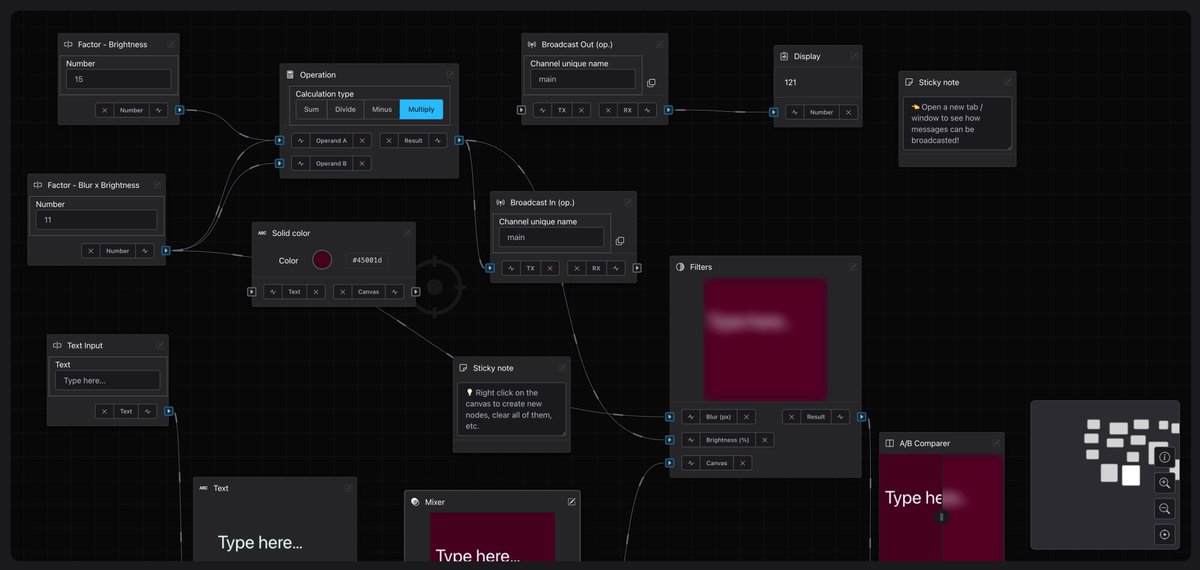
been working on this proof of concept, it's a node based UI library (à-la React Flow), with Custom Elements and TC39 standard signals (Lit signals + signal-utils).
Comes with a built-in theme, based on Shoelace, and a handful of demo nodes to play with ^^
https://t.co/tVddlxtvtE
@SnazzyLabs RAM is still *crazy* expensive. Old 9900k with 128GB here.
Mac with same amount of RAM still cost an arm and a lung.
Also, x86 will remain much more compatible for dev. uses (docker, VMs…), until MS make windows ARM friendly.
Keeping the hackintosh until it dies 👊
wah! This one is exactly what I was looking for.
It's cross-CDN, cross UI-libs, and neatly wrapped in ready to use components.
unpic/lit works flawlessly with Lit hydrated SSR.
If you're not into Custom Elements, you can give it a shot for other frameworks
https://t.co/G67hrufqtj
#2 would need to discriminate `@ layer` during the Adopted Stylesheet construction, and inject them selectively. I -think- making a ponyfill for it is doable with current tools and browser APIs.
#3 could use the same technique. Not sure about syntax support with current tools.
Diving into the 3 proposals for "Declarative shadow DOM style sharing".
1. Seems to be the easiest to integrate in existing toolchains
2. Could cherry-pick from a CSS bundle
3. Same as 2, but needs a new CSS syntax
At first glance, all have their merits https://t.co/rFYGRhT0qm
#1 could possibly be doable with @vite_js by inlining the style (with `?inline` query) in inline module scripts with `type="css-module"`.
Then, one could add a `<adopted-stylesheets specifiers="/foo.css">` helper in custom element shadow root hosts.
No FOUC, but mandatory JS.
Trying @zeddotdev once in a while. For front end, it's becoming more and more versatile.
Here with (Lit) HTML/CSS template literals: highlighted out of the box.
Add `ts-lit-plugin` to get a bunch of helpful diagnostics: syntax, Custom Element props checks, slots, events, MDN…
Looks like a conversation started about supporting a stage-4 standard in Vite.
"Import Attributes" (formerly "Import Assertions") could be leveraged for native CSS Modules (hello Web Components and frameworks authors).
https://t.co/uPzHgJQX8O